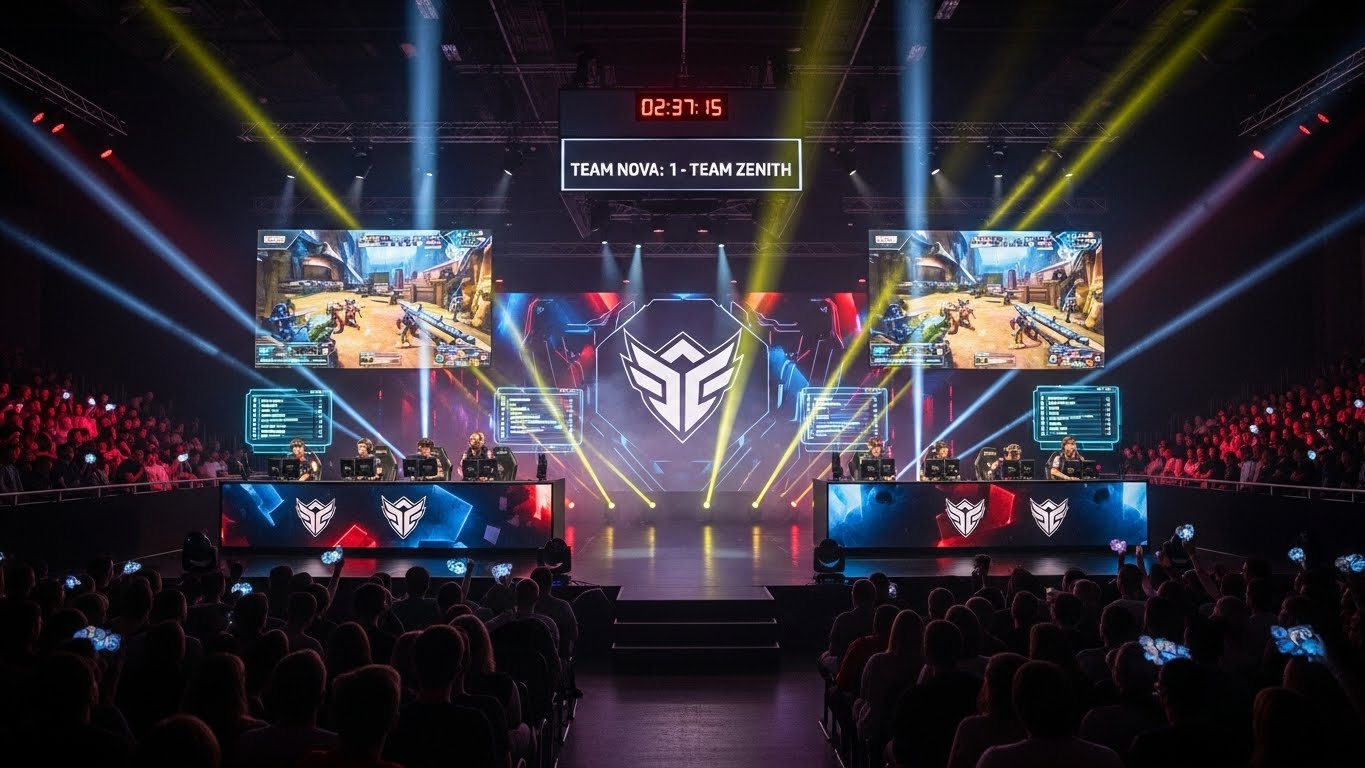
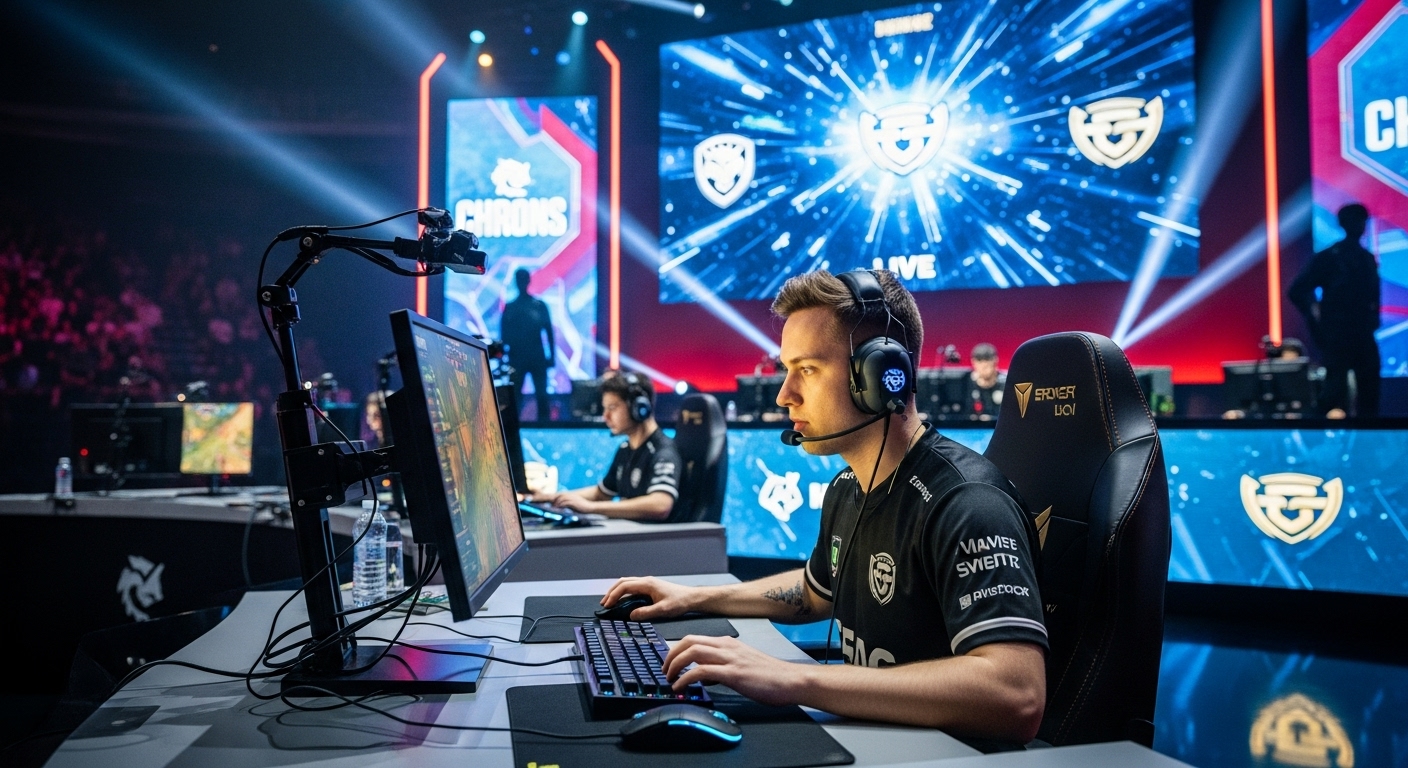
Esports, short for electronic sports, has rapidly evolved from a niche hobby into a global phenomenon that rivals traditional sports in popularity, revenue, and cultural influence. What began as small gatherings of competitive gamers has transformed into a billion-dollar industry with professional teams, sponsorship deals, and international tournaments. Esports is no longer just a pastime; it is a career path, a source of entertainment, and a platform where technology and competition intersect. This blog explores the history, growth, impact, and future of esports in the modern world.
The Origins of Competitive Gaming
Competitive gaming can be traced back to the early 1970s and 1980s, when arcade competitions first emerged. Games like Pong and Space Invaders were among the first to host local tournaments, drawing players eager to demonstrate their skill. The 1980s saw the rise of console and PC gaming, with early multiplayer competitions laying the foundation for organized esports.
By the 1990s, games such as Street Fighter, Quake, and StarCraft began hosting international tournaments. These events were often grassroots initiatives, organized by gaming communities and small companies. Despite their modest scale, they attracted players from around the world and demonstrated the potential of competitive gaming as a global phenomenon.
The Professionalization of Esports
The 2000s marked the professionalization of esports. Teams began to form official organizations, and professional players started to dedicate their lives to training and competition. Titles like Counter-Strike, Dota 2, and League of Legends became central to the professional esports scene, offering structured tournaments and significant prize pools.
Professionalization also brought sponsorships and media coverage. Brands recognized the marketing potential of reaching the growing gaming audience, while dedicated streaming platforms allowed fans to watch competitions live. Esports began to mirror traditional sports in structure, with leagues, rankings, coaching staff, and team management, creating a legitimate and lucrative career path for talented players.
Esports as a Global Phenomenon
One of the most remarkable aspects of esports is its global reach. Unlike traditional sports, esports is not limited by geography. Players can compete from anywhere in the world, and fans can follow tournaments online in real-time. Streaming platforms have revolutionized accessibility, allowing millions of viewers to watch their favorite games, teams, and players from anywhere.
Esports tournaments now draw live audiences in arenas and digital audiences in the millions. Fan engagement extends beyond spectating, with communities forming around discussion forums, social media, and fan content. This global connectivity has made esports an inclusive and culturally diverse phenomenon, bridging gaps across countries, languages, and age groups.
Popular Esports Titles and Their Influence
Different games have shaped the esports landscape in unique ways. Multiplayer online battle arenas (MOBAs) like League of Legends and Dota 2 emphasize strategy, teamwork, and long-term planning. First-person shooters like Counter-Strike: Global Offensive and Call of Duty highlight reflexes, precision, and coordination. Battle royale games such as Fortnite combine survival strategy with fast-paced action, attracting a younger, diverse audience.
These games influence not only competitive play but also content creation, streaming, and fan engagement. Each title offers unique challenges and gameplay styles, ensuring that esports caters to a wide range of players and viewers. The continuous development of new games ensures that the industry remains dynamic and ever-evolving.
The Rise of Streaming Platforms
Streaming platforms have been pivotal to esports’ growth. Services like Twitch and YouTube Gaming allow players to broadcast gameplay to global audiences, creating direct interaction between players and fans. Live streaming provides real-time commentary, strategy analysis, and audience engagement, making esports a spectator experience similar to traditional sports.
Streaming has also given rise to content creators and influencers within esports. These individuals build personal brands, generate revenue through subscriptions and sponsorships, and shape the culture of competitive gaming. The combination of gameplay, entertainment, and social interaction has made streaming a cornerstone of the esports ecosystem.
Esports as a Career Path
Esports has evolved into a legitimate career path for players, coaches, analysts, and content creators. Professional players dedicate long hours to training, strategy, and teamwork. Many follow rigorous schedules that include reaction time exercises, tactical drills, and game analysis. Like traditional athletes, esports professionals rely on discipline, mental focus, and teamwork to succeed.
Beyond playing, esports careers include roles in event management, broadcasting, marketing, team management, and game development. Universities have started offering esports scholarships and courses, recognizing it as a viable career option. This professional ecosystem ensures that esports provides opportunities for diverse talents beyond just playing competitively.
The Economic Impact of Esports
Esports is a rapidly growing industry, generating billions in revenue annually. This comes from tournament prize money, sponsorships, merchandise, media rights, and advertising. Cities worldwide are investing in esports arenas and infrastructure, hosting international events that attract tourism and global attention.
The industry also creates employment opportunities beyond players, including roles in marketing, analytics, broadcasting, event coordination, and software development. Major brands and traditional sports teams are investing in esports, recognizing its ability to engage younger audiences and create cross-promotional opportunities. The economic footprint of esports continues to expand, solidifying its place in the global entertainment economy.
The Cultural Significance of Esports
Esports has transformed cultural perceptions of gaming. It demonstrates that gaming requires skill, strategy, and dedication, challenging the stereotype that video games are merely recreational. Esports fosters global communities, connecting players and fans regardless of age, location, or background.
The culture of esports includes fan art, cosplay, social media engagement, and collaborative content creation. It also encourages inclusivity, as individuals with physical limitations or other barriers can compete at the highest levels online. Esports has become a cultural movement, influencing entertainment, fashion, and media while building a sense of community among millions worldwide.
Training and Performance in Esports
Competitive esports demands rigorous preparation. Professional players practice for several hours daily to maintain peak performance. Training often involves team coordination, strategic planning, and individual skill development. Coaches and analysts provide guidance, studying opponents’ strategies and offering tactical insights.
Physical and mental fitness are increasingly emphasized. Maintaining health, focus, and stamina is critical in long tournaments, where fatigue and stress can significantly impact performance. Esports has grown to prioritize a holistic approach to player development, combining skill, mental resilience, and teamwork to ensure success at the highest levels.
Challenges Facing Esports
Despite its success, esports faces several challenges. Mental health and burnout are significant concerns for professional players due to the intense pressure and demanding schedules. Cybersecurity threats, cheating, and online harassment also pose risks for players and organizers.
Sustainability and career longevity remain challenges, as players often peak at a young age and must transition into other roles. Additionally, rapid technological changes and evolving game dynamics require constant adaptation. Addressing these challenges is essential to maintaining the integrity and growth of the esports industry.
The Role of Technology in Esports
Technology is the backbone of esports. High-performance gaming PCs, consoles, peripherals, and fast internet connections are essential for competitive play. Advanced software ensures fair matchmaking, accurate scoring, and real-time communication.
Emerging technologies like virtual reality, augmented reality, and artificial intelligence are beginning to shape the esports landscape. VR tournaments, AI coaching tools, and analytics software enhance training, strategy, and viewer engagement. Technology ensures that esports remains dynamic, competitive, and globally accessible.
Esports and Education
Esports has entered the educational sphere, with schools and universities recognizing its potential. Many institutions offer scholarships for esports players, integrating competitive gaming into academic programs. Students can pursue studies in game design, management, marketing, and broadcasting, preparing them for careers in this rapidly growing industry.
Educational initiatives also focus on teamwork, strategic thinking, and digital literacy. Esports in education helps students develop transferable skills that are valuable in traditional career paths, bridging gaming and academic development in innovative ways.
The Future of Esports
The future of esports is full of promise. With technological advancements, esports may become more immersive, interactive, and accessible. Virtual reality competitions, AI-assisted coaching, and enhanced streaming experiences are likely to redefine the industry.
Global recognition of esports as a professional and cultural phenomenon is increasing. The possibility of esports inclusion in international multi-sport events, such as the Olympics, is becoming more realistic. As the industry grows, it will continue to offer new opportunities for players, creators, and audiences worldwide.
Conclusion: Esports as the New Frontier of Competition
Esports represents a revolution in competition, entertainment, and culture. It has transformed gaming into a global spectator sport, created new career opportunities, and connected millions of people across the world. Through professionalization, technology, and community engagement, esports has established itself as a legitimate and dynamic industry.
The growth of esports demonstrates the power of digital innovation to reshape traditional ideas of sports and competition. It shows that skill, strategy, and teamwork transcend physical boundaries, and that the future of competition is as much digital as it is physical. Esports is more than a pastime — it is a cultural, economic, and technological force shaping the modern world.