Introduction
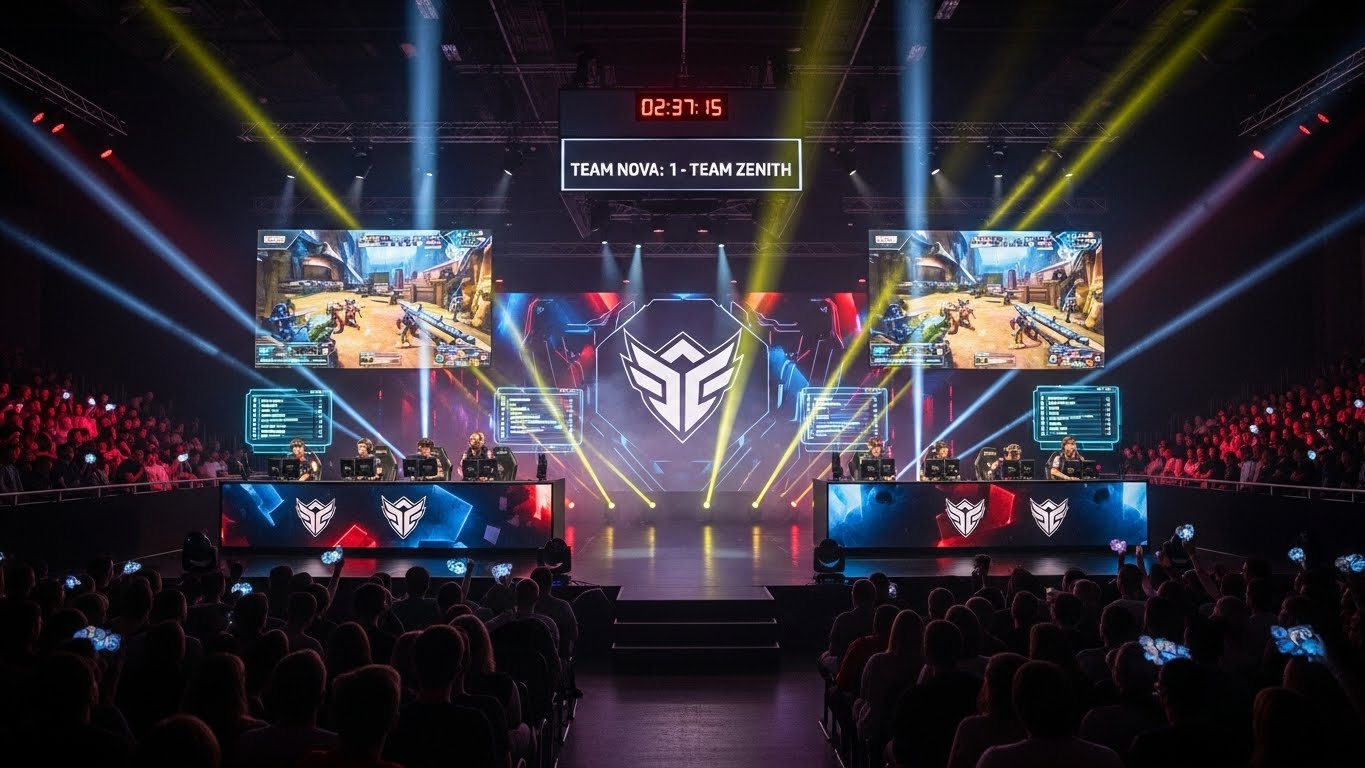
In the past few decades, the world of gaming has undergone an extraordinary transformation. What began as a recreational activity enjoyed by a small community of passionate players has evolved into one of the most influential industries on the planet—Esports. Short for “electronic sports,” Esports represents competitive video gaming on a professional level, where individuals or teams battle it out in popular titles for prestige, sponsorships, and life-changing prize money. Once dismissed as a simple hobby, Esports has grown into a multibillion-dollar enterprise that rivals traditional sports in audience size, fan engagement, and global recognition.
The Origins of Competitive Gaming
To understand the rise of Esports, one must look back to its roots. The earliest forms of competitive gaming date to the 1970s and 1980s, when arcade machines dominated entertainment spaces. The first recorded video game competition took place in 1972 at Stanford University, where players competed in “Spacewar.” The idea was simple yet revolutionary—players testing their skills against each other in a digital arena.
As technology advanced, so did the scale of competition. The 1980s saw the emergence of arcade tournaments, such as those organized by Twin Galaxies, where players set world records on games like Pac-Man and Donkey Kong. These early events established the foundation for what Esports would eventually become—a culture built around mastery, rivalry, and spectacle.
The Internet Era and the Birth of Online Competition
The 1990s marked a turning point in the history of gaming. With the advent of the internet, players could connect and compete without being in the same physical space. Titles like Doom, Quake, and StarCraft introduced online multiplayer experiences that ignited a new wave of competitive spirit.
LAN (Local Area Network) parties became popular among dedicated gamers, leading to organized tournaments where the best players showcased their skills. The QuakeCon tournaments, which began in 1996, and the Cyberathlete Professional League (CPL) in 1997, formalized the concept of professional gaming events. South Korea, in particular, embraced Esports with unparalleled enthusiasm. The country invested heavily in internet infrastructure and created a supportive ecosystem for competitive gaming. Television channels began broadcasting matches of StarCraft, turning professional gamers into celebrities.
The Global Expansion of Esports
As the 2000s unfolded, Esports expanded beyond local competitions into a truly global industry. Games like Counter-Strike, Warcraft III, and Dota became cornerstones of professional tournaments, drawing massive audiences both in-person and online. International events such as the World Cyber Games and Electronic Sports World Cup brought together players from different continents, promoting Esports as a legitimate competitive pursuit.
Streaming platforms and social media later accelerated this growth. Websites such as Twitch and YouTube Gaming provided players and organizers a way to broadcast matches to millions of fans in real time. This new accessibility created not only star players but also an entire ecosystem of casters, analysts, and content creators who contributed to Esports’ storytelling and entertainment value.
The Rise of Major Esports Titles
Certain games became the backbone of Esports, shaping its culture and audience. Each of these titles fostered dedicated communities, defined strategies, and iconic moments that helped solidify Esports as a mainstream spectacle.
League of Legends
Released in 2009 by Riot Games, League of Legends (LoL) is one of the most influential Esports titles in history. The game’s combination of fast-paced strategy and teamwork captivated millions of players worldwide. Its annual World Championship attracts massive audiences, rivaling traditional sporting events in viewership. With structured leagues like the LCS and LEC, Riot Games helped establish a stable and sustainable Esports ecosystem that supports players, teams, and sponsors alike.
Dota 2
Valve’s Dota 2 revolutionized Esports with its record-breaking tournament, The International (TI). Funded partially by community contributions, TI’s prize pools have reached tens of millions of dollars, creating life-changing opportunities for professional players. Beyond its financial scale, Dota 2 represents a culture of strategic depth, teamwork, and innovation that captivates audiences year after year.
Counter-Strike: Global Offensive
Counter-Strike has been a staple of competitive gaming for over two decades. Its emphasis on precision, tactics, and teamwork has made it one of the most enduring Esports titles. CS:GO’s competitive scene includes legendary tournaments like the Majors, which showcase intense rivalries and unforgettable plays. The game’s simplicity and spectator-friendly nature make it accessible even to newcomers.
Fortnite and the New Generation
Epic Games’ Fortnite brought a new dimension to Esports by blending casual entertainment with competitive elements. The Fortnite World Cup proved that younger players could rise to global fame, and its approachable style expanded Esports’ audience to families and children. Fortnite demonstrated how Esports could integrate pop culture, with collaborations featuring music artists, celebrities, and movies.
The Role of Technology in Esports Growth
Technology has been the driving force behind Esports’ evolution. High-speed internet, advanced graphics, and powerful gaming hardware have allowed for seamless online play and professional-level production. Streaming platforms revolutionized fan engagement, while data analytics improved player performance and strategic preparation.
Artificial intelligence and virtual reality are expected to take Esports even further. AI-powered training tools already help players analyze gameplay and refine decision-making. Virtual reality could create entirely new competitive experiences, where physical and digital movements merge to redefine competition.
The Professionalization of Esports
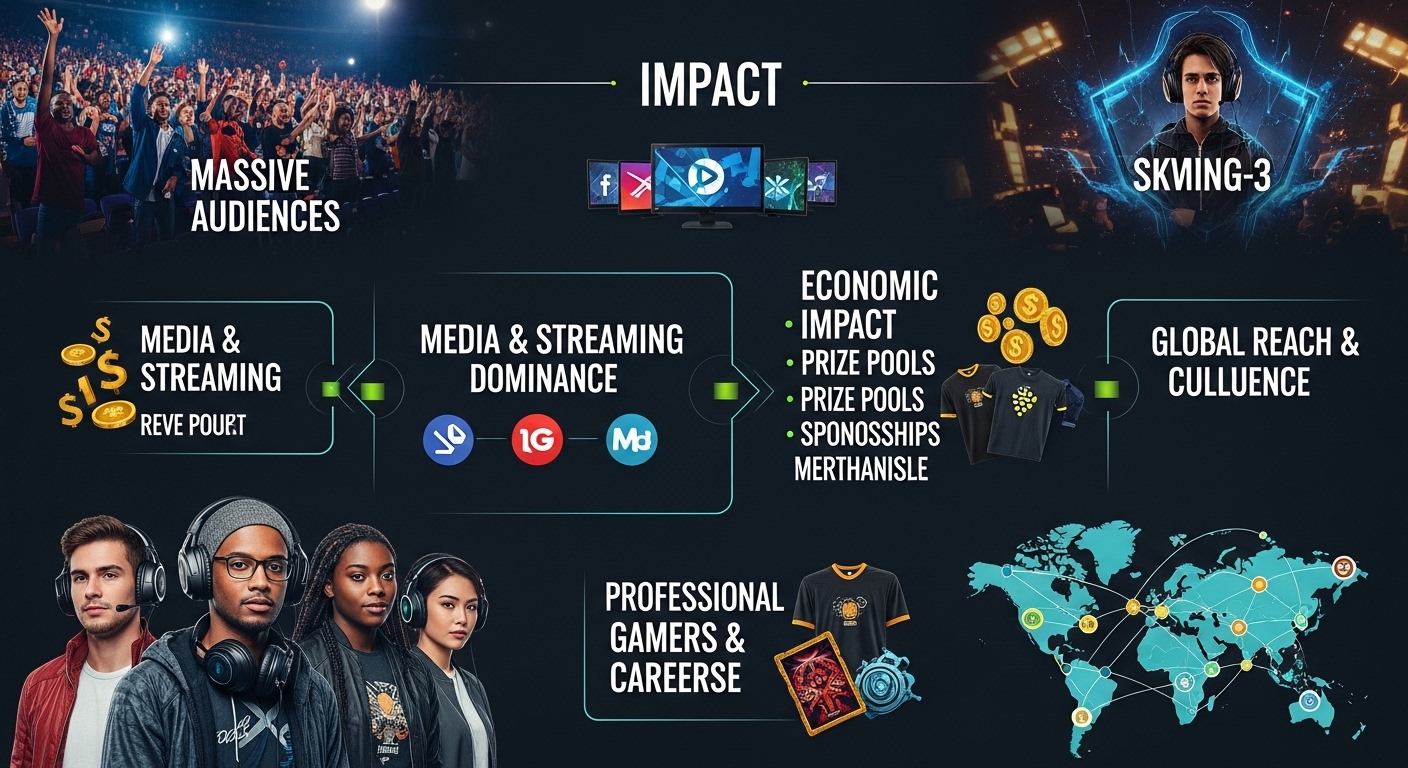
The 2010s ushered in a new era of professionalism. Esports teams began to operate like traditional sports organizations, with coaches, managers, and analysts. Players signed contracts, received salaries, and participated in brand sponsorships. Major companies recognized Esports’ marketing potential and began investing heavily, from tech giants to energy drink brands.
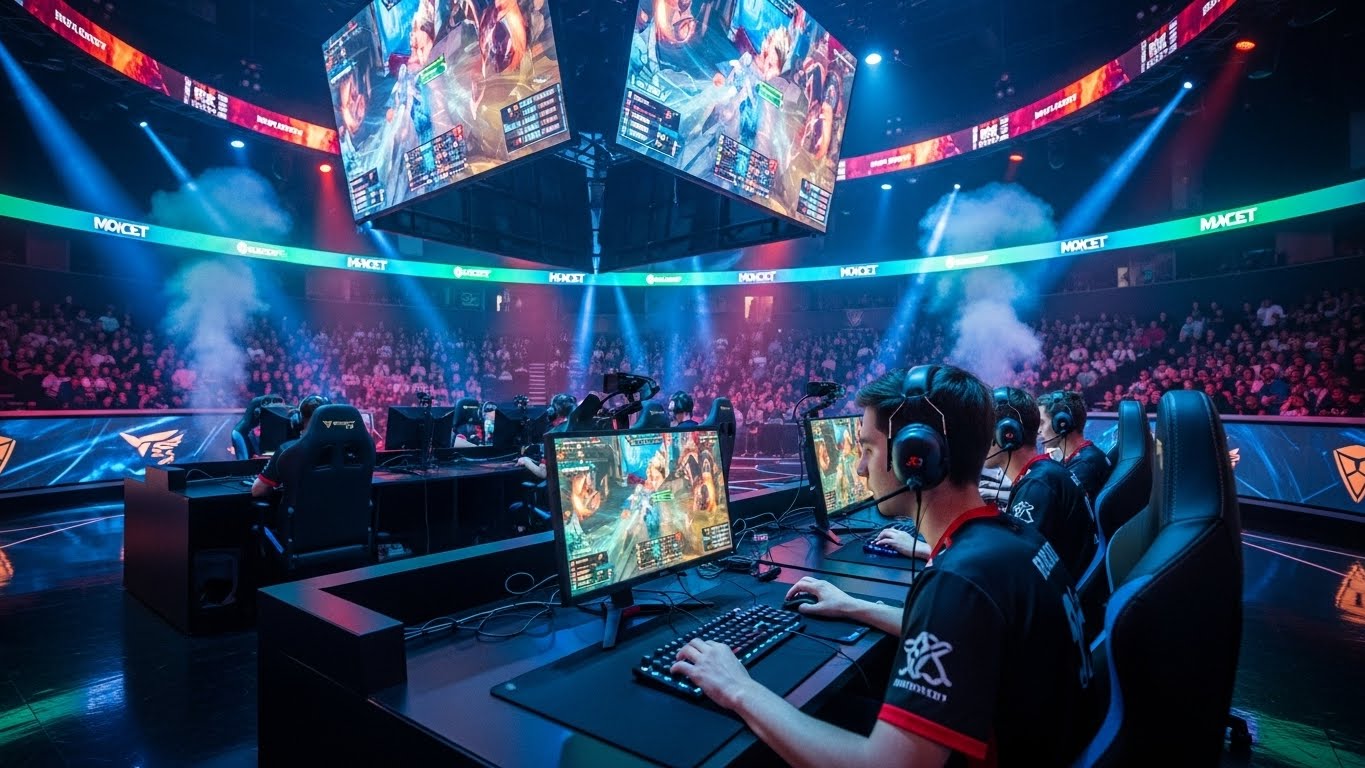
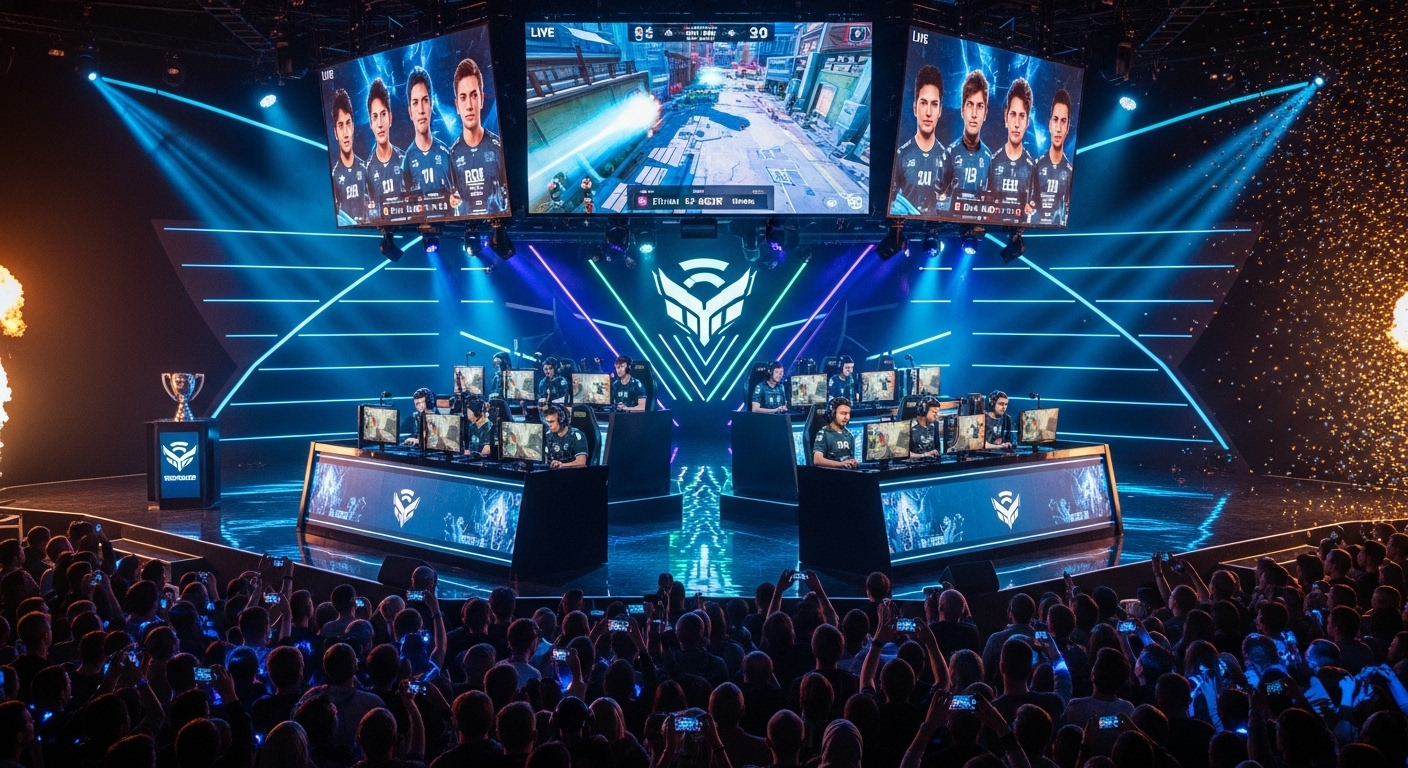
Esports arenas started to appear in cities across the world, hosting live events that drew tens of thousands of spectators. The production quality of these tournaments rivaled major sports broadcasts, featuring advanced graphics, commentary, and storytelling. This legitimized Esports not only as entertainment but as a viable career path for talented gamers.
Esports and Traditional Sports: A Growing Connection
Over the past decade, the line between Esports and traditional sports has blurred. Professional sports organizations have begun acquiring or founding Esports teams to engage younger audiences. The NBA launched the NBA 2K League, while football clubs such as Paris Saint-Germain and Manchester City invested in competitive gaming divisions.
Both industries share common ground—discipline, teamwork, strategy, and competition. Many athletes have even shown interest in gaming, recognizing Esports’ cultural impact. Conversely, Esports athletes have adopted physical and mental training routines to improve performance and longevity in their careers.
The Social and Cultural Impact of Esports
Esports is not just a competition; it’s a cultural movement. It has influenced fashion, music, and entertainment, and has created new communities that transcend geographic boundaries. For many young people, Esports represents opportunity, creativity, and belonging.
Communities form around shared passion, where fans discuss strategies, celebrate victories, and support their favorite players. Esports also promotes diversity by giving individuals from different backgrounds a platform to shine. Countries that were once isolated from traditional sports now produce world-class gaming talent, showcasing global inclusivity.
Esports events have become social gatherings, blending digital entertainment with real-world connection. Cosplay, fan art, and live performances make these events vibrant cultural festivals. This blend of creativity and competition makes Esports unique in its appeal.
Challenges Facing the Esports Industry
Despite its success, Esports faces significant challenges. One of the main issues is player burnout. The intense competition and constant travel schedules can lead to mental and physical strain. Many professional players retire at a young age, highlighting the need for better health management and long-term career support.
Another challenge is maintaining integrity within competitions. Issues such as cheating, match-fixing, and doping have occasionally tainted Esports’ reputation. Ensuring fair play through better regulation and technology is essential for maintaining trust.
Furthermore, Esports organizations must balance commercialization with community values. Over-commercialization can alienate grassroots fans who helped build the scene. Sustainable growth requires respect for both professional and amateur players, as well as investment in education and development programs.
The Future of Esports
The future of Esports appears brighter than ever. As technology continues to evolve, so will the experience of competitive gaming. Cloud gaming, faster internet speeds, and augmented reality could transform how fans interact with tournaments. Educational institutions are also embracing Esports, offering scholarships and degrees related to gaming and digital media.
Esports is also expected to play a major role in future entertainment formats. With the rise of the metaverse and virtual spaces, fans may soon attend interactive tournaments where they can participate in real-time events as avatars. The integration of blockchain technology and digital ownership could further enhance fan engagement through unique collectibles and digital rewards.
Governments and organizations around the world are beginning to recognize Esports’ economic and cultural importance. International tournaments generate tourism, jobs, and innovation, making Esports a legitimate contributor to national economies. In the coming years, Esports could even become an official event in global competitions such as the Olympics, further cementing its place in mainstream culture.
Conclusion
Esports has grown from humble beginnings into a global powerhouse that transcends entertainment. It represents the intersection of technology, creativity, and human competition. What was once dismissed as a hobby has evolved into a professional pursuit with millions of dedicated fans and players.
The journey of Esports reflects the power of digital innovation and community spirit. It has given rise to new heroes, reshaped industries, and redefined how people connect through competition. As the industry continues to expand, one thing is clear—Esports is not just the future of gaming; it is the future of sports itself.
With passion, technology, and community driving it forward, Esports stands as a symbol of the modern age—a place where skill meets creativity, and where the digital and physical worlds collide in the ultimate test of human potential.