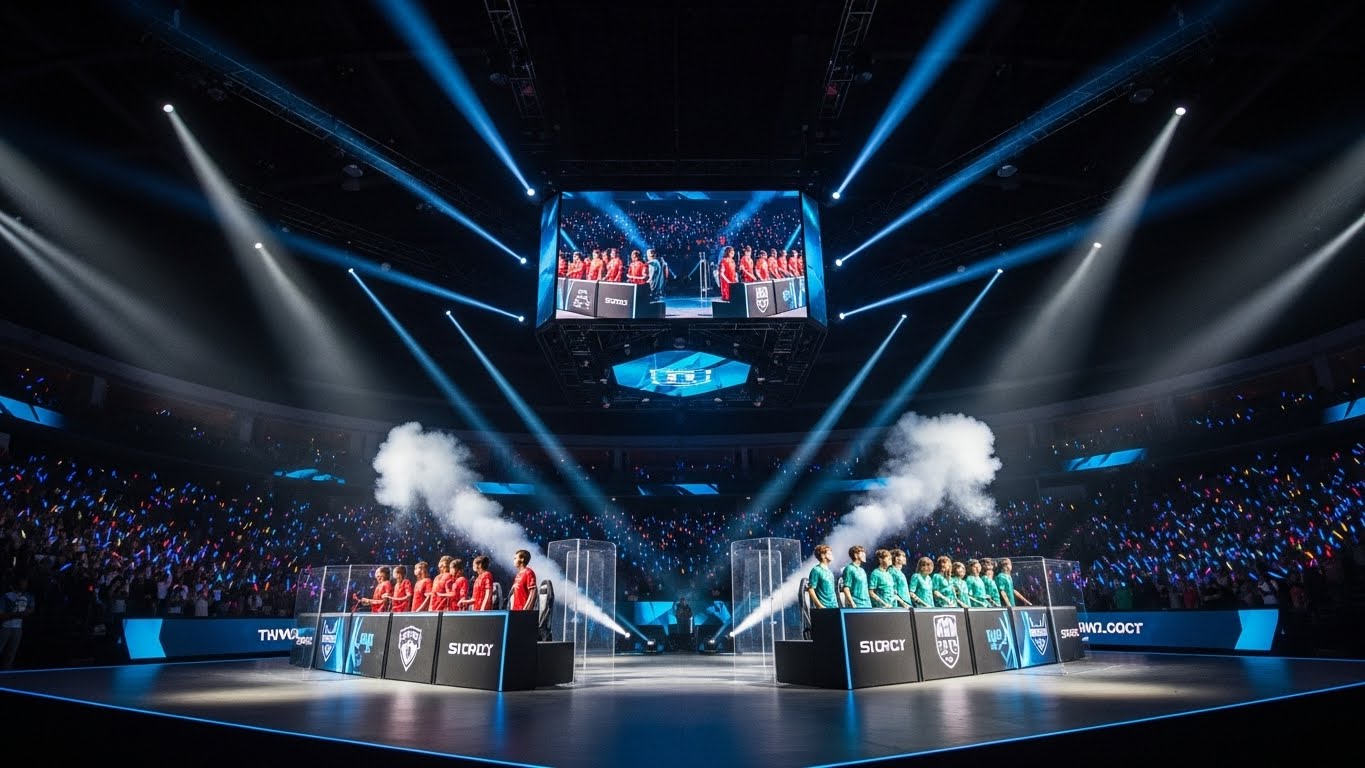
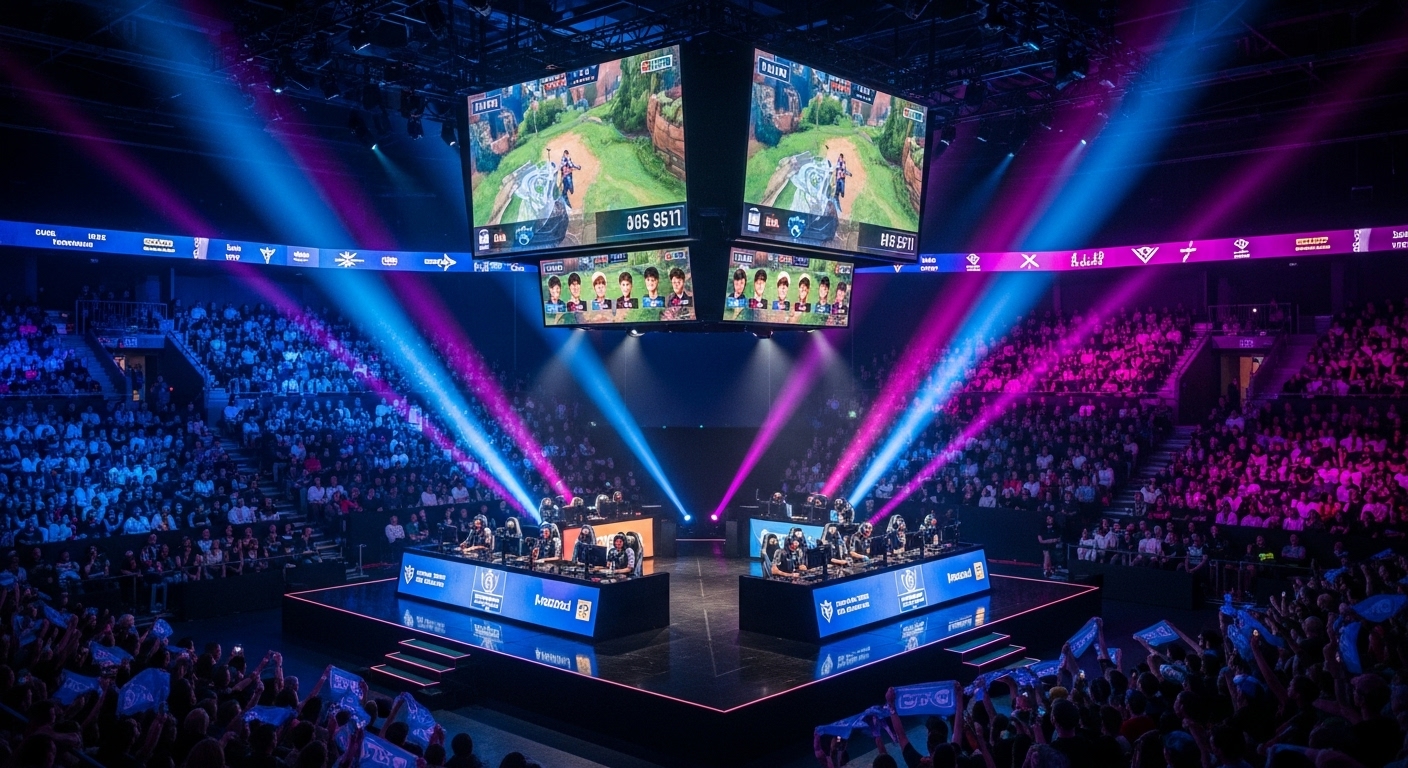
Esports, a term that once seemed niche, has rapidly evolved into a global phenomenon. What was once a hobby for a select few gamers is now a billion-dollar industry, attracting millions of viewers, sponsors, and investors alike. From tournaments with massive prize pools to full-fledged professional leagues, esports has revolutionized the world of competitive gaming. But what has contributed to this rise, and what does the future hold for this digital arena? In this blog post, we’ll explore the journey of esports, its impact on the gaming community, and the growing appeal that has placed it on par with traditional sports in the eyes of fans worldwide.
The Birth of Esports: A New Era of Competition
Esports, short for electronic sports, refers to organized, multiplayer video game competitions, particularly between professional players, individually or as teams. The history of esports can be traced back to the early days of arcade gaming in the 1980s. The first major competitive event was the 1980 Space Invaders Championship, which marked the beginning of a growing interest in competitive gaming.
However, it wasn’t until the late 1990s and early 2000s, with the rise of titles like StarCraft, Quake, and Warcraft III, that esports began to take on its current form. These games provided the necessary infrastructure for organized tournaments, with platforms like Battle.net and the launch of competitions such as the World Cyber Games and Electronic Sports World Cup.
Despite its early beginnings, esports was initially perceived as a hobby for gamers rather than a legitimate profession. However, over the years, technological advancements and the growing accessibility of the internet paved the way for the competitive gaming landscape to expand.
The Explosion of Esports: From Niche to Mainstream
Fast forward to the 2010s, and esports began to explode in popularity. Games like League of Legends, Dota 2, Counter-Strike: Global Offensive, and Overwatch gained massive followings. These titles not only had robust competitive scenes but also featured dedicated live-streaming platforms like Twitch, which helped bring esports into the mainstream.
The introduction of live-streaming was one of the most significant developments in the evolution of esports. By watching professional gamers compete live, fans were able to follow the action in real-time, creating a shared experience among global audiences. For the first time, esports wasn’t just about playing games—it became an event people could watch and follow like traditional sports.
Esports and Its Global Appeal
Esports’ appeal extends far beyond gaming communities. Today, it is a global entertainment industry with millions of fans, diverse media coverage, and sponsorships from major global brands. Competitive gaming has garnered recognition from companies like Coca-Cola, Intel, Red Bull, and even traditional sports franchises such as the Dallas Cowboys and Miami Heat, who have invested in esports teams.
One of the most important factors contributing to esports’ global appeal is its ability to transcend geographical boundaries. Unlike traditional sports, which often have regional or national barriers, esports can be played and followed globally, creating a universal community of fans and players. Tournaments, such as The International (Dota 2’s flagship tournament) and the League of Legends World Championship, attract viewers from all over the world, with live-streaming events reaching millions of viewers across multiple continents.
Professional Esports: The Making of a Career
The professionalization of esports has been one of the key drivers of its rise. What was once a group of amateurs playing for fun has now become a full-fledged career for many individuals. Esports professionals train rigorously, much like athletes in traditional sports, practicing for hours daily to refine their skills and teamwork.
Esports players are not only well-paid but also enjoy a growing level of recognition. The prize pools for major tournaments have skyrocketed, with The International Dota 2 tournament reaching prize pools of over $40 million in recent years. Other games, like CS:GO and League of Legends, have followed suit, offering millions in rewards for their best players.
Alongside players, coaches, analysts, and content creators have also found opportunities in esports. The rise of professional esports organizations—teams that compete across various games—has led to the creation of robust infrastructure, including coaches, team managers, and support staff.
Esports and Traditional Sports: A Parallel Rise
The parallels between esports and traditional sports are undeniable. From fanbases to sponsorships, esports has followed a similar trajectory to that of major league sports, albeit at a faster pace. Major brands are beginning to invest heavily in esports, understanding the immense potential it has for engaging younger audiences.
In some regions, particularly in South Korea and China, esports has already been recognized as a legitimate sport. South Korea, in particular, has been a trailblazer, with esports gaining widespread popularity and government support. In 2000, the country launched the Korean e-Sports Association (KeSPA), formalizing the structure of professional esports. Since then, the rise of StarCraft, League of Legends, and other games has cemented the country’s place as a leader in the esports scene.
Meanwhile, in the United States, esports has made significant strides with the launch of professional leagues such as the Overwatch League and Call of Duty League, both of which follow traditional sports league models, including franchised teams and regular seasons.
The Role of Streaming Platforms in Esports’ Success
One of the defining features of esports is the role of streaming platforms in expanding its reach. Platforms like Twitch, YouTube Gaming, and Facebook Gaming have allowed fans to follow their favorite players, teams, and tournaments live. Esports streams regularly attract millions of concurrent viewers, far surpassing many traditional sports events in terms of online viewership.
The shift towards digital platforms has also allowed fans to interact directly with players, creating an unprecedented level of engagement. Esports tournaments are no longer just a one-way broadcast of games—they’re interactive experiences where fans can engage with players, participate in live chats, and even influence the direction of the event through voting and other mechanisms.
This digital ecosystem has made esports more accessible and inclusive. Fans from all corners of the globe, no matter their financial background or location, can access and enjoy live esports events.
The Future of Esports: What Lies Ahead?
As esports continues to grow, what does the future hold for this digital frontier? Many experts believe that esports will continue to expand, with new games, formats, and platforms emerging regularly. The potential for esports to merge with other digital entertainment forms—like virtual reality and augmented reality—could reshape how fans experience competitions.
In addition to technological advancements, the integration of esports into traditional media could further solidify its place in mainstream culture. Major broadcasters, like ESPN, have already begun airing esports tournaments, and more media outlets are expected to follow suit as the industry continues to gain credibility.
One of the most exciting prospects for esports is its growing presence in education. Several universities around the world now offer esports scholarships and degree programs. This shift is not only providing aspiring professional gamers with academic opportunities but also opening doors for students interested in the business, coaching, and technical aspects of esports.
Conclusion
Esports has come a long way from its humble beginnings, and its trajectory shows no signs of slowing down. As technology continues to advance, the future of esports looks incredibly promising, with more opportunities for players, teams, and fans alike. Whether it’s through thrilling tournaments, professional leagues, or even educational pathways, esports has firmly established itself as a dominant force in global entertainment.
For those who love gaming, esports offers a new world of possibilities, where passion, skill, and competition come together to create a unique and exciting experience. And as the digital age continues to unfold, esports will undoubtedly remain a powerful force shaping the future of entertainment for generations to come.