Introduction: The Digital Revolution in Competition
In the last decade, esports has transformed from a niche hobby into a global phenomenon. Competitive gaming, known as esports, has captured the attention of millions of players, fans, and investors worldwide. Unlike traditional sports, esports exists entirely in the digital realm, yet it requires the same level of skill, dedication, and strategy. Players compete professionally in a variety of genres, from first-person shooters to real-time strategy games and multiplayer online battle arenas. Beyond entertainment, esports is shaping culture, education, and technology, redefining what it means to compete in the modern age.
Understanding Esports: More Than Just Gaming
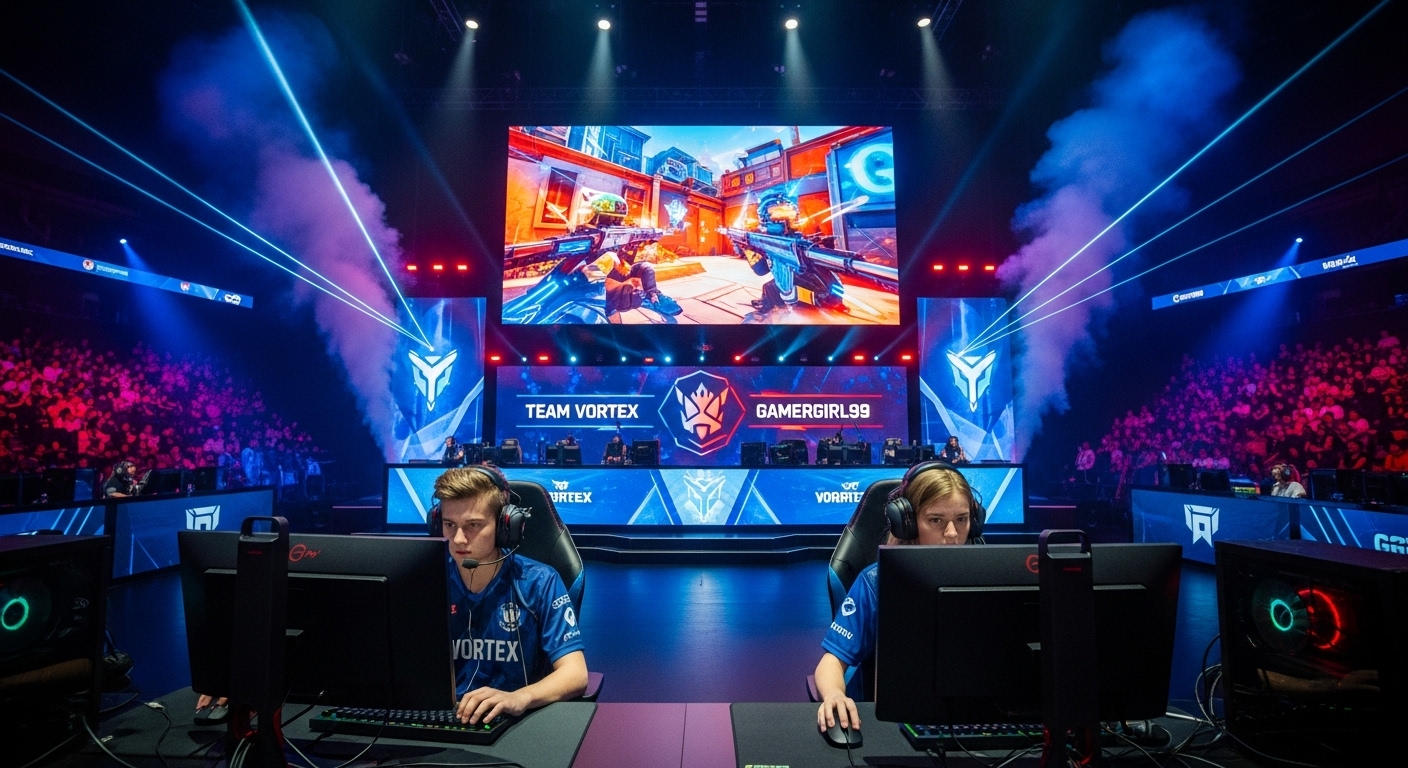
Esports is not merely playing video games casually; it is professional competitive gaming that demands exceptional skill and dedication. Players participate in tournaments, leagues, and international championships, often practicing for hours each day. Games such as League of Legends, Dota 2, Counter-Strike, Valorant, and Fortnite have created entire competitive ecosystems with teams, coaches, analysts, and broadcast professionals.
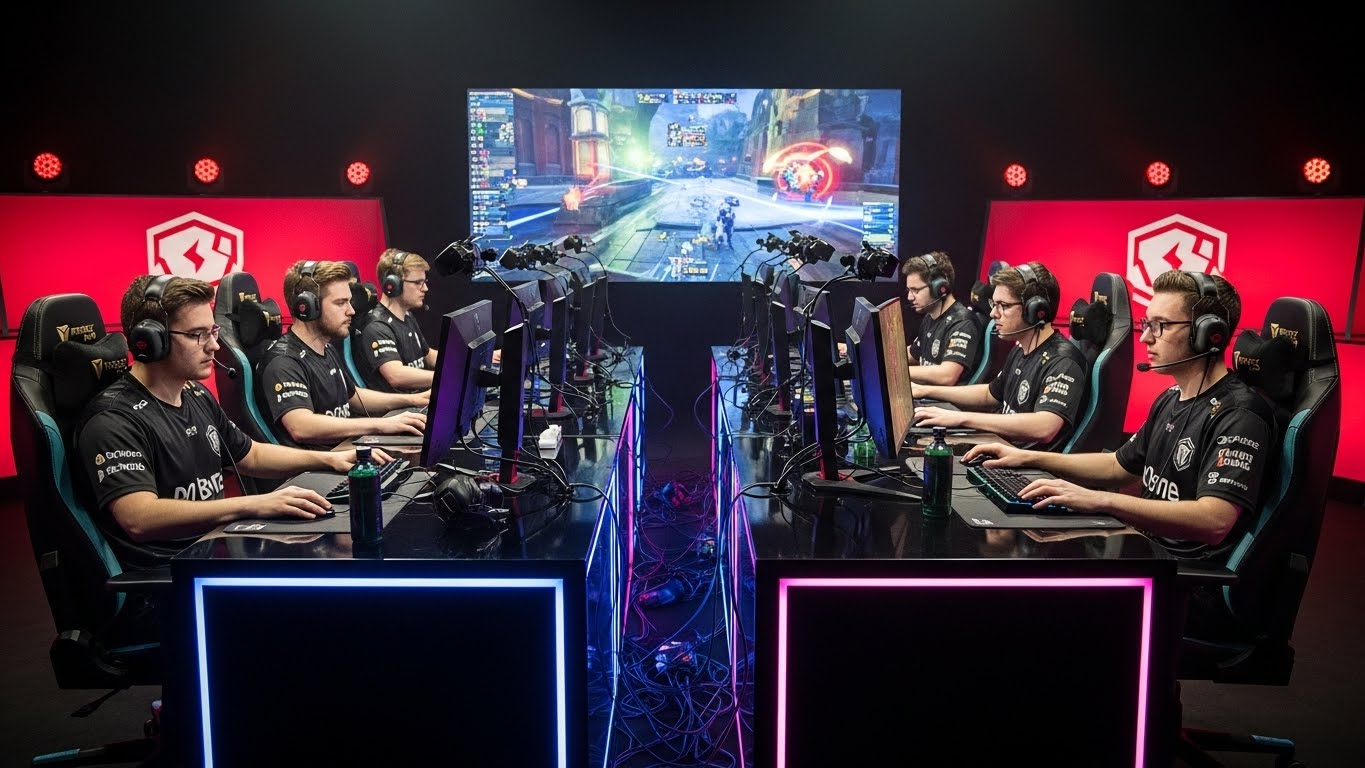
Professional esports players approach their craft like traditional athletes. Success relies on precision, strategy, reflexes, and teamwork. The intensity of competition demonstrates that esports is more than a pastime; it is a discipline requiring focus, mental agility, and resilience.
The Life of an Esports Athlete
The daily routine of a professional esports player is highly structured. Training sessions often last several hours, with teams reviewing past games, strategizing, and practicing in simulated scenarios. Physical fitness is increasingly emphasized, as it improves reaction time, endurance, and mental clarity. Nutrition, sleep, and exercise are integral to peak performance.
Mental strength is equally important. Players must manage stress, maintain focus under pressure, and quickly adapt to unexpected in-game developments. Many esports professionals undergo coaching in both game strategy and psychological preparation. This combination of physical and mental training highlights the seriousness and professionalism of competitive gaming.
Teamwork and Communication: Keys to Success
Esports is often a team-based endeavor. Multiplayer games require coordination, communication, and trust among players. Each team member has specific roles, responsibilities, and strategies that must align for the group to succeed. Effective communication during high-pressure moments can be the difference between victory and defeat.
Participation in team-based esports cultivates essential life skills. Players learn collaboration, leadership, conflict resolution, and decision-making under pressure. These skills transfer to real-world scenarios, including professional and social settings, demonstrating that esports fosters personal development beyond gaming.
Social Engagement and Community
One of the most compelling aspects of esports is its social dimension. Online platforms connect players and fans from around the world, creating inclusive and diverse communities. Fans interact with their favorite teams and players through live streaming, commentary, and online forums, forming a sense of shared identity and belonging.
Esports events often become cultural gatherings. Fans celebrate victories, discuss strategies, and participate in community activities, fostering social bonds that transcend geography. In a digital era where traditional social interaction is evolving, esports offers a unique space for connection and collaboration.
Educational Opportunities Through Esports
Esports is increasingly recognized for its educational value. Strategic thinking, quick decision-making, teamwork, and time management are critical skills cultivated through competitive gaming. Schools and universities have begun offering esports programs, scholarships, and courses designed to prepare students for careers in gaming, technology, and digital media.
Participating in esports helps students develop problem-solving abilities, leadership, and adaptability. Players often engage with complex game mechanics and strategies that enhance cognitive skills. Beyond gaming, these experiences equip young people with capabilities applicable in careers across industries.
Economic Impact of Esports
The esports industry has grown into a multi-billion-dollar market. Professional tournaments attract millions of viewers, generating revenue through sponsorships, advertising, merchandise, and broadcasting rights. Major competitions, such as the League of Legends World Championship or The International for Dota 2, feature prize pools in the millions, highlighting the professionalization and seriousness of esports.
Beyond professional play, esports drives economic activity at local and regional levels. Gaming cafes, training facilities, equipment manufacturers, and event organizers all benefit from the growing popularity of competitive gaming. Cities hosting tournaments experience tourism boosts, benefiting hotels, restaurants, and local businesses. This economic significance establishes esports as a major contributor to modern entertainment economies.
Technology and Innovation in Esports
Technology underpins every aspect of esports. High-performance gaming rigs, specialized peripherals, streaming platforms, and analytical software enhance both competition and fan engagement. Virtual reality, augmented reality, and artificial intelligence are beginning to influence gameplay and viewing experiences, creating immersive and innovative ways to interact with esports.
Analytics and performance tracking allow teams to refine strategies, improve efficiency, and gain competitive advantages. Digital platforms also enable global audiences to watch matches live, participate in discussions, and access content from anywhere in the world. Technology ensures that esports remains cutting-edge, interactive, and accessible.
Entertainment Value and Fan Engagement
Esports has redefined entertainment in the digital era. Fans watch live tournaments, follow content creators, and engage with communities surrounding their favorite games and teams. The narratives of rivalry, strategy, and teamwork create compelling stories that rival traditional sports.
Streaming platforms and social media amplify engagement, allowing fans to interact directly with players, discuss game tactics, and participate in live events. This level of interaction makes esports dynamic, participatory, and culturally significant, offering experiences beyond passive entertainment.
Challenges in Esports: Health and Balance
Despite its popularity, esports presents unique challenges. Intense competition, long practice hours, and public scrutiny can lead to stress, fatigue, and burnout. Mental health has become a focus in professional esports, with organizations implementing counseling, wellness programs, and rest schedules to support players.
Maintaining balance between gaming, education, work, and personal life is essential. Successful esports professionals cultivate routines that include physical activity, proper nutrition, mental relaxation, and social interaction, ensuring sustainability and long-term performance.
Cultural Influence of Esports
Esports is reshaping global culture. It has made competitive gaming mainstream, inspired digital content creation, and created new forms of celebrity. Professional players and streamers influence trends in fashion, music, and online culture, reflecting the convergence of gaming and entertainment.
The cultural impact also extends to inclusivity. Success in esports depends on skill, strategy, and teamwork rather than age, gender, or physical ability. This creates an environment that values talent and merit, challenging traditional assumptions about competition and participation.
Major Esports Events and Global Significance
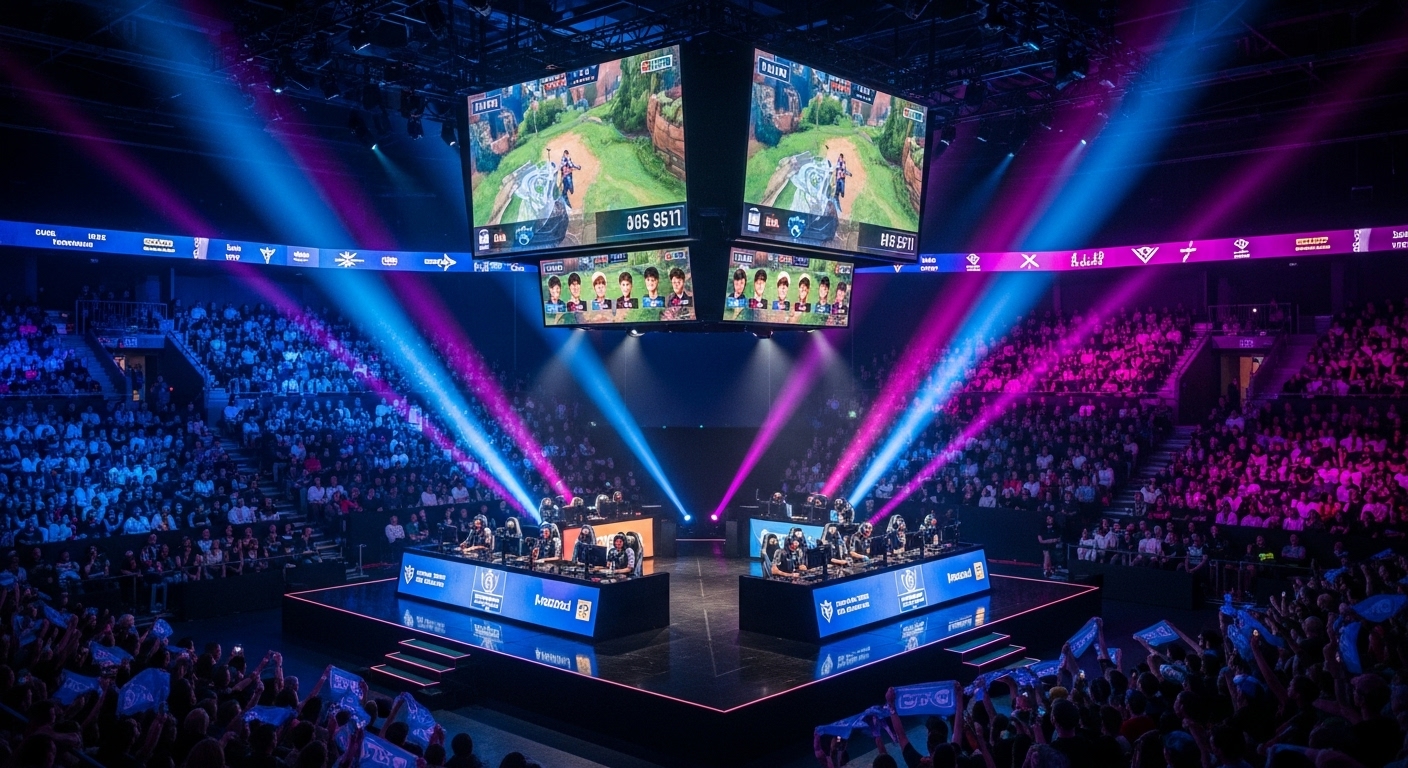
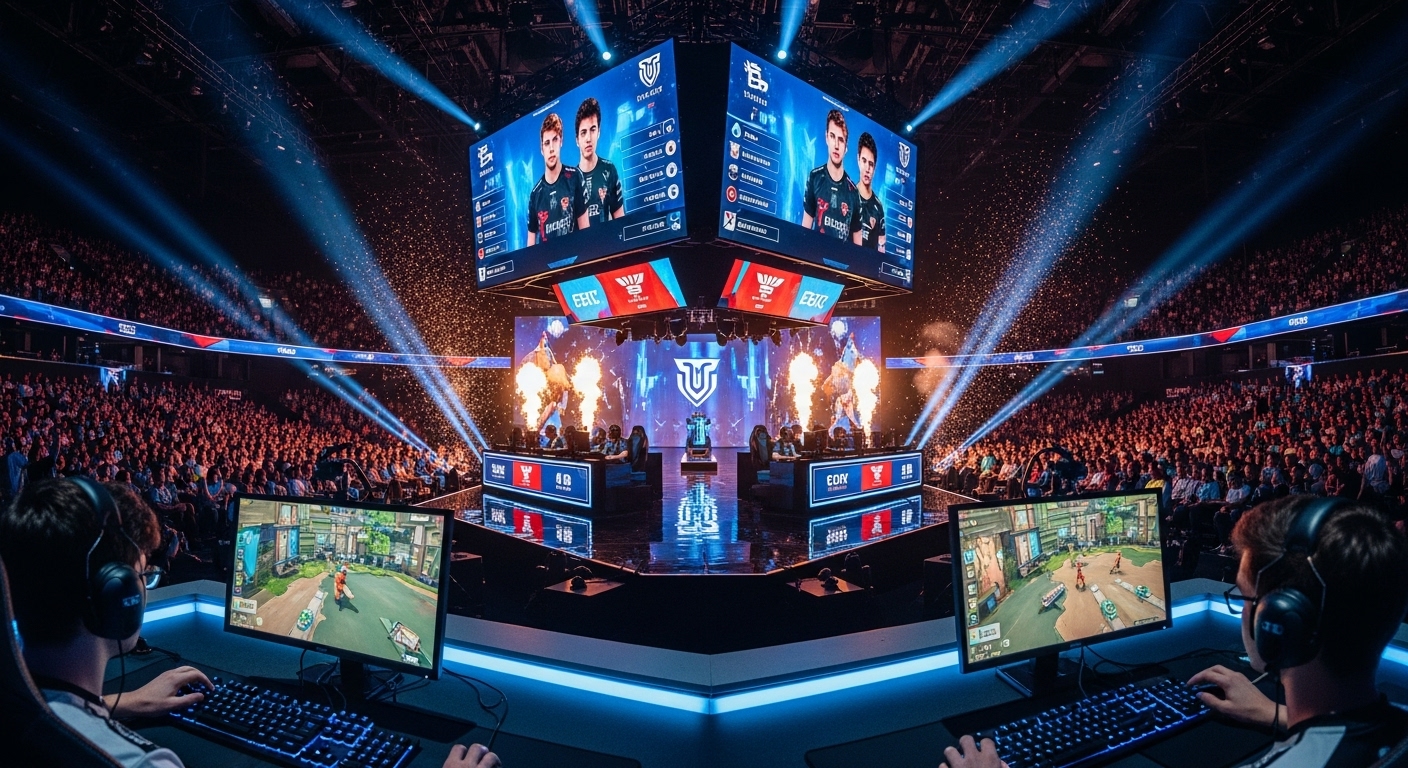
Tournaments are central to the esports experience. Competitions like the Fortnite World Cup, Overwatch League Finals, and Call of Duty League attract global audiences and offer substantial prize money. These events are not only competitive but also celebratory, bringing players, fans, and media together to honor achievement and skill.
Major events foster international camaraderie and shared experiences. Fans follow live broadcasts, cheer for their favorite teams, and engage in community discussions, reinforcing the cultural significance of esports as a global phenomenon.
The Future of Esports
The future of esports is dynamic and promising. Technological advancements such as virtual reality, cloud gaming, and artificial intelligence will enhance both competition and audience engagement. Investment in esports from corporations, educational institutions, and media companies will continue to expand opportunities for players, content creators, and entrepreneurs.
Esports is expected to become increasingly mainstream, bridging the gap between digital and traditional entertainment. As the industry evolves, it will continue to redefine global competition, social interaction, and cultural trends.
Conclusion: Esports as a Cultural and Competitive Force
Esports is more than just video gaming; it is a cultural revolution that blends competition, technology, and entertainment. It challenges traditional ideas of sports, fosters personal and professional growth, and builds global communities. Esports teaches strategy, teamwork, resilience, and adaptability, while offering opportunities for economic growth, education, and social engagement.
Whether as a player, fan, or professional, involvement in esports provides lessons in dedication, collaboration, and perseverance. Esports demonstrates the power of digital platforms to unite people, celebrate talent, and redefine the meaning of competition in the modern world. In the digital era, esports is not merely a game; it is a reflection of human ingenuity, ambition, and cultural evolution.