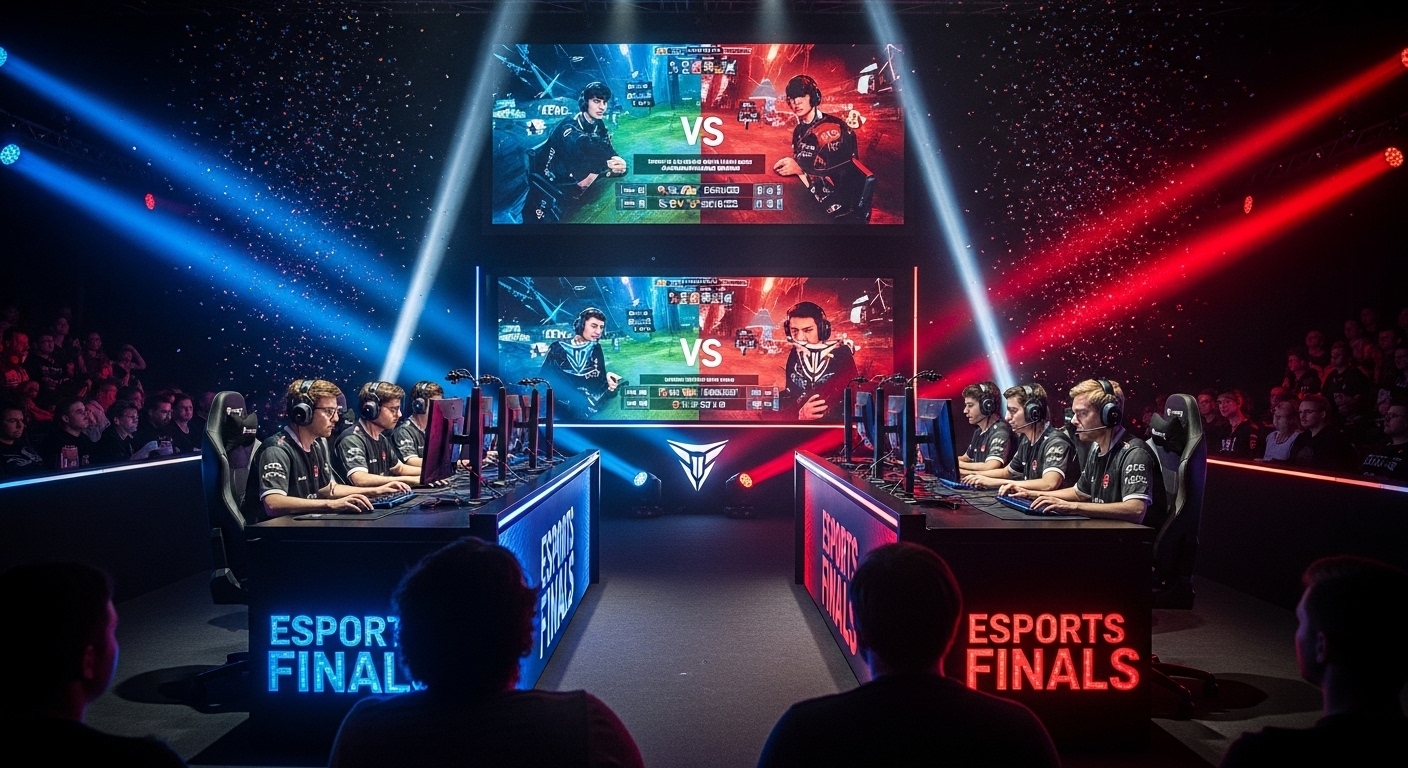
Over the past two decades, esports has gone from a niche hobby to a global entertainment powerhouse, captivating millions of viewers, players, and investors alike. What once started as a subculture within the gaming community has now become an industry worth billions of dollars, rivaling even traditional sports in terms of viewership and engagement. In this blog post, we will explore how esports has evolved from casual competitions into a mainstream spectacle, the factors contributing to its rapid growth, and the future of competitive gaming.
The Origins of Esports: A Competitive Spark
The story of esports begins with the dawn of online gaming. While video games themselves have been around since the 1970s, it wasn’t until the late 1990s and early 2000s that competitive gaming truly started to take shape. Early multiplayer games like Quake, StarCraft, and Counter-Strike laid the foundation for what would eventually evolve into esports. These games were designed with competitive play in mind, and the rise of broadband internet made it possible for gamers to compete with others from across the globe.
Esports, in its earliest form, was often informal and based around local-area network (LAN) parties. These were gatherings of gamers who would physically bring their computers to a venue, connect them to a local network, and battle it out in multiplayer games. These events, though small in scale, created the first sparks of a competitive gaming culture. As internet infrastructure improved and broadband access became more widespread, it became easier for people to compete in online tournaments. While the prize pools were modest by today’s standards, these early tournaments set the stage for esports as a professional industry.
The Rise of Streaming Platforms: A New Era for Esports
One of the most significant milestones in the rise of esports was the development of streaming platforms. While traditional sports had long relied on television networks to broadcast their games, esports found its home on platforms like Twitch, YouTube, and Facebook Gaming. These platforms allowed gamers to live-stream their matches and tournaments, giving fans a direct connection to the action. The ability to watch games in real-time from the comfort of one’s own home transformed the esports landscape.
Twitch, launched in 2011, quickly became the leading platform for live gaming content, including esports competitions. It allowed players and teams to broadcast their gameplay to a global audience, providing both fans and sponsors with the ability to engage with the content. Viewers could watch the tournaments unfold, interact with the streamers through chat, and support their favorite players. The integration of donations, subscriptions, and advertisements also created new revenue streams for streamers and tournament organizers, helping to fuel the growth of the industry.
Streaming platforms brought esports to the masses, making it possible for anyone with an internet connection to watch live competitions. This accessibility was key to transforming esports from a niche hobby to a global entertainment phenomenon. It also allowed esports to create a more interactive viewing experience. Fans could communicate directly with the players, coaches, and other fans, fostering a sense of community that traditional sports struggled to replicate.
The Professionalization of Esports: A Global Industry
As esports began to gain traction, the need for structure and organization became evident. No longer could esports be considered just a casual pastime; it was turning into a fully-fledged industry with sponsorship deals, professional teams, and large-scale tournaments. Esports organizations such as Team Liquid, Cloud9, and FaZe Clan emerged, signing players, coaches, and analysts to form highly competitive teams across multiple games. These organizations became brands in themselves, with millions of followers across social media platforms, and began securing sponsorship deals from major corporations such as Intel, Coca-Cola, and Red Bull.
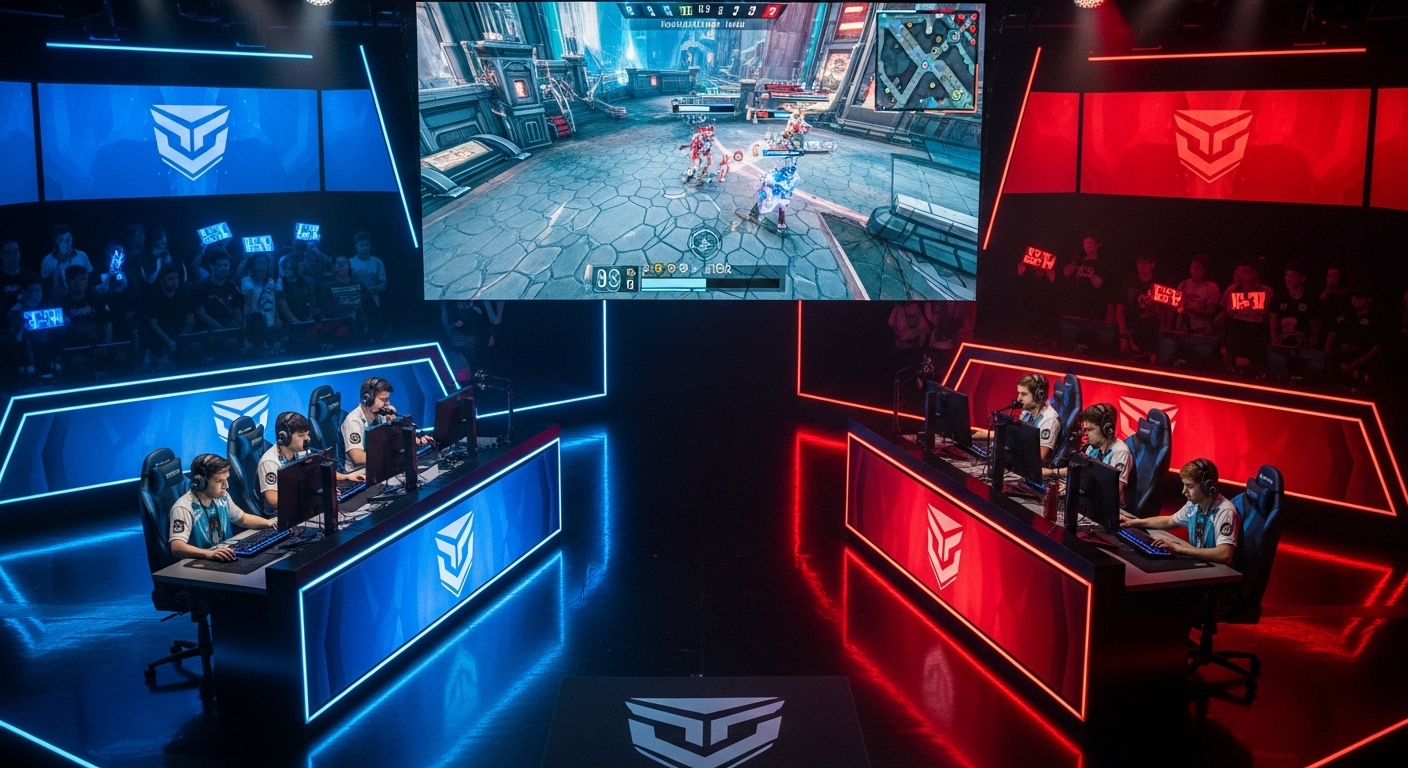
This professionalization of esports is reflected in the development of competitive leagues and tournaments. Major games like League of Legends, Dota 2, Overwatch, and CS:GO have their own dedicated professional leagues with regular seasons, playoffs, and championships. These events feature high-level competition between some of the world’s best players, with prize pools that can reach millions of dollars. For example, The International, the premier Dota 2 tournament, has offered prize pools exceeding $40 million, making it one of the richest esports events in history.
The scale of these tournaments has continued to grow, with esports events filling large arenas and stadiums, sometimes even surpassing traditional sports events in attendance and viewership. In 2020, the League of Legends World Championship attracted more than 100 million unique viewers, a staggering figure that demonstrates the global appeal of esports. With millions of people tuning in from around the world to watch high-level competition, it’s clear that esports is no longer just a hobby; it is now a legitimate form of entertainment.
Esports and Sponsorships: A Symbiotic Relationship
Sponsorships are one of the main drivers behind the rapid growth of the esports industry. In the early days of esports, sponsorships were limited to gaming hardware and software companies, such as Intel, Razer, and Alienware. However, as the popularity of esports grew, so did the types of companies willing to invest in the industry. Today, you’ll see sponsorships from major brands outside the gaming sector, including beverage companies, automotive brands, and even financial institutions. Companies like Coca-Cola, Nike, and Mercedes-Benz are now heavily invested in esports, seeing it as a way to reach a young, tech-savvy demographic.
The symbiotic relationship between esports and sponsors is clear. Esports organizations and tournament organizers need funding to run large-scale events, pay players, and maintain their operations, while sponsors benefit from the exposure they receive through the visibility of esports events. Sponsorships in esports are not just limited to teams and tournaments; brands are also engaging with the community itself. Streamers and influencers who have built massive followings on platforms like Twitch and YouTube are often approached by companies for endorsement deals and brand partnerships, further blurring the lines between entertainment and marketing.
In addition to traditional sponsorships, esports organizations also rely on revenue from merchandise sales. Fans of esports teams often purchase jerseys, hats, and other branded products to support their favorite players and organizations. This creates an additional revenue stream that helps sustain esports teams and players, ensuring that the industry can continue to grow and thrive.
Esports and Its Cultural Impact: More Than Just a Game
The rise of esports has had a profound impact on gaming culture and the broader entertainment landscape. In the past, video gaming was often seen as a solitary activity, something that people did alone in their bedrooms or living rooms. Today, esports has turned gaming into a social activity, with players, fans, and streamers connecting across the globe. The culture surrounding esports is vibrant, diverse, and highly interactive.
The rise of esports has also contributed to the normalization of gaming as a legitimate career path. Professional gamers, coaches, analysts, and content creators are now seen as legitimate professionals. Streaming platforms like Twitch have allowed gamers to turn their passion into a full-time job, and many players are able to earn substantial salaries through tournament winnings, sponsorships, and streaming revenue. In fact, some esports players make more money than athletes in traditional sports, further blurring the lines between gaming and professional sports.
Esports has also contributed to the rise of a new generation of celebrities. Players like Faker, Ninja, and Shroud are not only household names within the gaming community but have also become mainstream celebrities, with millions of followers across social media. These players have built brands around their names and have transcended the world of gaming to appear in commercials, TV shows, and even music videos. This level of celebrity is similar to what athletes experience in traditional sports, and it shows how esports has evolved into a fully recognized form of entertainment.
Moreover, esports has helped promote positive social interactions. Through online platforms, players from different countries, cultures, and backgrounds can interact, form friendships, and engage in healthy competition. Esports fosters a sense of belonging, and for many fans, it has become a way to connect with like-minded individuals who share similar interests and passions.
The Future of Esports: Continued Growth and Innovation
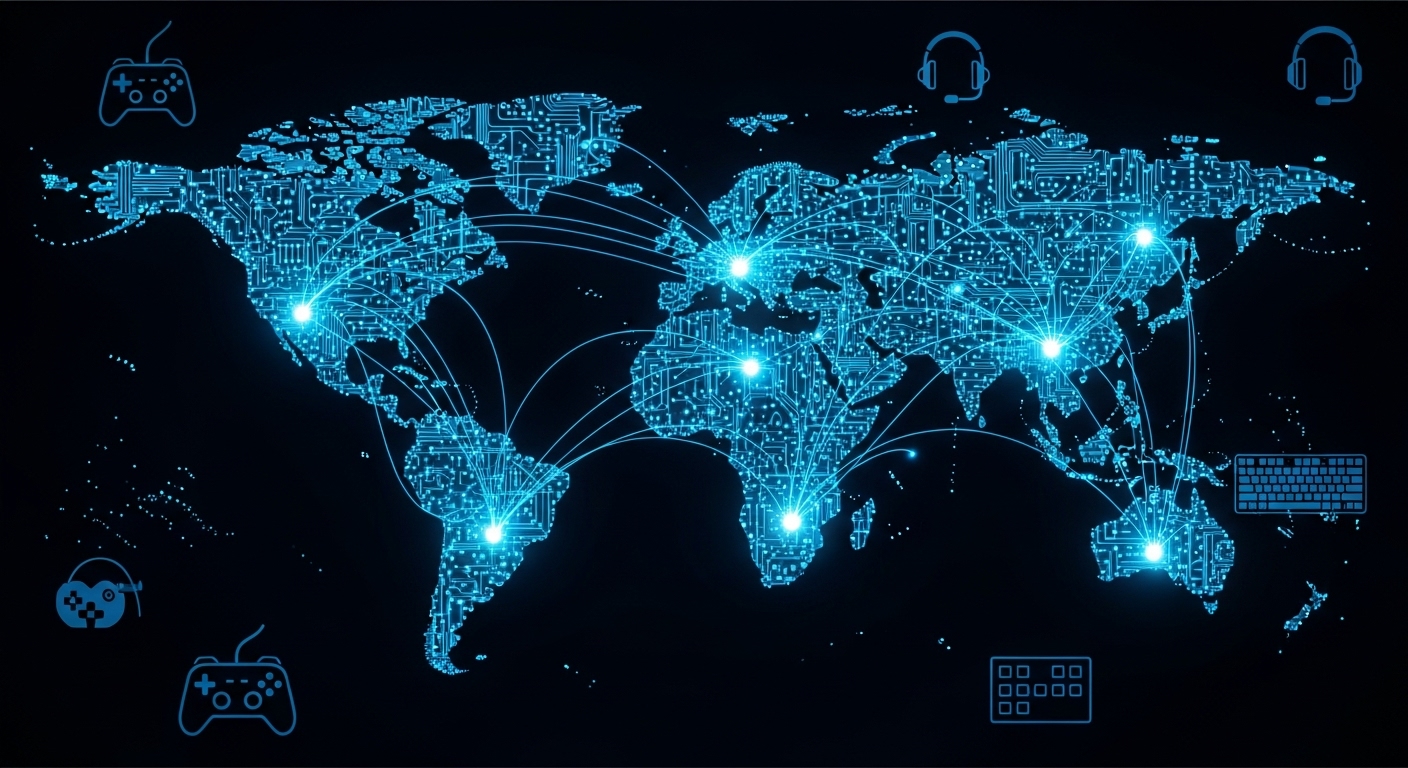
Looking ahead, the future of esports appears incredibly promising. As the industry continues to grow, we can expect to see more investment, more innovation, and more opportunities for players and fans alike. One area of potential growth is the expansion of esports into new geographic regions. While esports is already huge in regions like North America, Europe, and Asia, other areas such as Latin America, Africa, and the Middle East are beginning to embrace competitive gaming. These regions offer new opportunities for the growth of esports leagues, tournaments, and fanbases.
Technological innovations, particularly in virtual reality (VR) and augmented reality (AR), could also have a major impact on esports in the coming years. VR and AR could offer new ways for players and spectators to engage with esports competitions, making them more immersive and interactive. Imagine watching a League of Legends tournament where you can see the action from the perspective of the players themselves or even join in on the gameplay. The possibilities for innovation are endless, and as technology advances, the way we experience esports will continue to evolve.
Another key factor that will shape the future of esports is its continued integration into traditional sports and entertainment. As more traditional sports organizations and networks recognize the value of esports, we may see esports featured alongside traditional sports in major broadcasting networks, further legitimizing its status as a mainstream form of entertainment. The potential for collaboration between esports and other entertainment sectors, such as music and movies, is also high. We may one day see esports events featuring live performances, celebrity appearances, and cross-media collaborations, making them even more of a spectacle for fans to enjoy.