Introduction
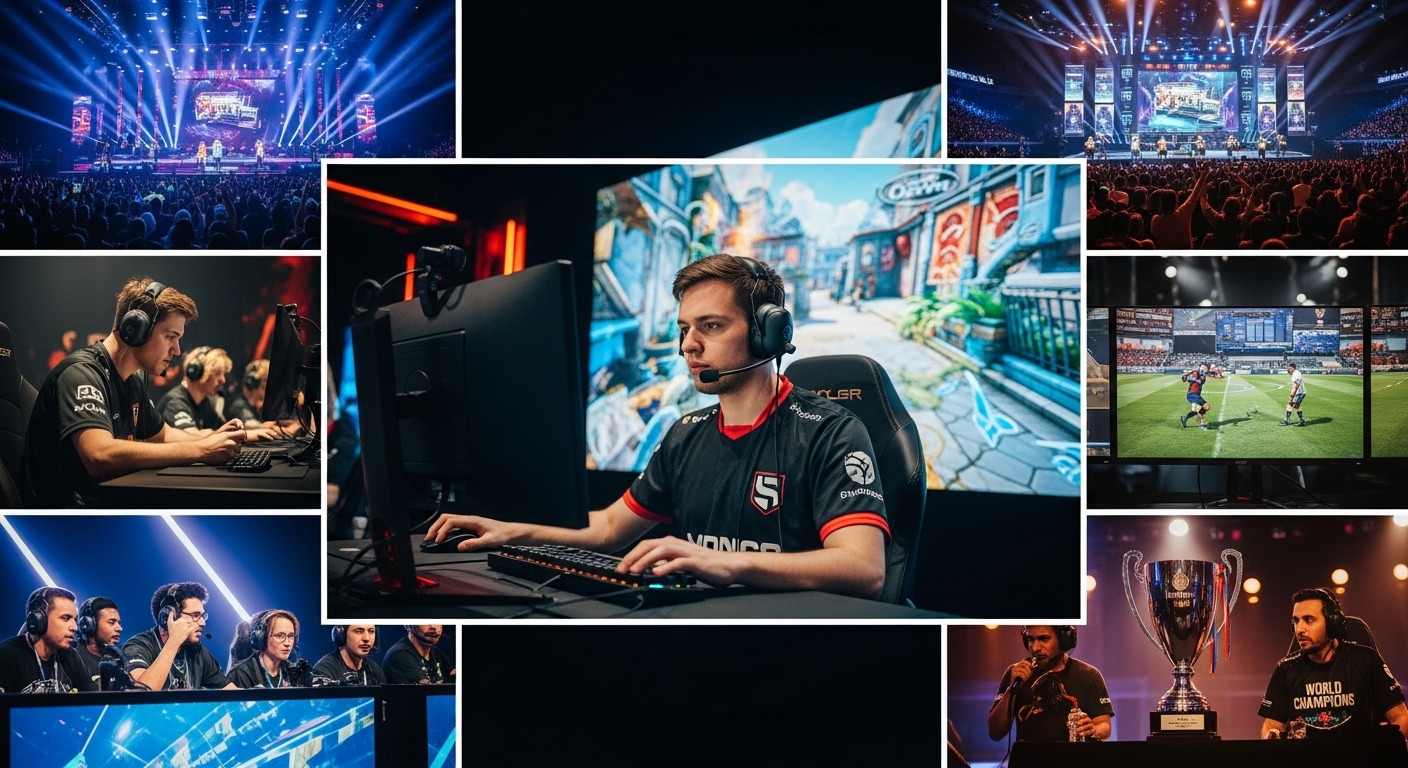
In the world of competitive sports, an unexpected revolution has occurred. While traditional sports like football, basketball, and soccer continue to dominate the landscape, another contender has risen to the forefront of entertainment: esports. Esports, or electronic sports, refers to organized multiplayer video game competitions, particularly between professional players, individually or as teams. What started as a niche hobby for a small community of gamers has evolved into a global, billion-dollar industry, with dedicated leagues, professional teams, and fans worldwide. This blog will explore the rapid rise of esports, its profound cultural impact, the business side of the industry, and the many opportunities it offers in today’s digital age.
The Birth of Esports: From Casual Gaming to Global Phenomenon
The origins of esports can be traced back to the early days of competitive video gaming in the late 20th century. In the 1970s and 1980s, arcade games like Space Invaders and Pong ignited the first sparks of organized gaming competitions. These early tournaments were modest affairs, attracting a small but enthusiastic group of players. However, it wasn’t until the late 1990s and early 2000s that esports truly began to take shape.
The emergence of games like StarCraft, Counter-Strike, and Warcraft laid the foundation for the first professional tournaments, with South Korea at the forefront of the esports revolution. The Korean government invested heavily in infrastructure to support esports, and soon, gaming became a national pastime. By the mid-2000s, esports leagues, sponsors, and players began to gain international recognition, and platforms like Twitch allowed fans to watch live-streamed competitions from the comfort of their homes.
Today, esports has become a worldwide industry. The competitive scene spans multiple genres, including first-person shooters, real-time strategy games, and multiplayer online battle arenas (MOBAs). The rise of esports has turned video games from a hobby into a full-fledged professional sport, complete with sponsorships, broadcasting deals, and large-scale tournaments offering millions of dollars in prize money.
The Appeal of Esports: Why People Watch and Play
One of the main reasons esports has gained such widespread popularity is its accessibility. Unlike traditional sports, where players need to be physically gifted, esports requires quick reflexes, strategic thinking, and deep game knowledge—qualities that anyone can develop with practice. This has created a level playing field where anyone, regardless of physical ability, can compete and potentially reach the highest levels of the sport.
The accessibility of esports also extends to its audience. Watching competitive gaming is an experience that transcends geographic and cultural boundaries. With the rise of streaming platforms like Twitch, YouTube Gaming, and Facebook Gaming, fans can watch esports tournaments in real-time from anywhere in the world. These platforms offer a unique form of entertainment, with not only gameplay but also commentary, analysis, and live interaction with players and other fans. The interaction between players and their audiences helps build a sense of community, with fans engaging in discussions, sharing memes, and supporting their favorite players.
Additionally, esports has a much lower barrier to entry for fans who want to become participants. In traditional sports, aspiring athletes often need to start at a young age, join a team, and undergo years of training to compete professionally. In contrast, anyone with access to a gaming console or a PC can start playing competitive games and, with enough dedication, rise to the top.
The Professionalization of Esports: From Hobby to Career
Esports has undergone a significant transformation from its early days as a niche hobby to a legitimate career choice. As the industry has grown, so too has the structure surrounding it. Today, esports features professional leagues, teams, coaches, analysts, and broadcasters. The most successful esports players can earn substantial salaries through tournament winnings, sponsorships, and streaming deals.
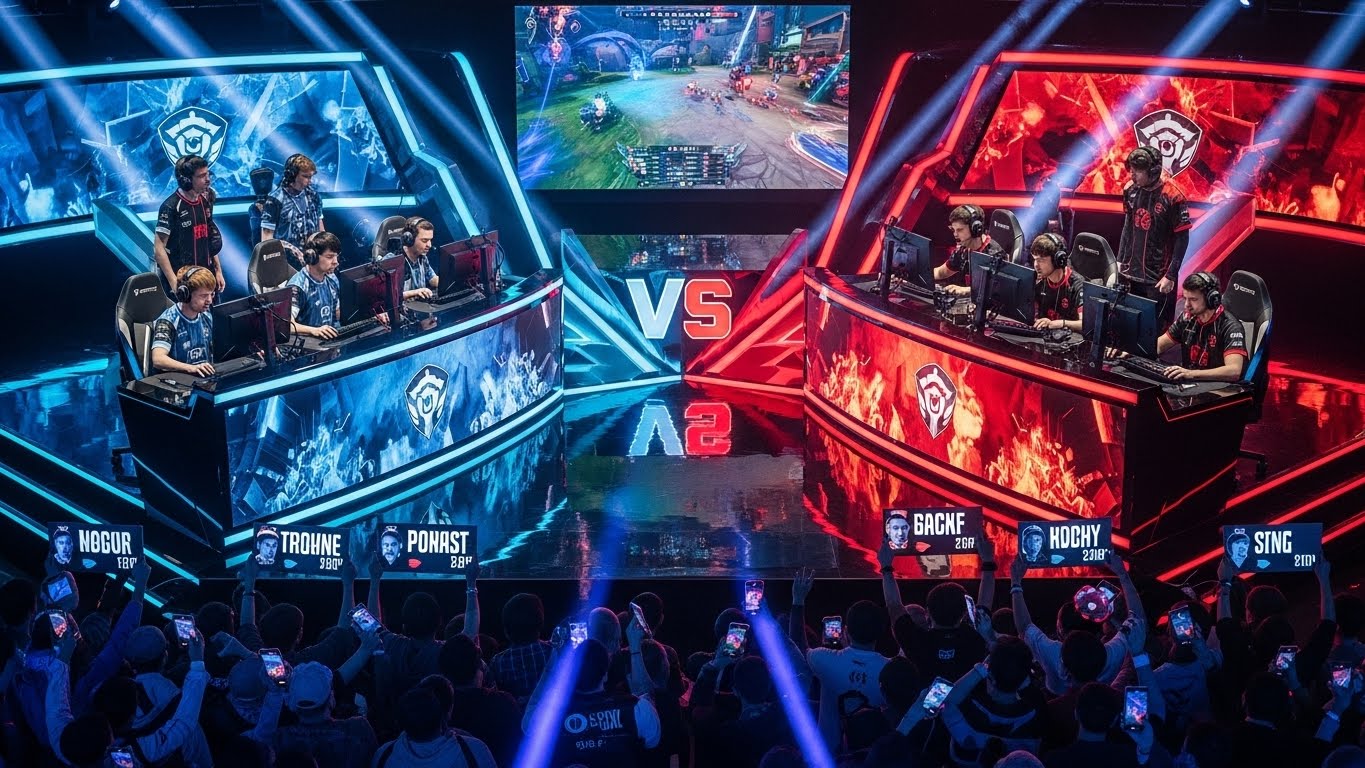
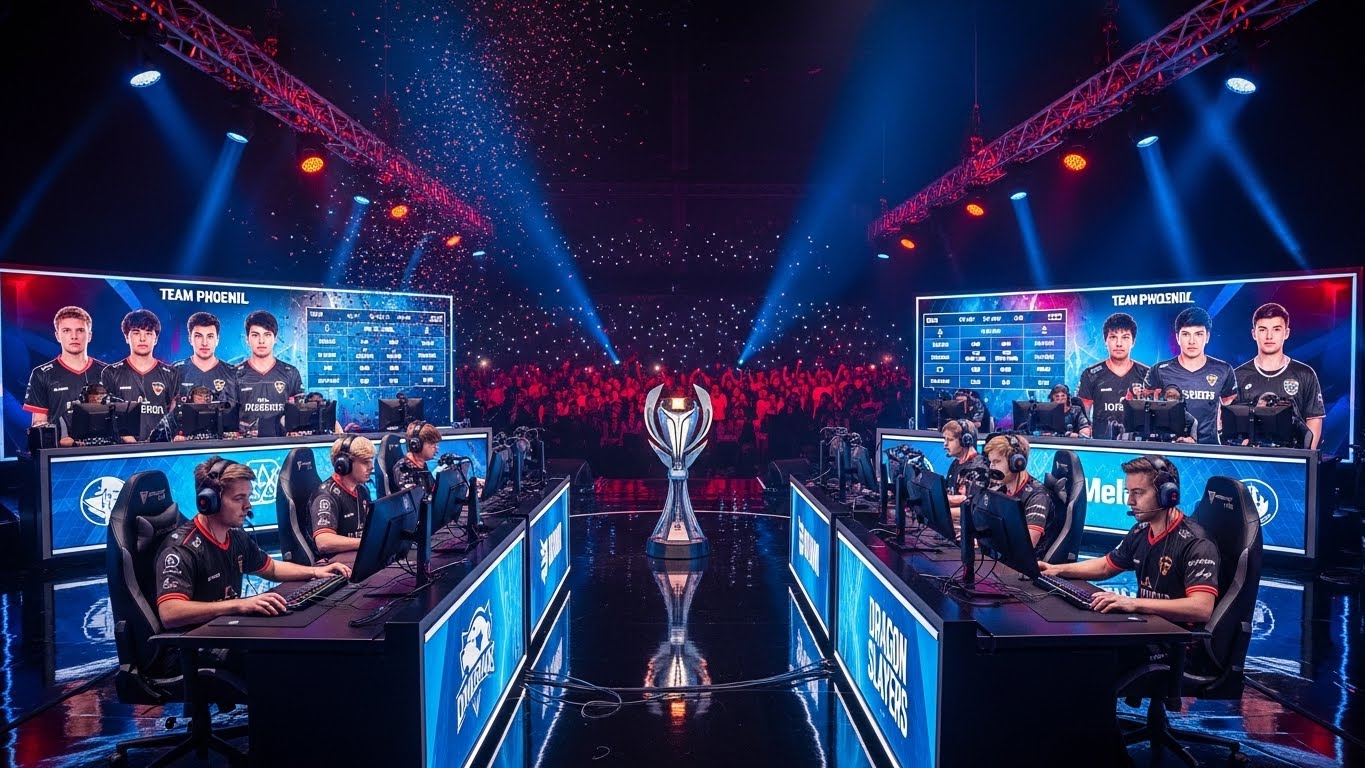
Major esports titles like League of Legends, Dota 2, Fortnite, Call of Duty, and Counter-Strike: Global Offensive have established dedicated leagues and tournaments, offering multimillion-dollar prize pools. For example, The International, a premier Dota 2 tournament, has consistently offered prize pools exceeding $30 million, with individual players taking home millions of dollars. These tournaments are watched by millions of fans and are often broadcasted on mainstream media outlets, with major companies like Intel, Coca-Cola, and Red Bull sponsoring events and players.
While the path to professional esports stardom is no different from traditional sports in terms of skill and dedication, it is often shorter. Many players begin competing at a young age, spending hours each day honing their skills. Professional gamers have become athletes in their own right, with coaching staffs, physical trainers, psychologists, and nutritionists to help them maintain peak performance.
Beyond competitive play, esports offers various career opportunities. Commentators, analysts, and broadcasters are essential to the esports ecosystem, providing expert insights, play-by-play commentary, and entertainment. Content creators also play a significant role, creating online content for platforms like YouTube, while event organizers, team managers, and digital marketers ensure that the esports world remains operational and thriving.
The Business of Esports: Sponsorships, Media Rights, and Merchandising
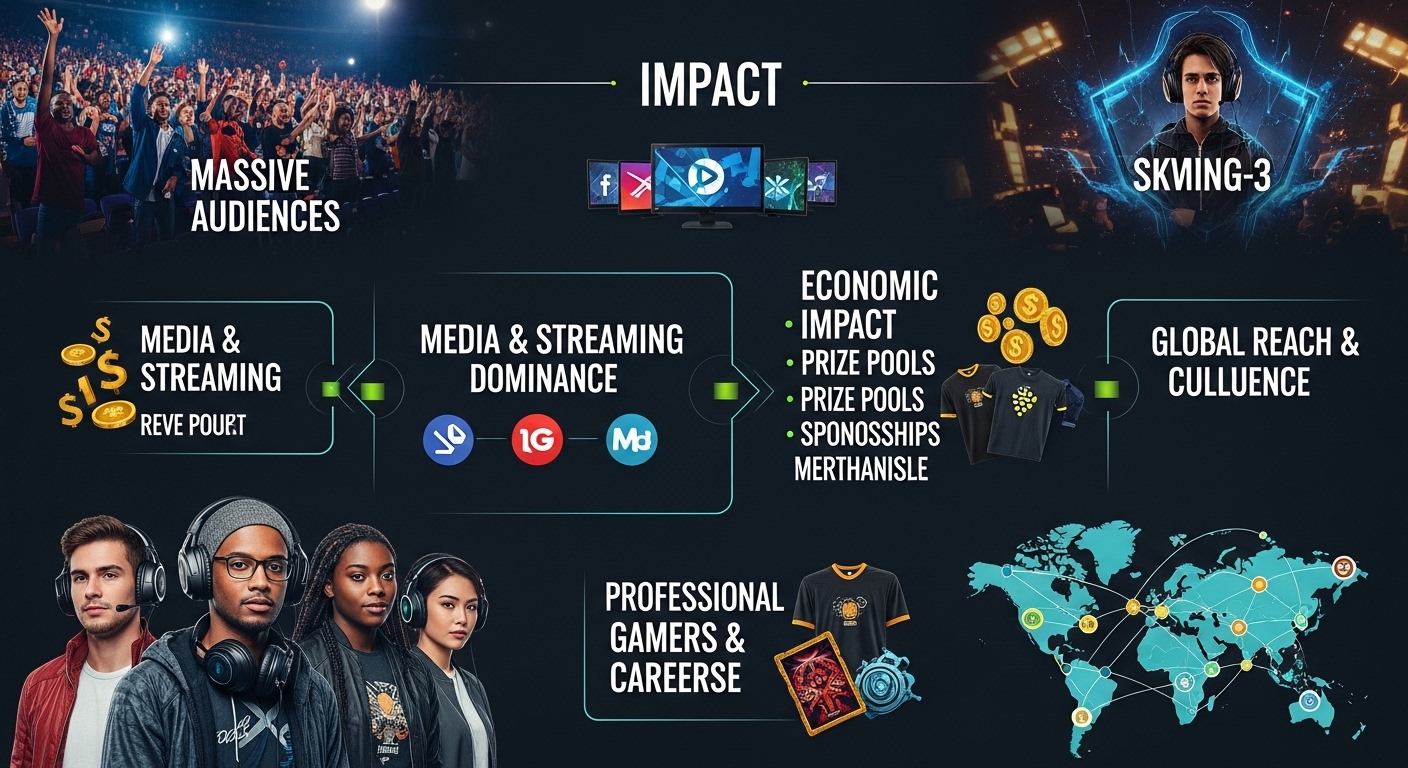
Esports is a booming industry, with its financial impact extending far beyond the prize money won by players. Sponsorships and advertising deals make up a significant portion of esports revenue. Brands see esports as a way to connect with younger, tech-savvy audiences who may not engage with traditional media. Companies like Nike, Adidas, Audi, and BMW have all invested in esports sponsorships, partnering with professional teams and tournaments to increase their visibility among the gaming demographic.
Additionally, media rights for esports events are becoming more valuable. Traditional broadcasters like ESPN, Turner Sports, and even networks like ABC and NBC have begun to air major esports events. These media deals are expected to continue growing as esports becomes more mainstream, allowing the industry to gain even more commercial traction. Streaming platforms like Twitch and YouTube Gaming are not only important for viewership but also a key source of revenue for professional players and organizations through ad revenue and subscriptions.
The merchandising side of esports is also lucrative. Fans buy team jerseys, gaming peripherals, and in-game items related to their favorite teams and players. Many esports teams also have their own branded merchandise, further strengthening their connection with fans. These sales contribute significantly to the financial ecosystem of esports, making it one of the most profitable sectors in entertainment today.
Challenges Facing Esports: Mental Health, Physical Strain, and Sustainability
While the rise of esports has been meteoric, the industry is not without its challenges. Mental and physical health issues are among the most pressing concerns for professional players. The demanding schedules and high levels of stress can lead to burnout, anxiety, and depression. The intense focus required for competitive gaming can also result in repetitive strain injuries, poor posture, and eye strain. Many esports players face early retirements due to the physical and mental tolls of their careers.
Moreover, the intense competition and financial pressure associated with professional esports can foster toxic environments within teams and communities. Issues such as player exploitation, harassment, and a lack of sufficient labor protections are growing concerns within the industry.
Another challenge is the long-term sustainability of the industry. As esports continues to grow, it is essential for organizers to ensure that events are accessible to a wide range of participants and spectators. The industry needs to maintain its appeal to fans without oversaturating the market or alienating smaller teams and grassroots communities.
The Future of Esports: Growth, Innovation, and Global Expansion
Looking ahead, the future of esports seems incredibly promising. The global audience for esports is expected to continue growing, with forecasts predicting billions of dollars in revenue within the next decade. Major esports events will likely continue to fill stadiums and arenas, with global tournaments broadcast to millions of viewers worldwide. The integration of virtual reality (VR) and augmented reality (AR) will revolutionize the way fans experience esports, offering immersive, interactive viewing experiences.
In addition to expanding its reach in existing markets, esports is rapidly growing in emerging regions such as Latin America, Southeast Asia, and the Middle East. These regions offer untapped potential for talent development, fan engagement, and sponsorship opportunities, further driving the global esports ecosystem.
Esports will also continue to evolve as an industry. Innovations in game design, streaming technology, and player performance analysis will push the boundaries of what is possible within competitive gaming. As esports further integrates into mainstream entertainment and culture, it could become an even more prominent part of our daily lives, with fans tuning in to esports competitions just as they would traditional sporting events.
Conclusion
Esports has emerged as a transformative force in the world of entertainment, offering not only a new avenue for competition but also a career path, a community, and a source of cultural significance. From its humble beginnings as a small hobby to its current status as a multi-billion-dollar industry, esports has firmly established itself as a major player in the global entertainment landscape. While there are challenges to overcome, the future of esports is undoubtedly bright, with continued growth, innovation, and global expansion on the horizon. Whether as a player, a fan, or a content creator, esports is reshaping the way we think about competition, technology, and the future of sports.