Introduction
Esports, once considered a niche pastime for a small group of gaming enthusiasts, has transformed into a global phenomenon. Today, competitive gaming commands millions of viewers, attracts sponsorships from leading brands, and creates professional careers comparable to traditional sports. This evolution reflects more than just the growth of video games; it represents a cultural shift in entertainment, technology, and the way people engage with competitive experiences. Understanding esports requires exploring its origins, its appeal, and the intricate ecosystem that drives this thriving industry.
The Origins of Competitive Gaming
Competitive gaming dates back to the late 20th century when early arcade competitions and local computer tournaments emerged. Titles like Pac-Man, Space Invaders, and later Street Fighter II laid the groundwork for organized competition. While initial events were small-scale, they demonstrated that gaming could evoke excitement, strategy, and passion similar to traditional sports.
The 1990s and early 2000s saw the rise of online multiplayer games. Titles such as StarCraft, Counter-Strike, and Warcraft III created international communities of players. Internet connectivity enabled tournaments to reach global audiences, setting the stage for modern esports. What began as a hobby evolved into a structured competitive environment where strategy, skill, and teamwork became crucial.
Why Esports Appeals to Modern Audiences
Esports resonates with audiences for several reasons. First, it aligns with digital lifestyles. Younger generations, raised on smartphones, online platforms, and gaming consoles, view esports as a natural form of entertainment. Unlike traditional sports, esports is accessible anywhere there is a device and an internet connection. Fans can participate by playing, spectating, or engaging with online communities.
Second, esports offers a narrative-driven experience. Fans follow player careers, team rivalries, and tournament storylines. Dramatic victories, comeback matches, and underdog triumphs create emotional connections that mirror traditional sports fandom. The interactivity of esports, including live chat, social media engagement, and streaming, fosters a sense of community and participation that enhances viewer investment.
The Emergence of Professional Gamers
Professional gaming has become a legitimate career path. These athletes dedicate hours daily to refining skills, studying strategies, and maintaining mental and physical wellness. High-level esports requires expertise in communication, teamwork, reflexes, and strategic thinking.
Teams now employ coaches, analysts, and health specialists to support their players. Salaries, prize money, and sponsorship deals provide financial stability for top performers. While esports careers may be shorter than traditional sports due to physical and cognitive demands, players can achieve significant fame and influence. This professionalization has elevated gaming from a hobby to a respected career, inspiring aspiring gamers worldwide.
Major Esports Titles and Their Impact
Several game genres have shaped the esports landscape. Multiplayer online battle arena games, known as MOBAs, require strategy, coordination, and quick decision-making. First-person shooters emphasize precision, reflexes, and team tactics. Real-time strategy games challenge players to manage resources, adapt to opponents, and execute long-term plans.
Each game develops its own competitive ecosystem, fan base, and tournament structures. Titles like League of Legends, Dota 2, Counter-Strike: Global Offensive, and Fortnite have become international sensations. These games do more than entertain—they cultivate community, professional opportunity, and global recognition for players and teams alike.
The Business of Esports
Esports has evolved into a multi-billion-dollar industry. Revenue comes from sponsorships, merchandise, ticket sales, streaming platforms, and media rights. Leading brands in technology, fashion, automotive, and consumer products recognize esports as a valuable marketing channel due to its engaged and digitally native audience.
Esports organizations operate like traditional sports franchises, with management teams, training facilities, and long-term business strategies. The industry has also created numerous career opportunities in broadcasting, event management, content creation, marketing, and analytics. Educational institutions now offer esports programs and scholarships, signaling wider societal acceptance of competitive gaming as a legitimate pursuit.
The Global Cultural Influence of Esports
Esports transcends national and cultural boundaries. Players from different regions compete in the same tournaments, while fans from around the world follow these competitions online. Streaming platforms enable real-time interaction between players and audiences, creating a sense of global community.
This cultural reach has extended into music, fashion, and entertainment. Influencers and professional players shape trends, while collaborations between esports and traditional media bring gaming culture into mainstream awareness. Esports is no longer isolated; it is a significant part of contemporary digital culture, influencing a generation of fans and creators alike.
The Spectacle of Esports Events
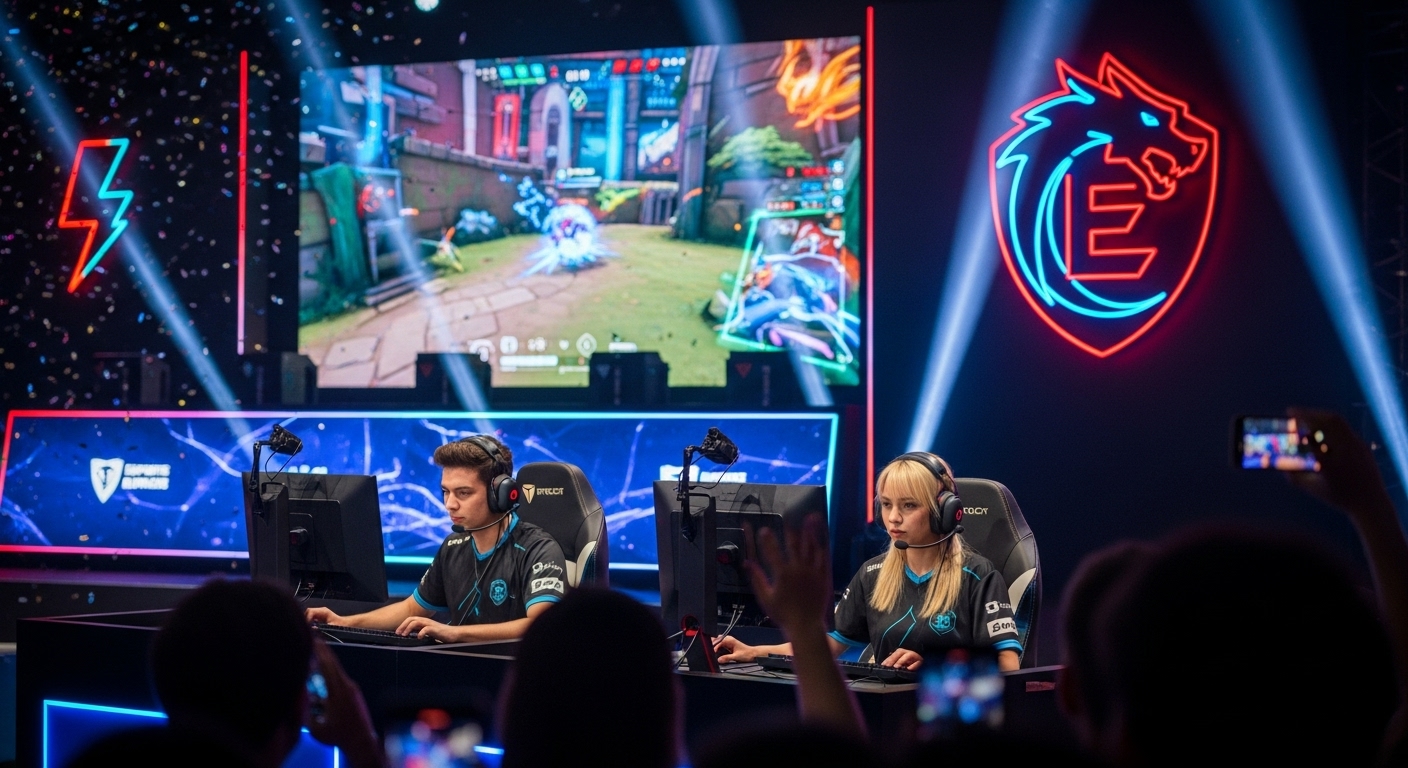
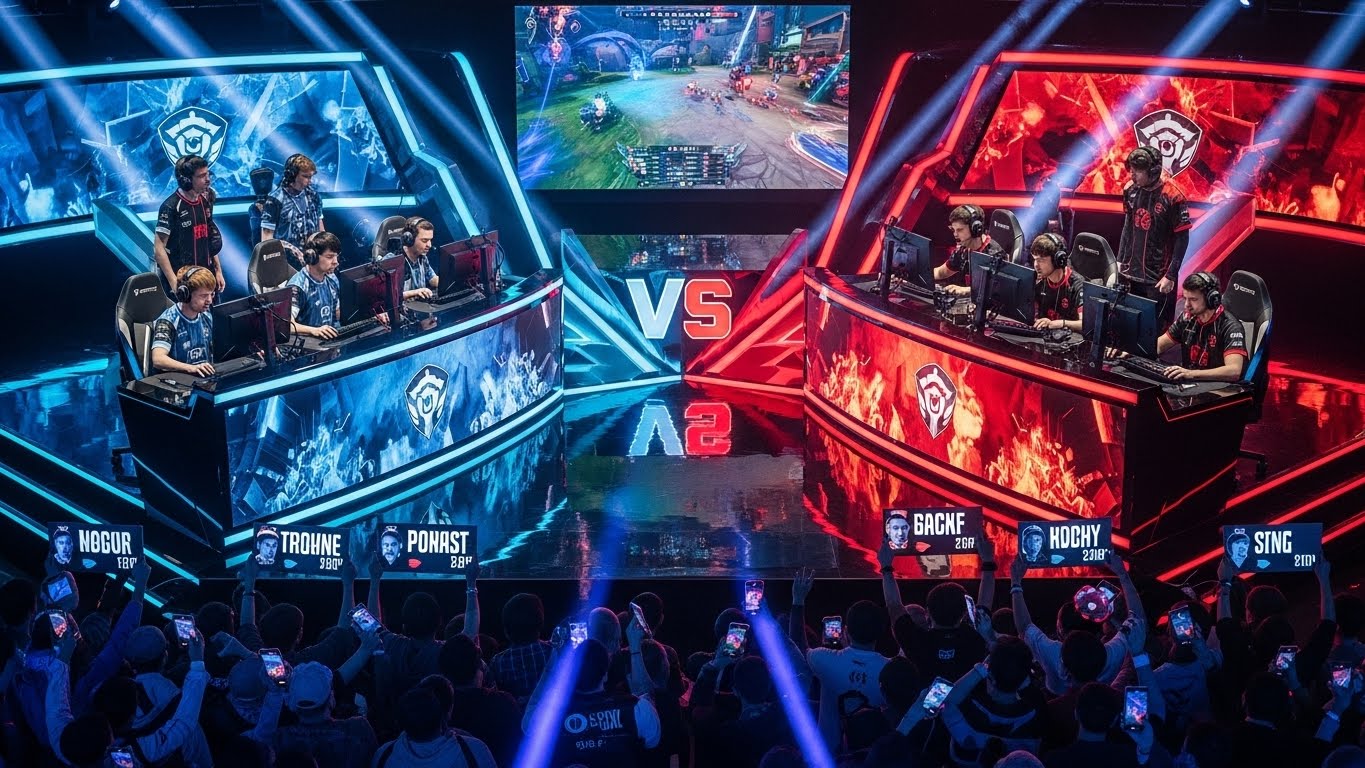
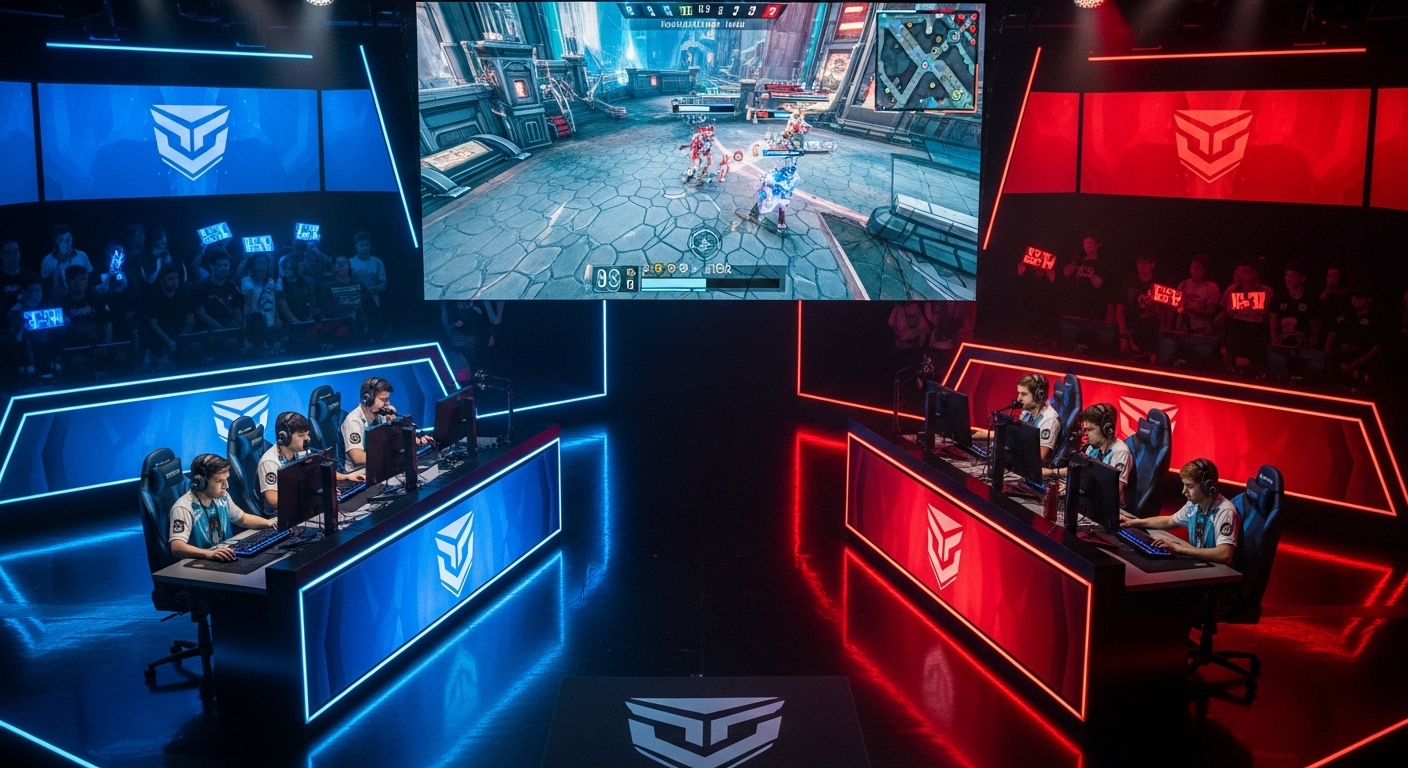
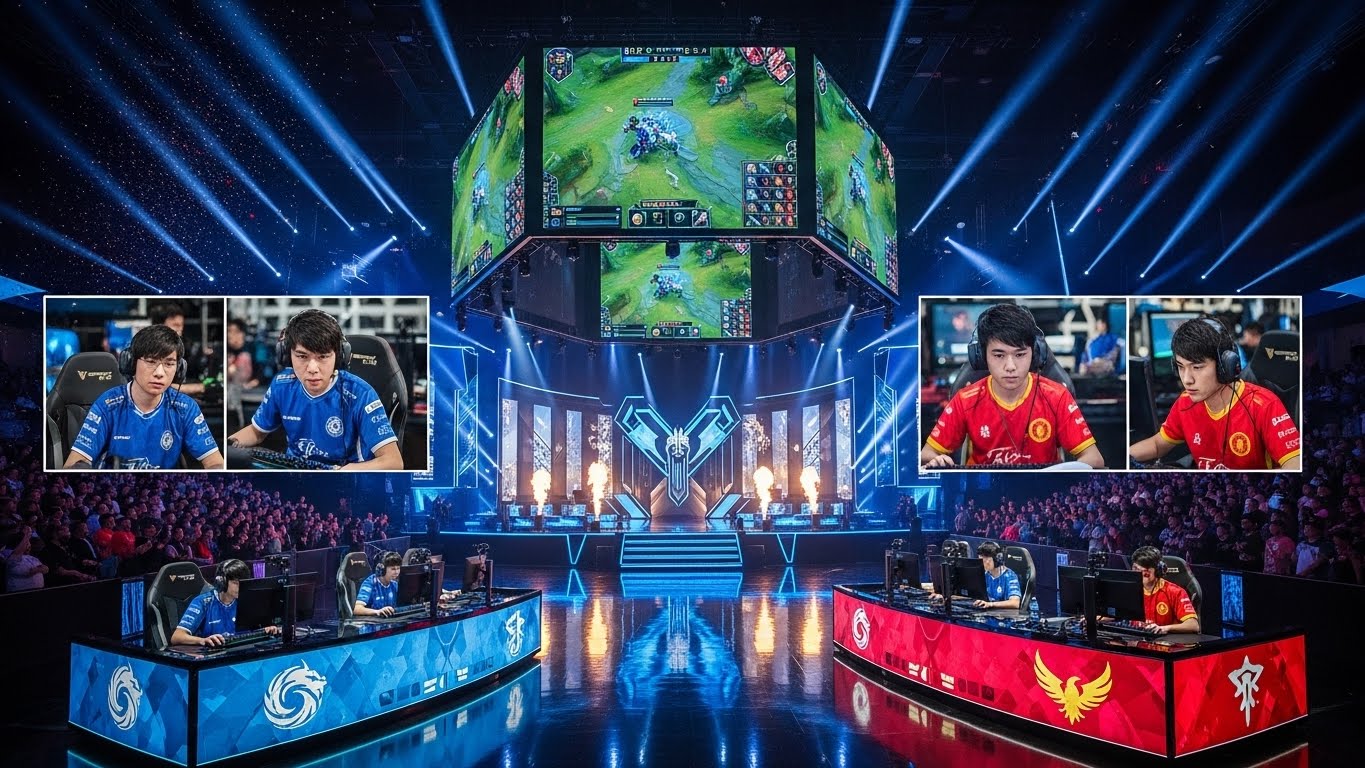
Esports events have evolved from small LAN parties into stadium-filling spectacles. Major tournaments feature elaborate stages, live commentary, and immersive production. Fans gather to witness high-stakes competitions, and the experience combines digital gameplay with live entertainment.
What sets esports events apart is their hybrid nature. While the action unfolds virtually on screens, the emotions and reactions of fans are real. The shared excitement of victories, upsets, and intense matches creates an engaging communal experience. These events exemplify the convergence of technology, entertainment, and sportsmanship, showcasing esports’ unique appeal.
Esports Beyond Playing
Esports careers extend beyond professional play. Roles in content creation, coaching, event management, social media, journalism, and marketing are increasingly in demand. This ecosystem allows individuals to leverage technical, creative, and strategic skills while participating in the gaming industry.
Content creation has become a significant avenue for personal branding. Streamers and influencers can reach millions of viewers, monetize their content, and shape the perception of gaming culture. This dynamic environment encourages innovation and entrepreneurship, making esports an industry with diverse opportunities for growth and influence.
The Future of Esports
The future of esports promises further expansion. Emerging technologies, including virtual reality, augmented reality, and artificial intelligence, may transform gameplay and audience experiences. Viewers could experience matches from unique perspectives, heightening immersion and interactivity.
Esports is also increasingly integrated into mainstream entertainment. Collaborations with music, fashion, and film will continue, while educational programs may incorporate gaming to teach strategy, teamwork, and digital literacy. As the digital world grows, esports stands at the forefront, shaping entertainment, competition, and culture in ways previously unimaginable.
Challenges Facing the Esports Industry
Despite its growth, esports faces challenges. Player burnout, mental health pressures, and short career spans require careful management. Regulatory frameworks are still evolving, and issues related to fair play, cheating, and inclusivity remain concerns.
Monetization and sustainable growth are also crucial. While sponsorships and streaming generate revenue, balancing commercial interests with community engagement is necessary to maintain trust and long-term audience loyalty. Addressing these challenges will determine whether esports can sustain its global influence over decades to come.
Conclusion
Esports has emerged as a defining feature of modern entertainment and culture. Its growth from small competitions to global tournaments reflects a broader societal shift toward digital engagement, interactive storytelling, and community building. Beyond the excitement of gameplay, esports has created professional opportunities, shaped cultural trends, and inspired a new generation of fans and players.
The industry’s future is boundless, fueled by technological innovation, global connectivity, and human passion for competition. Esports is no longer just a game; it is a cultural movement, a professional avenue, and a global stage where digital talent meets ambition, creativity, and the relentless pursuit of victory.