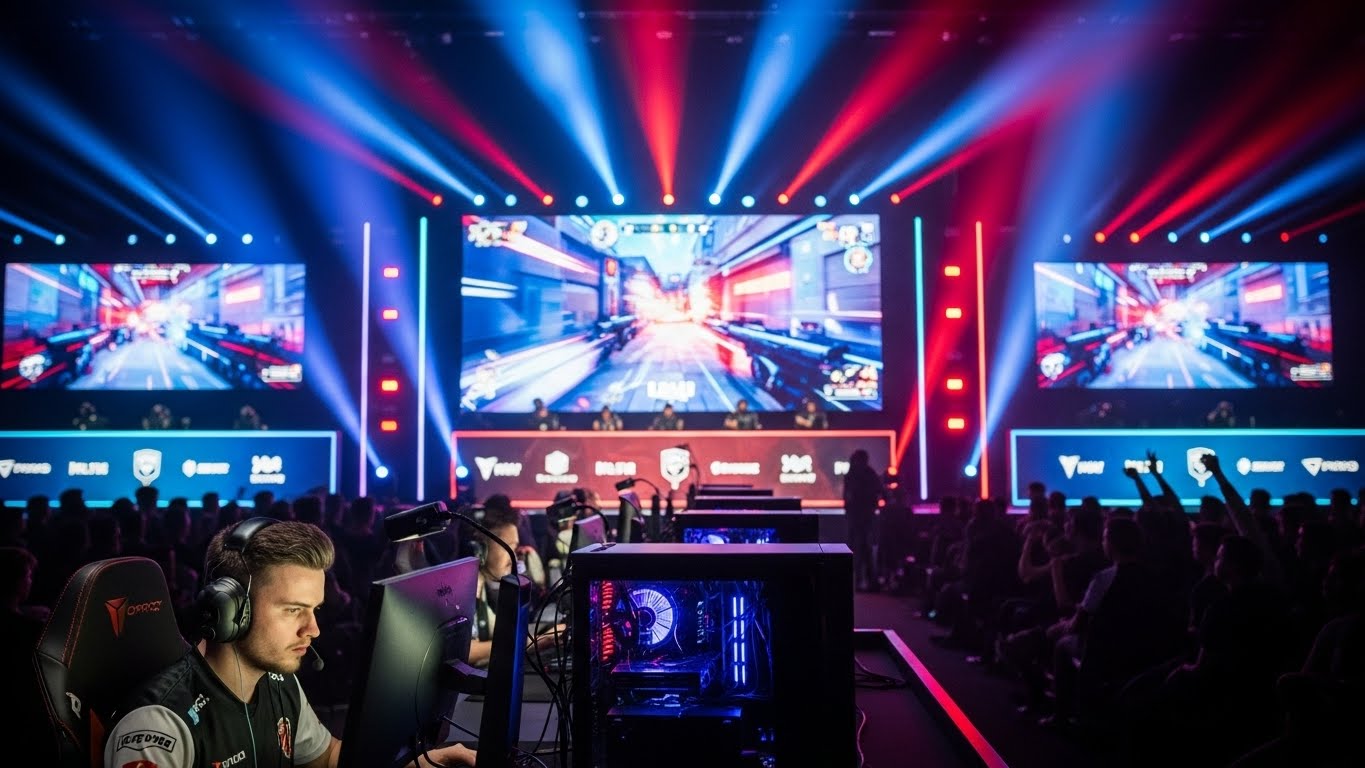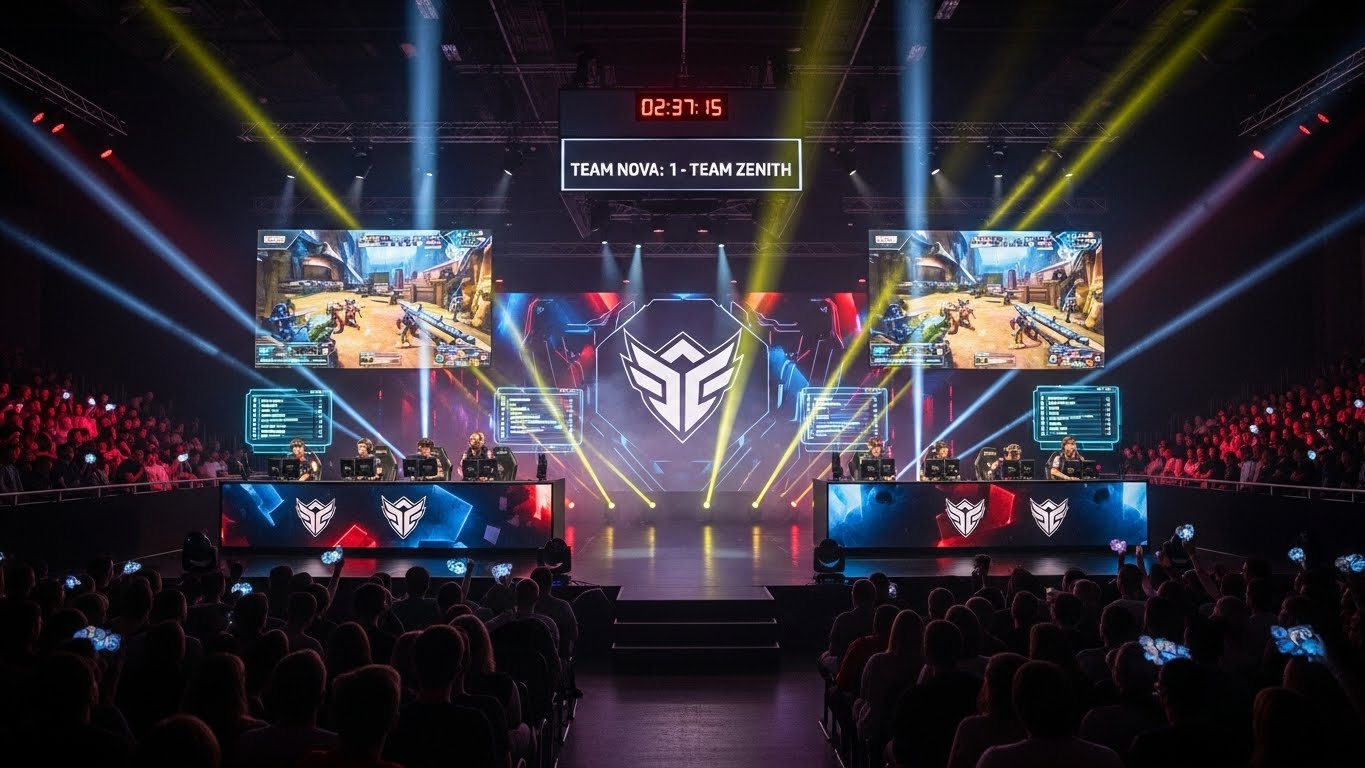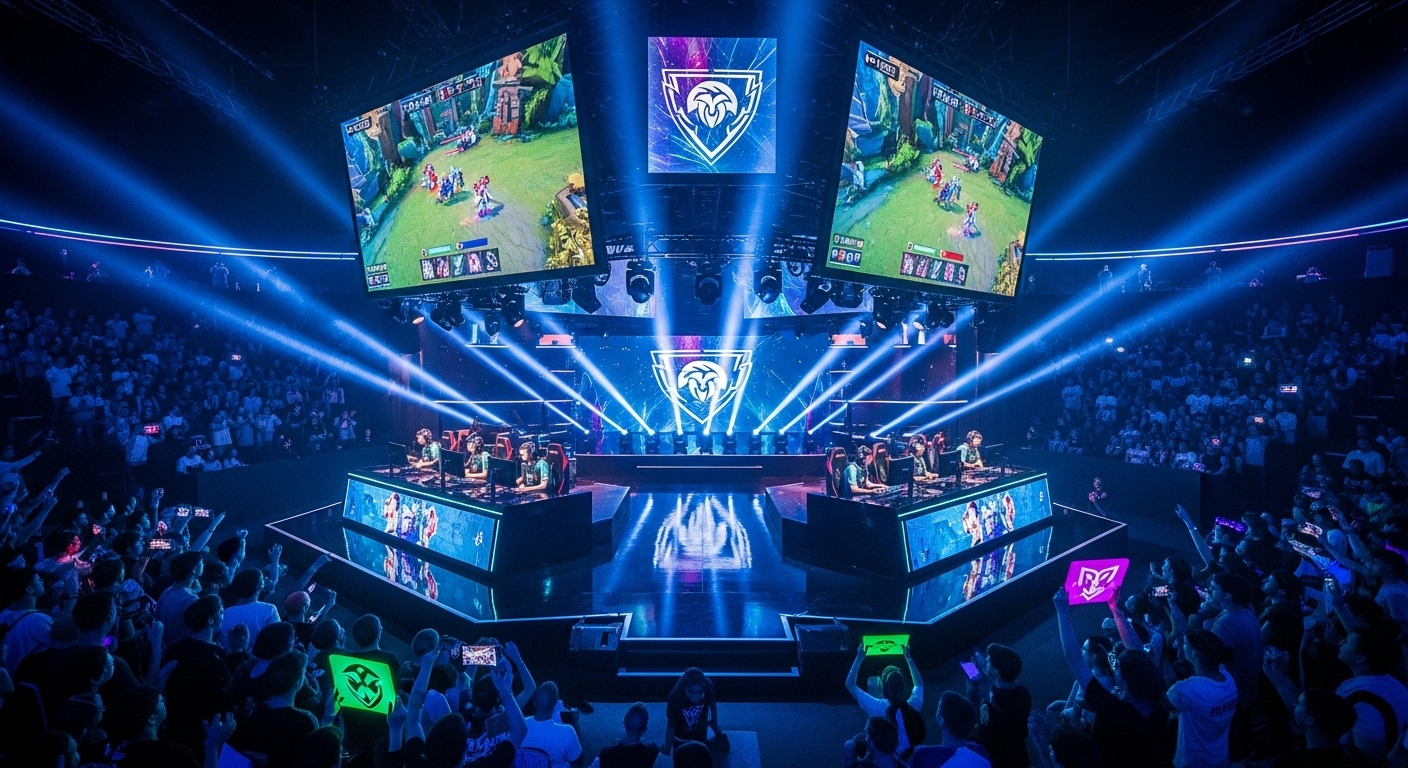
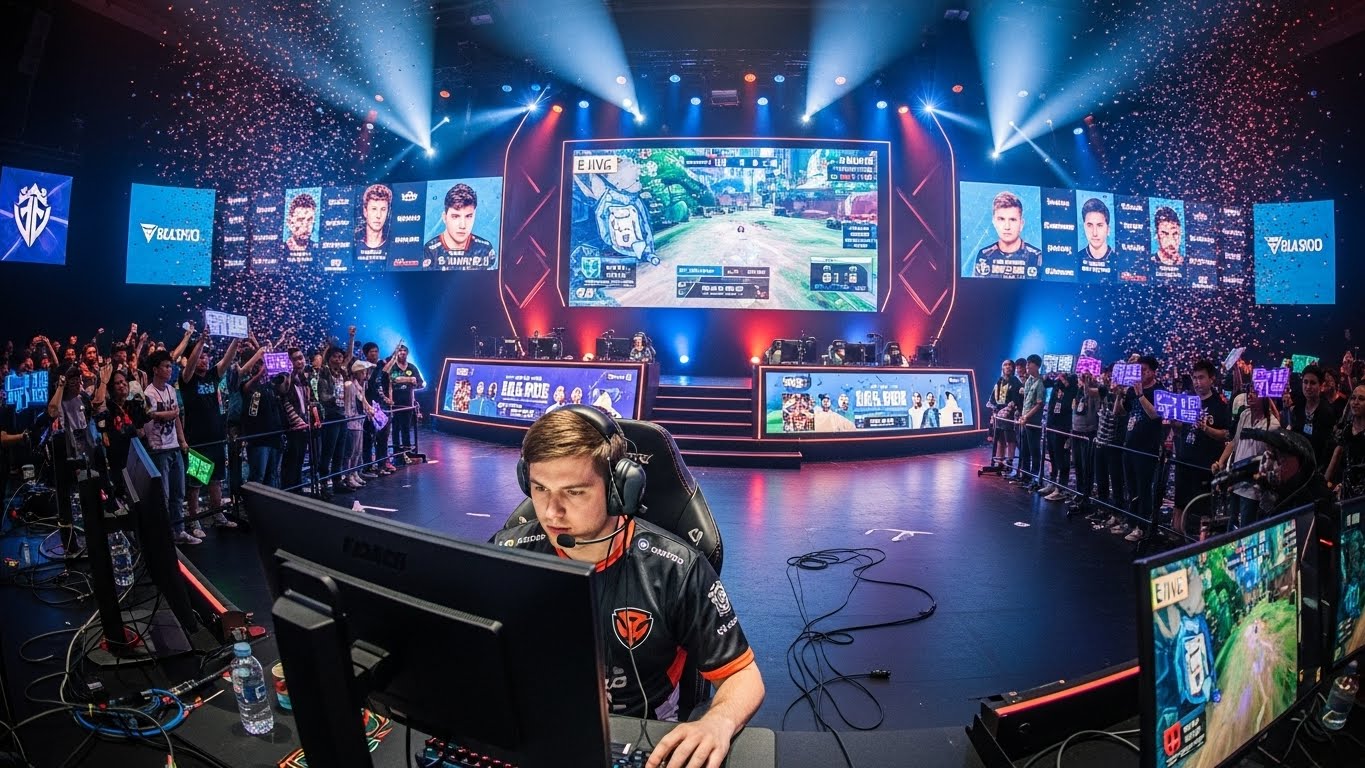
Esports, a term once foreign to many, has emerged as a powerhouse in the entertainment industry. From modest online competitions to massive international tournaments, competitive gaming has evolved into a multi-billion-dollar global phenomenon. With millions of fans, professional players, and organizations involved, esports has fundamentally changed the landscape of traditional sports and entertainment. In this blog post, we’ll explore the history, growth, and future potential of esports, and why it’s more than just “gaming.”
The Origins of Esports: A Humble Beginning
Esports, short for electronic sports, traces its origins back to the early 1970s when players began participating in organized video game competitions. The first known esports competition took place in 1972 at Stanford University, where students competed in a game called “Spacewar.” While this event was relatively small in scale, it laid the groundwork for the development of competitive gaming as we know it today.
The real turning point for esports occurred in the late 1990s and early 2000s, as online multiplayer games such as StarCraft, Quake, and Warcraft III gained popularity. These games introduced the concept of competitive play on a global scale, allowing players from different countries to compete against each other through the internet.
In 2000, the World Cyber Games (WCG) was founded, and it quickly became one of the most prestigious esports tournaments. This international event brought together top players from around the world and helped to establish esports as a serious competitive pursuit. Around the same time, Counter-Strike and League of Legends entered the gaming scene, further solidifying the foundation for modern esports.
The Boom of Esports: From Niche to Mainstream
As internet speeds improved and game developers began focusing on creating games optimized for competitive play, esports began to see significant growth in the 2010s. A major milestone came in 2011 with the launch of League of Legends, developed by Riot Games. This game quickly became a global phenomenon and set the stage for the massive esports ecosystem that would follow. League of Legends alone attracted millions of viewers for its annual World Championship, held in sold-out arenas like the Los Angeles’ Staples Center.
During this time, Twitch, a live-streaming platform dedicated to video games, became a central hub for gamers and fans alike. The ability to watch live gameplay, interact with players, and engage in online communities elevated esports to a new level of visibility. By 2014, Twitch was acquired by Amazon for nearly $1 billion, underscoring the platform’s central role in esports’ rapid rise.
More titles emerged and cemented esports as a multi-faceted industry. Games such as Dota 2, Overwatch, Counter-Strike: Global Offensive (CS: GO), and Fortnite attracted millions of viewers, and some even became household names. Esports tournaments such as The International (Dota 2’s World Championship) broke records for prize pools, with millions of dollars up for grabs for the winning teams. In 2018, The International featured a prize pool of over $25 million, making it one of the richest tournaments in the world, not just in esports but in any sport.
The Professionalization of Esports
As esports grew, so did the professionalization of the industry. Players transitioned from being casual gamers to full-time athletes, earning salaries, sponsorships, and prize money. Professional esports teams, supported by large organizations and brands, began to emerge in various titles. For example, teams like Cloud9, Fnatic, and T1 became synonymous with excellence in esports, attracting major sponsorships from companies like Coca-Cola, Intel, and Audi.
These teams didn’t just operate like casual hobbyists; they became high-performance organizations with coaches, analysts, managers, and support staff. Much like traditional sports teams, esports organizations began developing training regimens, strategies, and even mental health resources to ensure their players remained at the top of their game. The introduction of boot camps, team houses, and extensive practice schedules mirrored the discipline seen in physical sports.
Esports also began to see the rise of prominent broadcasting networks and media platforms. ESPN, once seen as the hallmark of traditional sports coverage, began covering esports events, validating the legitimacy of esports as a mainstream sport. The investment from media companies and brands in esports solidified its position as an industry to be taken seriously.
The Esports Ecosystem: A Complex Web
One of the most fascinating aspects of esports is the complex ecosystem that exists around it. At the center are the players, who compete for glory and monetary rewards. But the ecosystem is far broader, involving a wide array of stakeholders that support the industry in various capacities.
Game Developers
Game developers play a central role in shaping the esports landscape. Companies like Riot Games, Blizzard Entertainment, and Valve Corporation not only create the games but also help organize and fund competitive events. These developers often oversee competitive seasons, design patches and updates to balance gameplay, and maintain community engagement.
Tournaments and Leagues
Esports tournaments and leagues provide the structure for competitive play. Some tournaments, like The International, are one-off events, while others, such as the League of Legends Championship Series (LCS) or Overwatch League (OWL), follow a regular season format. These leagues feature teams from around the world who compete in series of matches over the course of several months. The structure of these leagues mirrors that of traditional sports leagues like the NBA or NFL.
Sponsors and Partners
Corporate sponsorships are a major driver of the esports industry’s growth. Companies from a wide variety of industries, including tech giants like Intel and AMD, apparel brands like Nike and Adidas, and even automobile manufacturers like Mercedes-Benz, have invested in esports sponsorships. These partnerships are mutually beneficial, as they provide brands with access to a massive and highly engaged audience, while esports organizations gain the financial support needed to thrive.
Viewers and Fans
At the heart of esports is its global community of viewers and fans. Platforms like Twitch, YouTube, and Facebook Gaming have made it easier than ever for fans to watch live broadcasts, engage with their favorite players, and even participate in events through online interactions. In fact, some esports events draw more viewers than traditional sports events. The 2020 League of Legends World Championship had over 100 million viewers, surpassing the Super Bowl’s viewership in some cases.
The Growth of Esports as a Career
As esports became more professionalized, it also opened up new career opportunities. Players can now make a living from playing games, but they are not the only ones benefiting from the industry’s growth. Coaches, analysts, team managers, content creators, casters, and even event organizers are now able to turn their passion for gaming into full-time careers.
Players
The life of a professional esports player has evolved significantly. While the early days of esports were marked by sporadic competitions and low prize pools, today’s players can earn substantial salaries. Many players sign multi-year contracts with teams, earning a base salary, prize money from tournaments, and sponsorship deals. Some esports athletes, like Faker from League of Legends or Johan “N0tail” Sundstein from Dota 2, have become household names and millionaires.
Content Creators and Streamers
With the rise of platforms like Twitch and YouTube, many gamers have transitioned from competitive play to content creation. These streamers and YouTubers often make a living through ad revenue, sponsorships, donations, and subscriber fees. Popular figures like Ninja (Tyler Blevins), Pokimane (Imane Anys), and Shroud (Michael Grzesiek) have turned their gaming skills into mainstream brands, with millions of followers across their social media channels.
Coaches and Analysts
Esports teams, much like traditional sports teams, require tactical expertise and strategic planning. Coaches and analysts are essential members of successful esports organizations, helping players develop strategies, refine their skills, and stay ahead of the competition. Some coaches and analysts have transitioned from being competitive players themselves, while others come from traditional sports or other disciplines where strategy and analysis are key.
The Global Appeal of Esports
Esports is a global phenomenon. While it started in North America, it quickly gained traction in Europe, Asia, and beyond. Countries like South Korea, China, and Sweden have emerged as esports powerhouses, with dedicated arenas, government support, and a thriving professional scene.
In South Korea, esports is considered a legitimate career choice, with government-funded programs designed to help young gamers develop their skills. The country boasts some of the most popular esports players in history, and its esports culture has influenced the rest of the world. The global appeal of esports continues to grow, with major tournaments being broadcast in multiple languages and attracting international audiences.
Esports has also served as a bridge between cultures. Players from different backgrounds and countries come together to compete, fostering a sense of community among global fans. The shared love for gaming transcends geographical boundaries and unites people from all walks of life.
The Future of Esports: What’s Next?
The future of esports is incredibly bright, with several key trends set to shape the industry in the coming years. First, the continued investment in esports infrastructure, such as dedicated esports arenas, will help provide even more opportunities for fans to engage with their favorite players and teams. In fact, companies like Blizzard are already building esports-specific arenas that will host tournaments and live events.
Second, the integration of virtual reality (VR) and augmented reality (AR) into esports could revolutionize how the games are played and watched. While VR esports is still in its infancy, the technology holds the potential to bring a more immersive experience to both players and viewers.
Third, with the increasing popularity of mobile esports, especially in regions like Southeast Asia and India, there is enormous potential