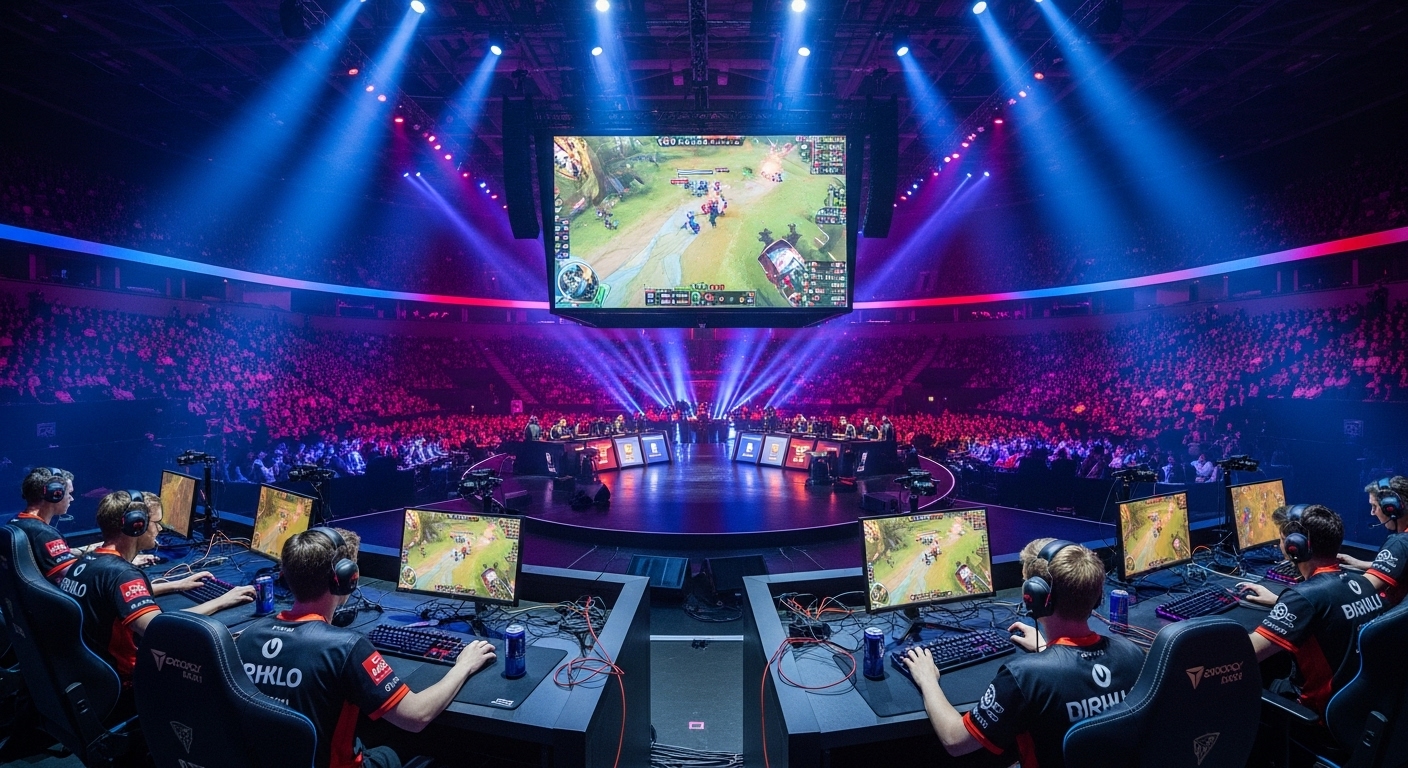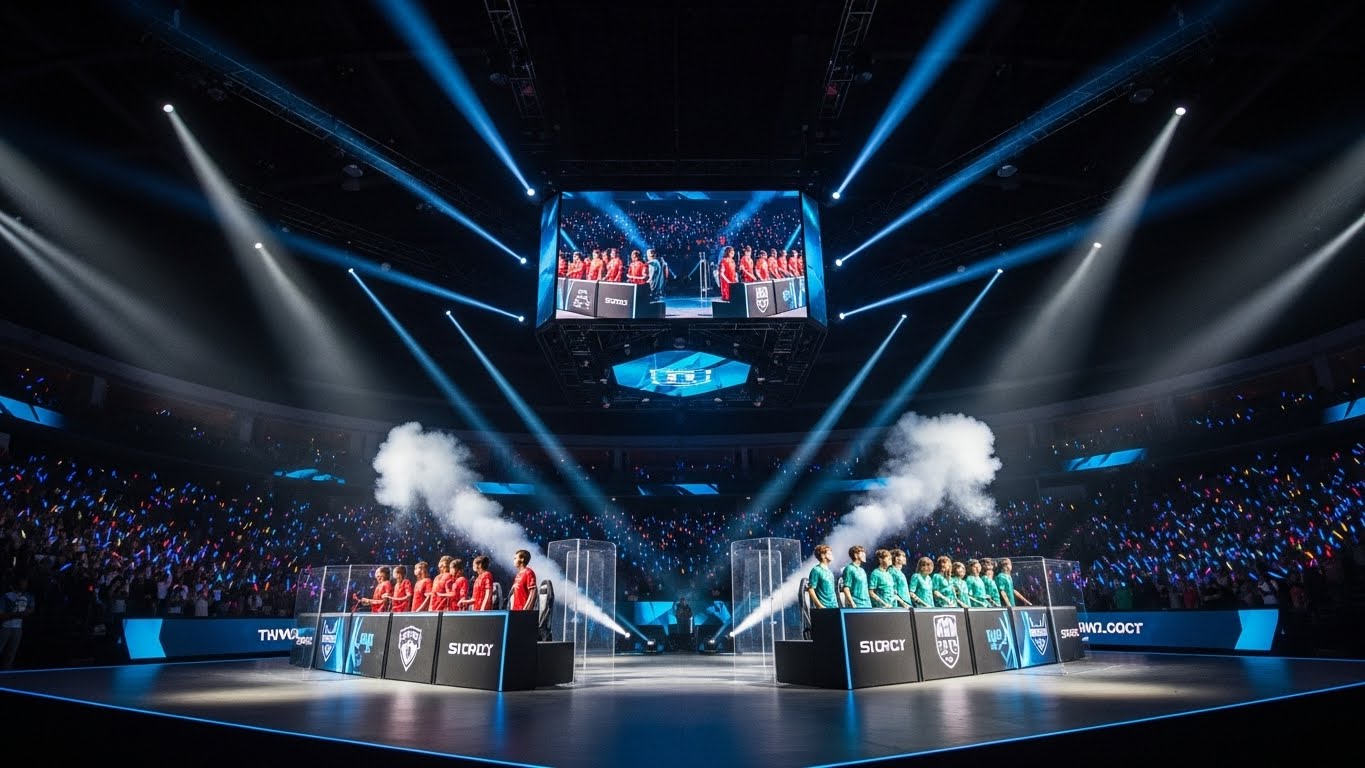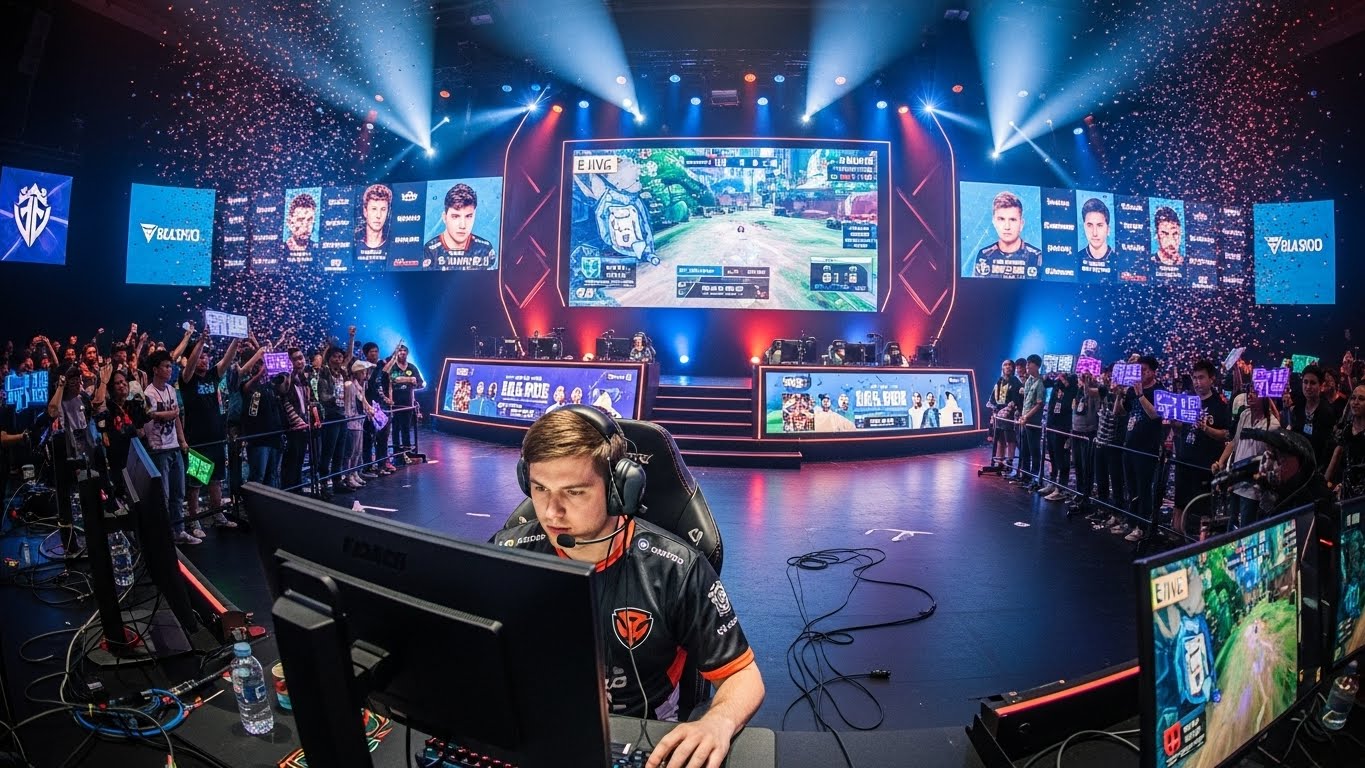
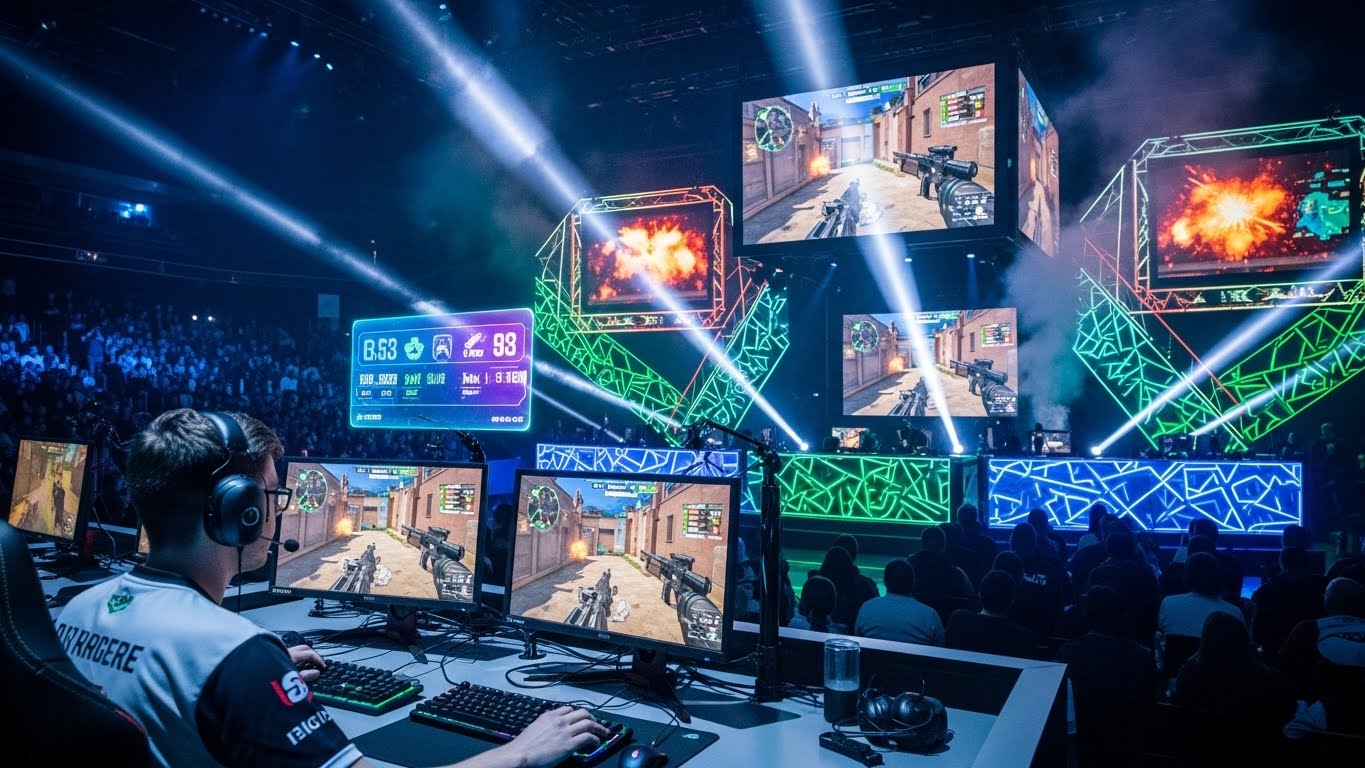
Esports has rapidly evolved from a niche hobby into a global phenomenon. Once a pastime for a dedicated few, it now attracts millions of viewers, players, and industry stakeholders worldwide. The rise of esports has been nothing short of revolutionary, transforming video games into a competitive and professional field that rivals traditional sports in terms of viewership, sponsorships, and commercial growth. In this blog post, we will explore how esports has become a major cultural force, its impact on the gaming industry, the players and organizations involved, and its future prospects.
What is Esports?
At its core, esports (short for electronic sports) refers to organized, multiplayer video game competitions, particularly between professional players, individually or as teams. While casual gamers have always enjoyed friendly competition, esports takes this to another level by offering structured leagues, tournaments, and championships that are broadcasted to audiences around the world. The games involved in esports range from strategy-based games like League of Legends and Dota 2 to first-person shooters like Counter-Strike: Global Offensive and Overwatch.
Esports is much more than just gaming. It encompasses everything from player and team management to event organization, broadcasting, and media production. The industry includes a variety of stakeholders, including developers, tournament organizers, sponsors, media companies, and, of course, the players and fans who make it all possible.
The Evolution of Esports
The roots of esports can be traced back to the 1970s, when the first video game competitions began. One of the earliest examples of competitive gaming was the Space Invaders Championship in 1980, which attracted over 10,000 participants. However, it wasn’t until the late 1990s and early 2000s that esports began to take its current shape.
In the late ’90s, titles like StarCraft and Quake started to attract competitive players, leading to the formation of local and regional tournaments. The turn of the century saw the emergence of online multiplayer gaming, which laid the foundation for modern esports. Games like Warcraft III, Counter-Strike, and League of Legends helped fuel the growth of professional gaming leagues and tournaments across the globe.
By the mid-2000s, professional esports tournaments began to gain serious traction. The launch of major esports events such as the World Cyber Games (WCG) and Electronic Sports World Cup (ESWC) brought together the best players from around the world. However, the real turning point for esports came in the early 2010s with the advent of live-streaming platforms like Twitch, which made it easier for fans to watch games in real time. As streaming technology improved, so too did the accessibility of esports, drawing in millions of viewers and creating a new form of digital entertainment.
The Economic Impact of Esports
The financial impact of esports cannot be overstated. What was once a niche subculture is now a billion-dollar industry. In 2023, the global esports industry was valued at over $1.5 billion, with estimates suggesting this figure could reach $3 billion by the end of the decade. The key drivers of this growth include sponsorships, media rights, merchandise sales, and live event revenues.
Sponsorships and Advertising
Sponsorships are the lifeblood of the esports industry. Major global brands like Coca-Cola, Intel, and Red Bull have invested heavily in esports sponsorships, and this trend is only increasing. These companies see esports as an opportunity to connect with a younger, tech-savvy audience who may not engage with traditional forms of advertising. Teams and players often sport branded jerseys, while events are named after corporate sponsors. Additionally, streaming platforms like Twitch and YouTube Gaming serve as valuable advertising avenues, with ads appearing during live broadcasts.
Media Rights and Broadcasting
Esports tournaments attract huge viewership, with major events like the League of Legends World Championship drawing millions of viewers. This level of engagement has attracted traditional media outlets, streaming platforms, and cable networks, who now pay for the rights to broadcast esports events. Platforms like ESL and BLAST are major players in broadcasting esports competitions, further fueling the industry’s growth.
Merchandise and Ticket Sales
In addition to media rights and sponsorships, esports organizations also generate significant revenue through merchandise sales. Fans flock to buy jerseys, posters, and other team-branded items, making it a lucrative market. Furthermore, major esports events like The International and the League of Legends World Championship attract tens of thousands of fans to live venues. These events often sell out, providing substantial income for event organizers.
The Players and Teams Behind the Success
Esports wouldn’t be where it is today without the talented players and teams that make up its competitive scene. Professional players have become stars in their own right, with large followings on social media and streaming platforms. These players often train for hours each day to maintain peak performance, and their dedication is reflected in their success on the big stage.
Many esports teams operate similarly to traditional sports organizations. Teams like Team Liquid, Fnatic, Cloud9, and T1 have become household names, with dedicated fan bases. These teams sign top-tier players to compete in various games, and they often have full-time coaching and management staff to ensure success.
Esports players, much like their counterparts in traditional sports, can earn substantial salaries. Top players in games like League of Legends, Dota 2, and CS:GO have been known to earn millions of dollars in prize money alone, with additional income from sponsorships, streaming, and endorsements.
Esports and the Global Fanbase
One of the most fascinating aspects of esports is its global reach. While traditional sports tend to be more regionally popular (e.g., American football in the U.S., soccer in Europe), esports has created a worldwide community of players and fans. Thanks to the internet, players from different countries can compete against each other, and fans can tune in from anywhere in the world.
Esports has also introduced new ways for fans to engage with their favorite teams and players. Platforms like Twitch, YouTube Gaming, and Discord allow fans to interact with players in real-time, watch live streams, and even donate to their favorite content creators. The level of engagement is unparalleled, creating a sense of community that extends beyond just the matches themselves.
The Role of Technology in Esports
Technology is at the heart of esports, not just in terms of the games themselves, but also in how they are played, watched, and analyzed. High-speed internet connections, powerful gaming PCs, and specialized hardware have all contributed to the evolution of competitive gaming.
Streaming platforms like Twitch and YouTube Gaming have made esports more accessible than ever before. High-definition video streaming, interactive features like chat, and live commentary have helped make watching esports as exciting as watching traditional sports.
Moreover, advancements in data analytics and artificial intelligence are beginning to play a role in improving gameplay. Players can now use software tools to analyze their performance and strategize for future matches. AI-driven tools also help coaches and analysts break down gameplay, giving teams a competitive edge.
The Future of Esports
The future of esports looks incredibly promising. As technology continues to evolve, so too will the world of competitive gaming. Virtual reality (VR) and augmented reality (AR) are expected to play an increasingly prominent role, creating new ways to experience esports both as a player and as a spectator.
The integration of blockchain and cryptocurrencies is another area to watch. Some esports teams and tournaments are already experimenting with these technologies, and it’s possible that digital currencies could become a major part of the esports economy in the future.
The rise of mobile gaming also presents an exciting opportunity for esports. Titles like PUBG Mobile and Free Fire have already demonstrated the potential for mobile esports, and as mobile gaming becomes more sophisticated, we can expect it to play a larger role in the competitive gaming ecosystem.
Lastly, the continued growth of esports will likely lead to greater institutional recognition. As esports becomes more mainstream, there may be an increased push for collegiate and professional esports leagues, as well as more opportunities for athletes to pursue esports as a full-time career.
Conclusion
Esports has come a long way from its humble beginnings. Today, it is a thriving global industry with millions of fans, professional players, and lucrative sponsorships. The growth of esports has not only transformed the gaming industry but also created new forms of entertainment, new career opportunities, and new ways for fans to engage with their favorite games and players.
As technology advances and esports continues to expand, the future looks bright for this digital revolution. Whether you’re a casual gamer or a die-hard esports fan, it’s clear that competitive gaming is here to stay.