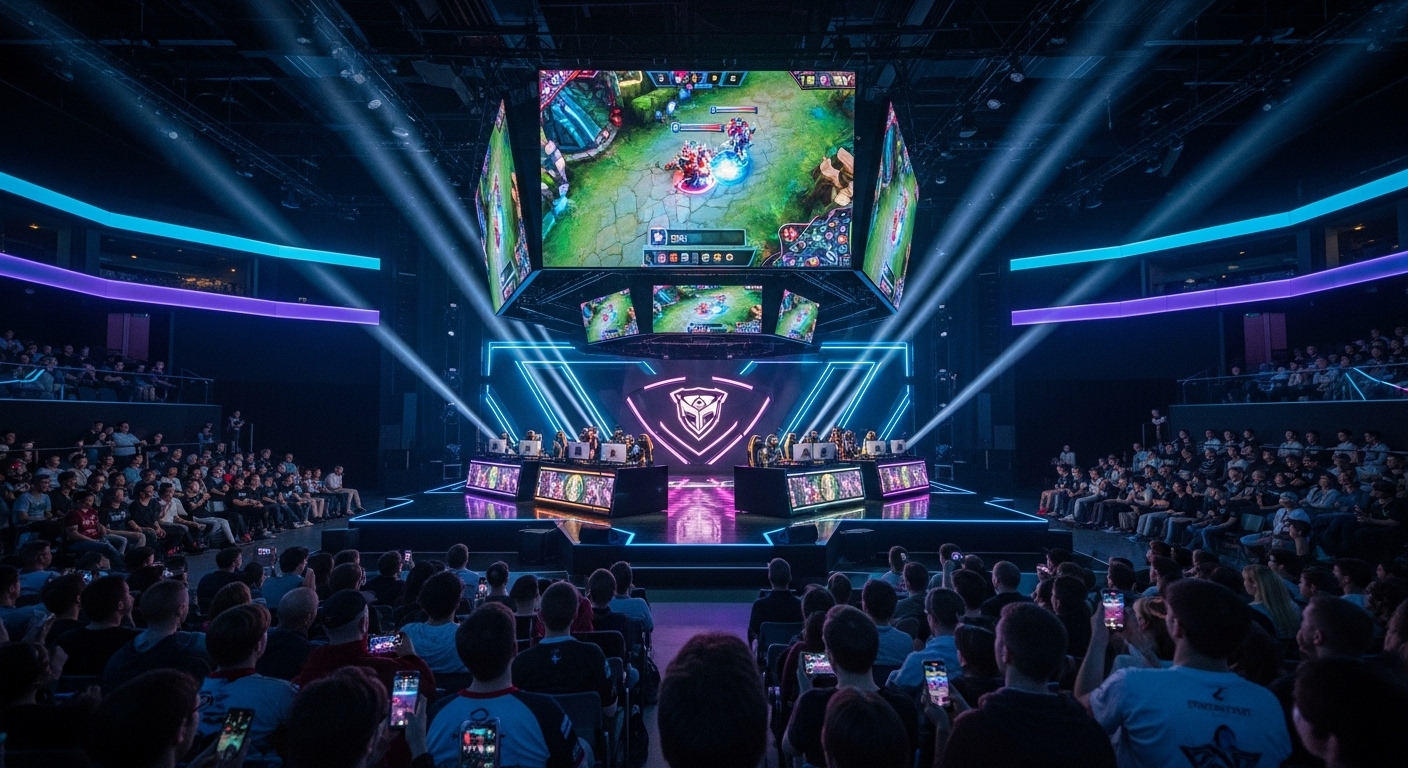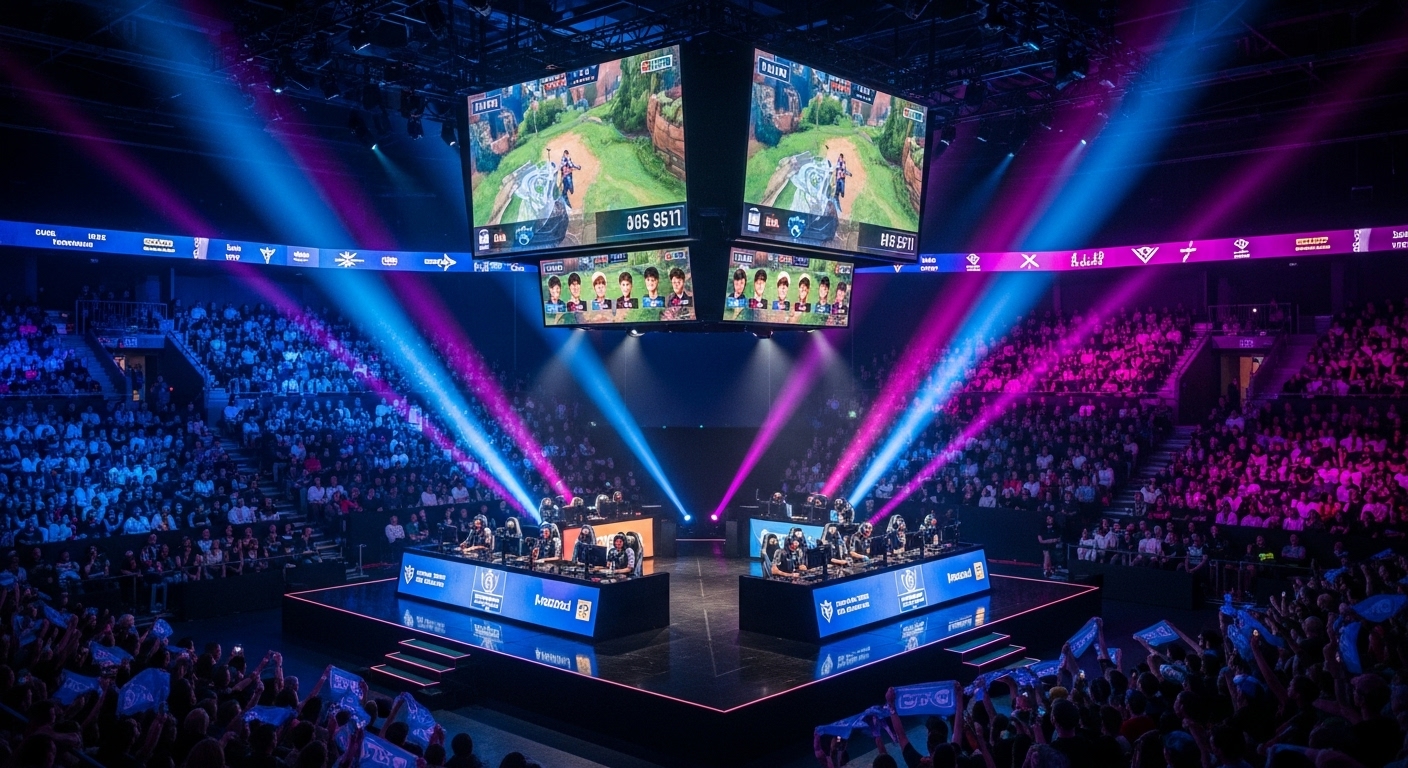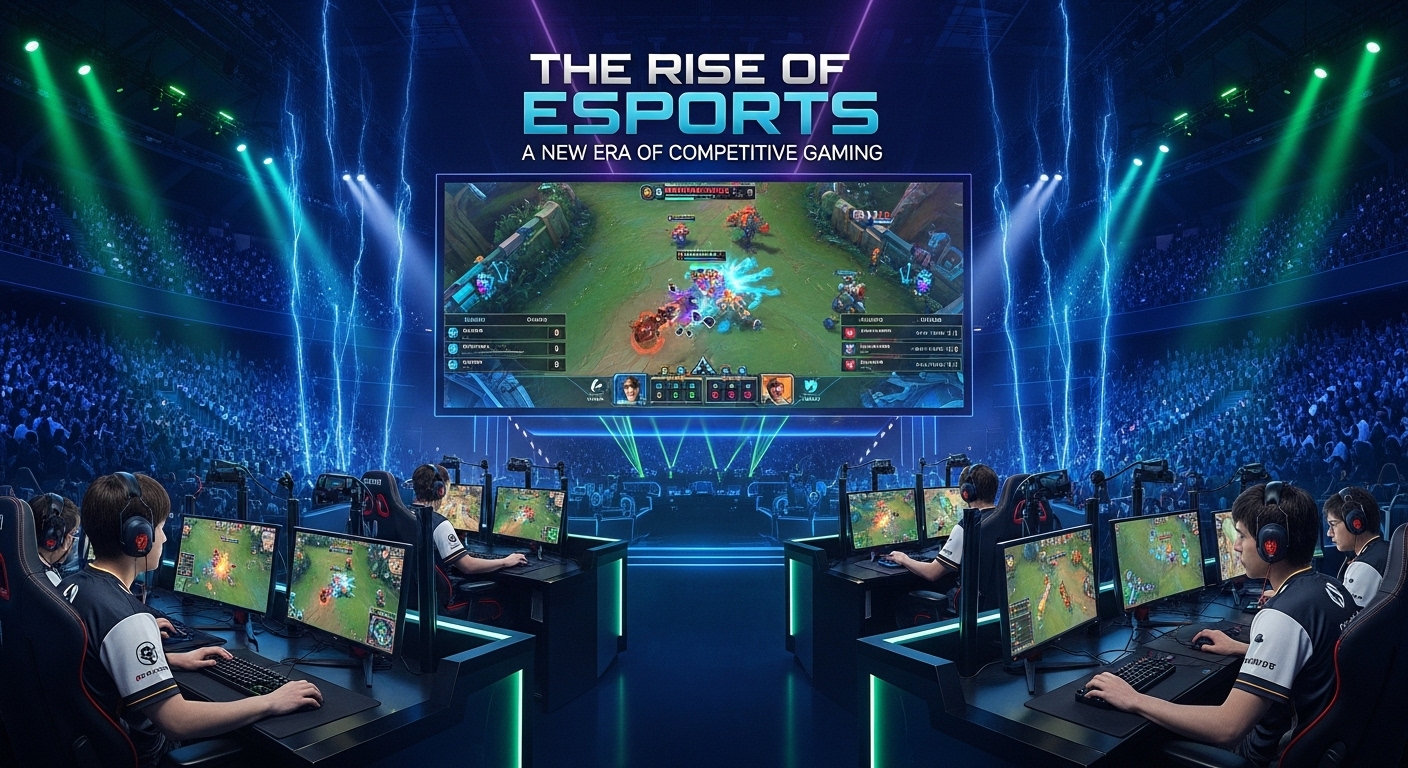
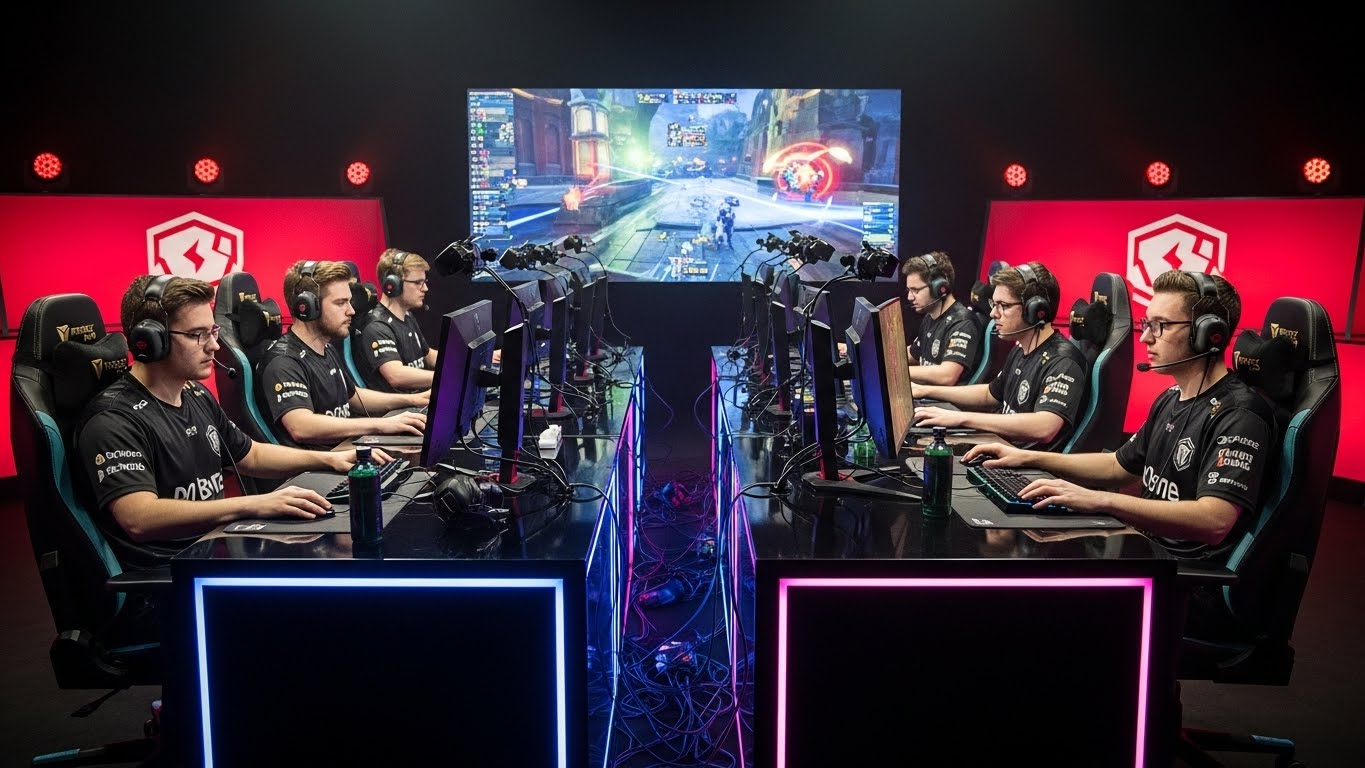
Esports, or competitive video gaming, has evolved from a niche pastime into a global phenomenon that rivals traditional sports in viewership, investment, and cultural influence. What was once considered a hobby for teenagers in bedrooms has now become a professional career path, a lucrative industry, and a powerful cultural movement. The rise of esports demonstrates not only the influence of technology on entertainment but also the transformation of sports, media, and social interaction in the digital age. This post explores the evolution, current trends, and societal impact of esports, highlighting why it has become one of the most significant developments in modern entertainment.
The Evolution of Esports
The roots of competitive gaming date back to the late 1970s and early 1980s, when arcades hosted high-score competitions for games like Space Invaders and Pac-Man. While these events were small and localized, they planted the seeds for a community-driven competitive gaming culture. The 1990s and early 2000s saw the rise of multiplayer PC games such as StarCraft, Counter-Strike, and Warcraft, which introduced structured tournaments and team-based competition.
The advent of online gaming and high-speed internet accelerated the growth of esports, enabling players from around the world to compete in real time. Platforms like Twitch and YouTube Gaming provided an outlet for fans to watch tournaments live, creating a new spectator culture around gaming. The development of esports leagues, sponsorships, and professional teams turned a casual activity into a viable career path for skilled players. Over the past decade, esports has evolved into a multi-billion-dollar industry, drawing millions of fans globally and transforming gaming into a recognized form of professional sport.
Popular Esports Titles and Genres
Esports encompasses a wide range of game genres, each with its unique competitive community. Multiplayer Online Battle Arena games, or MOBAs, such as League of Legends and Dota 2, are among the most prominent esports titles. These games require teamwork, strategy, and quick reflexes, making them highly engaging for both players and spectators. First-person shooters like Counter-Strike, Valorant, and Call of Duty test precision, reaction time, and tactical coordination.
Battle royale games, including Fortnite and Apex Legends, have introduced large-scale competitions with unpredictable dynamics, blending individual skill with team strategy. Fighting games such as Street Fighter and Super Smash Bros. focus on one-on-one skill-based competition, while sports simulation games like FIFA and NBA 2K allow players to emulate professional athletes in a virtual environment. Each genre appeals to a unique audience, and tournaments across these categories collectively contribute to the explosive growth of esports as a global phenomenon.
The Professionalization of Esports
One of the most remarkable aspects of esports is its professionalization. Top players are no longer hobbyists; they are highly trained athletes who dedicate hours daily to practice, strategy, and physical conditioning. Professional esports organizations recruit talent, provide coaching, and offer salaries and sponsorships comparable to traditional sports. Major tournaments, often referred to as championships or world cups, offer prize pools worth millions of dollars, highlighting the financial potential within the industry.
Esports professionals often follow strict routines to maintain peak performance. This includes physical exercise, mental training, and studying gameplay strategies. Similar to athletes in traditional sports, top esports players are also subject to media obligations, fan engagement, and brand partnerships. The professionalization of esports has not only elevated the quality of competition but has also legitimized gaming as a viable career path for aspiring players worldwide.
The Role of Streaming and Media Platforms
The rise of esports would not have been possible without streaming platforms and media coverage. Platforms such as Twitch, YouTube Gaming, and specialized esports networks have created an ecosystem where fans can watch live competitions, follow their favorite players, and interact in real time. Streaming has transformed spectatorship into an interactive experience, allowing fans to comment, cheer, and engage with content creators directly.
The availability of high-quality live broadcasts has also attracted mainstream media attention. Esports tournaments are now televised in some regions, while digital news outlets cover esports stories alongside traditional sports news. Sponsorships from tech companies, energy drink brands, and apparel firms have further integrated esports into mainstream culture. Streaming platforms have not only popularized esports but have also fostered global communities that celebrate gaming as a shared passion and cultural phenomenon.
Esports and Youth Culture
Esports has had a profound impact on youth culture, shaping how young people engage with games, technology, and social networks. For many, esports represents an aspirational career path, offering opportunities for fame, recognition, and financial success. Gaming communities provide a sense of belonging, allowing individuals to connect over shared interests and experiences.
The competitive nature of esports also encourages skill development in areas such as strategic thinking, teamwork, communication, and time management. These skills often translate to real-world applications, from problem-solving in professional settings to leadership in group projects. However, there are challenges, including screen time management, potential addiction, and balancing gaming with other responsibilities. Educators, parents, and community leaders are increasingly recognizing the need to support young gamers while promoting healthy gaming habits.
Economic Impact of Esports
Esports has become a significant economic force, generating revenue through multiple channels. Tournament prize pools, sponsorship deals, merchandise sales, ticketed live events, and streaming subscriptions contribute to the industry’s financial ecosystem. Analysts predict continued growth, with investments from venture capital, technology companies, and even traditional sports franchises fueling expansion.
The economic impact of esports extends beyond the players and organizations. Ancillary industries such as gaming hardware, software development, event management, marketing, and content creation all benefit from the growth of competitive gaming. Cities hosting major tournaments also experience economic boosts through tourism, hospitality, and media coverage. The financial ecosystem surrounding esports demonstrates its potential as a sustainable and influential sector within the entertainment industry.
Esports as a Global Phenomenon
While esports originated in specific regions like South Korea, the United States, and Europe, it has grown into a global phenomenon with cultural significance worldwide. Countries such as China, Japan, Brazil, and Southeast Asian nations have rapidly expanding esports markets and passionate fan bases. International tournaments attract players and spectators from diverse backgrounds, creating a shared global culture centered around competition and entertainment.
Global accessibility is a key driver of esports’ worldwide reach. Online connectivity allows players to participate regardless of geographic location, while live streams enable fans to experience events in real time. Esports transcends language, culture, and traditional barriers, fostering international collaboration and competition. This global presence further legitimizes esports as a cultural force with influence comparable to traditional sports like football, basketball, and cricket.
Challenges Facing the Esports Industry
Despite its growth, the esports industry faces several challenges. Player burnout, mental health concerns, and the intense pressure of competition are common issues among professional gamers. Regulatory frameworks for esports remain underdeveloped in many regions, creating inconsistencies in player contracts, tournament rules, and ethical standards.
Additionally, the industry must address issues of inclusivity and diversity. Esports has historically been dominated by male players, although initiatives are underway to create more equitable opportunities for women and underrepresented groups. Ensuring fair play, maintaining security against cheating, and preventing toxicity in online communities are ongoing challenges. Navigating these issues is crucial for the long-term sustainability and legitimacy of esports as a professional and cultural phenomenon.
The Future of Esports
The future of esports looks promising, with continued growth, innovation, and mainstream integration on the horizon. Advances in virtual reality, augmented reality, and cloud gaming have the potential to create new forms of competition and immersive spectator experiences. Esports may also continue to intersect with traditional sports, as partnerships and hybrid events blur the line between physical and digital athleticism.
Education and infrastructure for esports are also expanding. Universities are offering esports scholarships, and professional training facilities are becoming more common, providing aspiring players with opportunities to develop their skills in structured environments. As technology evolves, esports is likely to expand into new genres, reach new audiences, and further cement its place as a mainstream form of entertainment and competition.
Conclusion
Esports has come a long way from its humble beginnings in arcades and small online communities. Today, it is a global industry with professional players, dedicated fans, and significant economic, cultural, and social influence. From the rise of competitive titles and professional leagues to the impact on youth culture and global entertainment, esports represents a transformative force in modern society.
As technology continues to advance and digital communities expand, esports will only grow in significance. Its influence extends beyond gaming, shaping how we view competition, entertainment, and human potential in a digital world. For players, fans, and industry professionals alike, esports is more than a game—it is a revolution that is redefining the boundaries of sport, culture, and technology.