The esports industry has evolved from grassroots LAN parties to a global phenomenon, attracting millions of viewers and substantial investments. As technology advances, the next frontier in this evolution is the integration of Virtual Reality (VR) into esports arenas, transforming the spectator experience. This article delves into the emergence of VR arenas and their potential to revolutionize how fans engage with esports.
The Rise of VR in Esports
From Traditional to Virtual
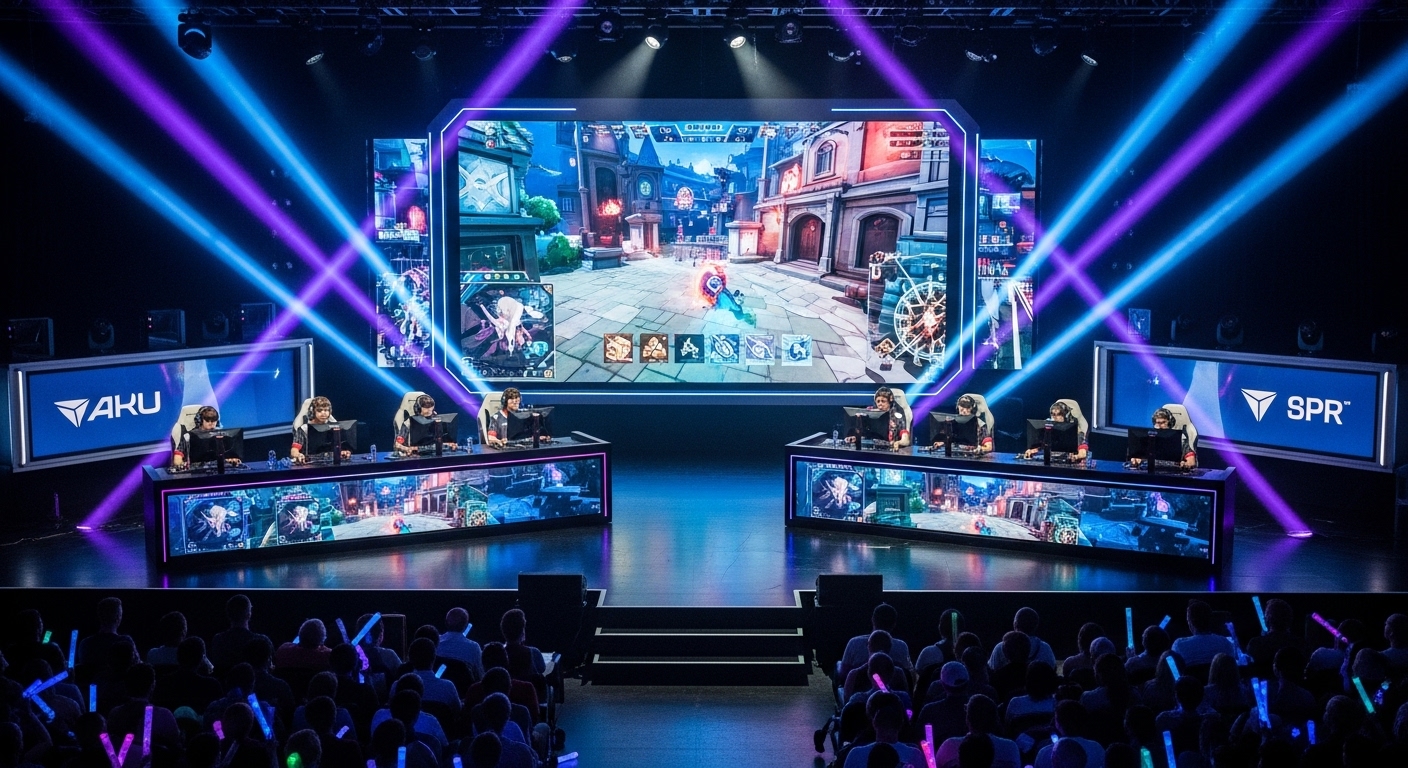
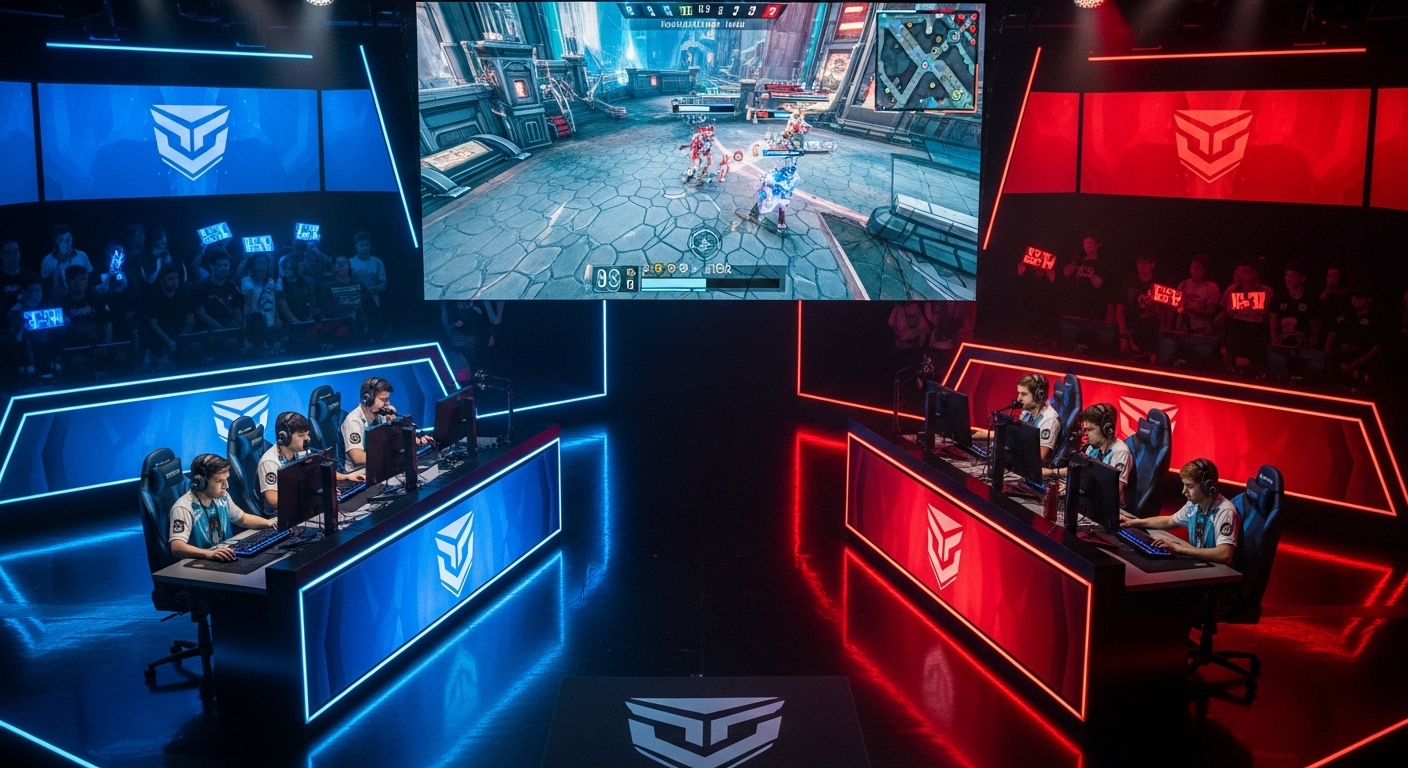
Traditional esports events are typically held in physical arenas, with spectators watching players compete on large screens. While this setup has served the industry well, it has limitations in terms of audience engagement and immersion. VR technology offers a solution by creating virtual arenas where spectators can experience events in a more interactive and immersive manner.
The Role of VR Arenas
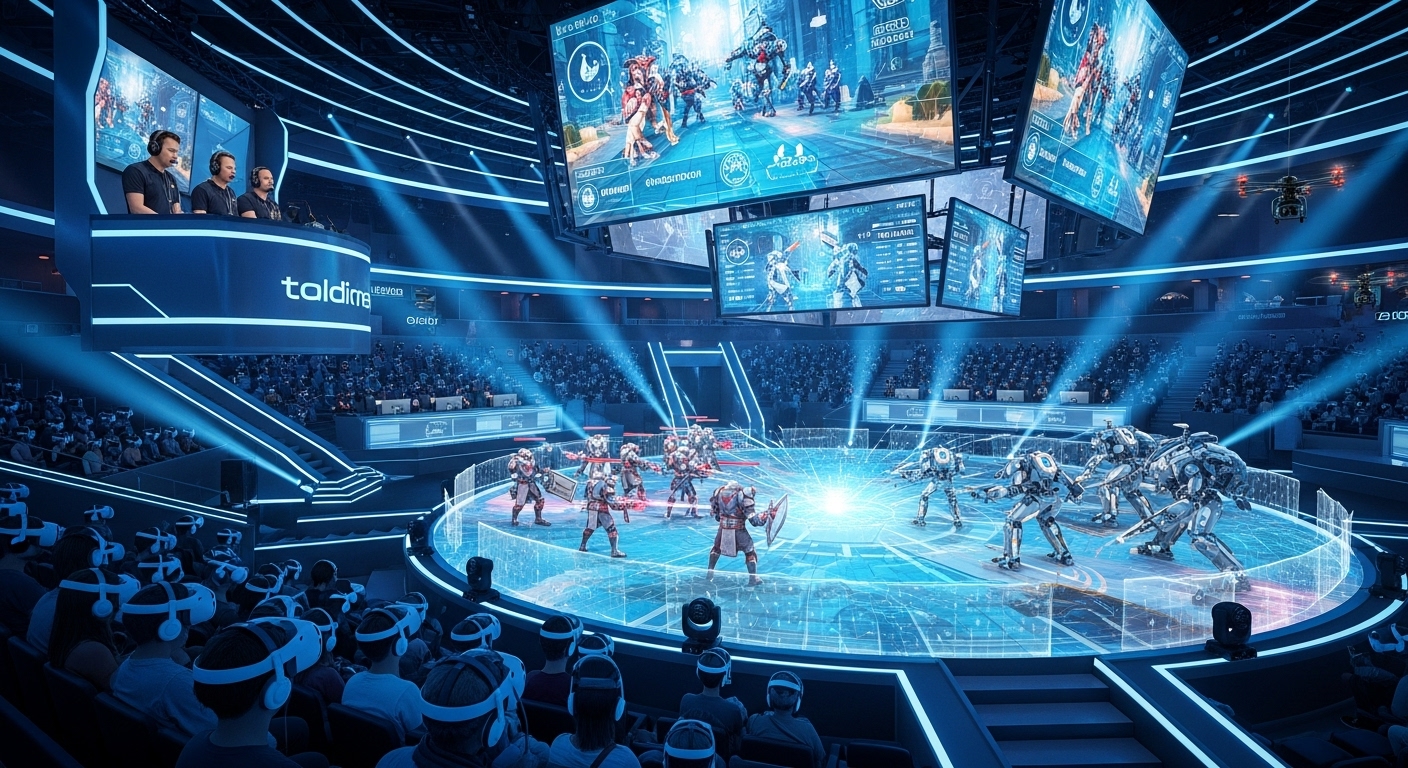
VR arenas are virtual spaces where esports events are hosted, and fans can participate as avatars. These arenas can simulate the atmosphere of a live event, complete with crowd noise, dynamic lighting, and interactive elements. Spectators can choose their vantage point, whether it’s courtside, from above, or even within the game itself, providing a personalized viewing experience.
Enhancing Spectator Engagement
Immersive Viewing Experiences
One of the primary advantages of VR arenas is the ability to offer immersive viewing experiences. Fans can feel as though they are physically present at the event, surrounded by other spectators, and can interact with the environment in real-time. This level of immersion is not achievable through traditional broadcast methods.
Interactivity and Social Features
VR arenas can incorporate social features that allow spectators to interact with each other and the event. Fans can chat, cheer, and even participate in mini-games or challenges during breaks in the action. These interactive elements enhance the sense of community and engagement among viewers.
Real-Time Data and Analytics
Advanced VR platforms can provide real-time data overlays, such as player statistics, heat maps, and performance metrics, directly within the spectator’s field of view. This integration of data enhances the understanding of the game and adds depth to the viewing experience.
Technological Advancements Driving VR Arenas
High-Quality VR Hardware
The development of high-quality, affordable VR headsets has been instrumental in the rise of VR arenas. Devices like the Meta Quest 3 and Pico 5 offer standalone VR experiences without the need for external computers, making VR more accessible to a broader audience HQSoftware.
Advanced Networking and Streaming
The success of VR arenas relies on robust networking and streaming technologies. Low-latency connections and high-bandwidth streaming ensure that the VR experience is smooth and responsive, even with large numbers of spectators.
AI and Machine Learning
Artificial Intelligence (AI) and machine learning algorithms can enhance the VR spectator experience by personalizing content recommendations, optimizing viewer engagement, and creating dynamic in-game events that respond to audience reactions.
Case Studies of VR Arena Implementations
EVA VR Esports Arena
EVA is a full-scale VR gaming experience where players are equipped with VR headsets and connected rifles, diving into first-person shooter games within a 5,400 sq ft play space. This setup allows for a free-roam VR experience, eliminating the common limitations found in traditional VR setups eva.gg.
Virtual Stadiums in Traditional Sports
Traditional sports leagues are also exploring VR to enhance fan engagement. For instance, Burnley Football Club offers a VR experience that allows fans to watch games from home as if they were at the stadium, complete with live commentary and stadium sounds Reuters.
The Future of Spectator Esports
Hybrid Events
The future of spectator esports may involve hybrid events that combine physical and virtual elements. Fans could attend live events in person or participate remotely through VR, choosing the experience that best suits their preferences.
Global Accessibility
VR arenas have the potential to make esports events accessible to a global audience, regardless of geographical location. This accessibility can lead to increased viewership and a more diverse fan base.
Integration with Other Technologies
The integration of VR with other emerging technologies, such as Augmented Reality (AR) and Artificial Intelligence (AI), can further enhance the spectator experience. For example, AR can overlay real-time statistics onto the VR environment, and AI can personalize content for individual viewers.
Challenges and Considerations
Technological Barriers
While VR technology has advanced significantly, there are still challenges related to hardware requirements, internet bandwidth, and latency that need to be addressed to ensure a seamless spectator experience.
Market Adoption
The adoption of VR arenas depends on the willingness of fans to invest in VR hardware and the availability of compelling content. Esports organizations must create engaging experiences that justify the investment for spectators.
Content Creation
Creating content for VR arenas requires new approaches to broadcasting and production. Traditional camera angles and commentary styles may need to be adapted to suit the immersive nature of VR environments.
Conclusion
VR arenas represent the next evolution in the spectator experience for esports, offering immersive, interactive, and personalized viewing opportunities. As technology continues to advance, the integration of VR into esports events is poised to transform how fans engage with their favorite games and players. While challenges remain, the potential benefits of VR arenas make them a promising avenue for the future of spectator esports.