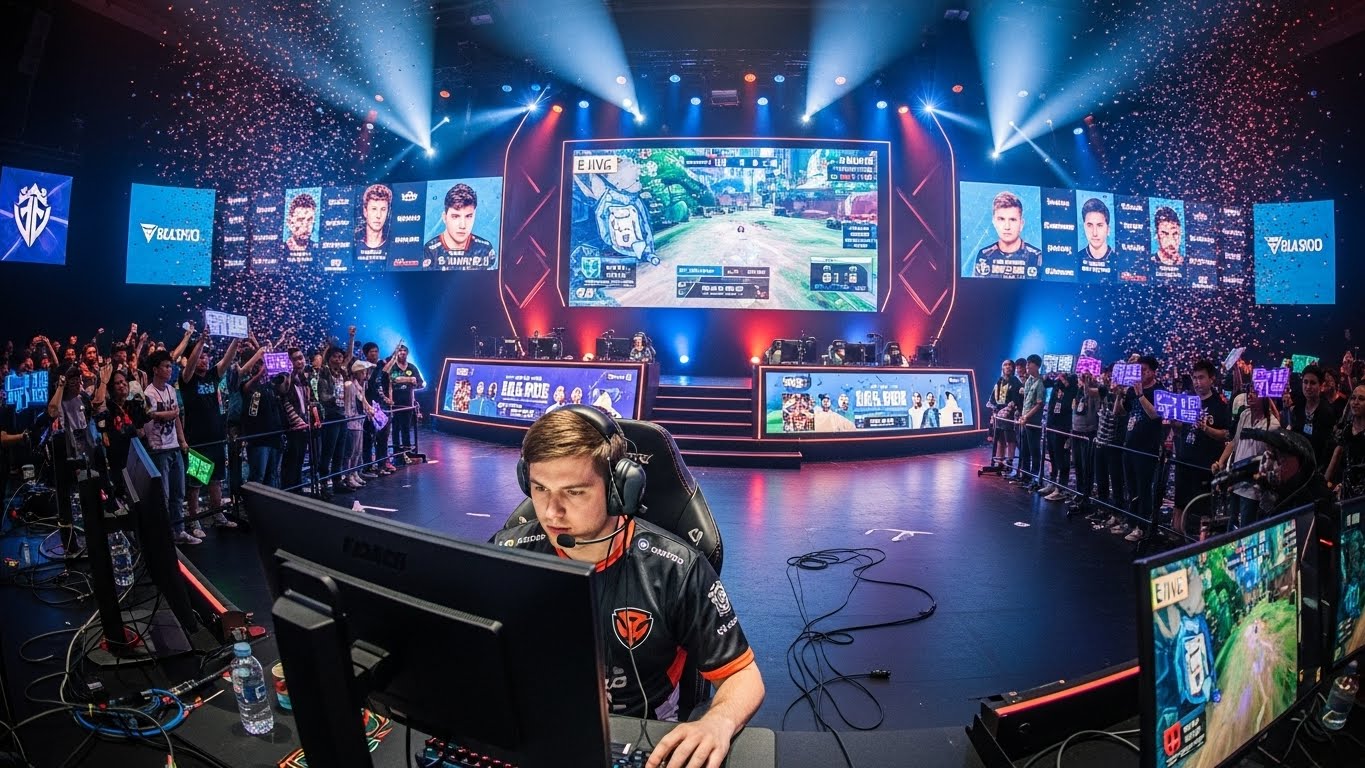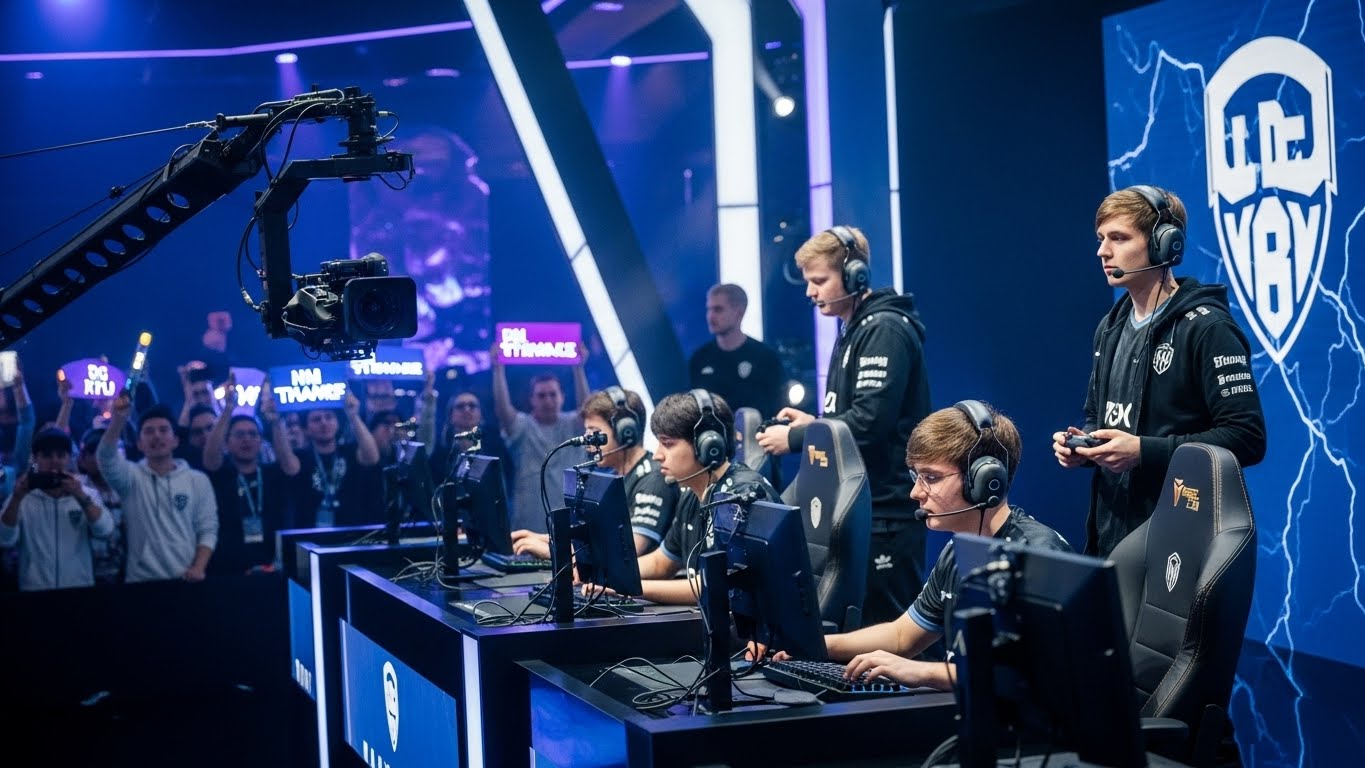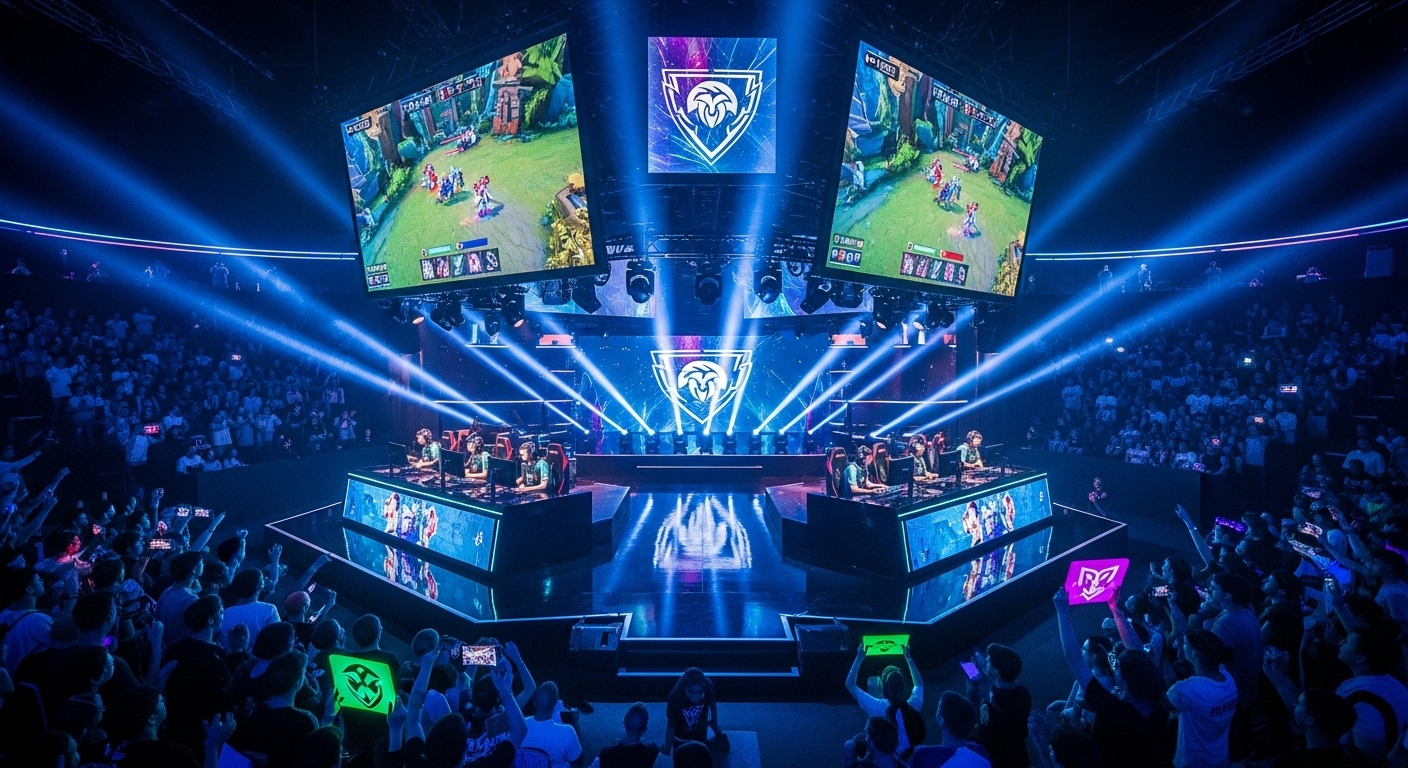

The world of competitive gaming and esports is evolving faster than ever. Behind every champion’s reflexes, strategies, and split-second decisions lies an equally advanced training system powered by technology. Future esports training camps are no longer simple bootcamps where players just scrim for hours. Instead, they are becoming tech-driven ecosystems that combine data science, artificial intelligence, virtual reality, and even neuroscience to push players toward peak performance.
Technology has always been central to esports, but the next generation of training camps takes it to a new level. From player analytics and real-time feedback to personalized coaching and mental conditioning, the innovations shaping these environments are transforming how players train, learn, and grow.
This blog explores how technology is redefining future esports training camps—what tools are being used, how they improve performance, and what the future holds for the next generation of players.
The Evolution of Esports Training Camps
In the early days of esports, training was mostly about putting in long hours of practice. Players would spend day and night grinding ranked matches or scrimming against other teams. Strategy discussions happened informally, and improvement relied heavily on individual motivation.
As the industry matured, so did its approach to training. Professional organizations began building dedicated facilities where players could train together under structured schedules. These training camps combined gaming setups, coaching, nutrition, and team-building exercises to enhance performance holistically.
Now, technology is ushering in a third phase—the era of intelligent training environments. These camps integrate advanced analytics, AI-driven performance tracking, virtual simulation, and biometric monitoring. The result is a system that not only improves mechanical skill but also optimizes mental, emotional, and physical health.
Data-Driven Performance Analysis
One of the biggest technological shifts in training comes from the rise of data analytics. Just like traditional sports use statistics to measure player efficiency, esports teams now rely on vast amounts of data to evaluate performance.
Every click, movement, and reaction is recorded. This data is then analyzed to identify patterns—such as decision-making speed, accuracy, positioning, or timing errors. Advanced analytics platforms can even break down a player’s performance under pressure, during specific in-game scenarios, or over long sessions.
For example, if a Valorant player tends to miss shots after long play sessions, coaches can adjust training to address fatigue. Similarly, League of Legends analysts can track map rotations or ward placement habits to refine team strategy.
By transforming gameplay data into actionable insights, training camps can design personalized improvement plans that target weaknesses and enhance strengths with surgical precision.
Artificial Intelligence and Machine Learning in Coaching
Artificial intelligence is becoming the backbone of modern esports training. AI systems can analyze thousands of hours of gameplay footage faster than any human coach. They identify hidden patterns, predict opponent strategies, and suggest optimal plays or counter-tactics.
Machine learning models learn from top-tier professional matches and create simulations that mirror elite-level competition. Players can then train against AI opponents that adapt dynamically, offering realistic challenges and helping them practice under varied conditions.
AI-driven coaching tools also provide real-time feedback. For instance, during a scrim, an AI assistant might alert a player about inefficient crosshair placement, late rotations, or poor ability usage. This immediate feedback helps players adjust faster than waiting for post-match reviews.
In the future, these AI coaches will become even more personalized—tailoring feedback not only to gameplay but also to a player’s unique learning style and performance history.
Virtual Reality (VR) and Augmented Reality (AR) Training
Virtual reality is another game-changing innovation transforming how players train. VR simulations immerse players in hyper-realistic environments where they can practice focus, reflexes, and awareness without the constraints of a single game.
For example, aim trainers in VR can simulate a variety of movement speeds, projectile paths, and spatial scenarios, enhancing hand-eye coordination. VR training also strengthens peripheral vision and reaction timing, both critical in first-person shooters and real-time strategy games.
Augmented reality (AR) is enhancing the coaching side. Coaches can use AR displays to visualize tactical data, such as player heatmaps, movement trails, or positioning overlays, right in the practice room. This visual learning approach makes strategy sessions more interactive and engaging.
As VR and AR technologies continue to advance, they will play a central role in developing a player’s intuition, focus, and spatial intelligence—skills that are often hard to refine through normal gameplay alone.
Biometric Tracking and Health Monitoring
Future training camps are recognizing that peak performance in esports isn’t just about mechanical skill—it’s also about physical and mental well-being. That’s why biometric tracking is becoming an integral part of training.
Wearable technology like smartwatches, heart rate monitors, and EEG headbands track vital signs in real time. These devices measure metrics such as heart rate variability, stress levels, and even brainwave patterns to gauge focus and fatigue.
If a player’s reaction time slows down or stress indicators spike, the system alerts coaches to intervene—whether by adjusting workload, suggesting rest, or introducing mental relaxation techniques.
Biometric data is also used for long-term conditioning. By understanding each player’s physical and cognitive limits, training camps can create personalized routines that enhance endurance, focus, and recovery.
In essence, the esports athlete of the future will be trained like a Formula 1 driver—finely tuned through precise, data-driven optimization.
Mental Training and Neurofeedback
Mental resilience is a cornerstone of success in competitive gaming. Technology is making mental training more measurable and effective through neurofeedback systems.
Neurofeedback uses EEG devices to monitor brain activity during training. These systems help players identify when they’re distracted or anxious, allowing them to practice maintaining calm focus even in high-pressure situations.
Training camps are integrating mindfulness software, guided meditation tools, and stress-management apps to support emotional stability. Some camps use AI-driven mood analysis through facial recognition to detect signs of burnout or frustration early.
The result is a new kind of mental training that blends psychology, neuroscience, and technology to create balanced, emotionally intelligent players who perform consistently under pressure.
Personalized Learning Platforms
Every player learns differently. Some improve through repetition, others through strategic breakdowns or visual learning. Future training camps are leveraging personalized learning platforms powered by AI to tailor training experiences to each player’s learning style.
These systems track progress across multiple areas—mechanics, strategy, communication, and mindset—and automatically adjust the training plan to emphasize what the player needs most.
For example, a player struggling with decision-making might receive interactive scenario drills, while another who excels mechanically might get advanced team coordination exercises.
This individualized approach maximizes efficiency, ensuring that every minute of training contributes directly to player growth.
Smart Gaming Environments
Future training camps won’t just rely on technology in screens—they’ll be surrounded by it. Smart facilities equipped with AI-controlled lighting, temperature regulation, and ergonomic setups will create optimal environments for concentration and comfort.
Lighting systems that simulate natural circadian rhythms can enhance focus and reduce fatigue. Adjustable desks, chairs, and monitors minimize strain during long sessions.
Even air quality sensors and noise-cancellation systems will play a role in maintaining ideal conditions for mental clarity. These smart environments will help players sustain long hours of training without burnout or distraction.
Collaboration Through Cloud Technology
Cloud-based systems are transforming how teams collaborate, even when players are miles apart. Training camps no longer need all members physically present in one location. Cloud technology allows teams to share replays, strategies, and real-time analytics from anywhere in the world.
Scrims can take place across continents with minimal latency, thanks to powerful cloud servers. Coaches can remotely access performance dashboards and provide feedback instantly.
This flexibility allows teams to train continuously without logistical barriers, making global collaboration easier than ever.
Integration of AI Opponents and Virtual Teammates
In traditional sports, sparring and simulation are essential for improvement. In esports, AI is now filling that role. Future training camps will include AI teammates and opponents that mimic human-like behaviors with adaptive intelligence.
These virtual agents can analyze a player’s tactics and counter them intelligently, forcing players to think creatively and improve their adaptability. For team-based games, AI teammates can simulate specific playstyles—helping players prepare for upcoming matches by mimicking rival teams’ strategies.
This kind of controlled, adaptive training environment accelerates growth by offering limitless, customized practice scenarios.
Holistic Player Development
Technology in training camps isn’t just about skill—it’s about building the complete athlete. Future systems integrate multiple aspects of development: nutrition, sleep optimization, psychology, and social bonding.
Apps and wearables track sleep cycles, recommend dietary changes, and schedule breaks based on biometric data. Some training camps even employ AI life coaches to help players balance personal and professional commitments.
By promoting holistic well-being, these innovations ensure that players not only perform better but also sustain longer, healthier careers.
Global Virtual Training Camps
The future of esports training may not even require physical facilities at all. With advances in cloud computing, VR, and high-speed internet, virtual training camps will become the norm.
In these digital environments, players from different regions can log in, communicate, and train together using shared holographic spaces or virtual classrooms. Coaches can observe in real time, using 3D tools to demonstrate tactics, analyze positioning, or review replays collaboratively.
This virtual ecosystem removes geographical boundaries, allowing talent from any part of the world to receive professional-level training and mentorship.
The Role of Big Data in Long-Term Development
Beyond individual matches or training sessions, big data is helping organizations track long-term player development. Over months or years, analytics platforms can monitor improvement trends, burnout risk, and player potential.
Teams can use this data to identify future stars early, develop tailored career paths, and even forecast performance in upcoming seasons. This scientific approach to scouting and growth will make esports development as structured as traditional sports academies.
The Human Element: Balancing Tech and Intuition
While technology is transforming training, the human element remains irreplaceable. Coaches, mentors, and teammates still play vital roles in motivating, guiding, and fostering teamwork.
The key to future training camps lies in balance—using technology to enhance, not replace, human connection. Data can show what to improve, but empathy, trust, and leadership are what truly inspire greatness.
The most successful organizations will be those that combine cutting-edge innovation with human wisdom, ensuring that players grow not just as competitors but as individuals.
Conclusion
Technology is reshaping the very foundation of esports training camps. From AI-driven coaching and VR simulations to biometric monitoring and cloud collaboration, these innovations are creating smarter, more efficient, and more inclusive training environments.
The future of esports training will be defined by precision, personalization, and holistic development. Players will have access to tools that optimize every aspect of their performance—mental, physical, and emotional.
But even as technology takes center stage, the essence of competition remains the same: passion, teamwork, and the pursuit of excellence. The champions of tomorrow will not only master their games—they will master the technology that helps them become the best versions of themselves.