
Introduction: The Evolution of Competitive Gaming
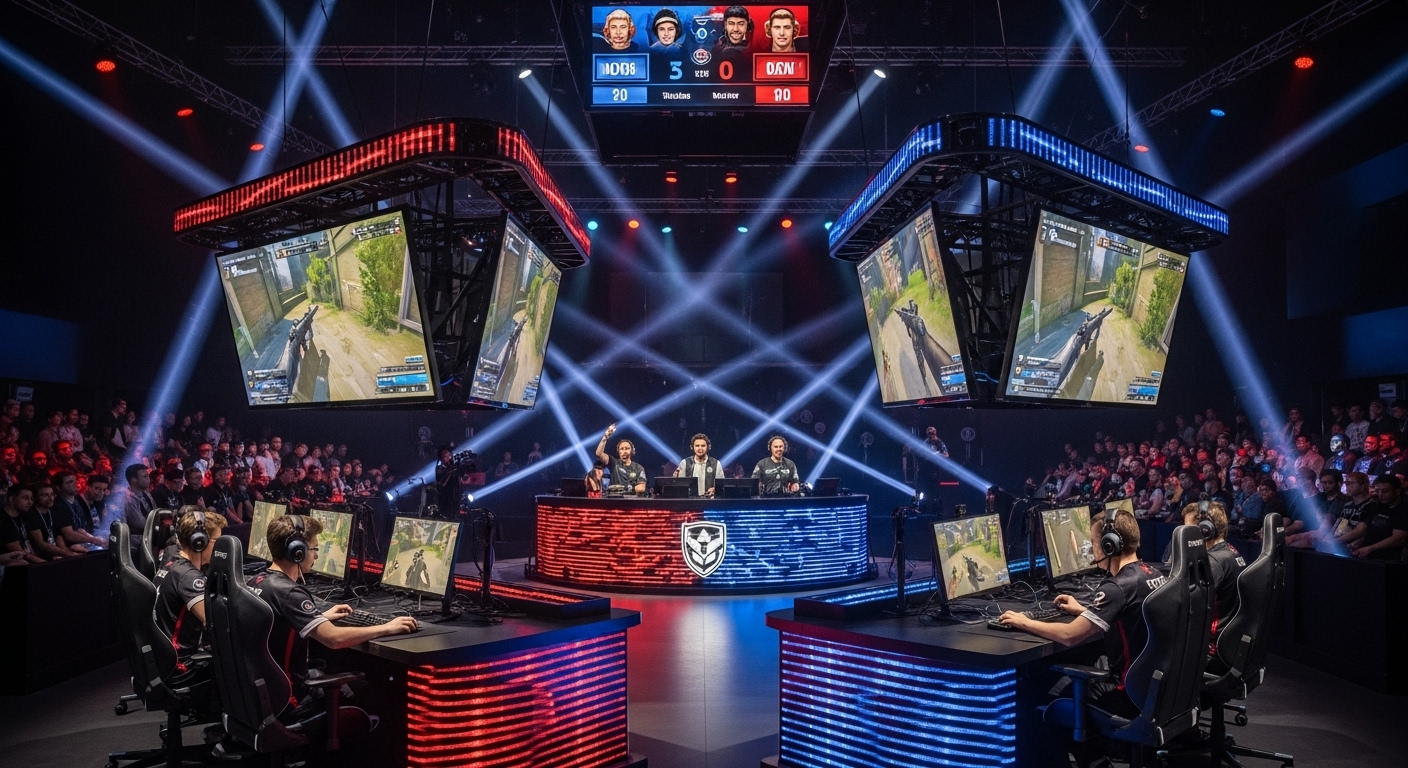
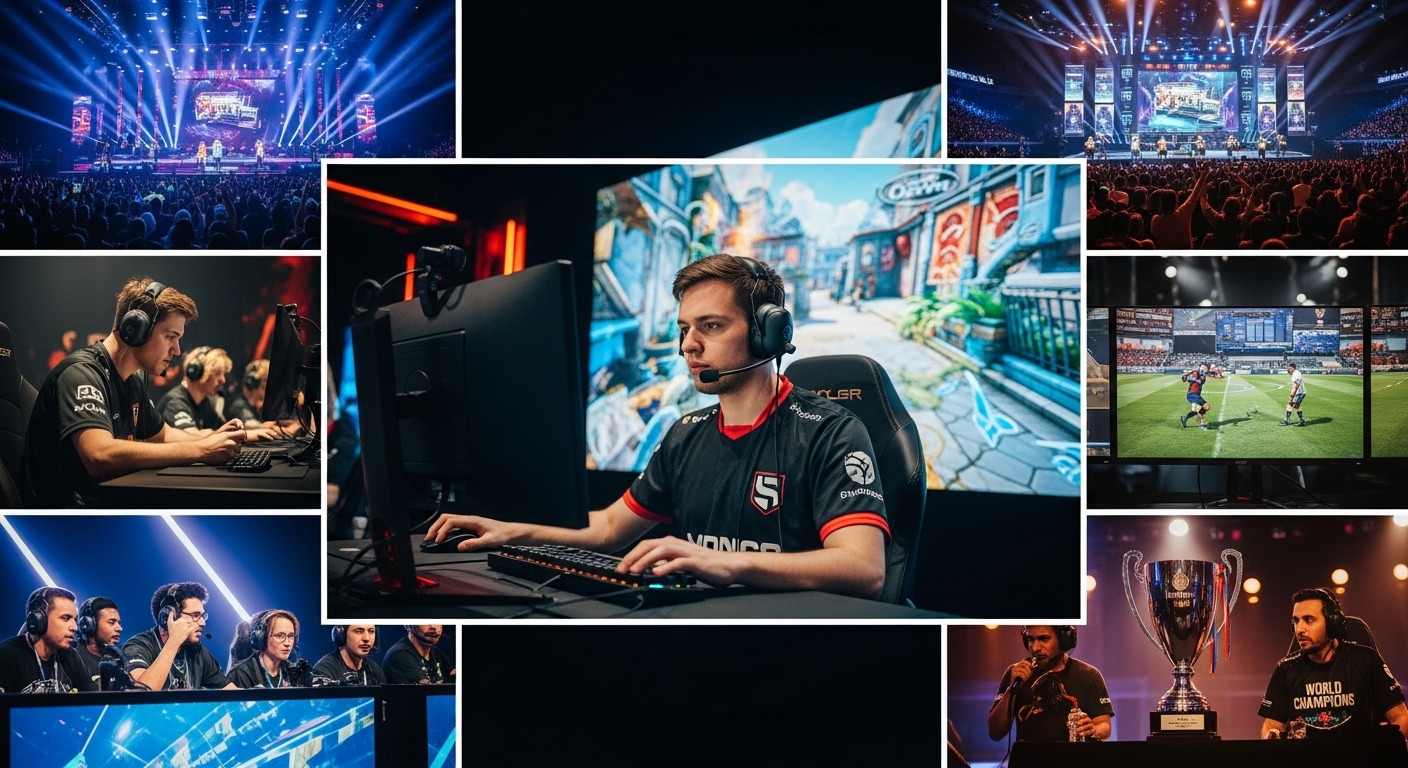
Esports, or electronic sports, has emerged as one of the fastest-growing entertainment industries in the world. What began as casual competitive gaming among friends has evolved into a global phenomenon with professional players, multi-million-dollar tournaments, and audiences numbering in the millions. Esports combines skill, strategy, teamwork, and technology, creating a unique form of competition that challenges traditional concepts of sports. This blog explores the history, growth, and impact of esports, highlighting its cultural, technological, and economic significance.
The Origins of Esports
The roots of esports trace back to the 1970s and 1980s when early video games like Pong and Space Invaders captured public attention. Players competed in arcades, testing their abilities for high scores and small prizes. These early competitions fostered a sense of community and friendly rivalry among gamers, laying the groundwork for organized competition.
During the 1990s, games such as Street Fighter, Mortal Kombat, and StarCraft introduced more complex mechanics and strategic depth, making competitive play more engaging. Local tournaments and national events began to emerge, drawing attention from gaming magazines and television programs. These competitions helped define the concept of esports as organized, skill-based gaming.
The Impact of Online Gaming
The advent of the internet revolutionized competitive gaming. Online multiplayer games allowed players from different regions to compete in real time, breaking down geographic barriers. Titles such as Counter-Strike, Warcraft III, and Dota provided platforms for players to demonstrate teamwork, strategy, and precision. Online communities emerged, where players could share tactics, form teams, and participate in global competitions.
Online connectivity not only increased accessibility but also expanded the reach of esports. Players could now build reputations and fan bases without relying on physical tournaments. This shift paved the way for the professionalization of esports and the formation of a global competitive ecosystem.
The Birth of Professional Esports Leagues
As competitive gaming grew in popularity, professional leagues and organizations emerged. Games like League of Legends, Dota 2, and Overwatch became central to professional esports, featuring structured leagues, rankings, and international tournaments. Players signed contracts, received salaries, and trained full time, similar to traditional athletes.
Esports teams developed coaching staff, analysts, and managers to optimize performance. Sponsorship deals with major companies legitimized esports as a career path, and media coverage expanded its audience. The formation of professional leagues helped establish standardized rules, fair competition, and recognition for players as skilled professionals.
Major Esports Titles and Their Influence
Certain games have shaped the competitive esports landscape. League of Legends, developed by Riot Games, popularized team-based strategy and tactical coordination. Its World Championship attracts millions of viewers worldwide and features elaborate production similar to traditional sports. Dota 2 is renowned for its complexity and massive prize pools, while Counter-Strike emphasizes precision, teamwork, and split-second decision-making.
Battle royale games such as Fortnite introduced new competitive formats, blending casual accessibility with high-level competition. Fighting games, sports simulations, and racing titles also contribute to the diversity of esports, appealing to various audiences and fostering distinct communities. Each game cultivates its own culture, competitive scene, and fan base, demonstrating the versatility of esports as an entertainment medium.
Streaming Platforms and Their Role in Esports Growth
Streaming platforms like Twitch and YouTube Gaming have transformed esports into a spectator phenomenon. Fans can watch tournaments, live streams, and highlight reels in real time, interacting with players and commentators. Streamers build personal brands, share insights, and engage directly with their audiences, strengthening community connections.
Streaming has also democratized content creation, allowing amateur players to gain recognition and develop careers. It has turned esports into a cultural force, where fans not only consume content but actively participate in shaping trends, memes, and narratives.
Esports as a Career
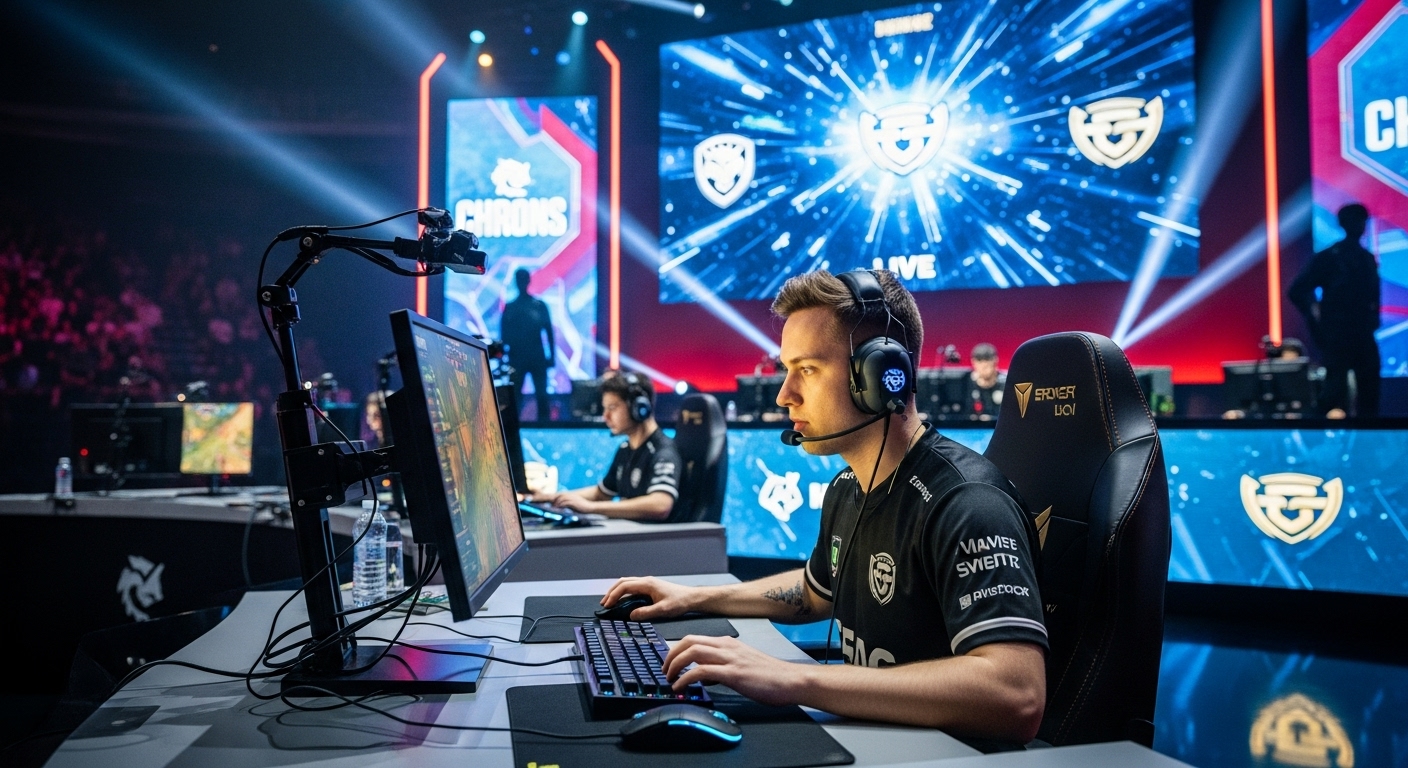
Professional esports players dedicate immense time and effort to their craft. Training schedules often exceed eight hours per day, focusing on game mechanics, strategy, teamwork, and communication. Physical fitness, nutrition, and mental health are also essential components of sustained performance.
Coaches, analysts, and managers provide guidance, helping players refine strategies and maintain consistency under pressure. Top players earn salaries, sponsorships, and tournament winnings, making esports a viable career option. While demanding, it offers recognition, financial reward, and personal fulfillment to those who succeed.
Global Esports Tournaments and Championships
Major esports tournaments draw global audiences and feature substantial prize pools. Events like The International (Dota 2), the League of Legends World Championship, and the Fortnite World Cup showcase top-tier talent and elaborate production. These tournaments are not only competitions but also cultural events, celebrating gaming as an art form and a sport.
Tournaments foster international communities, connecting fans from different regions through shared enthusiasm. They also provide opportunities for aspiring players to gain visibility and professional recognition. The global nature of these events highlights the universality of gaming and the power of digital connectivity.
Esports and Traditional Sports: A Convergence
Esports increasingly parallels traditional sports in structure and recognition. Professional leagues resemble conventional sports organizations, with franchised teams, coaching staff, and global broadcasting. Universities offer esports scholarships, and some countries officially recognize competitive gaming as a sport.
Esports emphasizes strategic thinking, teamwork, and mental resilience, qualities shared with traditional sports. Players experience pressure, competition, and public scrutiny similar to athletes in physical sports. This convergence broadens the definition of what constitutes athleticism and competitive skill.
Cultural Influence of Esports
Esports has become a significant cultural force. It influences fashion, music, and lifestyle trends, while inspiring documentaries, movies, and television programs. Memorable plays and iconic players become part of broader cultural conversations.
The esports community fosters creativity through fan art, streaming content, and cosplay. It also bridges generational and cultural gaps, demonstrating the power of digital media to unite diverse audiences. The cultural significance of esports extends beyond gaming, shaping entertainment, technology, and social interaction.
Technological Advancements Driving Esports
Technology underpins the growth of esports. High-performance computers, low-latency networks, and advanced peripherals ensure fair and competitive gameplay. Streaming technology enables live broadcasts to global audiences, while analytics software helps teams optimize performance and strategy.
Virtual reality and augmented reality are beginning to influence competitive gaming, creating immersive experiences. Artificial intelligence assists with data analysis, predicting trends, and refining gameplay techniques. These innovations ensure that esports remains dynamic, sophisticated, and continually evolving.
Health and Well-Being in Esports
The demands of professional esports extend beyond gaming skills. Mental and physical health are critical for sustained success. Players face long hours of practice, high-pressure competition, and stress. Teams employ psychologists, fitness coaches, and nutritionists to maintain player well-being.
Physical fitness enhances reaction time, stamina, and posture during extended gameplay sessions. Mental health support addresses stress management, focus, and burnout prevention. Attention to holistic well-being reflects the professionalization of esports and its alignment with traditional athletic disciplines.
Economic Impact of Esports
Esports is a billion-dollar industry with diverse revenue streams. Tournaments generate income through sponsorships, ticket sales, and merchandising. Streaming platforms provide advertising revenue, while organizations benefit from branded content and partnerships. Corporations view esports as an opportunity to reach young, tech-savvy audiences.
Franchised teams, content creation, and global tournaments contribute to sustained economic growth. The industry supports thousands of jobs, from players and coaches to event organizers and broadcasters. Investment in esports continues to rise, solidifying its position as a major contributor to the global entertainment economy.
Esports and Education
Educational institutions increasingly integrate esports into their programs. Universities offer scholarships, team programs, and competitive leagues to attract skilled players. Esports fosters teamwork, strategic thinking, problem-solving, and technological literacy, providing valuable life skills.
Academic programs in esports management, broadcasting, and game design prepare students for careers beyond professional play. The integration of esports into education underscores its legitimacy and highlights its potential to shape future industries.
Challenges Facing the Esports Industry
Despite its growth, esports faces challenges. Regulation, player welfare, and competitive integrity are ongoing concerns. Cheating, match-fixing, and online toxicity threaten fair competition. Cultural perceptions of esports as mere entertainment rather than a legitimate sport also persist.
Maintaining balance between professionalization, creativity, and community engagement is essential for sustainable growth. Addressing these challenges requires ethical practices, education, and industry-wide standards.
The Future of Esports
The future of esports promises further growth, innovation, and global integration. Emerging technologies such as virtual reality, cloud gaming, and AI analytics will enhance gameplay, audience engagement, and training. Esports will continue to expand internationally, attracting new participants and fans.
Integration with traditional sports may increase, with hybrid competitions and crossover events. Education, media, and corporate involvement will continue to rise, positioning esports as a central component of entertainment and culture. The trajectory of esports suggests a future where digital competition is celebrated and respected alongside conventional athletics.
Conclusion: Esports as a Cultural and Competitive Force
Esports has grown from modest arcade competitions into a professional, global, and culturally significant industry. It challenges traditional notions of sports, celebrates skill and strategy, and unites communities across borders. With technology, creativity, and global participation driving its growth, esports represents the future of competitive entertainment.
For players, it offers career opportunities, recognition, and personal achievement. For fans, it provides excitement, community, and cultural connection. As technology evolves and esports continues to expand, it will remain a defining force in entertainment, competition, and the global digital landscape.
Esports is more than gaming; it is a testament to the potential of human skill, innovation, and passion in the digital age.