
Introduction: The Rise of Esports
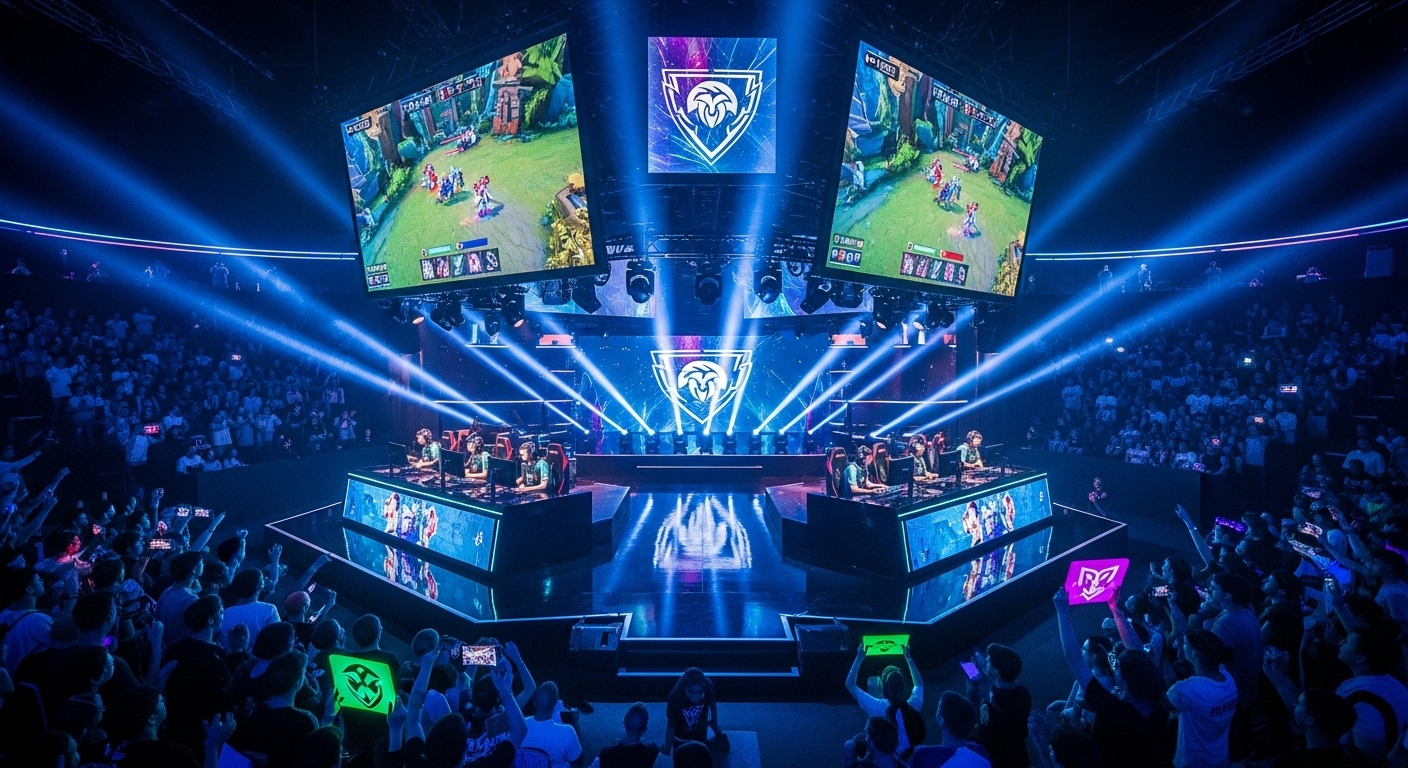
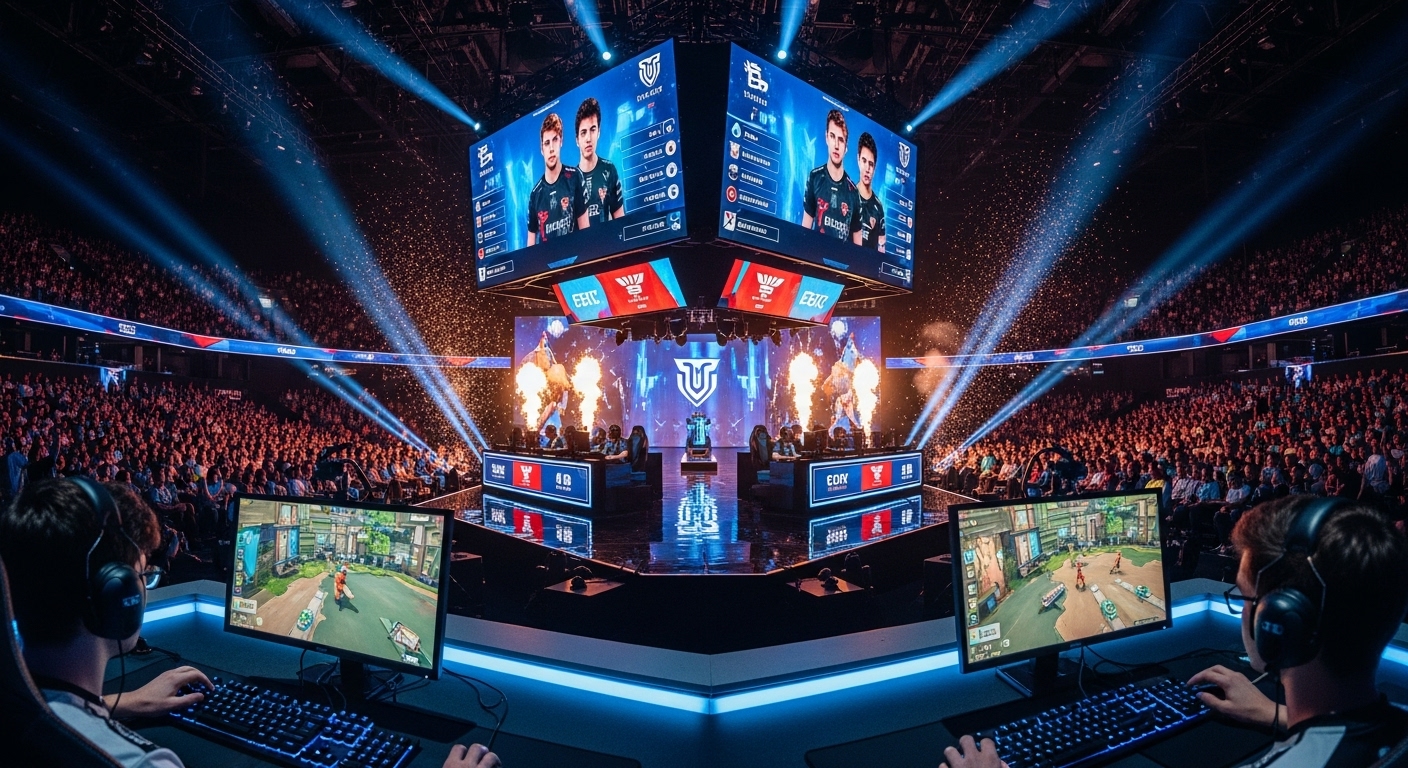
Esports, short for electronic sports, has grown from a niche pastime into a global phenomenon. Competitive gaming now attracts millions of players and fans worldwide, with tournaments offering substantial prize pools and professional recognition. Beyond mere entertainment, esports has become a platform for skill, strategy, and social connection, transforming the way we view competition in the digital age.
The Evolution of Esports
Esports began as casual gaming competitions among friends or local communities. Early tournaments were small, often held in arcades or gaming centers. The rise of high-speed internet and streaming platforms changed everything, allowing players to compete internationally and audiences to watch live online. Today, esports events fill arenas, attract sponsors, and receive mainstream media coverage, placing it on par with traditional sports in popularity and influence.
Popular Esports Genres
Esports encompasses a wide range of gaming genres, each offering unique challenges and experiences:
- Multiplayer Online Battle Arena (MOBA): Games like League of Legends and Dota 2 emphasize teamwork, strategy, and quick decision-making.
- First-Person Shooter (FPS): Titles such as Counter-Strike and Call of Duty test reflexes, accuracy, and coordination.
- Battle Royale: Games like Fortnite and PUBG combine survival, strategy, and fast-paced action.
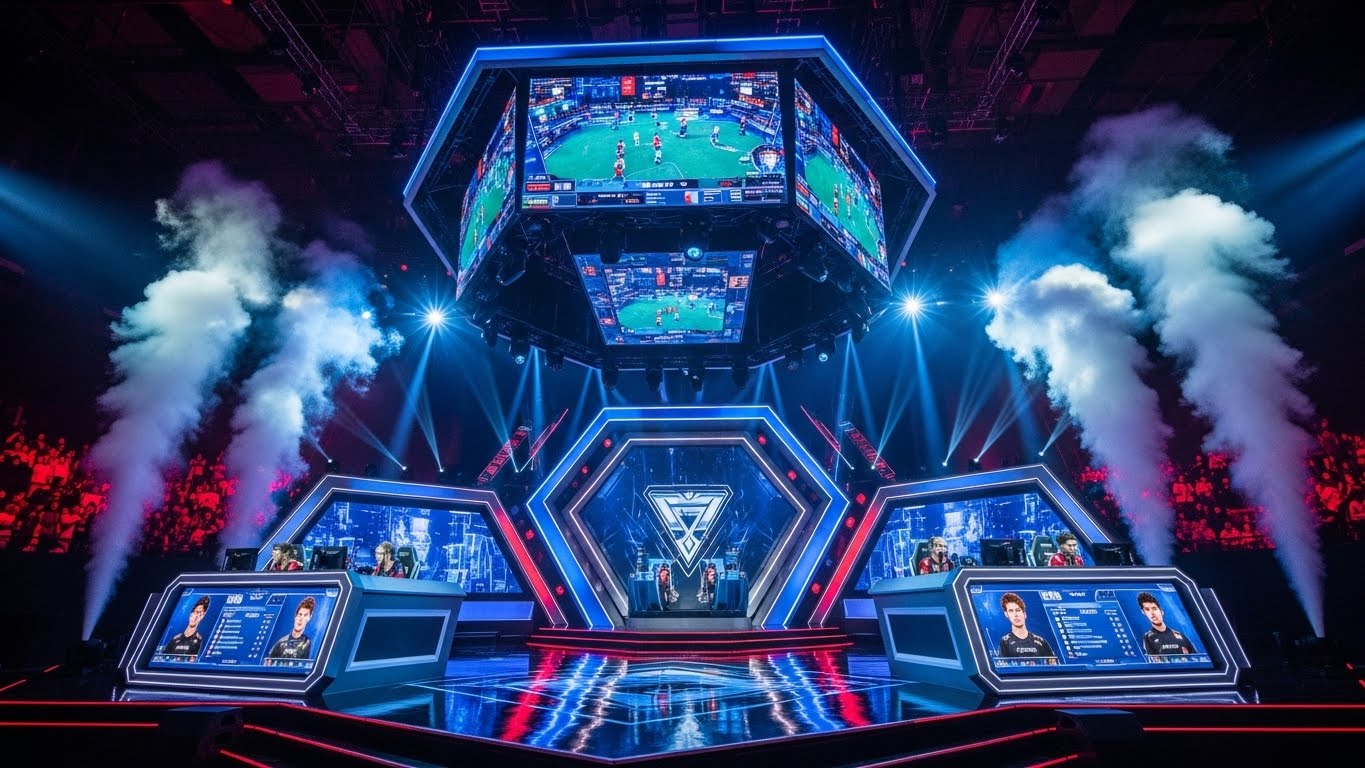
- Sports Simulations: FIFA and NBA 2K translate real-world sports into competitive digital play.
- Fighting Games: Street Fighter and Tekken focus on timing, skill, and one-on-one tactical battles.
Each genre attracts dedicated communities, contributing to the diversity and growth of the esports ecosystem.
Benefits of Esports
Esports offers more than entertainment; it provides cognitive, social, and professional advantages:
- Skill Development: Players enhance reflexes, critical thinking, and strategic planning.
- Teamwork and Collaboration: Multiplayer games promote communication and collective problem-solving.
- Career Opportunities: Professional players, coaches, analysts, and streamers can pursue esports as a full-time career.
- Global Connection: Esports unites people across cultures, creating vibrant online communities.
- Entertainment Value: Spectators enjoy thrilling competitions, strategy, and high-level gameplay.
These benefits highlight esports as a multifaceted platform that blends competition, learning, and social interaction.
Challenges in Esports
Despite its rapid growth, esports faces notable challenges. Players can experience stress, burnout, and pressure to perform. Online toxicity, cheating, and addiction are ongoing concerns. Additionally, the industry’s infrastructure, sponsorship, and support vary across regions, making it harder for some players to succeed professionally. Addressing these issues is vital for the long-term sustainability and credibility of esports.
The Future of Esports
The future of esports is poised for continued expansion. Emerging technologies like virtual reality, augmented reality, and AI-driven game design will create more immersive competitive experiences. Educational institutions are incorporating esports programs, and professional leagues are growing worldwide. As technology evolves, esports will further blur the line between gaming, entertainment, and traditional sports, cementing its place in mainstream culture.
Conclusion
Esports is more than a trend; it is a transformative force in digital entertainment. By combining skill, strategy, and global connectivity, esports has redefined how people compete and engage with video games. As the industry continues to grow, it will inspire new players, foster global communities, and reshape the future of competitive gaming for years to come.