Introduction: A New Era of Competition
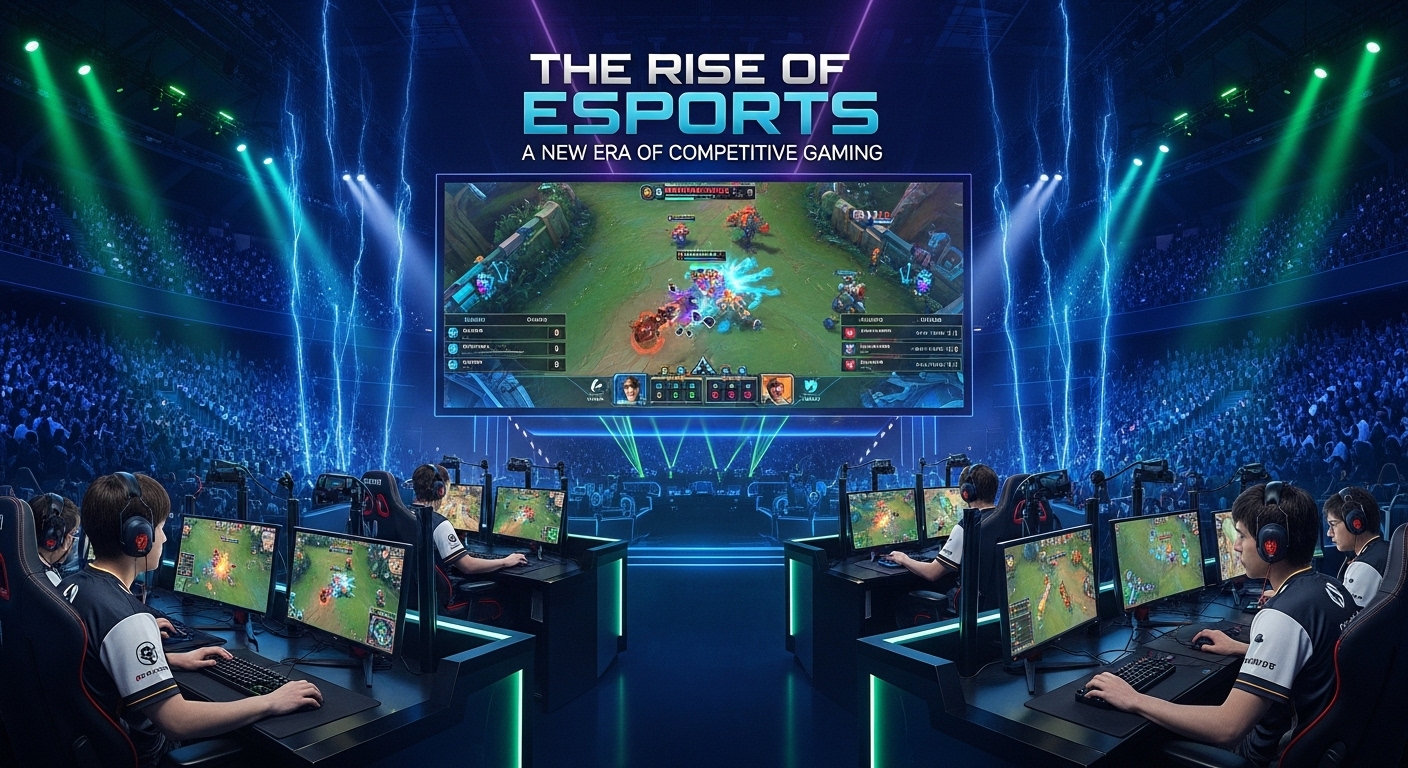
In the past two decades, the world has witnessed a revolution in entertainment and sports unlike any other. Esports, short for electronic sports, has transformed from a niche hobby into a global industry valued in the billions. What began as small gatherings of passionate gamers competing for bragging rights has become a cultural phenomenon that fills arenas, attracts massive online audiences, and generates career opportunities for millions. The term “Esports” no longer represents just gaming; it represents a movement, a lifestyle, and a legitimate form of competition that mirrors traditional sports in every way but with a digital twist.
Esports has successfully bridged the gap between technology, entertainment, and athletics. Players train for countless hours, follow rigorous schedules, and compete for international titles that carry prestige equal to some of the world’s most established sporting events. The rise of Esports is not only reshaping how we view gaming but also redefining how the world perceives competition, talent, and teamwork in the digital age.
The Origins of Competitive Gaming
To understand Esports today, one must look back at its humble beginnings. Competitive gaming traces its roots to the 1970s when early video games such as Space Invaders and Asteroids captivated the first generation of gamers. The first officially recognized video game competition took place in 1972 at Stanford University, where students competed in Spacewar! for a subscription to Rolling Stone magazine. Though small, that event planted the seeds of organized digital competition.
During the 1980s and 1990s, arcades and home consoles began to flourish. High score competitions became common, and titles like Donkey Kong and Pac-Man pushed players to their limits. As technology advanced, games began including multiplayer modes that encouraged head-to-head competition. The 1990s also introduced the first large-scale tournaments, particularly in Japan and South Korea, where competitive gaming began to gain cultural acceptance. The internet would soon change everything, providing the foundation for online multiplayer games and a global competitive community.
The Birth of Modern Esports
The late 1990s and early 2000s marked the true beginning of modern Esports. Games such as StarCraft, Counter-Strike, Quake III Arena, and Warcraft III became the cornerstones of organized competition. South Korea emerged as the epicenter of Esports, with professional teams, sponsors, and television broadcasts dedicated solely to gaming competitions. The Korean government even supported Esports infrastructure, recognizing its potential for economic and cultural impact.
The creation of professional leagues like the Cyberathlete Professional League (CPL) and Major League Gaming (MLG) in the early 2000s helped standardize competition. For the first time, gamers could pursue professional careers with salaries, sponsorships, and structured tournaments. Gaming was no longer a pastime—it became a profession. As broadband internet expanded globally, online tournaments connected players from all corners of the world, establishing Esports as a truly international phenomenon.
The Explosion of Online Platforms and Streaming
The mid-2010s brought a technological shift that propelled Esports into mainstream visibility: live streaming. Platforms such as Twitch, YouTube Gaming, and later Facebook Gaming allowed fans to watch professional gamers in real time. This innovation fundamentally changed how audiences engaged with gaming content. Unlike traditional sports broadcasts, Esports streams offered direct interaction between fans and players through chat systems, creating a sense of community and personal connection.
Streaming also provided a pathway for aspiring players to build audiences and attract sponsors. Suddenly, anyone with skill and charisma could showcase their talent to millions. Esports tournaments began attracting viewership numbers that rivaled those of major sporting events. The League of Legends World Championship and The International for Dota 2 drew millions of viewers online, proving that Esports had firmly entered the global entertainment arena.
Esports Titles That Defined a Generation
The diversity of Esports games is one of its greatest strengths. Each genre offers a unique competitive experience, appealing to different audiences and skill sets. Titles like Counter-Strike: Global Offensive, League of Legends, Dota 2, Overwatch, and Fortnite have become household names in the Esports community. Each of these games has built its own ecosystem of professional players, organizations, and leagues.
League of Legends, developed by Riot Games, stands as one of the most influential Esports titles ever. Its structured seasonal format, massive global championships, and iconic rivalries have made it a cultural mainstay. Similarly, Dota 2 set new records with The International, whose prize pools often surpass tens of millions of dollars thanks to community funding. Counter-Strike remains one of the longest-running competitive games in history, maintaining a consistent player base and professional circuit for over two decades.
Newer entries such as Valorant, Apex Legends, and Call of Duty: Warzone continue to evolve the Esports scene. These titles blend cutting-edge graphics, fast-paced gameplay, and spectator-friendly mechanics that make them ideal for broadcasting. The competition among developers to create the next major Esports title has further fueled innovation in game design and production.
Professionalism and the Rise of Esports Organizations
As Esports gained popularity, professionalism became essential. Teams began operating like traditional sports clubs, complete with managers, coaches, analysts, and sponsorship deals. Organizations such as Fnatic, Team Liquid, Cloud9, T1, and G2 Esports became global brands, representing excellence both in competition and in marketing. These teams recruit top talent, maintain training facilities, and participate in global tournaments that span continents.
Player contracts, endorsements, and salaries now rival those of athletes in conventional sports. Esports athletes often earn substantial income through tournament winnings, streaming revenue, and brand collaborations. Top players like Faker from League of Legends and s1mple from Counter-Strike have become icons, their fame extending beyond gaming circles. The professional structure has also introduced agents, legal teams, and player unions to ensure fair treatment and career sustainability.
The Globalization of Esports
Esports is a truly global industry. Unlike traditional sports bound by geography or physical infrastructure, Esports transcends borders. Players from Asia, North America, Europe, and increasingly Latin America and the Middle East compete on equal footing. International tournaments such as the Overwatch World Cup and FIFA eWorld Cup showcase talent from dozens of countries.
South Korea remains a powerhouse, especially in games like StarCraft and League of Legends. China’s Esports market has exploded, fueled by government support and a massive player base. Western nations have also embraced Esports through collegiate leagues, professional franchises, and integration with major entertainment networks. The global nature of Esports ensures a constant exchange of culture, strategy, and innovation that keeps the industry dynamic and ever-evolving.
Esports Arenas and Spectator Culture
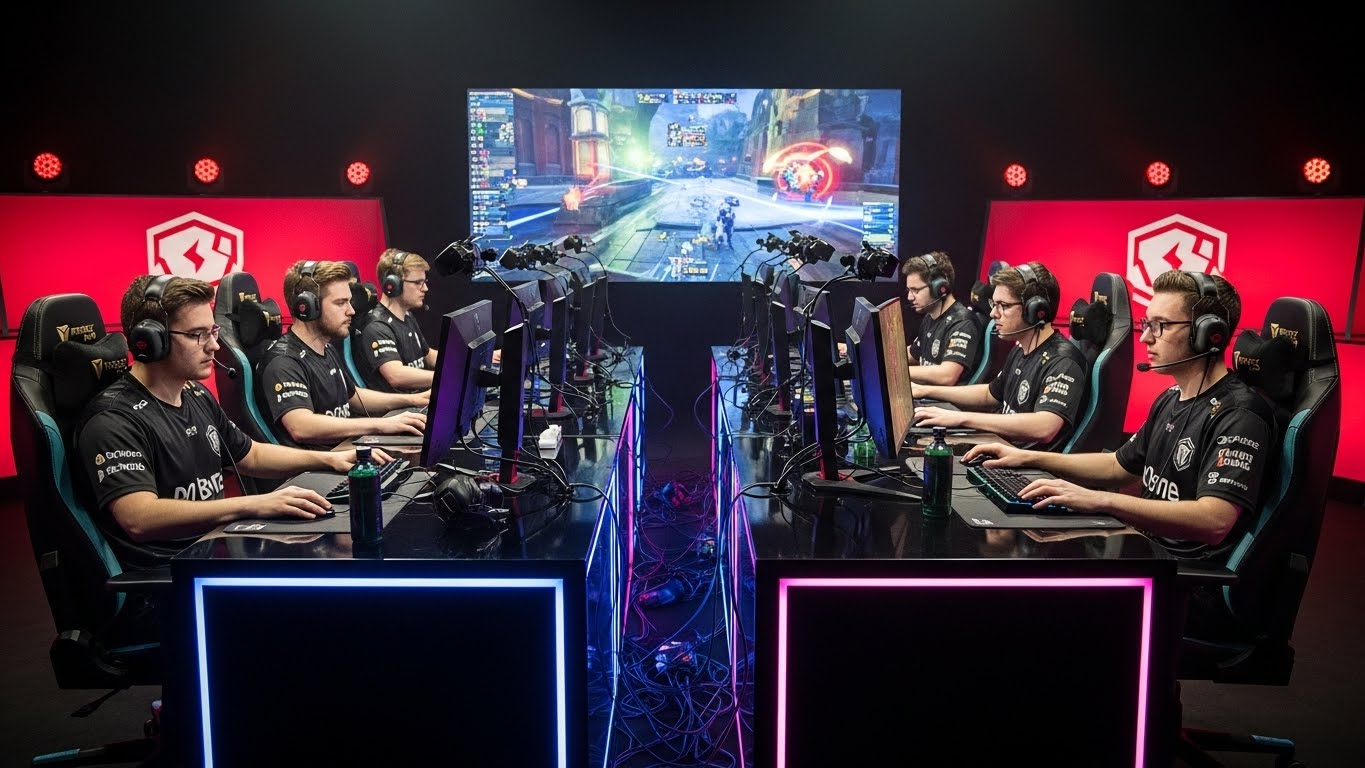
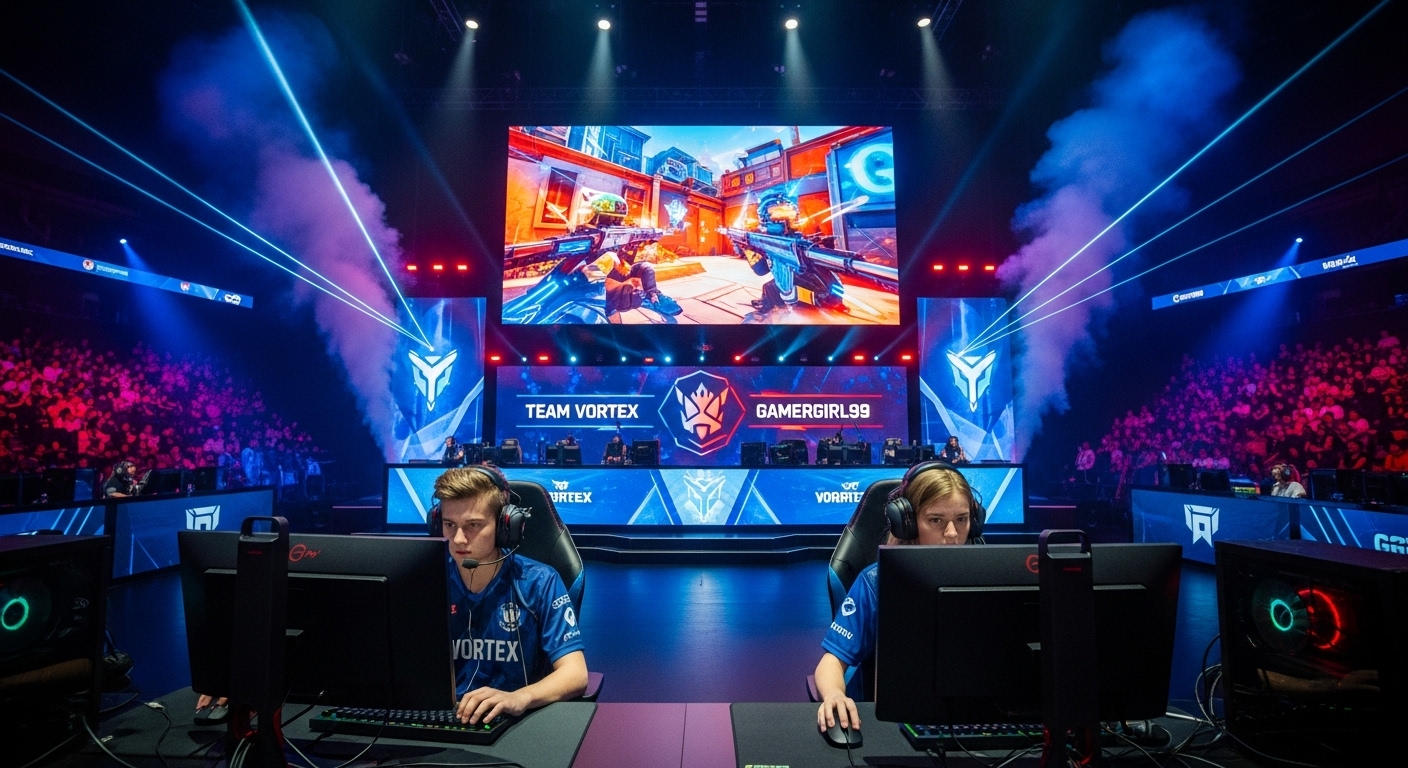
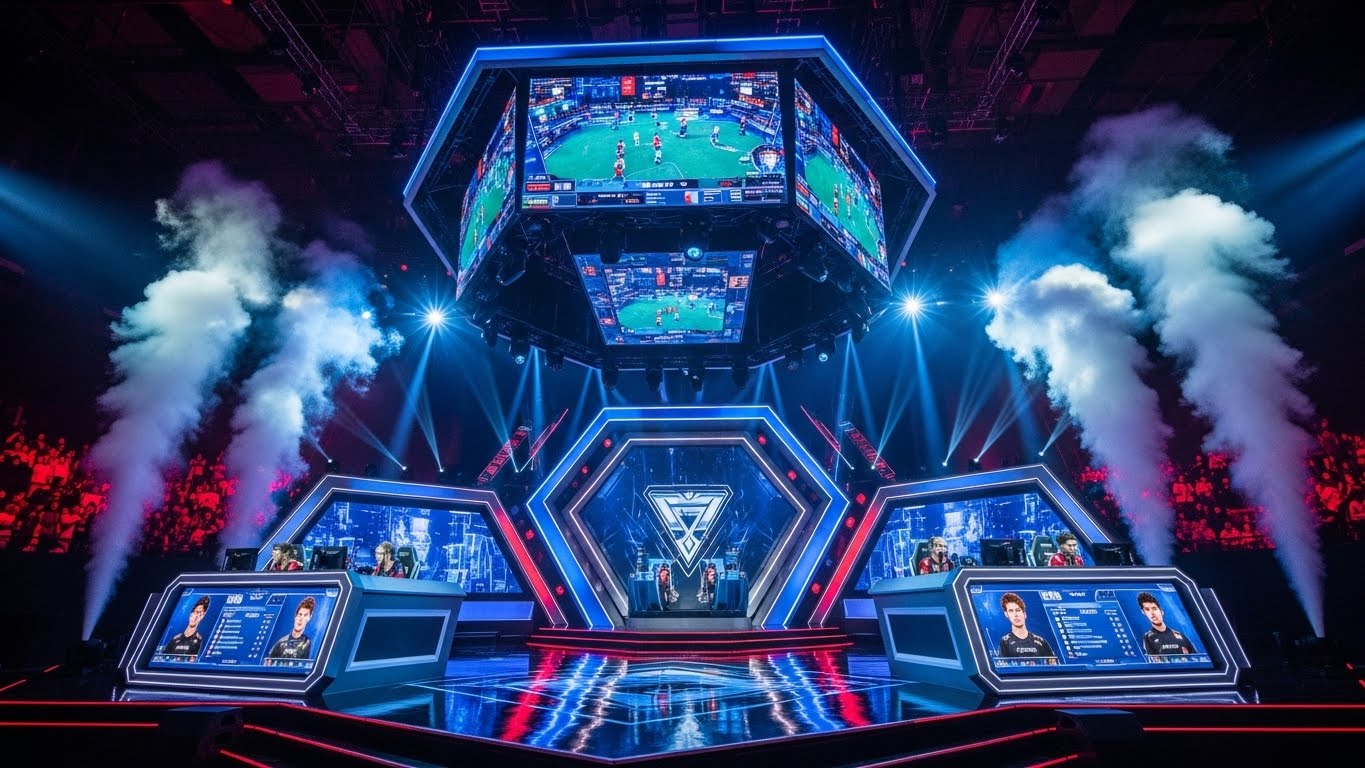
One of the most remarkable developments in Esports is the rise of dedicated arenas and live events. Once confined to online streams, Esports competitions now fill massive venues such as the Staples Center in Los Angeles or the Bird’s Nest Stadium in Beijing. These events feature elaborate stage setups, immersive lighting, and high-energy commentary that rival any traditional sporting event.
Fans attend in droves, dressed in team jerseys and waving digital banners. The atmosphere is electric, blending the intensity of a sports match with the creativity of a gaming festival. Large screens project the gameplay, while casters narrate every move, making it easy for both hardcore fans and newcomers to follow. The sense of community among Esports fans is powerful; they connect through shared passion, online discussions, and fan art that celebrates their favorite players and teams.
Esports and Education
The integration of Esports into education marks another milestone in its legitimacy. Universities and schools around the world now offer Esports scholarships, degrees in game management, and competitive collegiate leagues. Programs focus not only on gameplay but also on related fields such as marketing, event organization, game design, and broadcasting.
Esports provides students with valuable skills including teamwork, communication, leadership, and strategic thinking. It also offers a sense of belonging for students who may not participate in traditional athletics. Colleges in North America, Europe, and Asia have established official Esports teams that compete regionally and nationally, further blurring the line between academic and athletic pursuits.
The Economics of Esports
Behind the glamour of tournaments lies a massive and complex economy. Revenue in Esports comes from multiple sources: sponsorships, advertising, media rights, merchandise sales, and ticketing. Major corporations recognize the potential of Esports to reach younger, digitally native audiences. Brands ranging from energy drinks to tech companies invest millions to associate themselves with Esports teams and events.
Prize pools have reached astonishing levels, with some tournaments offering more than thirty million dollars in winnings. Broadcasting rights have become a competitive business as platforms vie for exclusive access to top events. Meanwhile, merchandise sales and fan engagement campaigns have created new streams of income that rival those of established sports leagues.
Esports as a Career Path
A decade ago, the idea of gaming as a career was often met with skepticism. Today, it’s a viable and respected path. Beyond professional players, the Esports industry supports a wide range of roles: shoutcasters, analysts, coaches, production crew, event managers, and marketers. Each contributes to an ecosystem that continues to expand as demand for content and competition grows.
Streamers and content creators often begin by broadcasting gameplay but can evolve into influential personalities with millions of followers. Esports also offers opportunities in game development, journalism, social media management, and data analytics. As the industry matures, so do the professional standards, providing long-term career stability for those passionate about gaming.
Challenges and Criticisms
Despite its success, Esports faces several challenges. Player burnout is a significant issue due to intense training schedules, travel, and mental pressure. Unlike traditional sports, where physical injury is common, Esports athletes risk repetitive strain injuries and mental fatigue. Organizations are now investing in physical training, mental health support, and balanced work routines to protect their players.
Another challenge is the lack of universal regulation. Each game developer controls its competitive ecosystem, leading to inconsistencies in rules, contracts, and tournament structures. Issues such as cheating, match-fixing, and doping scandals have occasionally tainted the industry’s image. However, regulatory bodies and professional leagues are working toward standardized ethics and governance to ensure integrity and fairness.
The Role of Technology and Innovation
Esports thrives on technology. Advancements in hardware, software, and internet infrastructure directly influence gameplay quality and spectator experience. High-refresh-rate monitors, powerful processors, and ultra-fast networks ensure smooth performance for both players and viewers. Virtual reality (VR) and augmented reality (AR) are also being explored as the next frontier for immersive Esports experiences.
Artificial intelligence and data analytics are revolutionizing how teams train. Coaches now analyze in-game data to identify patterns, predict opponent strategies, and optimize player performance. Meanwhile, streaming technology continues to evolve, offering 4K resolution, instant replays, and interactive overlays that enrich the viewing experience. As technology advances, Esports will continue to evolve alongside it.
Mainstream Recognition and Media Integration
Esports has achieved mainstream recognition faster than many anticipated. Major television networks have begun broadcasting tournaments, while streaming platforms provide 24-hour Esports coverage. Traditional sports organizations, including the NBA and Formula 1, have launched their own Esports divisions to engage new audiences. The inclusion of Esports in major events such as the Asian Games demonstrates growing institutional support.
Celebrities and athletes from outside gaming have also invested in Esports teams, further legitimizing the industry. The cultural crossover between gaming, music, and sports has created a hybrid entertainment space where boundaries blur. Esports events are now as much about spectacle and storytelling as they are about competition.
The Social Impact of Esports
Beyond entertainment, Esports has significant social influence. It fosters global communities that transcend language and geography. Players from different backgrounds unite under a shared passion, building friendships and networks that would otherwise be impossible. Esports has also become a platform for inclusivity, with initiatives promoting diversity and accessibility for all genders and abilities.
Charity tournaments and fundraising events demonstrate the industry’s potential for positive change. During crises, the gaming community often mobilizes quickly, raising millions for humanitarian causes. Moreover, Esports challenges stereotypes about gamers by highlighting discipline, teamwork, and creativity as central values.
The Future of Esports
The future of Esports looks incredibly promising. With advancements in virtual technology, 5G connectivity, and AI-driven gameplay, the boundaries between reality and virtual competition will continue to fade. We may soon witness mixed-reality tournaments where physical and digital worlds merge seamlessly.
Esports is also expected to gain further recognition as an official sport in global competitions. The possibility of Esports appearing in future Olympic events is no longer a distant dream. Governments, educators, and corporations are increasingly recognizing its cultural and economic potential.
As younger generations grow up with gaming as a central part of their identity, Esports will only become more embedded in mainstream culture. The future will likely bring even greater integration between gaming, entertainment, and social interaction—an evolution that continues to redefine what it means to compete and connect in the digital age.
Conclusion: The Digital Evolution of Human Competition
Esports is more than just a trend; it is a reflection of the modern world’s fusion of technology and human ambition. It captures the essence of competition, teamwork, and creativity while embracing the digital tools of the 21st century. From local tournaments to sold-out world championships, Esports embodies the limitless potential of human connection through play.
What began as a hobby for enthusiasts has grown into a cultural and economic powerhouse. It represents the spirit of innovation and the universal desire to compete, achieve, and entertain. As technology continues to evolve and global connectivity deepens, Esports will remain at the forefront of the world’s cultural transformation—proof that competition, at its core, knows no boundaries, whether played on a field or inside a digital arena.