Sports have always been more than just a form of entertainment. From the roar of the crowd in a packed stadium to the quiet moments of personal triumph on a neighborhood track, sports influence our lives in ways that go far beyond the scoreboard. They teach lessons, build character, foster communities, and even shape national identities. In this blog, we will explore the multifaceted world of sports and their profound impact on individuals and society.
The Universal Language of Sports
One of the most fascinating aspects of sports is their universality. Regardless of culture, language, or geography, sports have the power to bring people together. Whether it’s soccer in Brazil, cricket in India, basketball in the United States, or rugby in New Zealand, sports transcend barriers. They create a shared experience where people can celebrate victories, grieve losses, and connect over a common passion.
The beauty of sports lies in their simplicity. A ball, a field, or even a makeshift playground can become the center of thrilling competition and camaraderie. Children in remote villages can learn teamwork and perseverance without ever stepping foot in a professional stadium. This universality of sports not only fosters inclusivity but also instills a sense of belonging and purpose in participants from all walks of life.
Physical Benefits: Strengthening Body and Mind
It is impossible to discuss sports without acknowledging their physical benefits. Regular participation in sports improves cardiovascular health, strengthens muscles, enhances flexibility, and boosts overall fitness levels. Engaging in physical activity from a young age helps build strong bones, improves coordination, and contributes to long-term health.
But the benefits of sports go beyond the physical. Studies have shown that physical activity through sports enhances mental health, reducing stress, anxiety, and depression. The discipline required in training, the focus during competition, and the satisfaction of achieving goals contribute to improved cognitive function and emotional resilience. Sports teach us that progress is the result of consistent effort, a lesson that translates into everyday life.
The Psychological Impact: Resilience and Mental Toughness
Participating in sports is as much a mental challenge as it is a physical one. Athletes learn to handle pressure, cope with failure, and maintain focus under stress. The mental fortitude developed on the field can be life-changing. For instance, a basketball player missing a crucial free throw or a sprinter stumbling in the final lap learns valuable lessons in perseverance, composure, and resilience.
This mental toughness extends far beyond the sports arena. Individuals who engage in sports often excel in professional and personal pursuits because they have learned to set goals, deal with setbacks, and maintain motivation. Sports cultivate a mindset that embraces challenges rather than fears them, instilling confidence and self-belief.
Building Character and Life Skills
Beyond fitness and mental toughness, sports are a powerful tool for character development. They teach essential life skills such as teamwork, leadership, discipline, time management, and empathy. Being part of a team requires communication, cooperation, and mutual respect, skills that are invaluable in any professional or social context.
Leadership emerges naturally in sports. Captains and key players learn how to motivate others, strategize under pressure, and take responsibility for both successes and failures. Discipline comes through regular practice, adherence to rules, and maintaining focus on long-term goals. These lessons, when internalized, become guiding principles that shape individuals into responsible and resilient adults.
The Role of Sports in Social Change
Sports have also played a crucial role in social change throughout history. They have been a platform for breaking down racial, gender, and social barriers. Icons like Jackie Robinson, Serena Williams, and Muhammad Ali not only achieved greatness in their respective sports but also challenged societal norms and inspired generations.
Sports provide a stage where talent and determination can shine irrespective of background. They encourage inclusivity and equal opportunity, showing that success is earned through effort, skill, and perseverance rather than privilege. Additionally, sports programs in underserved communities can foster social cohesion, provide mentorship, and create pathways to education and employment.
Sports and National Identity
On a larger scale, sports are often intertwined with national identity and pride. International competitions like the Olympics, the FIFA World Cup, and the Rugby World Cup become moments where nations unite behind their athletes. Victories and even spirited performances on the global stage can evoke a sense of collective achievement and belonging.
Athletes often become symbols of national pride, inspiring citizens and fostering unity in times of challenge. The success of a national team can create a shared cultural experience, strengthening the social fabric and promoting a sense of global connection through friendly competition.
The Evolution of Modern Sports
The world of sports has evolved dramatically over the past century. Professional leagues, technological advancements, and media coverage have transformed sports into a global industry. Fans can now follow their favorite teams and athletes in real-time, from anywhere in the world, creating a global community of enthusiasts.
Technology has also influenced training, performance analysis, and injury prevention. Athletes have access to data-driven insights that help optimize performance, refine techniques, and extend careers. The integration of science and sports has pushed the limits of human potential, leading to feats that were once considered impossible.
Youth Engagement and Grassroots Development
Grassroots sports programs are essential for nurturing talent and instilling the values of sports from a young age. Schools, community centers, and local clubs play a crucial role in introducing children to various sports, teaching them basic skills, and fostering a love for physical activity.
Participation in sports from an early age promotes healthy habits, social interaction, and self-discipline. Young athletes learn to balance academics and training, manage competition, and navigate both success and failure. These experiences contribute to holistic development and lay the foundation for future achievements, whether in professional sports or other areas of life.
Sports as Entertainment and Cultural Phenomenon
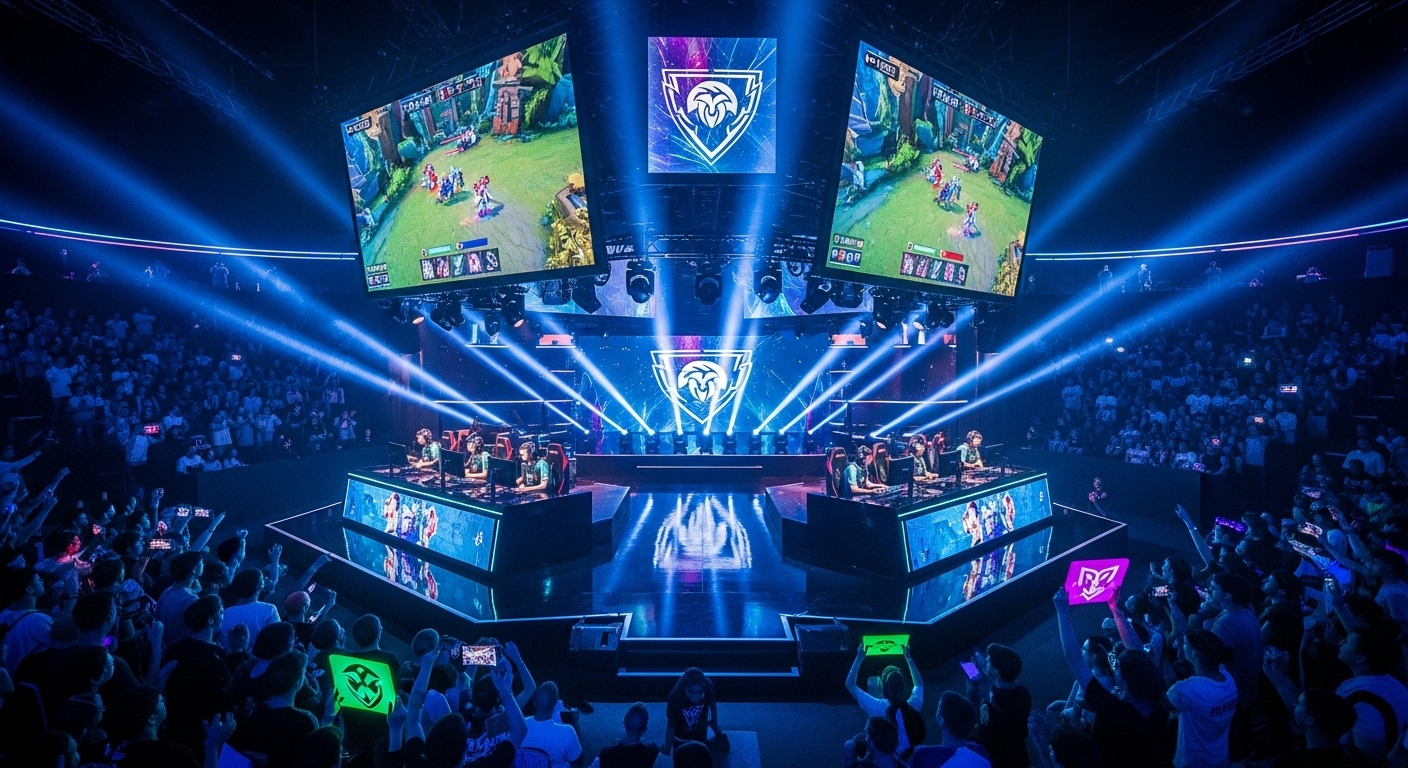
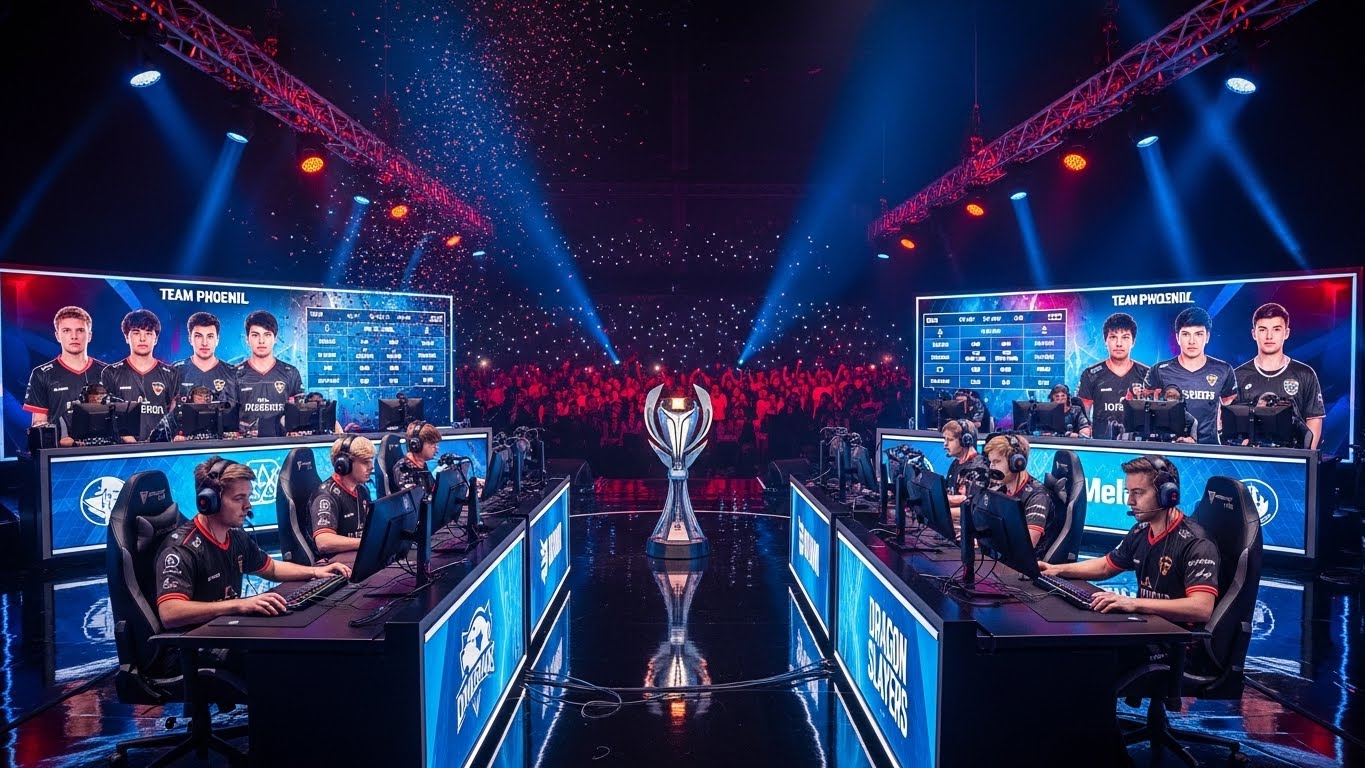
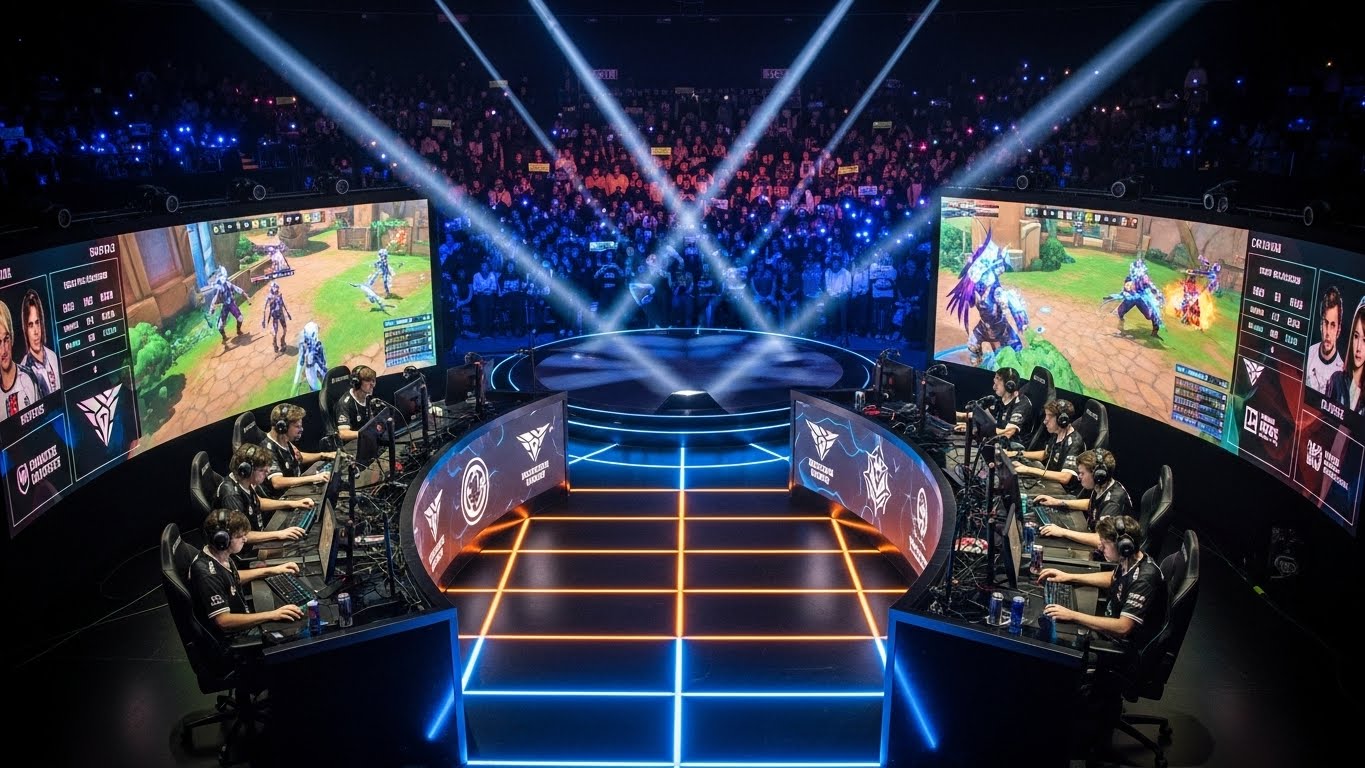
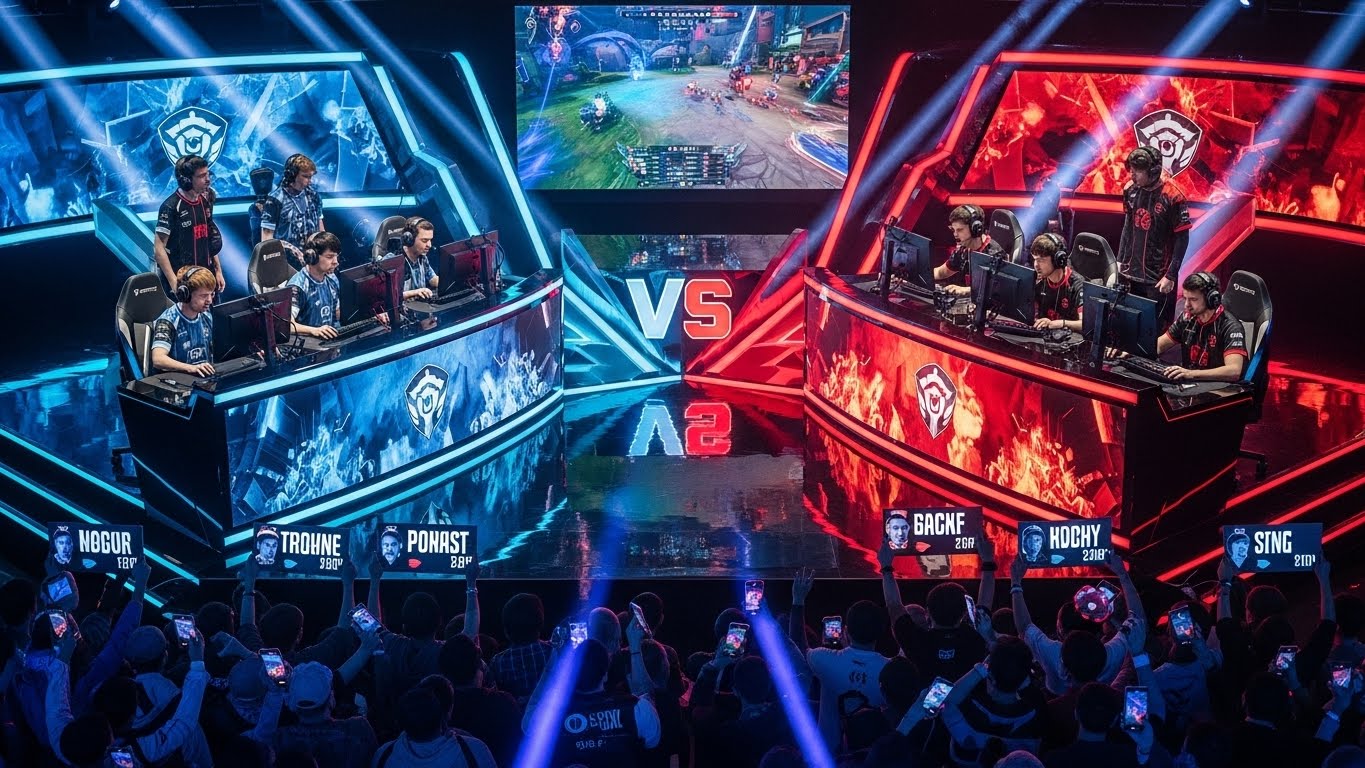
Sports are also a major form of entertainment and cultural engagement. Millions of fans around the world follow their favorite teams, celebrate victories, and share in the emotional highs and lows of competition. Sports events have become cultural phenomena, influencing fashion, music, and media.
The narratives created by sports—the underdog story, the comeback, the rivalries—resonate with people on a deeply human level. They offer drama, excitement, and inspiration, providing moments that fans remember and cherish for a lifetime. Sports bring people together, create traditions, and inspire creativity in countless ways.
The Future of Sports
Looking ahead, the future of sports promises to be as dynamic and exciting as its past. Advancements in technology, changes in social attitudes, and global connectivity are shaping new ways to engage with sports. Virtual and augmented reality, wearable technology, and enhanced analytics are transforming training, competition, and fan experiences.
Moreover, sports will continue to be a vehicle for social impact, promoting inclusivity, sustainability, and global cooperation. As awareness of mental health, equality, and environmental responsibility grows, sports organizations are increasingly prioritizing holistic well-being for athletes and communities alike. The essence of sports—competition, teamwork, and passion—remains timeless, while its forms and applications continue to evolve.
Conclusion: More Than Just a Game
Sports are far more than a pastime; they are a reflection of human ambition, resilience, and community. They shape character, strengthen minds and bodies, and bring people together in ways that few other activities can. From local playgrounds to international stadiums, sports inspire, challenge, and unite us.
In a rapidly changing world, the lessons of sports—discipline, teamwork, perseverance, and fair play—remain as relevant as ever. They remind us that success is earned, not given, and that every challenge presents an opportunity for growth. Beyond the scores and statistics, the true essence of sports lies in their ability to touch lives, create connections, and inspire greatness in all who participate. Whether you are an athlete, a coach, a fan, or simply someone who appreciates the spirit of competition, sports are a powerful force that enriches our lives in countless ways.