Cloud gaming has emerged as a transformative force in the gaming industry, reshaping how games are played, distributed, and experienced. Its influence extends beyond casual gaming, significantly impacting the competitive esports landscape. This article delves into the multifaceted effects of cloud gaming on esports, exploring its benefits, challenges, and the future trajectory of this dynamic intersection.
Understanding Cloud Gaming
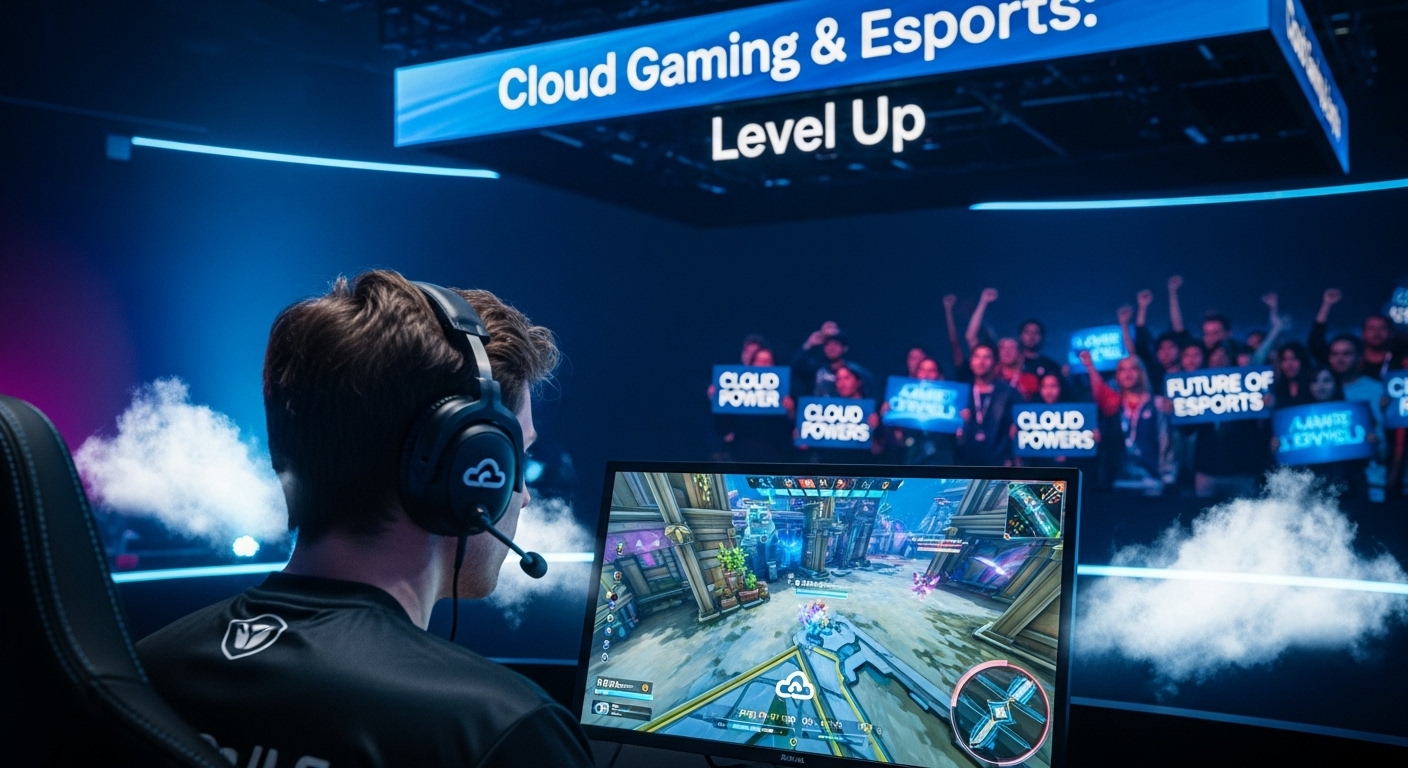
Cloud gaming, also known as game streaming, allows players to access and play video games hosted on remote servers via the internet, eliminating the need for high-end local hardware. This model enables gamers to stream games directly to various devices, including smartphones, tablets, and low-spec PCs, provided they have a stable internet connection. Major platforms facilitating cloud gaming include Nvidia GeForce Now, Xbox Cloud Gaming, and Amazon Luna.
The Rise of Esports
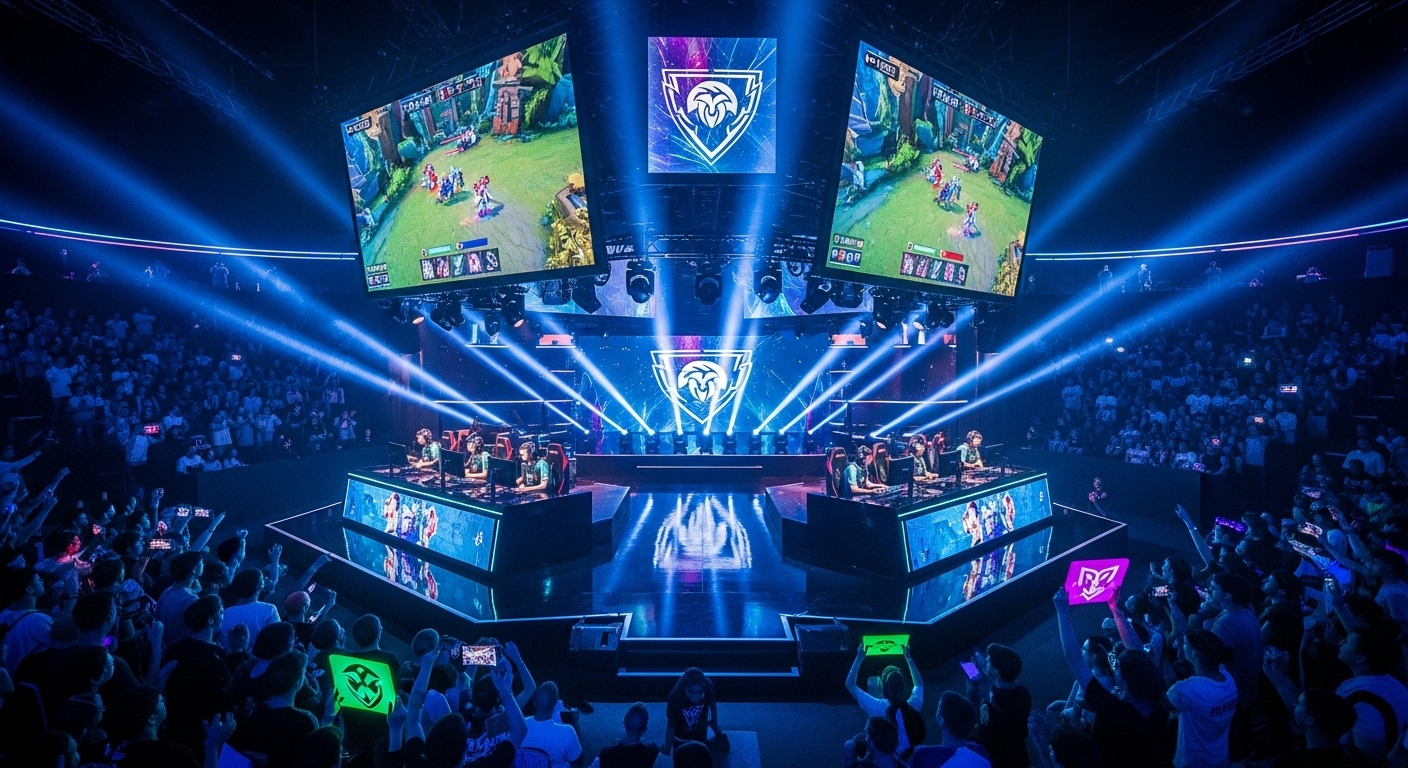
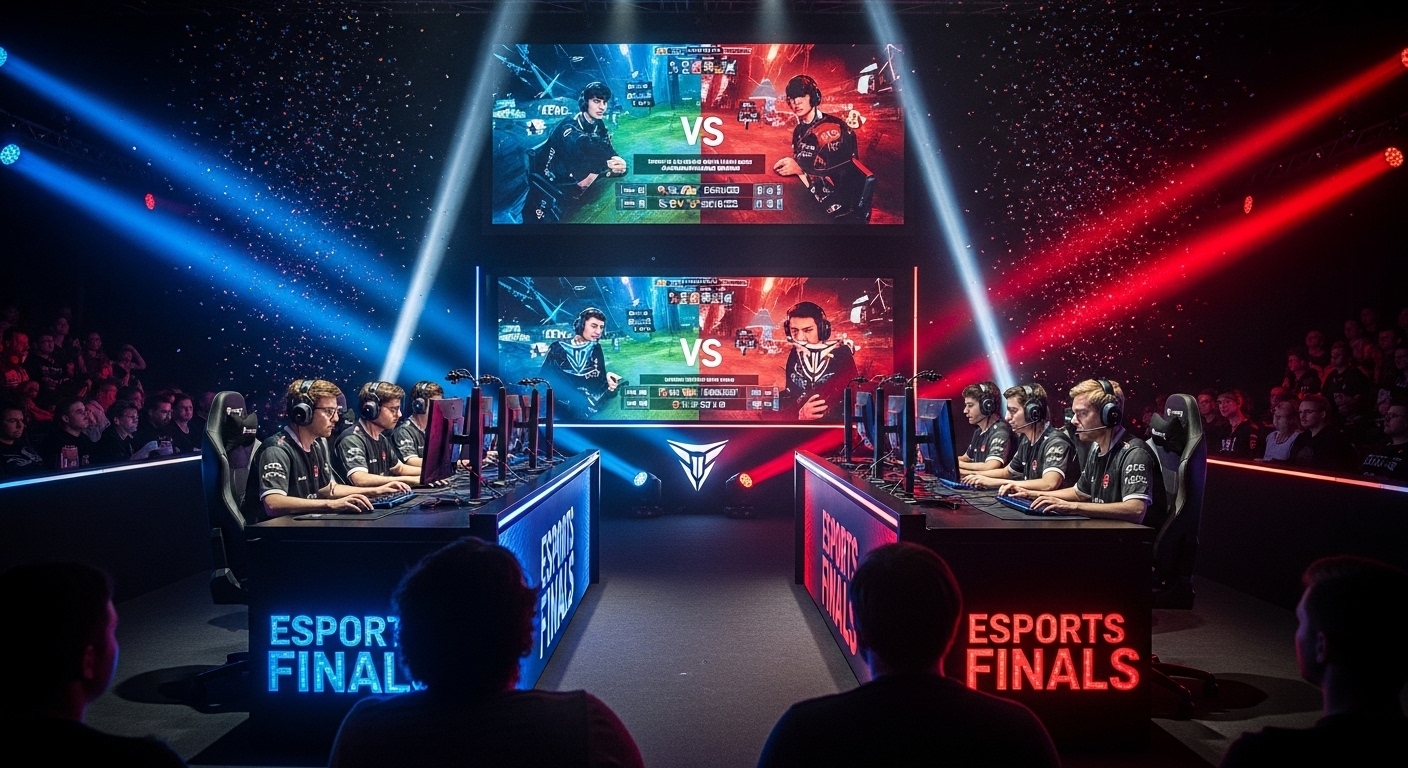
Esports, or electronic sports, refers to organized, multiplayer video game competitions, particularly between professional players, individually or as teams. Over the past two decades, esports has evolved from a niche hobby into a global phenomenon, with professional leagues, sponsorships, and large-scale tournaments attracting millions of viewers worldwide. Games like “League of Legends,” “Dota 2,” “Counter-Strike: Global Offensive,” and “Fortnite” have become staples in the esports ecosystem.
Cloud Gaming’s Impact on Esports
1. Lowering Barriers to Entry
One of the most significant advantages of cloud gaming is its ability to democratize access to esports. Traditionally, competitive gaming required expensive hardware, including high-performance PCs and specialized gaming peripherals. Cloud gaming removes this necessity, allowing players to participate in esports competitions using basic devices like smartphones or low-cost laptops. This inclusivity fosters a more diverse player base and encourages talent from regions with limited access to high-end gaming equipment.
2. Enhancing Accessibility for Emerging Markets
In regions where access to high-end gaming hardware is limited due to economic constraints, cloud gaming offers a viable solution. Players can engage in competitive gaming without the financial burden of purchasing expensive equipment. This accessibility has the potential to uncover untapped talent pools in emerging markets, contributing to the global expansion of esports.
3. Improved Infrastructure for Tournaments
Cloud gaming platforms provide robust infrastructure that can support large-scale esports tournaments. By hosting games on powerful remote servers, organizers can ensure consistent performance and reduce the risk of technical issues during live events. Additionally, cloud-based solutions facilitate seamless broadcasting and streaming, enhancing the viewing experience for fans.
4. Global Reach and Scalability
Cloud gaming enables esports tournaments to reach a global audience without the limitations imposed by physical infrastructure. Players from different parts of the world can compete in the same tournament, and fans can watch live streams from anywhere with an internet connection. This scalability is crucial for the growth of esports as a global entertainment medium.
5. Cost Efficiency for Esports Organizations
Esports organizations often face significant expenses related to hardware procurement and maintenance. Cloud gaming offers a cost-effective alternative by reducing the need for physical equipment. Subscription-based models allow organizations to access high-quality gaming resources without substantial upfront investments, reallocating funds to other areas such as player development and marketing.
Challenges and Considerations
1. Latency and Connectivity Issues
A primary concern with cloud gaming is latency—the delay between a player’s input and the game’s response. Even minor delays can significantly affect gameplay, especially in fast-paced esports titles. Stable and high-speed internet connections are essential for optimal performance, and regions with inadequate infrastructure may experience subpar experiences.
2. Data Privacy and Security
Cloud gaming involves transmitting large amounts of data over the internet, raising concerns about data privacy and security. Protecting personal information and ensuring secure transactions are critical for maintaining user trust and compliance with regulations.
3. Dependence on Internet Infrastructure
The effectiveness of cloud gaming is heavily reliant on the quality of internet infrastructure. In areas with unreliable or slow internet connections, players may experience interruptions, reduced graphics quality, or complete service outages, hindering the growth of esports in those regions.
4. Resistance from Traditionalists
Some segments of the esports community remain skeptical about the widespread adoption of cloud gaming. Professional players and purists argue that cloud-based gaming cannot replicate the performance and precision offered by dedicated gaming hardware. Convincing these stakeholders of the viability of cloud gaming in competitive settings remains a challenge.
The Future of Cloud Gaming in Esports
1. Integration with 5G Technology
The rollout of 5G networks promises to enhance cloud gaming experiences by providing faster speeds and lower latency. This advancement is particularly beneficial for mobile gaming, allowing players to engage in esports competitions with minimal lag, even while on the move. The synergy between 5G and cloud gaming is expected to propel esports into new realms of accessibility and performance.
2. Artificial Intelligence and Cloud Gaming
Artificial intelligence (AI) can play a pivotal role in optimizing cloud gaming experiences. AI algorithms can adjust game settings in real-time to accommodate varying internet speeds, predict and mitigate latency issues, and personalize gameplay experiences. Incorporating AI into cloud gaming platforms can enhance the overall quality and reliability of esports competitions.
3. Expansion of Cloud Gaming Services
As cloud gaming technology matures, more companies are entering the market, offering diverse services and platforms. This competition can lead to improved services, reduced costs, and increased innovation within the esports sector. The expansion of cloud gaming services is likely to foster a more dynamic and competitive esports ecosystem.
4. Hybrid Models of Competition
Future esports tournaments may adopt hybrid models, combining traditional on-site competitions with cloud-based elements. This approach can offer flexibility, allowing players from various regions to participate without the constraints of travel and equipment limitations. Hybrid models can also facilitate more frequent and diverse tournaments, catering to a broader audience.
Conclusion
Cloud gaming stands at the forefront of a revolution in esports, offering unprecedented opportunities for inclusivity, accessibility, and innovation. While challenges such as latency and infrastructure limitations persist, ongoing advancements in technology and infrastructure are poised to address these issues.