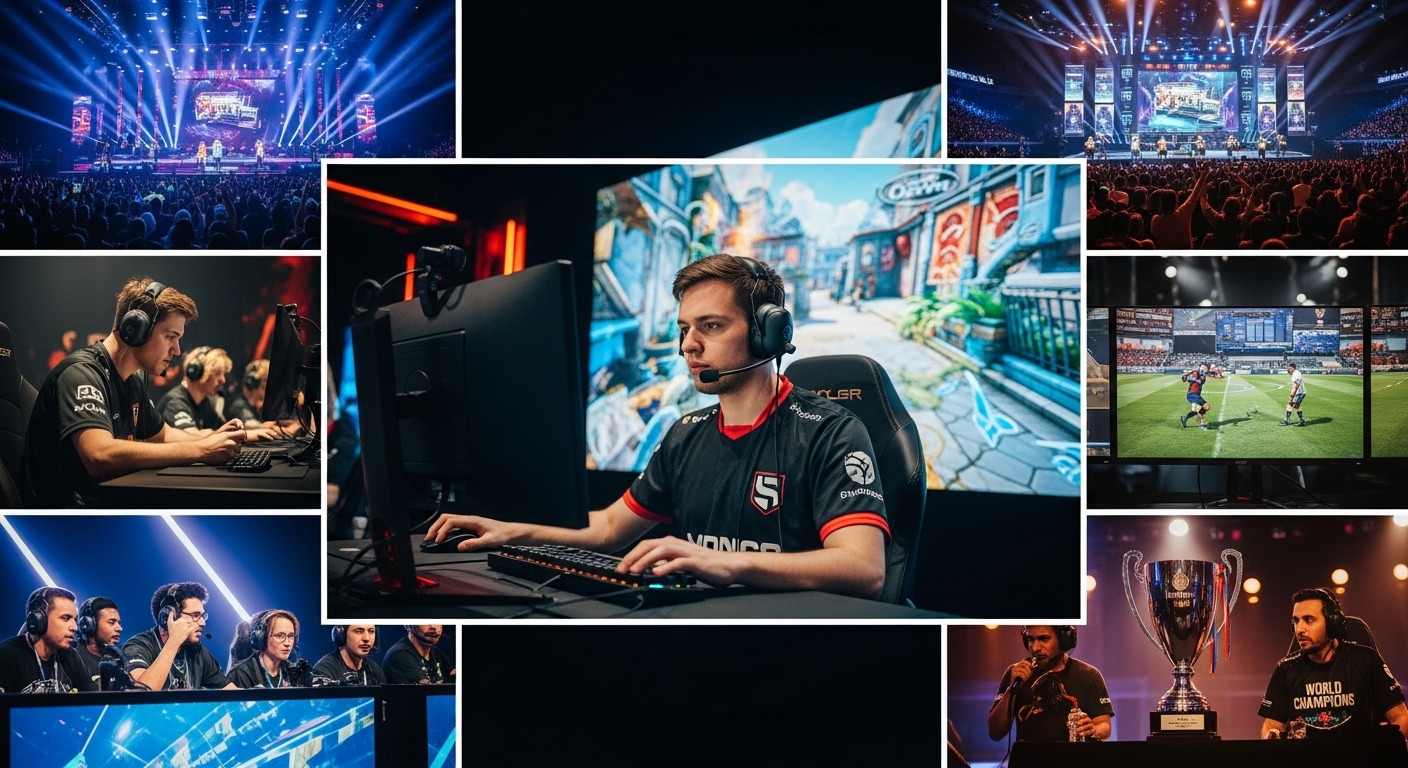
Esports, once viewed as a hobby limited to small gaming communities, has transformed into one of the most influential and fast-growing industries in the modern entertainment world. Competitive gaming today rivals traditional sports in viewership, financial investment, and cultural presence. What used to be casual matches between friends has evolved into stadium-filled events, large-scale tournaments, and career paths for thousands of skilled players around the globe. In this blog, we will uncover the fascinating world of esports, its history, growth, cultural significance, economic impact, challenges, and future potential.
The Birth of Competitive Gaming
The foundation of esports was laid long before the term even existed. In the early days of gaming during the 1970s and 1980s, gamers gathered in arcades to compete for high scores in classic titles. These competitions were informal but set the tone for gaming as a competitive activity. The excitement of outperforming others created small but passionate communities.
A major step in the history of competitive gaming came in the late 1980s and early 1990s when home consoles became more widespread. Players could take part in friendly competitions from the comfort of their living rooms. As technology improved, multiplayer games emerged, enabling even more intense competition. The introduction of computers and local area networks created new types of gaming battles where strategy, reflexes, and teamwork mattered more than ever.
By the time internet connectivity became mainstream, gamers could challenge opponents from around the world. This technological shift created the foundation for today’s massive esports ecosystem.
The Rise of Organized Tournaments
As online gaming grew, so did the interest in structured competitions. The 2000s marked the beginning of organized tournaments with professional-level rules, sponsors, teams, and prize money. Games such as Counter-Strike, Warcraft, StarCraft, and later League of Legends and Dota 2 helped shape competitive gaming into a global phenomenon. These games were not only enjoyable to play but also exciting to watch, which played a key role in their popularity.
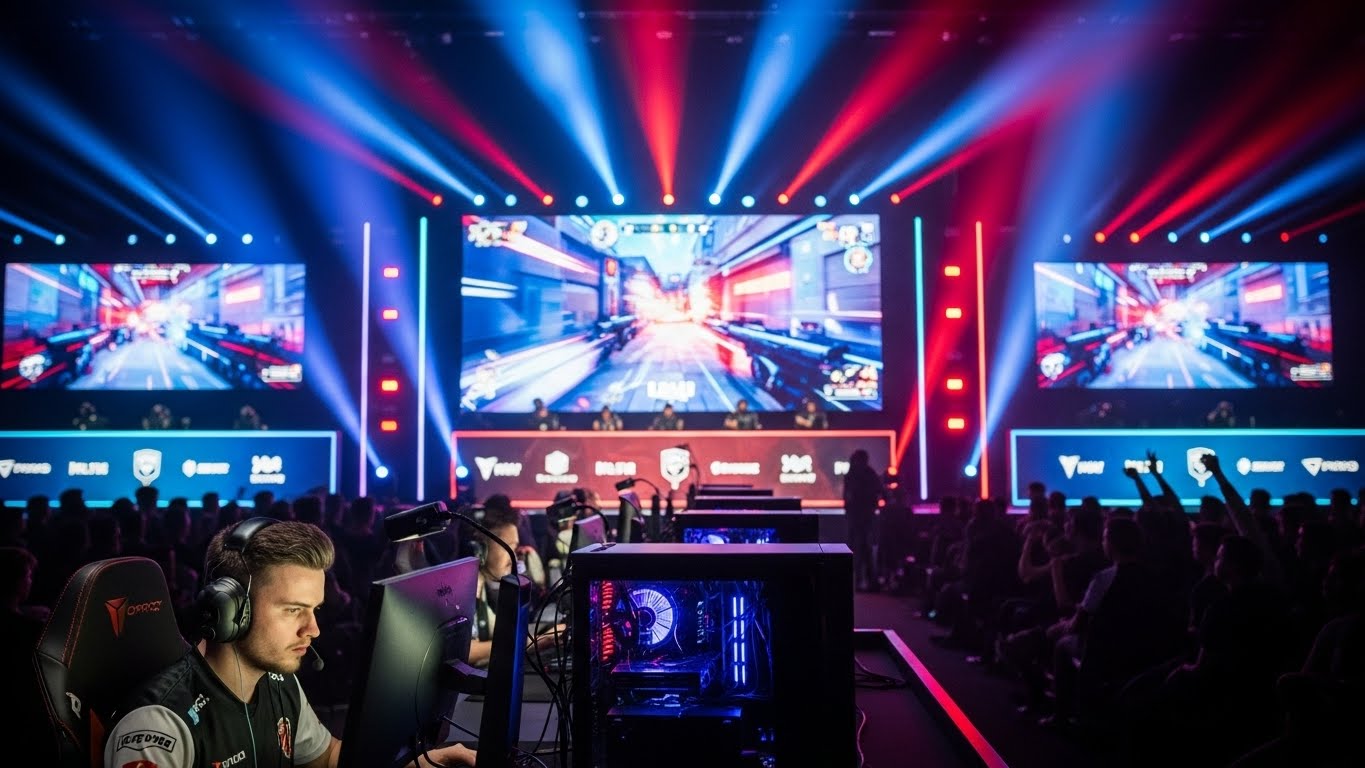
Esports organizations began forming teams, recruiting talented players, and training them to perform at the highest level. Professional esports athletes started receiving salaries, coaching, and structured schedules similar to traditional sports players. Global tournaments attracted massive audiences, sometimes filling stadiums with fans eager to watch their favorite teams compete.
The rise of streaming platforms also elevated esports to new heights. Fans could watch matches live, follow teams closely, and become part of a worldwide community. This accessibility allowed esports to spread faster than traditional sports, especially among younger generations who grew up with digital entertainment.
The Most Popular Esports Titles
Esports includes a variety of game genres, each offering unique gameplay, mechanics, and strategies. These are some of the most influential categories in the competitive scene.
Multiplayer Online Battle Arena games, or MOBAs, are among the most dominant esports genres. Titles like League of Legends and Dota 2 require teamwork, strategy, and quick decision-making. These games feature multiple characters, roles, and abilities, making every match unpredictable and exciting.
First-Person Shooters, often called FPS games, focus on precision, reaction speed, and tactical execution. Games like Counter-Strike, Valorant, and Call of Duty dominate this genre. FPS esports are known for their intensity, fast-paced action, and high-skill ceiling, making them thrilling to watch.
Fighting games such as Street Fighter and Tekken offer one-on-one combat where skill and timing determine the victor. These games have some of the most loyal fan communities and offer a unique blend of action and strategy.
Sports simulation games like FIFA and NBA 2K replicate real-world sports in digital form. These games appeal to both traditional sports fans and gamers, allowing them to compete virtually in their favorite sports.
Real-Time Strategy games like StarCraft focus on resource management, planning, and quick thinking. Though niche today, they played a crucial role in the early growth of esports.
Esports and Modern Culture
Esports is deeply woven into modern culture, especially among the youth. Many players grow up watching esports athletes and aspiring to become one themselves. Fans follow gaming celebrities the same way sports fans follow football or basketball stars. Esports content creators, streamers, and influencers have millions of followers, shaping digital culture and trends.
Gaming fashion, accessories, and merchandise have become mainstream, proving the cultural influence of esports. From jerseys to collectible items, esports teams have built brand loyalty similar to major sports organizations.
Esports has also made its way into educational systems. Schools and universities across the world now offer esports clubs, facilities, and sometimes even scholarships. Institutions recognize the value of gaming in developing strategic thinking, teamwork, leadership, and cognitive agility.
The Economic Power of Esports
The esports industry has grown into a multi-billion-dollar economic powerhouse. Revenue comes from sponsorship deals, tournament winnings, merchandise, advertising, media rights, and streaming. Professional teams operate as businesses, managing players, branding, marketing, and community engagement.
Large tournaments generate tourism, employment, and economic growth in host cities. Fans travel from different regions to attend events, boosting local hospitality and entertainment sectors.
Streaming platforms also contribute significantly to the industry’s success. Brands invest heavily in esports because of its massive global audience, particularly young people who are more likely to engage with digital content.
The growth of esports has created countless career opportunities, not only for players but also for coaches, analysts, commentators, event organizers, content creators, and game developers. Esports has proven that digital entertainment can create jobs, drive innovation, and boost local and global economies.
Training and Preparation in Esports
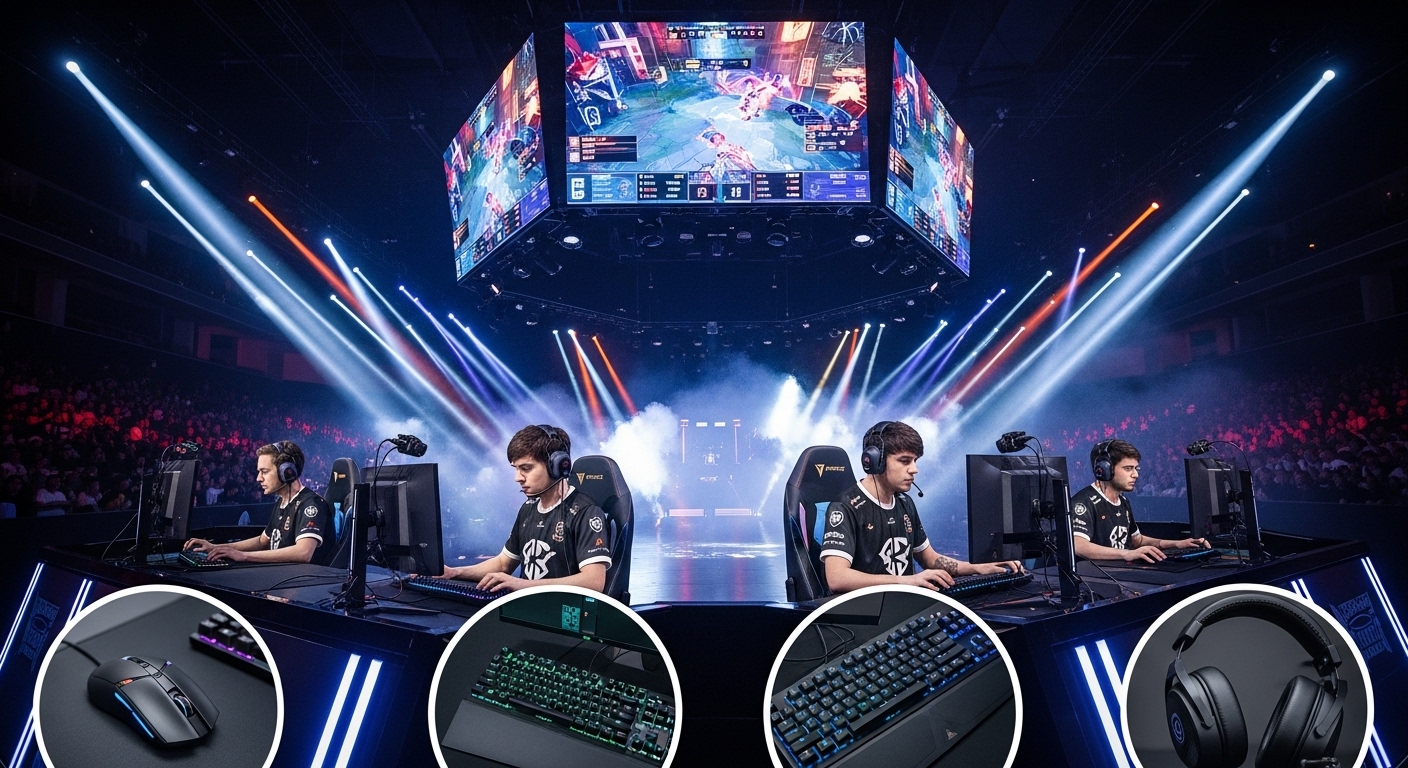
Many people mistakenly believe esports is just about playing games for fun, but professional players undergo intensive training. Their schedules often rival those of athletes in traditional sports. A typical training routine includes several hours of gameplay, team strategy meetings, physical exercise, and mental training.
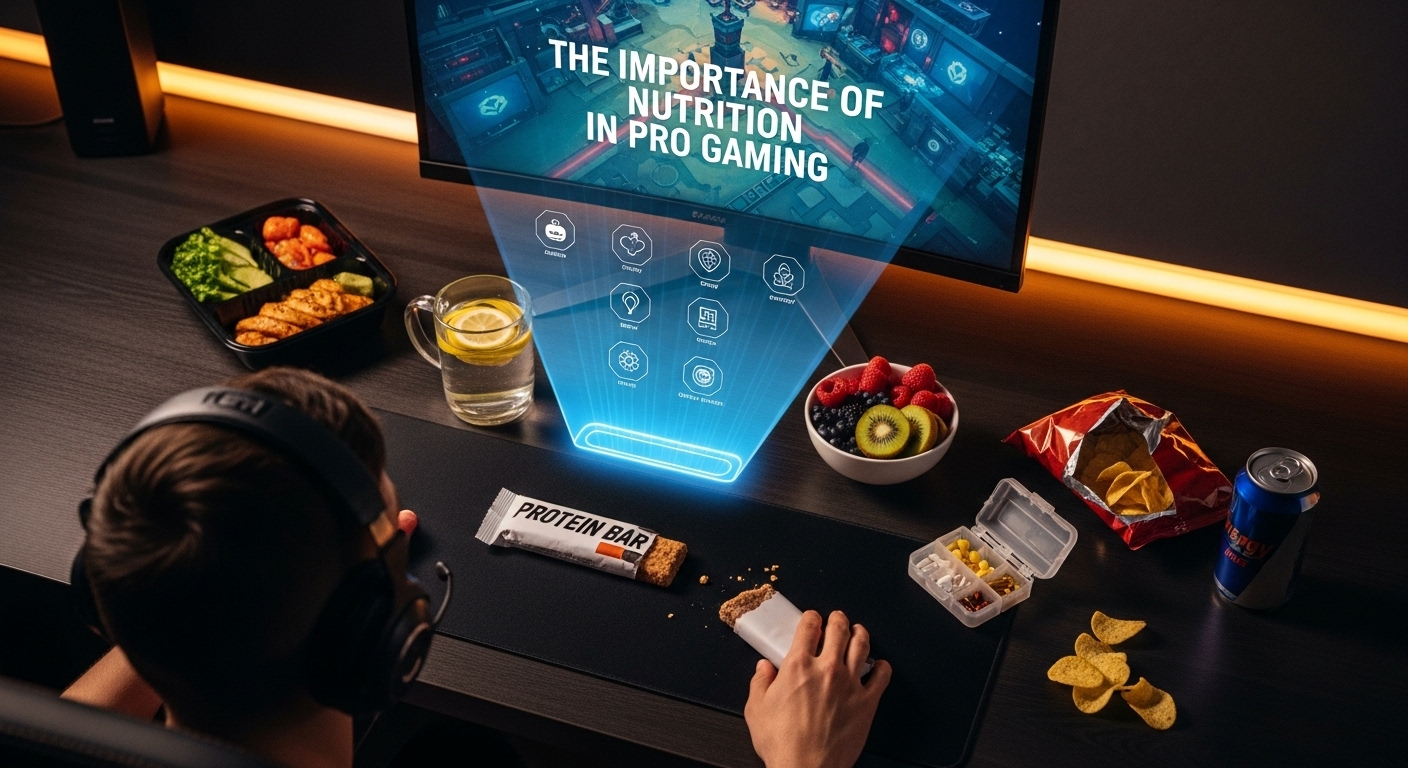
Players must maintain sharp reflexes, hand-eye coordination, and mental focus. Proper sleep, nutrition, and physical fitness are essential to maintain performance. Coaches play an important role in analyzing gameplay, developing strategies, and helping players improve their skills.
Technology also plays a key role in training. Analytics tools track performance, reaction times, and decision-making patterns. Teams review recorded games to study opponents and identify mistakes. This level of preparation highlights how esports is both a mental and strategic discipline.
Challenges Facing the Esports Industry
Despite its success, esports faces several challenges. One major issue is player burnout. The intense training demands and long competitive seasons can lead to stress, fatigue, and health problems. Esports organizations are working to promote balanced routines and mental health support.
Another challenge is the lack of universal regulation. While many tournaments follow strict rules, there is no single governing body overseeing esports worldwide. Issues like cheating, match-fixing, and unfair contracts sometimes arise, requiring better oversight and industry-wide standards.
Accessibility is also a concern. Not everyone has access to high-speed internet, expensive gaming equipment, or training facilities. These barriers can prevent talented individuals from developing their skills or participating competitively.
The Future of Esports
Esports is expected to continue growing, reaching new audiences and evolving with technology. Virtual reality and augmented reality may introduce new types of competitive gaming that merge physical and digital elements. Mobile esports are becoming increasingly popular, bringing competitive gaming to millions of smartphone users.
Esports may also become more integrated with traditional sports. Collaborative events, mixed tournaments, and joint entertainment experiences could blur the line between digital and physical competition.
The future of esports is full of potential. As society embraces technology further, esports will stand at the forefront of digital entertainment, innovation, and global competition.
Conclusion
Esports has revolutionized the meaning of competition. From its humble beginnings in arcades and LAN parties, it has transformed into a global industry with dedicated fans, professional players, and massive economic impact. More than just gaming, esports represents creativity, skill, teamwork, and the extraordinary potential of digital culture.
As technology advances and younger generations embrace digital lifestyles, esports will continue to rise, proving that the world of sports extends far beyond stadiums and into the dynamic realm of screens, strategies, and digital warriors.