Introduction: The Digital Revolution in Sports
In the last two decades, the definition of sports has expanded beyond physical arenas and athletic fields. Competitive gaming, known as esports, has transformed what it means to compete, entertain, and connect on a global scale. What started as a niche hobby for enthusiasts has now grown into a billion-dollar industry with professional teams, massive tournaments, and millions of fans worldwide. Esports represents more than just playing video games—it is a cultural phenomenon, a professional career path, and a form of entertainment that rivals traditional sports in its impact and reach.
The Origins of Esports: From Arcade Rooms to Global Competitions
The story of esports begins with early video games like Pong and Space Invaders, which captured the imagination of the first generation of gamers. The first recorded video game competition took place in 1972 at Stanford University, featuring Spacewar players competing for a small prize. The 1980s brought the rise of arcades, where high-score competitions became social events and introduced competitive elements into gaming. The 1990s marked a major shift with personal computers and networked multiplayer games such as Doom and Quake. Players began organizing local area network events, which laid the foundation for modern esports tournaments. The rise of high-speed internet in the early 2000s made it possible for games like Counter-Strike, StarCraft, and Warcraft III to become international phenomena, allowing players to compete across borders in real time.
Technology and Esports: The Driving Force Behind Growth
Esports owes much of its rapid growth to advancements in technology. High-speed internet, sophisticated gaming hardware, and live-streaming platforms have revolutionized how players compete and how fans engage with games. Streaming services have become the equivalent of sports television, broadcasting matches to millions of viewers around the world. Social media amplifies this reach, enabling fans to follow their favorite players, discuss strategies, and engage with content instantly. Technology has also democratized esports, allowing talented players from any part of the world to rise through ranks and gain international recognition. Virtual reality, augmented reality, and artificial intelligence are poised to further transform esports in the coming years, creating immersive experiences and smarter competitive analysis.
The Professional Ecosystem: Teams, Tournaments, and Titans
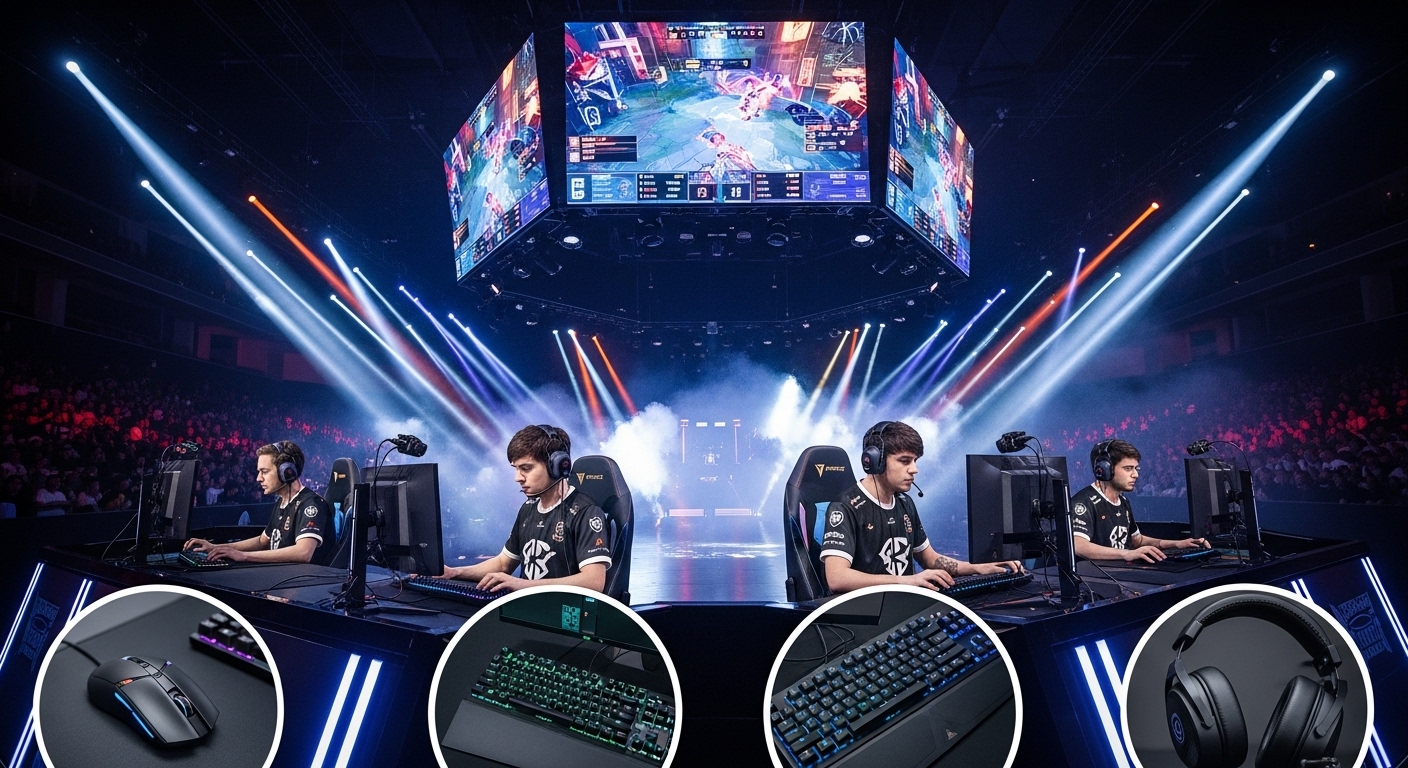
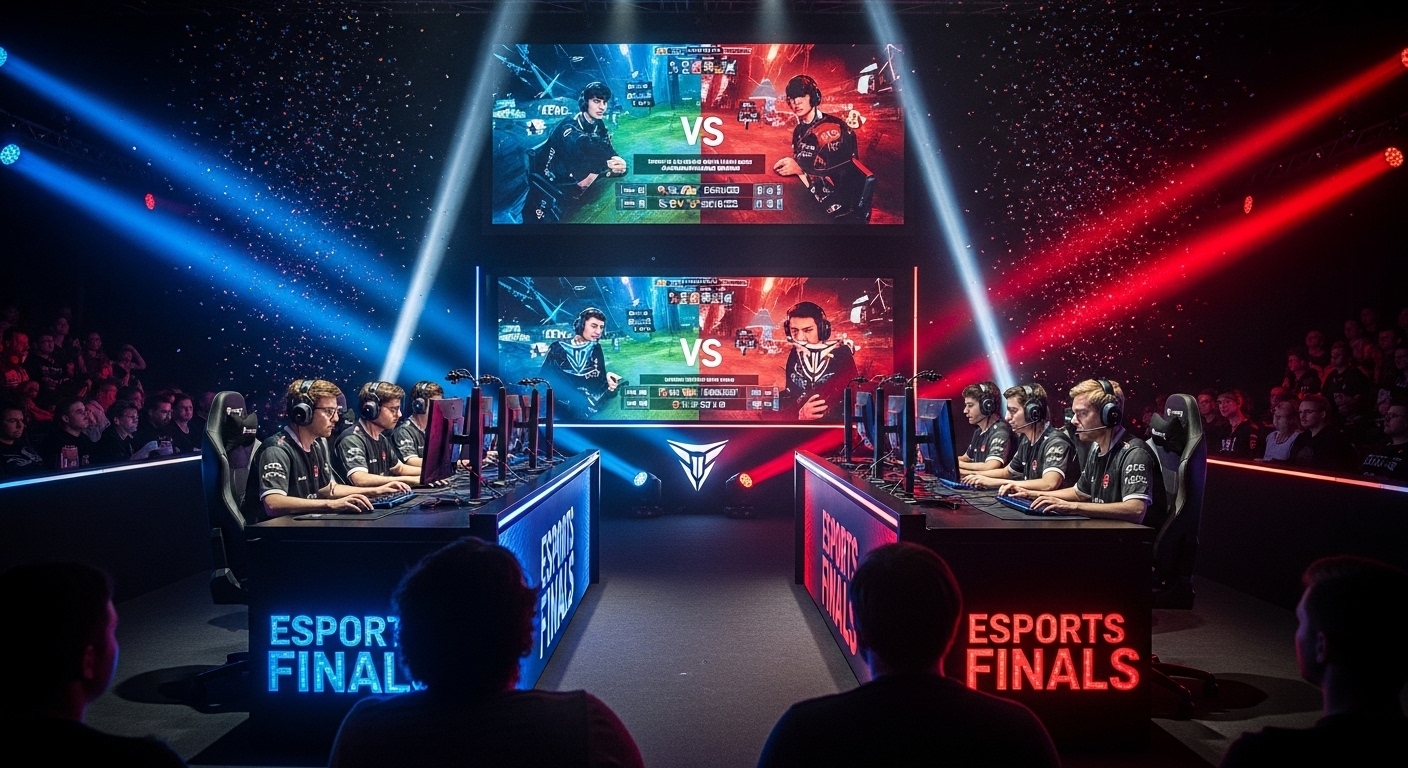
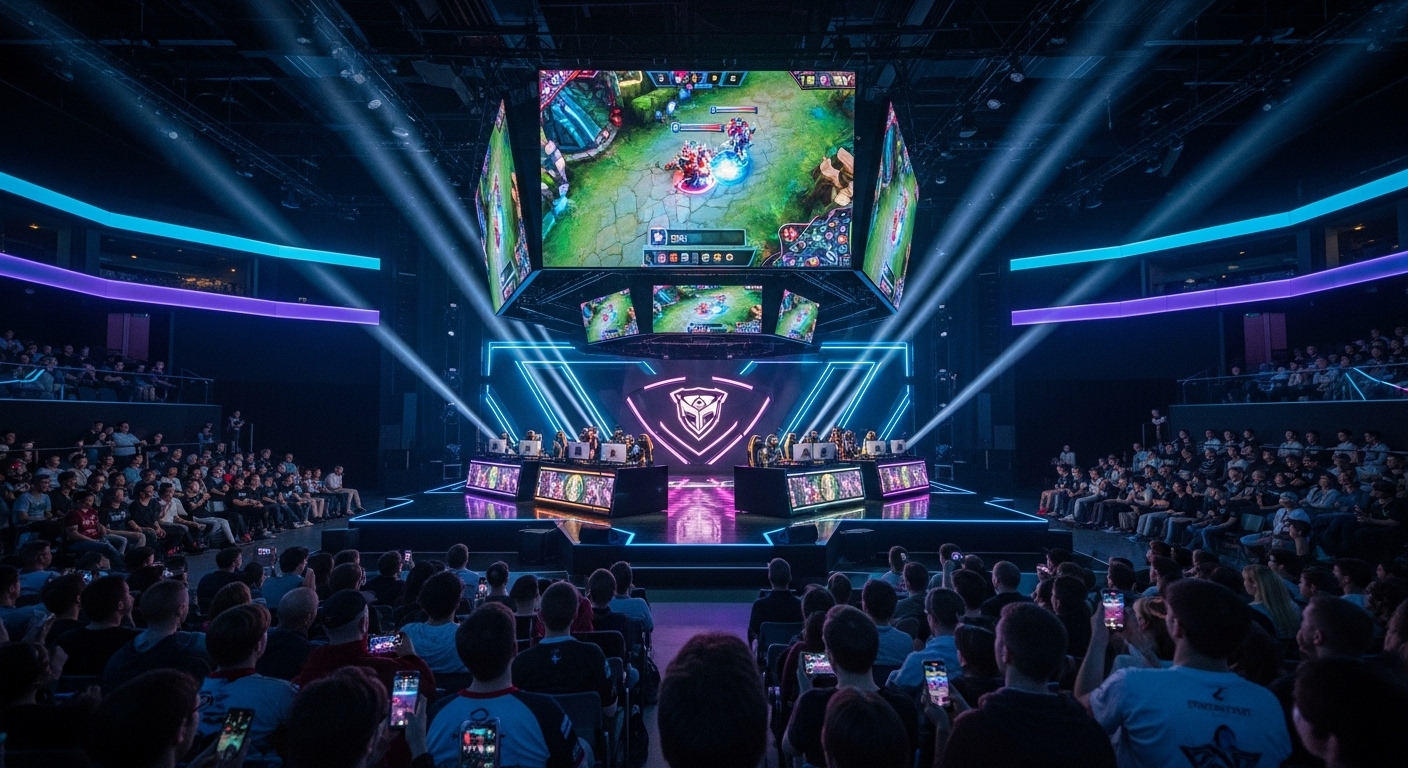
Professional esports mirrors traditional sports in its structure. Teams operate with managers, coaches, analysts, and even psychologists to support player performance. Popular games like League of Legends, Dota 2, Counter-Strike, and Valorant have dedicated leagues and tournaments, some with prize pools exceeding millions of dollars. Major events such as The International for Dota 2 and the League of Legends World Championship attract global audiences both online and in stadiums. Players train rigorously, and matches require strategic planning, communication, and precise execution. Esports teams have become brands themselves, attracting sponsorships, fan loyalty, and cultural influence comparable to that of traditional sports franchises.
The Business of Esports: More Than Just Gaming
Esports has evolved into a complex and profitable industry. Revenue comes from tournament winnings, sponsorship deals, merchandise sales, broadcasting rights, and streaming platforms. Global brands from technology, fashion, and entertainment invest heavily in esports, recognizing the opportunity to reach a digitally-savvy audience. Influencer marketing plays a significant role, as players often act as content creators, engaging fans through streaming and social media. Educational institutions have even embraced esports, offering scholarships and programs to cultivate talent. The business side of esports demonstrates that what once was seen as a pastime can now be a sustainable career and a major economic engine.
The Modern Athlete: Esports Players as Professionals
Esports players are true athletes, requiring skill, dedication, and endurance. Training is rigorous, often involving hours of practice daily to refine reflexes, communication, and decision-making. Mental stamina is just as important as physical endurance, as players must remain focused during high-pressure matches. Many teams employ physical trainers, nutritionists, and psychologists to maintain players’ performance and health. Despite the virtual setting, the competitive intensity rivals that of traditional sports, making esports athletes highly disciplined professionals with rigorous schedules and international travel demands.
Cultural Impact: Changing Perceptions of Gaming
Esports has transformed society’s view of gaming. Once considered a leisure activity or hobby, gaming is now widely recognized as a legitimate sport and career path. Esports fosters communities that transcend geographical, social, and cultural boundaries. It promotes inclusivity by giving opportunities to players regardless of background, gender, or nationality. Female gamers, in particular, are gaining visibility and breaking barriers in a traditionally male-dominated industry. Esports also influences popular culture, inspiring music, fashion, and entertainment content. It demonstrates that gaming can be a powerful medium for connection, creativity, and social impact.
Education and Esports: Learning Through Competition
Esports has become an educational tool as well. Schools and universities worldwide are establishing esports programs that teach teamwork, strategy, leadership, and technical skills. Students can develop problem-solving abilities, critical thinking, and digital literacy through competitive gaming. Some institutions even link esports with STEM education, where students learn coding, game development, and data analytics. By combining gaming with structured learning, esports offers a unique platform for personal and professional growth, providing students with skills that are increasingly valuable in a digital-first world.
Challenges in Esports: Mental Health and Fair Play
Despite its growth, esports faces challenges that must be addressed to ensure long-term sustainability. Player burnout and mental health issues are prevalent due to high-pressure schedules and constant competition. Cheating, match-fixing, and doping threaten the integrity of competitions. Online harassment and toxicity also remain significant concerns, requiring robust policies and moderation. The lack of standardized regulations across different games and regions creates inconsistencies in competitive fairness. However, the esports community is taking steps to improve conditions for players, including mental health programs, stricter conduct policies, and support systems to create a healthier competitive environment.
Esports and Traditional Sports: Complementary Worlds
Esports does not exist in opposition to traditional sports; it complements and expands the concept of competition. Many professional sports organizations now operate esports divisions to engage younger audiences and explore digital formats. Football, basketball, and racing franchises have launched esports teams and tournaments, integrating the digital and physical worlds. This crossover has increased visibility for esports and introduced it to fans who may not have otherwise engaged with gaming. Both esports and traditional sports share the same core values of strategy, teamwork, skill, and entertainment. Together, they redefine what it means to be an athlete in the modern age.
The Future of Esports: Innovation and Expansion
The future of esports is bright and full of innovation. Virtual reality and augmented reality will create fully immersive gaming experiences, allowing players to compete in new dimensions. Artificial intelligence may provide real-time analytics and coaching, improving performance and strategy. Blockchain and digital collectibles are transforming fan engagement, enabling unique ways for audiences to participate and interact. The global rollout of 5G will make high-quality competitive gaming accessible to more players worldwide. Esports’ inclusion in multi-sport events and discussions about Olympic recognition indicate its growing legitimacy and long-term potential as a global sporting and entertainment phenomenon.
Human Stories in Esports: Beyond Competition
At its core, esports is about human connection and storytelling. Behind every tournament and every match are stories of dedication, teamwork, and resilience. Players form friendships and rivalries that span continents. Fans rally behind teams and players with unwavering loyalty. Esports fosters a sense of belonging and community that transcends borders and cultures. While technology facilitates the competition, the human element—the passion, strategy, and emotion—is what truly drives esports forward. It reminds us that regardless of the platform, the essence of competition is a universal human experience.
Conclusion: Esports as a Cultural Force
Esports has evolved from a niche hobby into a defining feature of modern entertainment and sports culture. It combines technology, skill, and creativity to create experiences that resonate worldwide. The professionalization of esports has established careers, global tournaments, and cultural icons, while its integration into education and mainstream media demonstrates its legitimacy and potential. While challenges remain, the industry’s rapid growth, innovation, and inclusivity suggest a bright future. Esports is not merely a trend; it represents a new era of global competition, community, and digital culture that continues to shape the way we play, watch, and connect in the modern world.