Introduction
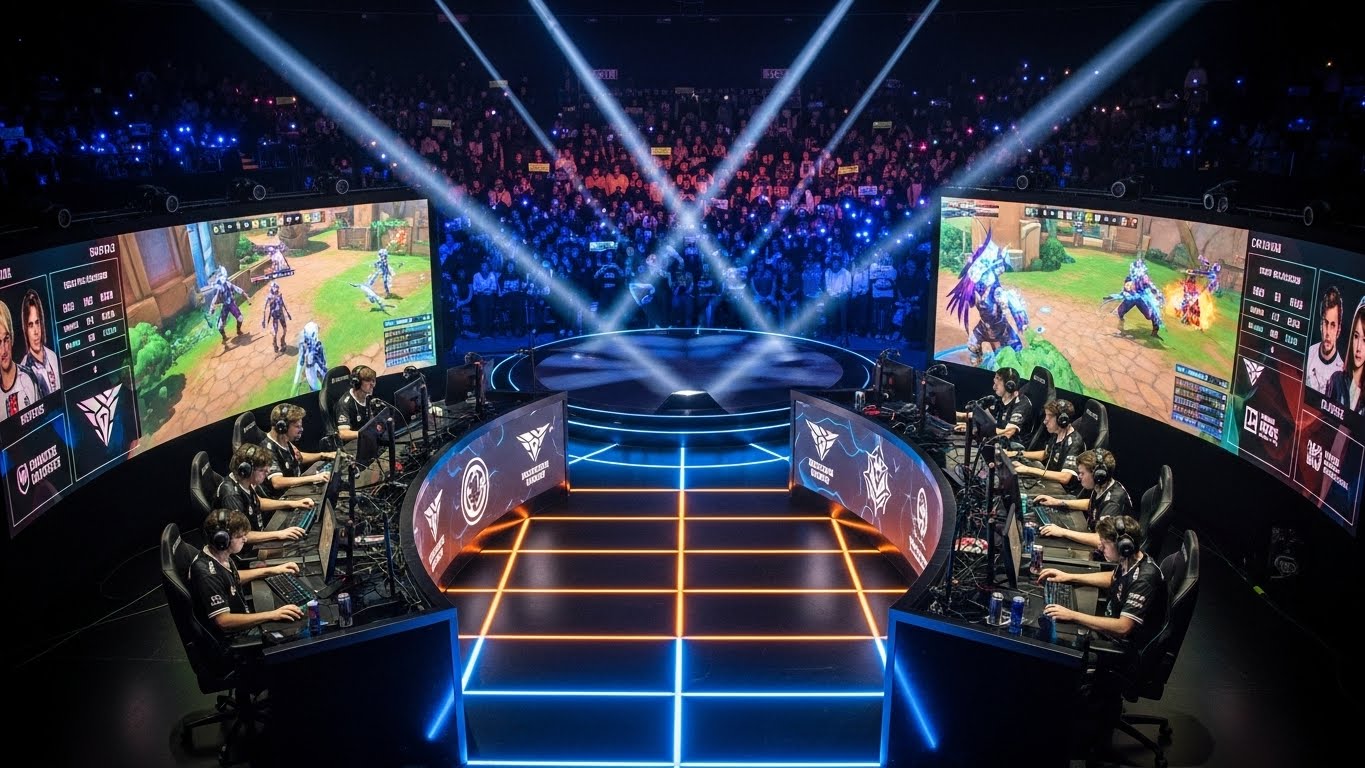
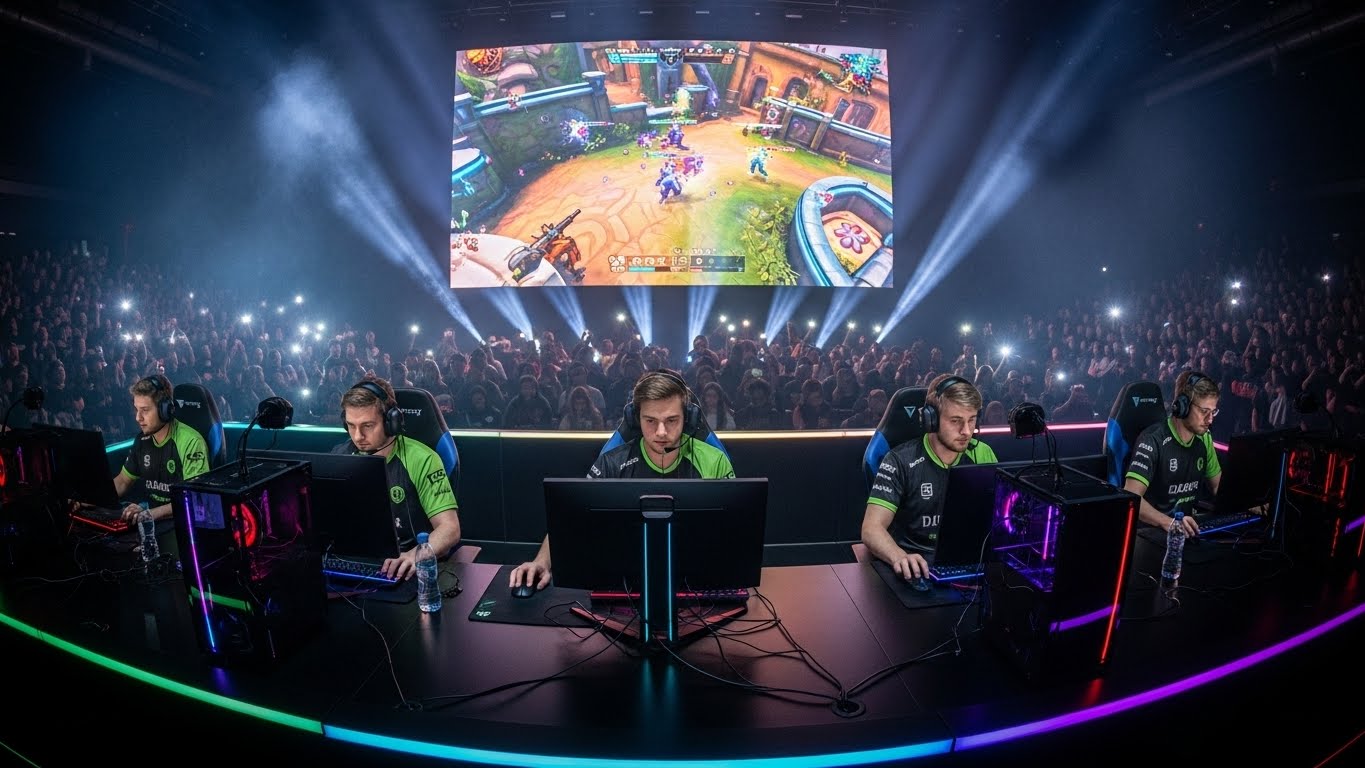
In the not-so-distant past, the idea of video gaming being considered a legitimate form of competition would have seemed far-fetched. Yet, today, esports—competitive gaming—has risen from its humble beginnings as a hobby to a global phenomenon, drawing millions of viewers and generating billions of dollars. The esports industry has quickly become one of the largest and fastest-growing sectors in entertainment, paralleling traditional sports in both audience engagement and economic impact. From regional tournaments to massive global championships, esports has proven to be much more than just games on a screen; it’s a new kind of sport, with its own culture, fanbase, and ecosystem. In this post, we will explore the world of esports, its rise to prominence, the influence it has on global culture, and the exciting future that lies ahead.
The Beginnings of Esports
Esports as we know it today can trace its roots back to the 1980s, when the first video game tournaments were held. Early examples of competitive gaming included arcade games like Space Invaders and Pac-Man, where high-score competitions were the primary form of gaming contests. The Space Invaders Championship held in 1980 is considered one of the first formal esports tournaments, attracting thousands of players from across the United States. It was clear from the outset that competitive gaming had the potential to evolve into something far greater than local gatherings.
By the late 1990s and early 2000s, the rise of personal computers and the internet revolutionized gaming. Online multiplayer games such as Quake and Warcraft allowed players from different countries to compete in real-time. This era marked the birth of organized online competitions, setting the stage for the esports industry to flourish. In 1997, the Cyberathlete Professional League (CPL) was founded, and by the early 2000s, tournaments like the World Cyber Games (WCG) and Electronic Sports World Cup (ESWC) were attracting global audiences.
At this point, it was no longer just about playing games for fun. Esports began to take on a more professional and organized form, with dedicated players, teams, sponsors, and even spectators who tuned in to watch the action unfold.
The Rise of Esports: A Global Movement
As the internet grew in speed and accessibility, so did the reach of esports. Major games like StarCraft, Dota, League of Legends, and Counter-Strike became staples of the competitive gaming scene. With these games, esports became not just about the games themselves but also about the people behind the keyboards. Players developed specialized roles, strategies, and even personalities, turning them into stars in their own right.
Esports was no longer confined to the few who participated in local LAN (local area network) events. Online streaming platforms, especially Twitch, revolutionized how fans interacted with esports. Through live broadcasts, fans could tune in to watch their favorite players compete in real-time, no matter where they were in the world. This transformed esports into a global, interactive spectator sport.
Major tournaments like The International (Dota 2), League of Legends World Championships, and Overwatch League began offering millions of dollars in prize money, attracting the best players from around the globe. These tournaments brought together not only professional players but also massive fanbases, sponsorships, media partnerships, and digital marketing opportunities, making esports a significant economic powerhouse in the entertainment industry.
The Players: Professional Gamers
Much like athletes in traditional sports, professional esports players are highly skilled and dedicated individuals who devote years to mastering their craft. The life of an esports player is not for the faint of heart. To compete at the highest level, players train for upwards of 10-12 hours a day, working on their reflexes, strategy, and teamwork. They analyze gameplay footage, improve their decision-making, and often work closely with coaches and analysts to refine their skills.
In addition to raw skill, professional gamers must possess mental fortitude and emotional resilience. The stakes in high-level competitions are enormous, and players must be able to maintain focus under immense pressure. The pressure to perform can take a toll on mental health, and many organizations now employ psychologists and performance coaches to help players deal with stress, anxiety, and burnout.
As esports continues to grow, so do the opportunities for players. Many have lucrative sponsorship deals with major companies, streaming contracts with platforms like Twitch and YouTube, and endorsement deals for products ranging from gaming peripherals to clothing brands. Some players have even parlayed their success into full-fledged media careers, with social media channels, personal brands, and even acting roles in film and TV.
The Esports Ecosystem: Teams, Sponsors, and Events
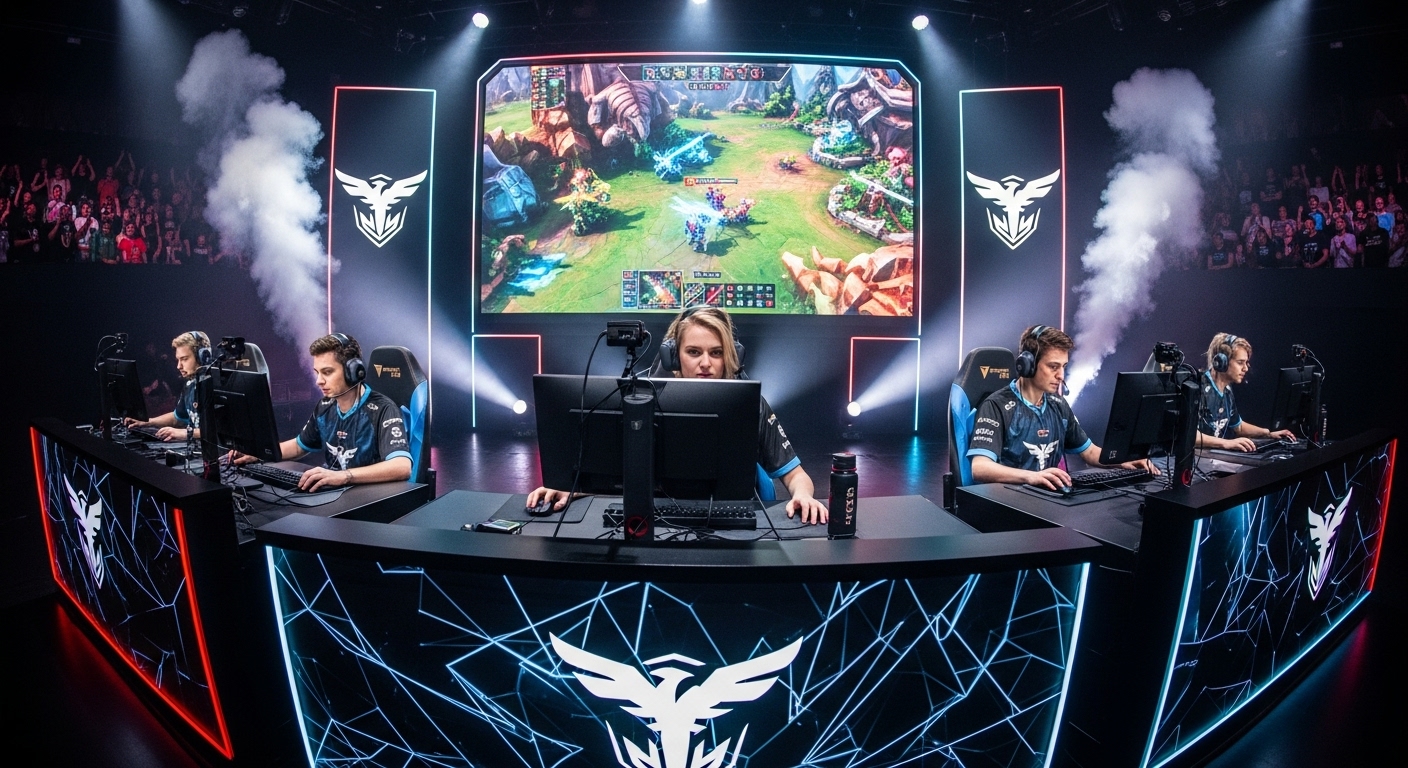
The structure of esports mirrors that of traditional sports, with professional teams competing in leagues and tournaments. These teams often represent organizations that operate similarly to traditional sports teams, with players, coaches, analysts, and support staff working together to achieve success. Organizations like Cloud9, Team Liquid, Fnatic, and G2 Esports are some of the most recognized brands in esports, and they regularly field teams in multiple games such as League of Legends, Counter-Strike: Global Offensive, Fortnite, and Valorant.
Esports teams often participate in various leagues and tournaments, each with its own season and prize pool. Major events like The International (Dota 2), League of Legends Worlds, and CS:GO Majors have become some of the most-watched events in the gaming world, attracting millions of viewers and drawing crowds to sold-out arenas. These events are broadcast live on streaming platforms and often feature play-by-play commentary, analysis, and even in-depth interviews with players.
Sponsorships play a huge role in the sustainability of esports. Brands ranging from tech companies like Intel and Nvidia to food and beverage brands like Coca-Cola and Monster Energy have recognized the potential of esports as a marketing vehicle. Teams and events benefit from these sponsorships, as they help fund the operations, tournament prizes, and player salaries.
In addition to the sponsorship dollars, esports events generate revenue from ticket sales, merchandise, and digital content. Streaming platforms like Twitch, YouTube Gaming, and Facebook Gaming help monetize the live-viewing experience through advertisements, subscription models, and viewer donations.
Esports and Its Influence on Culture
Esports has become a cultural movement that has transcended gaming communities. It has influenced everything from fashion and music to digital media and youth culture. The personalities of esports players, including their unique styles, mannerisms, and team rivalries, are key drivers of fan engagement. Players like Ninja (Tyler Blevins), Shroud, and PewDiePie have become international celebrities, and their influence reaches far beyond the gaming world.
Esports has also begun to reshape how people perceive video games. What was once seen as a solitary hobby or a pastime for “nerds” is now viewed as a legitimate career path, with games being recognized as not just entertainment but a form of competition. The increasing acceptance of esports has led to its integration into mainstream media, with networks like ESPN and major sports channels broadcasting esports tournaments and highlights.
Furthermore, esports has had a significant impact on the social aspects of gaming. Competitive gaming has fostered global communities, bringing together fans from diverse backgrounds. The shared experience of watching a tournament or supporting a favorite team creates bonds that extend beyond the digital space and into real-world friendships. In addition, esports has paved the way for gamers of all ages to get involved in competitive play, whether through local leagues, online tournaments, or even educational programs.
The Challenges Facing Esports
Despite its meteoric rise, esports is not without its challenges. One of the biggest hurdles facing the industry is its sustainability. With the rapid growth of the esports market, there are concerns about over-saturation, as new games, teams, and tournaments pop up every year. Maintaining interest in long-running games and ensuring that competitive play remains fresh and exciting is an ongoing struggle for developers and event organizers.
Another challenge is ensuring the mental and physical well-being of players. The pressure to perform at the highest level, combined with long training hours, can lead to mental fatigue and burnout. Additionally, the sedentary nature of gaming has raised concerns about physical health, with players needing to focus on posture, exercise, and overall well-being to avoid long-term health problems.
There is also the issue of regulation and governance. Esports is a young industry, and as it grows, it will need to develop standardized rules and regulations. This includes addressing cheating, match-fixing, player contracts, and the welfare of underage players, who are increasingly joining the ranks of professional teams.
The Future of Esports
The future of esports is incredibly bright. With advancements in technology, such as virtual reality (VR) and augmented reality (AR), the next generation of esports is likely to be even more immersive and interactive. VR and AR could offer new ways to experience competitive gaming, allowing spectators to engage in a truly immersive experience from their homes.
Moreover, as esports continues to grow in popularity, there is a real possibility that esports will become part of the Olympic Games. The International Olympic Committee (IOC) has already discussed the potential inclusion of esports in future Olympic events, which would further solidify esports as a mainstream form of competition.
Education and esports will also continue to intersect, with universities offering esports scholarships, degrees, and dedicated gaming programs. This growing academic recognition will help professionalize the industry and provide more opportunities for young talent to break into the world of competitive gaming.
Finally, esports will continue to play a role in global connectivity. As the world becomes more digitally connected, esports provides a unique avenue for people from different cultures and backgrounds to come together in competition and entertainment.