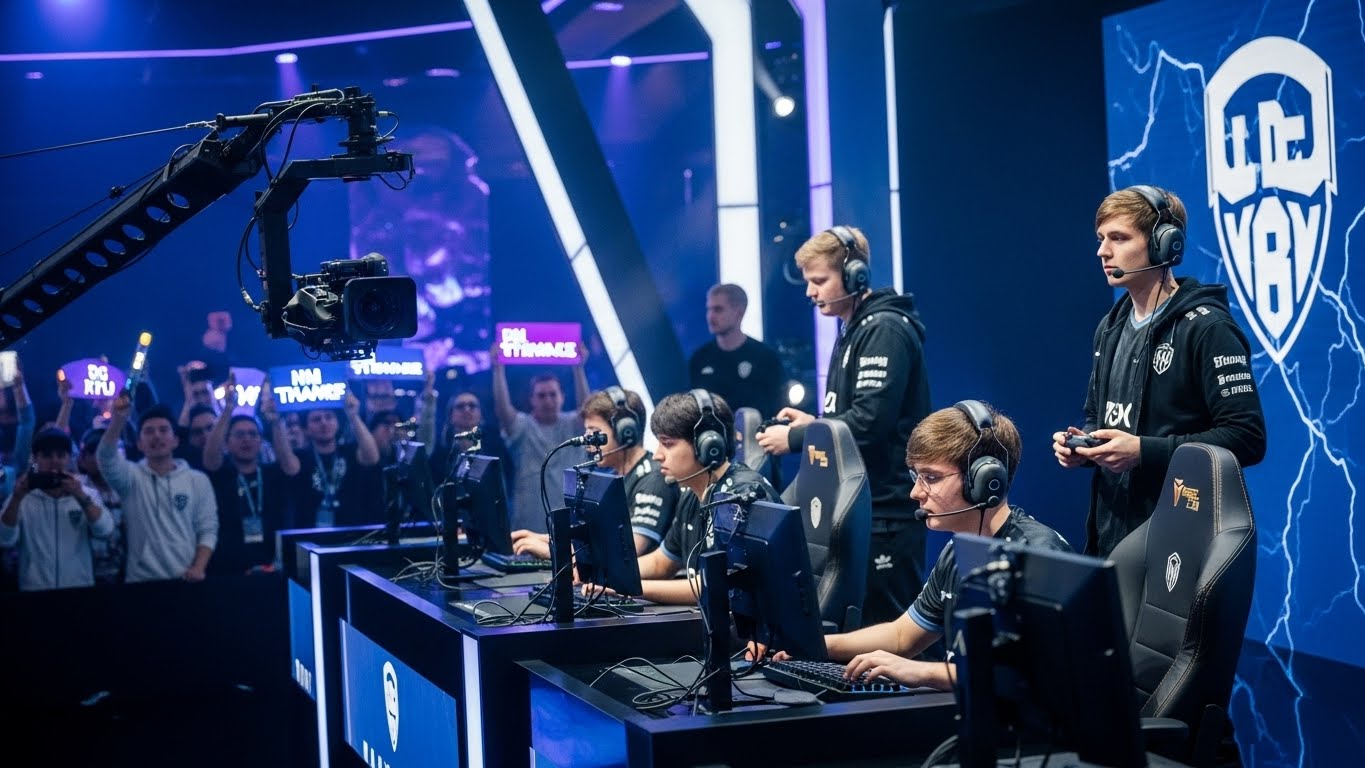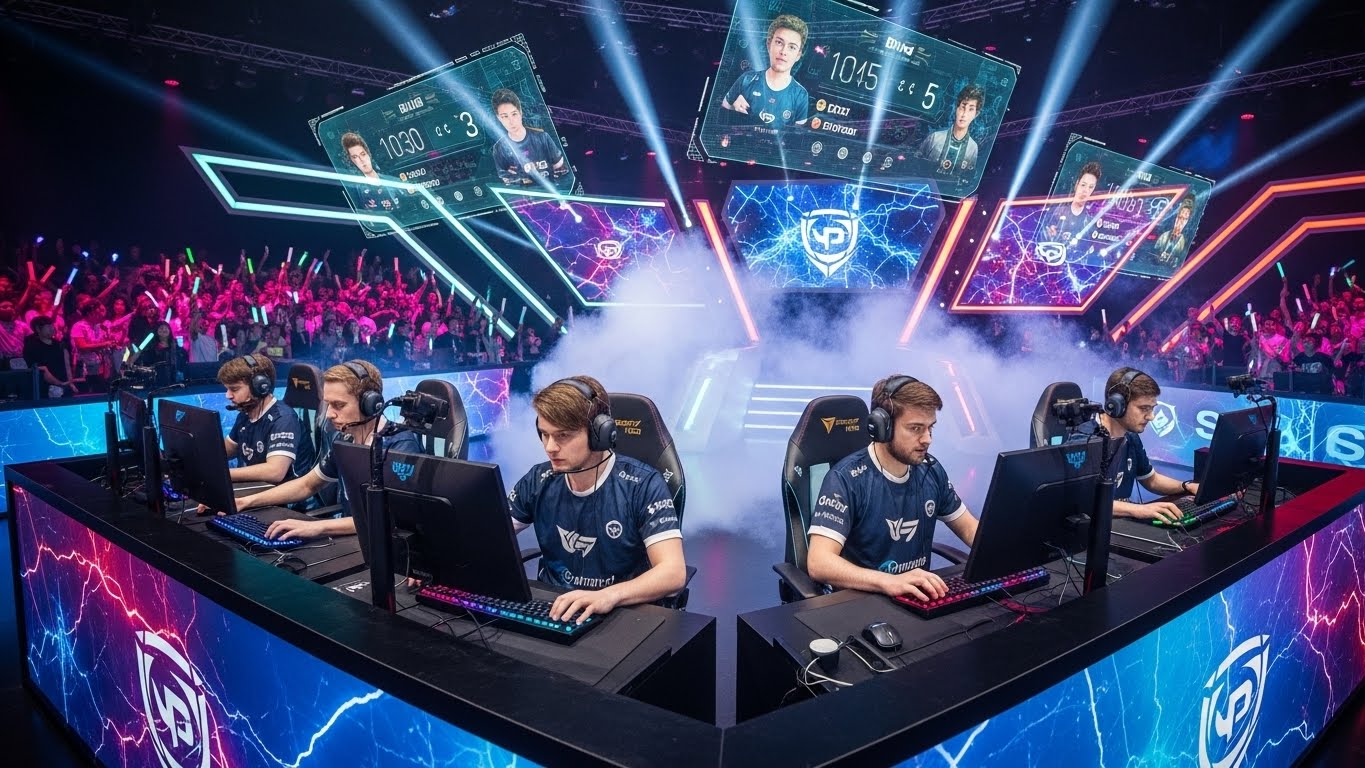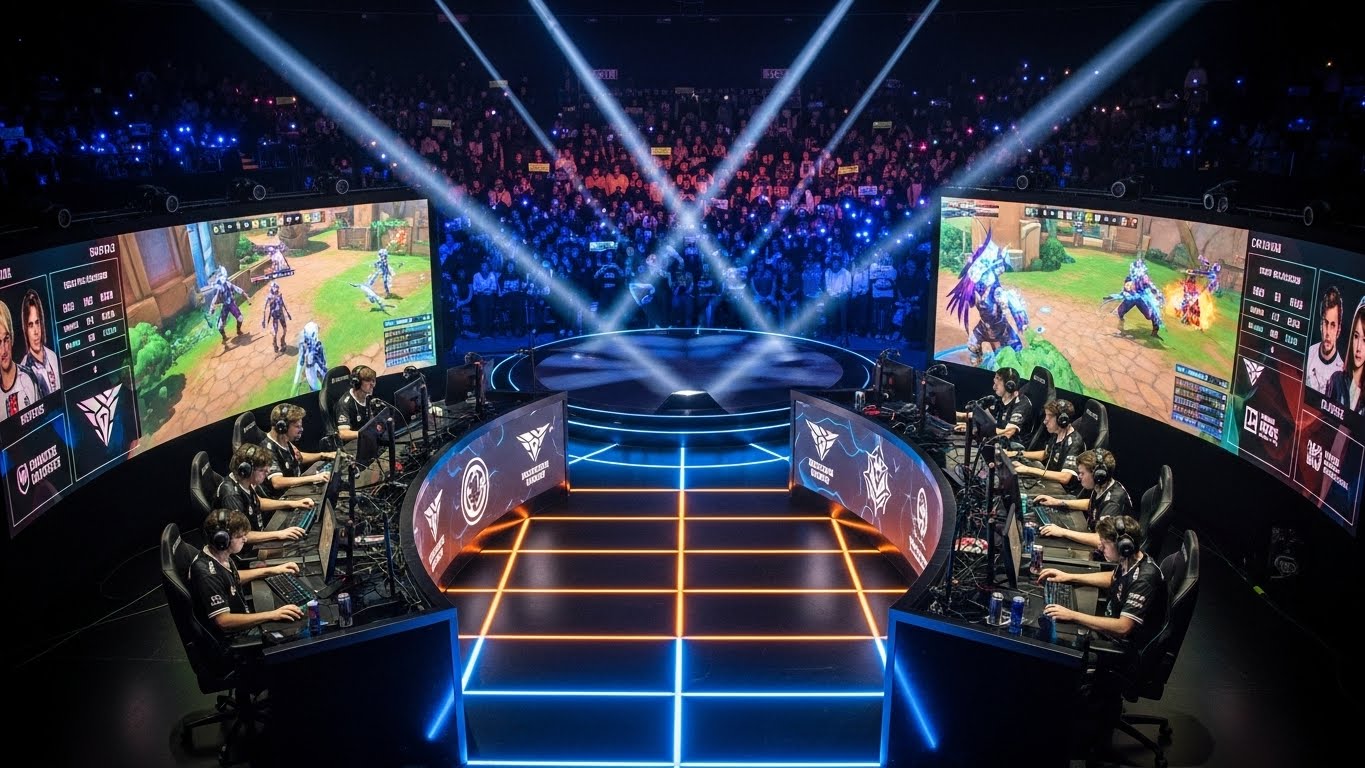

Esports has rapidly evolved from a niche interest into a global entertainment phenomenon. What was once an activity limited to small, passionate communities of gamers is now a multi-billion-dollar industry with massive audiences, top-tier players, and huge sponsorship deals. Today, esports is not only about playing video games; it’s about professional competition, entertainment, and a thriving global culture. In this blog post, we’ll take a closer look at the rise of esports, its cultural significance, and where this exciting sector is heading in the future.
The Explosive Growth of Esports
The growth of esports has been nothing short of remarkable. Over the last decade, competitive gaming has gone from a hobby for a select few to an industry that garners millions of viewers, serious investors, and professional teams. The rapid advancement of technology, particularly high-speed internet and streaming platforms, has been a driving force behind esports’ rise. Games that once had small competitive communities are now household names, with tournaments attracting massive viewerships both online and in live venues.
Some of the most iconic games in esports include League of Legends, Counter-Strike: Global Offensive, Dota 2, Fortnite, and Overwatch. Each game offers a unique competitive experience, whether it’s strategy-based team play, first-person shooting, or massive battle royales. These games have become more than just entertainment—they are a platform for players to showcase their skills and for fans to engage in a global community of like-minded individuals.
Esports as a Professional Career
What makes esports particularly compelling is that it offers players a professional career path, much like traditional sports. Elite players dedicate years of practice and gameplay to hone their skills, often training for several hours a day to maintain their competitive edge. Just like athletes in traditional sports, esports players sign contracts, compete in leagues, and travel to international events.
The rise of esports teams has mirrored the structure of traditional sports teams. Organizations like Team Liquid, Cloud9, and FaZe Clan have become household names, fielding highly skilled rosters across various competitive games. These teams are not only made up of players but also coaches, analysts, and support staff who help optimize performance and guide their players through the competitive season.
Esports players can earn a substantial income through tournament winnings, sponsorships, streaming, and content creation. Major tournaments, such as The International (Dota 2) or the League of Legends World Championship, offer prize pools that can reach tens of millions of dollars, making esports a lucrative venture for those who make it to the top.
The Massive Appeal of Esports Viewership
Esports isn’t just for the players; it’s also a source of entertainment for millions of fans. The digital nature of esports makes it easy for fans to watch their favorite players and teams in action from anywhere in the world. Platforms like Twitch, YouTube Gaming, and Facebook Gaming have become the central hubs for esports streaming, with millions of viewers tuning in for both live broadcasts of tournaments and casual streams.
What sets esports apart from traditional sports is its global reach. Anyone with an internet connection can watch, and the online communities around games help cultivate a sense of belonging for fans. These communities are more than just passive viewers—they actively participate through chats, social media interactions, and content creation, building a deeper connection to the esports ecosystem.
The accessibility of esports also allows fans to follow events across different time zones, engaging with content in ways that were previously impossible with traditional sports. The ability to watch players in action, whether it’s a high-stakes tournament or a casual stream, gives fans a unique, interactive way to experience the competitive gaming world.
Sponsorships and Partnerships in Esports
As esports grows, so does its commercial appeal. Sponsorships and partnerships are a significant part of the industry, providing the financial support necessary for teams, tournaments, and individual players to thrive. Brands from outside the gaming industry, such as Coca-Cola, Intel, and Mercedes-Benz, have recognized the vast potential of the esports market and have invested heavily in partnerships with top-tier teams, players, and tournaments.
Sponsorship deals can range from product endorsements and team uniforms to naming rights for major esports events. These partnerships not only provide funding for the esports ecosystem but also bring legitimacy to the industry. With major brands becoming involved, esports is increasingly being recognized as a legitimate form of entertainment, on par with traditional sports.
For players, sponsorships provide a steady income stream outside of tournament winnings. Additionally, the growth of esports has created a wider variety of opportunities for influencers and content creators, who can partner with brands to produce sponsored content, stream promotions, and exclusive collaborations.
The Impact of Esports on Traditional Sports
Esports is beginning to have a noticeable impact on traditional sports. While esports has traditionally attracted younger audiences, its growing popularity has also piqued the interest of mainstream sports organizations. Major sports leagues, such as the NBA and NFL, are investing in esports through partnerships and team ownership. These organizations see the value in reaching younger, tech-savvy audiences who are more likely to engage with digital platforms and esports content.
Furthermore, the competitive nature of esports is increasingly seen as a complement to traditional sports, with some athletes from other sports even dabbling in esports as a way to stay engaged with their fanbase or relax during the off-season. Esports tournaments, such as those held at major sports arenas, also demonstrate the crossover between digital and traditional entertainment.
This blending of sports and esports could pave the way for more collaboration in the future, with integrated events that bring together physical sports and digital competitions, offering fans an exciting new way to experience live entertainment.
The Future of Esports: Innovation and Expansion
The future of esports looks incredibly promising, with technological advancements and an expanding global audience driving the industry forward. One of the biggest trends on the horizon is the rise of virtual reality (VR) and augmented reality (AR) in competitive gaming. These technologies have the potential to bring a new level of immersion to esports, allowing players to interact in more dynamic and engaging ways. Esports could eventually evolve from just a digital spectacle to fully immersive, interactive events that blur the lines between the real world and the virtual one.
Mobile gaming is also a growing force in the esports world. Games like PUBG Mobile, Mobile Legends, and Clash Royale have made competitive gaming more accessible to a global audience, particularly in regions like Southeast Asia, where mobile gaming is more prevalent than PC or console gaming. As mobile esports continues to rise in popularity, we can expect mobile tournaments and leagues to become an integral part of the esports landscape.
Another exciting development is the growing presence of esports in educational institutions. Universities around the world are offering scholarships for esports players, creating dedicated esports programs, and building arenas for live competitions. This institutional support will help cultivate the next generation of esports professionals and will further legitimize esports as a career option.
Conclusion: Esports Is Here to Stay
Esports has come a long way from its humble beginnings. What started as a niche hobby is now a booming industry that combines competition, entertainment, and professional opportunities. With millions of viewers, an ever-growing number of players, and significant investment from major brands, esports is undeniably here to stay.
As technology continues to advance, the landscape of competitive gaming will evolve, offering even more innovative experiences for players and fans alike. Whether you’re a hardcore player, a casual viewer, or someone just getting into esports, the industry’s future holds exciting possibilities that promise to shape the world of entertainment for years to come. Esports isn’t just a passing trend—it’s a digital revolution that’s transforming the way we view and experience competition.