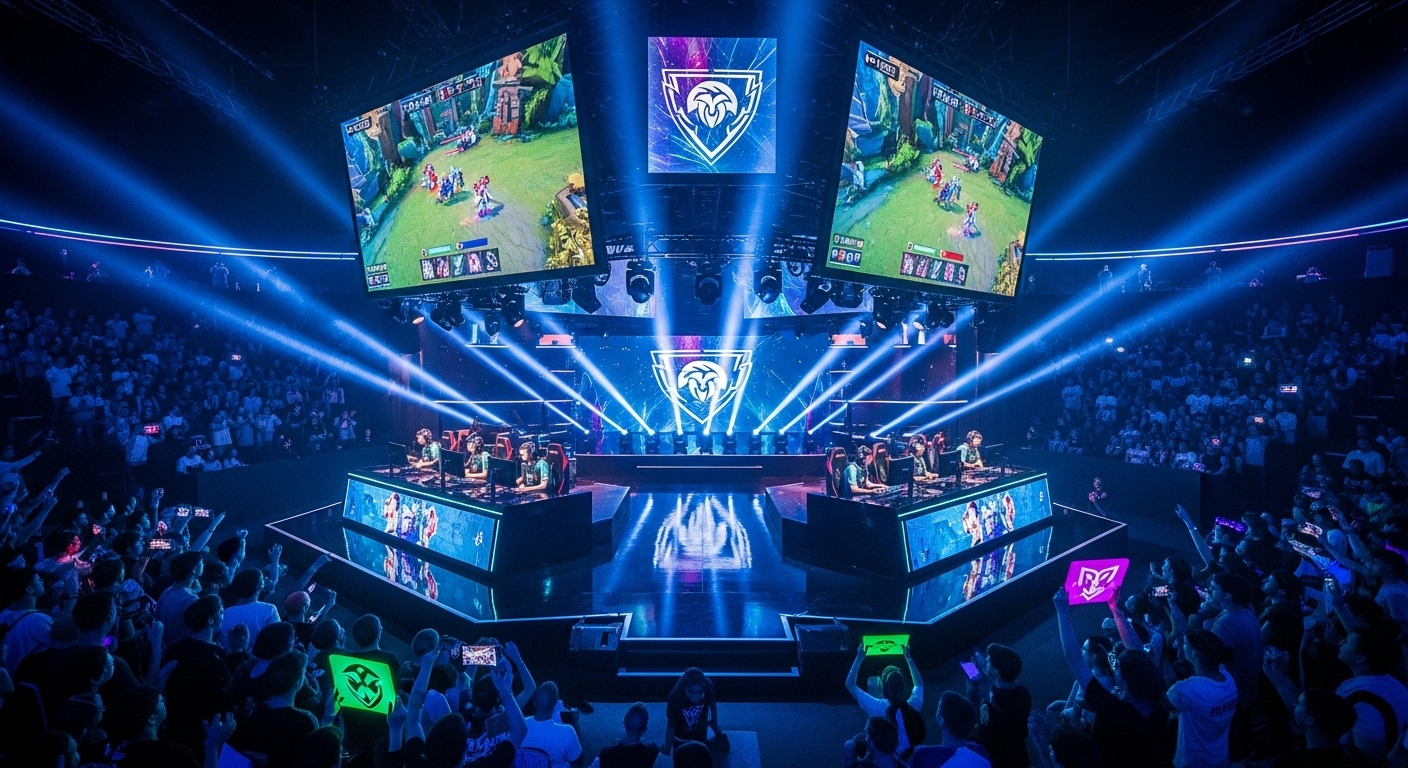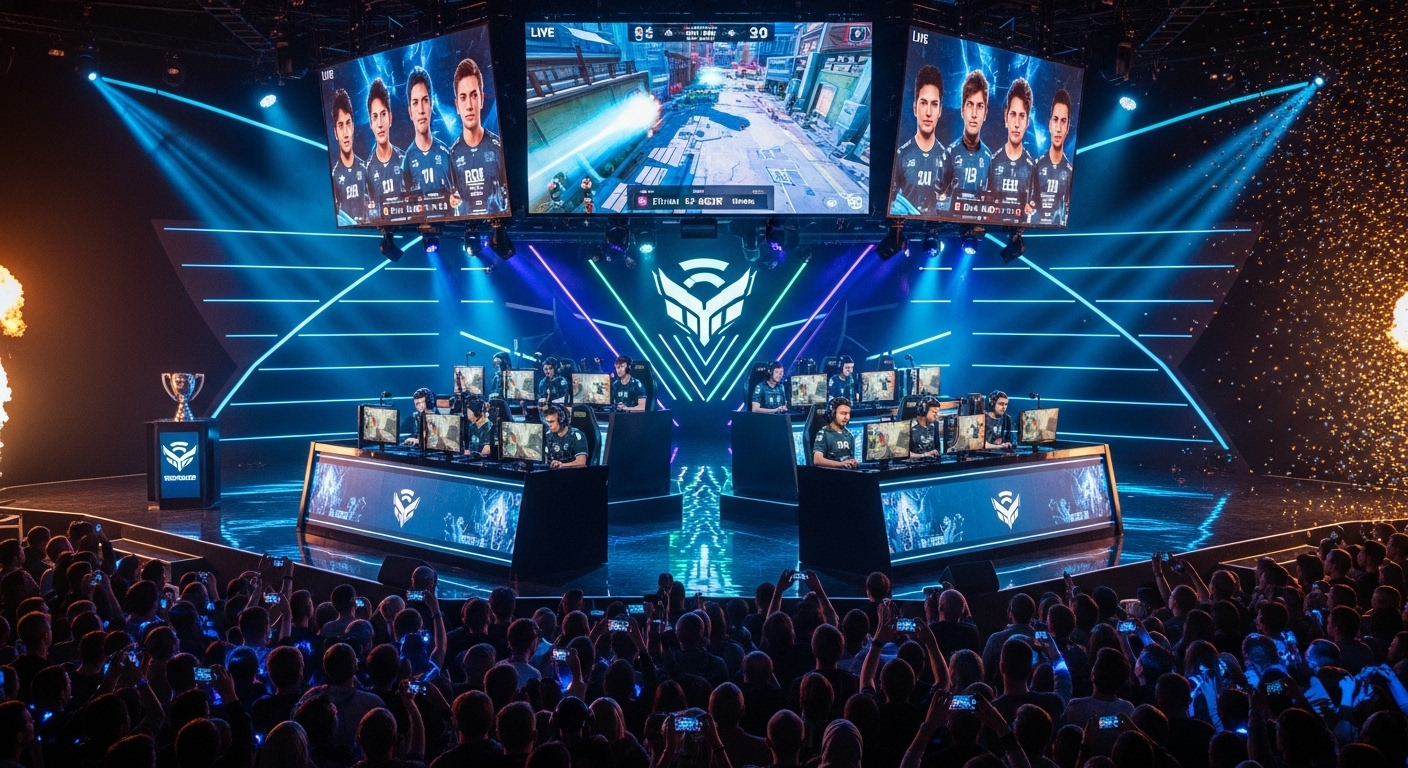
In recent years, the world of sports has experienced a radical shift. No longer confined to traditional athletic competitions, the realm of sports has embraced a new frontier: esports. What was once seen as a niche interest has rapidly transformed into a global phenomenon, with millions of fans tuning in to watch professional gamers compete in high-stakes tournaments. From humble beginnings as a hobbyist activity to becoming a multi-billion-dollar industry, esports has not only redefined the concept of competition but also carved out its own cultural and social significance. This blog post delves into the world of esports, exploring its origins, its explosive growth, and the broader impact it has on entertainment, education, and society at large.
The Origins of Esports: From Arcade Games to Online Tournaments
Esports, at its core, refers to organized, multiplayer video game competitions, often between professional players, individually or as teams. But before it became a global entertainment industry, esports had to grow through various stages.
The Early Days: Arcade Competitions and LAN Parties
The history of esports can be traced back to the 1970s and 1980s, when competitive gaming first took shape. Early arcade games like Pong and Space Invaders allowed players to compete for high scores, but these were informal contests without organized structures. However, the real beginnings of competitive gaming started with the rise of personal computers in the late ’80s and early ’90s.
In the early 1990s, LAN (Local Area Network) parties became a popular way for players to connect and compete with one another. Games like Doom and Warcraft enabled players to battle it out in multiplayer environments, which laid the foundation for larger-scale competitions. These early LAN events were often small, grassroots gatherings, but they were the first taste of organized esports tournaments.
The Birth of Professional Esports: The 1990s and Early 2000s
The first formal esports competition took place in 1997, with the Red Annihilation tournament for the game Quake, which offered a grand prize of a Ferrari. This event set the stage for the future of professional gaming by demonstrating that competitive gaming could draw attention and significant sponsorship. Around the same time, tournaments for games like StarCraft and Warcraft began gaining traction, particularly in South Korea, where esports began to take off in a way that was unprecedented in the West.
By the early 2000s, South Korea had become a global hub for esports. The country’s StarCraft tournaments were broadcast on television, and professional gaming leagues began to form. The development of high-speed internet connections and the rise of online gaming platforms like Battle.net further accelerated the growth of competitive gaming.
The Explosion of Esports: The Growth of Online Platforms and Global Tournaments
As the 2000s progressed, esports experienced exponential growth. Major milestones include the rise of platforms like Twitch, which allowed players and fans to engage with esports content in real-time. But more than just platforms, the popularity of esports tournaments helped solidify its place in the entertainment industry.
The Role of Streaming: Twitch and the Democratization of Esports
One of the biggest game-changers for esports was the launch of Twitch in 2011. Originally conceived as a platform for people to stream their gameplay, Twitch quickly became the go-to platform for competitive gaming. Esports tournaments, once confined to small live audiences or regional events, could now be broadcast to millions of people worldwide. Streamers and professional players gained significant followings, and esports competitions like League of Legends World Championship and The International for Dota 2 began to see viewership numbers rivaling traditional sports events.
Twitch’s popularity also democratized esports, allowing anyone with an internet connection to become a participant in the culture. Gamers could live-stream their gameplay, interact with fans, and even earn money through sponsorships and donations. This opened up a new avenue for players to turn their passion into a profession, further legitimizing esports as an established form of entertainment.
The Rise of Major Esports Tournaments
As esports gained popularity, major tournaments started offering larger prize pools, attracting the best talent from around the globe. The League of Legends World Championship, which began in 2011, is now one of the biggest esports events in the world, with multi-million-dollar prize pools and millions of viewers tuning in from around the world. Similarly, The International for Dota 2 has raised some of the highest prize funds in esports history, with individual tournaments offering prizes of up to $40 million.
Esports tournaments became a combination of sport and entertainment, with live commentary, analysis, and sometimes even musical performances to break up the action. These events began to look more like traditional sports broadcasts, complete with pre-show interviews, halftime segments, and post-match analysis.
Esports as a Cultural Phenomenon: Impact on Entertainment and Society
The rise of esports is not just about gaming; it’s about the way it has woven itself into the fabric of modern entertainment. Esports has reshaped how we think about sports and competition, as well as how we consume entertainment.
The Intersection of Gaming and Traditional Sports
While esports is still in the process of carving out its own identity, it has already had a significant impact on traditional sports. Many esports organizations mirror the structure of traditional sports leagues, with franchises, sponsorships, and players signing contracts. In fact, some traditional sports organizations have even ventured into esports, with teams like the Dallas Cowboys and the Golden State Warriors investing in esports franchises.
Furthermore, esports athletes have gained recognition similar to that of traditional athletes. The top players in games like Fortnite and League of Legends are now celebrities in their own right, with massive followings on social media, endorsement deals, and sponsorships from major brands. Esports has also led to the creation of esports stadiums, where fans gather to watch live competitions in much the same way they would watch a football or basketball game.
Esports as a Social Activity
Esports has also fostered a new kind of social interaction, bringing people together from all corners of the world. Unlike traditional sports, where fans gather in physical stadiums to watch live events, esports fans connect online through platforms like Twitch and YouTube. These platforms offer live chat features, allowing viewers to interact in real-time with other fans and the players themselves. The social aspect of esports has created a sense of community, with fans bonding over shared interests and experiences.
Additionally, esports has made its way into educational institutions, with universities and colleges offering scholarships for esports athletes. Some schools have even created their own competitive gaming leagues, formalizing esports as an extracurricular activity. This shift has legitimized gaming as a career path and has paved the way for esports to be recognized as a legitimate sport by academic institutions.
The Business of Esports: A Multi-Billion Dollar Industry
Esports has quickly transitioned from a niche hobby to a multi-billion-dollar industry. As viewership numbers and player salaries continue to rise, the financial implications of esports are becoming increasingly apparent.
Sponsorships and Advertising
One of the driving forces behind the growth of esports is the influx of sponsorships and advertising. Companies from a wide range of industries—tech, energy drinks, apparel, and even car manufacturers—have realized the potential of reaching a young, tech-savvy audience through esports. As a result, esports teams and tournaments are backed by some of the biggest brands in the world, and sponsorship deals can range from product placements to exclusive partnerships.
Prize Pools and Salaries
As the prize pools for esports tournaments continue to rise, so too do the salaries of professional players. For example, top players in Dota 2 can earn millions of dollars annually, both through tournament earnings and sponsorship deals. In fact, the 2018 Dota 2 International had a prize pool of over $25 million, a staggering amount that highlights the massive financial scale of esports.
Media Rights and Broadcasting Deals
Esports has also attracted significant investment from media companies looking to broadcast competitions. Major networks like ESPN, TBS, and even YouTube have secured broadcasting rights for esports tournaments, further solidifying its place in the entertainment ecosystem. As esports continues to grow, we can expect to see more media companies jumping into the space, eager to capitalize on the expanding audience.
The Future of Esports: Challenges and Opportunities
As esports continues its rapid growth, several challenges remain. One of the biggest hurdles is ensuring the long-term sustainability of the industry. While esports has experienced explosive growth, questions about player health, the longevity of competitive gaming careers, and the potential for burnout persist.
Moreover, as the esports ecosystem expands, there will be a need for regulation and governance to ensure fairness in tournaments, prevent cheating, and protect the well-being of players. Given its relatively young age, esports still lacks many of the structures and protections that traditional sports have, but these are evolving.
However, the opportunities for esports remain immense. As gaming technology continues to improve, new immersive experiences, such as virtual reality esports, could take center stage. Similarly, the continued growth of mobile gaming opens up new avenues for competition and audience engagement.
Conclusion: A New Era of Competition and Entertainment
Esports has come a long way from its humble beginnings in arcade halls and LAN parties. What was once a niche hobby is now a global cultural and financial powerhouse, with millions of fans, professional players, and substantial business investments fueling its rapid growth. As esports continues to evolve, it has the potential to reshape not only the world of competitive gaming but also the very nature of entertainment itself. Whether through immersive virtual experiences, massive tournaments, or global fan communities, esports is here to stay, offering a thrilling glimpse into the future of digital competition and entertainment.