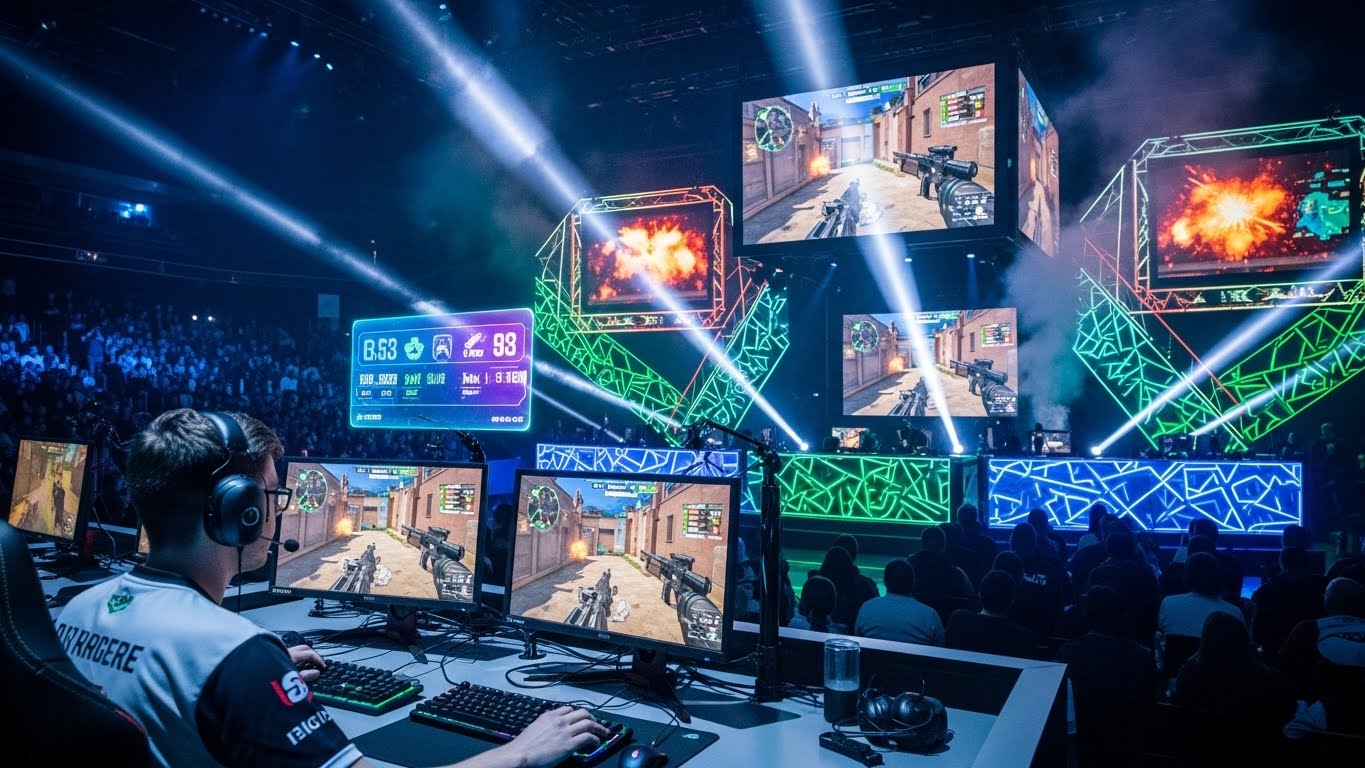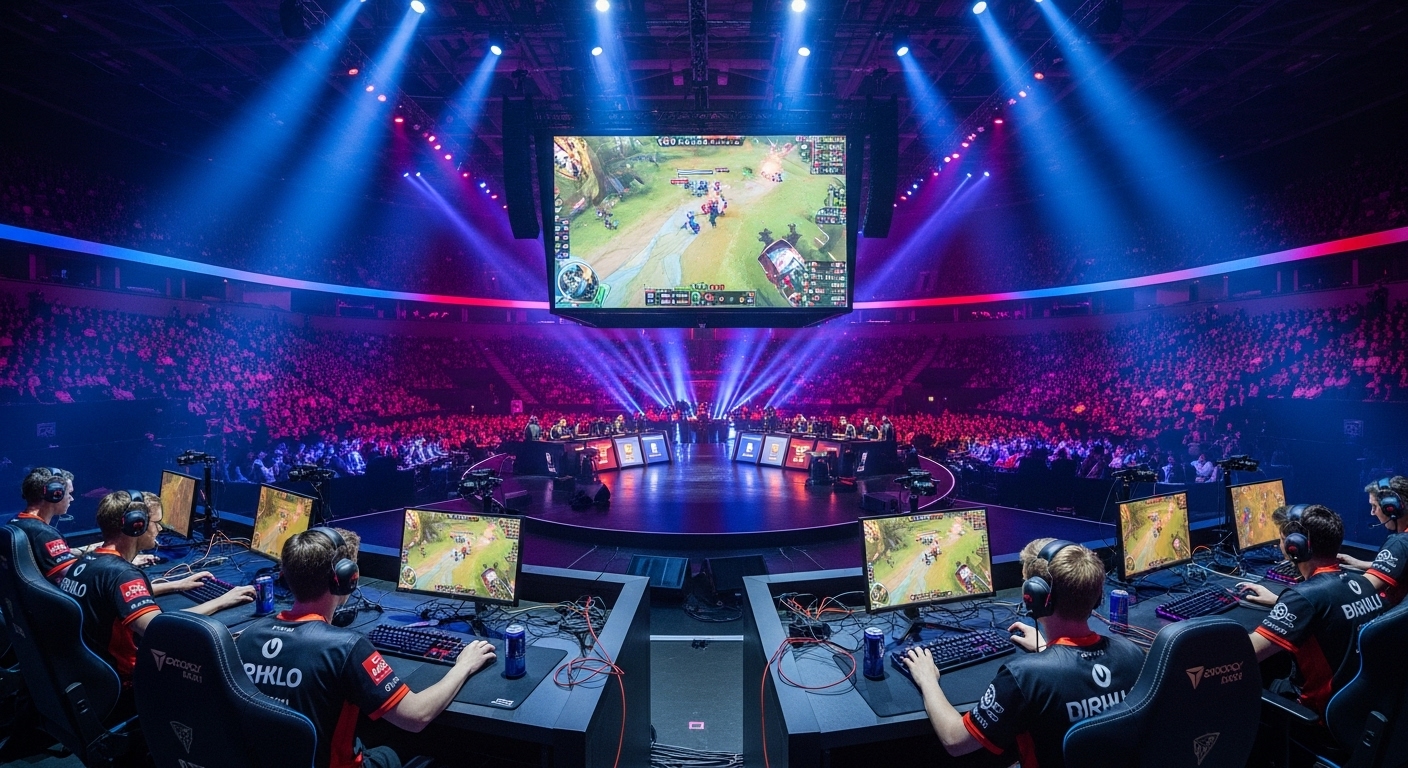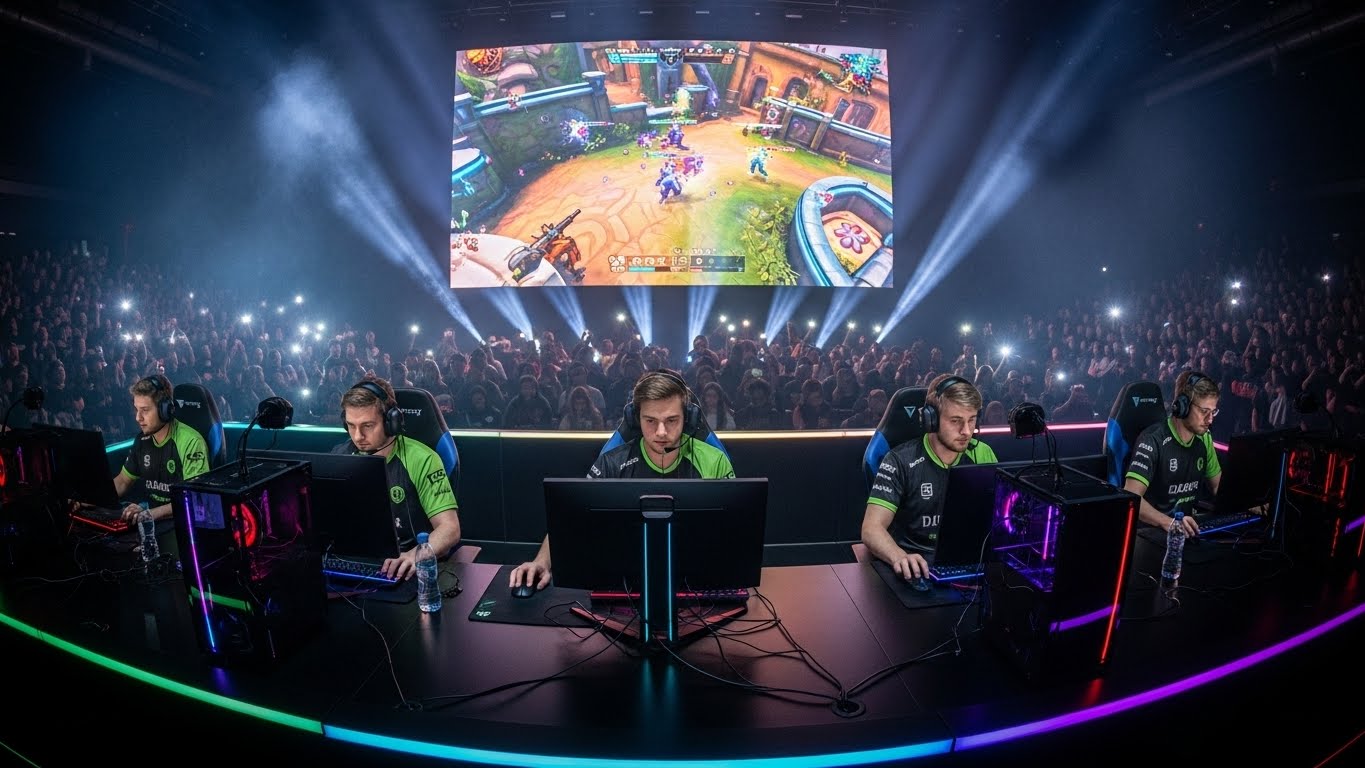
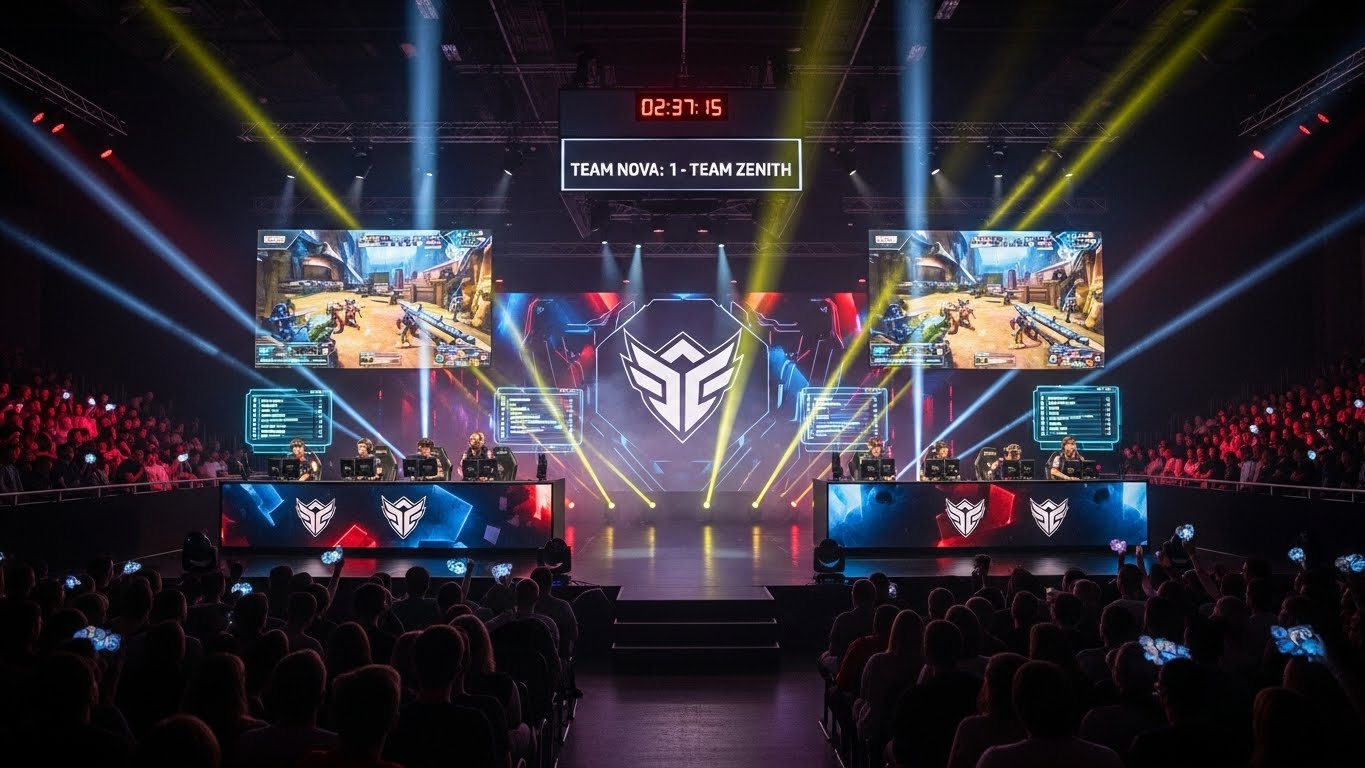
The digital world has birthed many revolutionary trends over the past few decades, but few have captured the public’s imagination like esports. Once a niche pastime for a small group of passionate gamers, esports has evolved into a global powerhouse. Today, competitive gaming is not just a form of entertainment but a multi-billion-dollar industry that boasts millions of fans, professional players, and global recognition. Esports events attract massive audiences both online and in physical arenas, with sponsorship deals and media rights soaring to new heights. In this blog, we’ll dive into the rapid rise of esports, its impact on culture, and what the future might hold for this digital revolution.
What Exactly is Esports?
Esports is short for “electronic sports,” referring to competitive video gaming at a professional level. Unlike casual gaming, where individuals or small groups play for fun, esports involves organized tournaments with high stakes, rigorous training, and, of course, substantial cash prizes. Players, teams, and organizations compete in various game genres including first-person shooters (FPS), real-time strategy games, multiplayer online battle arena games (MOBAs), and battle royales.
Some of the most iconic titles in esports history include League of Legends, Dota 2, Counter-Strike: Global Offensive, Fortnite, Overwatch, and Call of Duty. These games host regular tournaments with both national and international reach, offering millions of viewers an exhilarating display of skill, strategy, and teamwork.
The Early Days of Esports: From Local Tournaments to Global Phenomenon
Esports, in its earliest form, began taking shape in the late 1990s and early 2000s. However, the roots of competitive gaming can be traced much further back to the 1970s and 1980s, when video games like Space Invaders and Pong first captivated audiences. The concept of tournaments started to gain traction in the early years with events like the 1980 Space Invaders Championship, which brought together players to compete in the arcade classic.
However, it wasn’t until the advent of high-speed internet in the late 1990s that esports truly started to take off. The first wave of professional gaming competitions began with Quake and StarCraft in the early days of online multiplayer gaming. These titles laid the groundwork for a competitive landscape, and by the early 2000s, tournaments were being streamed live, giving birth to the modern esports ecosystem.
A pivotal moment in esports history came with the launch of The International, a Dota 2 tournament organized by Valve in 2011. The event was one of the first to offer a prize pool of over a million dollars, setting the stage for what would become an annual tradition of massive, multi-million-dollar prize pools. This shift from small local events to large-scale international competitions attracted global attention and solidified esports as a legitimate sport in its own right.
The Explosion of Esports: A Multi-Billion-Dollar Industry
Fast forward to today, and esports has transcended its humble origins. What was once a niche activity has blossomed into a booming industry, attracting corporate sponsorships, media attention, and millions of dollars in revenue. According to Newzoo’s Global Esports Market Report, the esports industry was projected to generate over $1 billion in revenue by 2023, with over 450 million people engaging with esports content globally. These figures only highlight the immense growth and future potential of competitive gaming.
Esports has attracted sponsorship deals from major global brands like Coca-Cola, Intel, Red Bull, and Mercedes-Benz, who recognize the potential of esports to reach a young, tech-savvy audience. Companies in sectors such as technology, energy drinks, telecommunications, and apparel are increasingly investing in esports organizations, players, and events, further driving the industry’s growth.
The Ecosystem of Esports: Players, Teams, and Organizations
At the heart of esports lies its professional players and the teams they represent. Much like traditional sports, esports teams are made up of highly skilled players who compete in various titles, each playing a specific role within the team. These players often train for hours every day, refining their skills, developing strategies, and studying their opponents to gain a competitive edge.
Esports organizations have now become global entities, representing teams across multiple games and continents. Iconic teams like Cloud9, Team Liquid, Fnatic, and SK Telecom T1 dominate their respective titles and enjoy massive fan followings. These teams are more than just competitive players; they are brands, with merchandise, sponsorships, and a dedicated fanbase. Much like a sports team, they are often featured in documentaries, fan interactions, and promotional events.
The success of an esports organization relies not only on the talent of its players but also on its ability to develop strong marketing and business strategies. Managers, coaches, analysts, and social media teams help build the identity of esports teams, making them accessible and attractive to fans and potential sponsors. As the industry continues to grow, we can expect more organizations to rise in prominence, further solidifying esports as a mainstream industry.
The Role of Streaming: Connecting Fans with Esports
One of the key drivers of esports’ success is the rise of live streaming platforms, particularly Twitch. Twitch, a subsidiary of Amazon, is by far the most popular platform for live gaming content, and it has played a massive role in bringing esports to the forefront of mainstream entertainment. Players, teams, and entire tournaments are broadcast live to millions of viewers, providing an interactive and engaging experience that traditional sports broadcasting cannot offer.
Esports events are streamed live on platforms like Twitch, YouTube Gaming, and Facebook Gaming, allowing fans to tune in from anywhere in the world. This instant access has transformed how fans experience competitive gaming. Viewers can interact with streamers and fellow fans via live chat, ask questions, and discuss gameplay in real time, creating a more interactive experience than ever before.
In addition to live events, these platforms also serve as content hubs where gamers can watch their favorite players stream daily gameplay or learn tips and tricks. This level of accessibility has created an ecosystem where fans feel more connected to the players and teams they support.
Esports and the Mainstream: Cultural Recognition and Acceptance
Over the years, esports has transcended from being a niche hobby to an accepted form of entertainment. The industry’s meteoric rise has led to its recognition in various forms of mainstream culture. Many major media outlets, including ESPN, have begun broadcasting esports events and offering dedicated coverage, further cementing the legitimacy of esports.
Additionally, esports is now recognized as a form of competitive sport by various governing bodies. In 2018, esports was included as a medal event in the Asian Games, a major milestone in its path toward broader recognition. This inclusion helps validate esports as a legitimate form of competition on the global stage, paving the way for future inclusion in events like the Olympics.
Another area where esports has seen increasing cultural integration is in education. High schools and universities around the world now have dedicated esports programs, offering students the chance to compete in tournaments and earn scholarships based on their gaming skills. Institutions like the University of California, Irvine, and Harrisburg University offer full-fledged esports programs that mirror traditional sports teams, with professional coaching, team management, and even state-of-the-art arenas for student athletes.
The Future of Esports: Immersive Technology and Global Expansion
Looking ahead, the future of esports seems brighter than ever. As technology continues to advance, so too will the opportunities for esports to evolve. Virtual reality (VR) and augmented reality (AR) have the potential to radically alter how we experience esports competitions. VR could allow viewers to experience esports tournaments from the perspective of a player, providing an entirely new level of immersion.
Moreover, the growing popularity of mobile gaming is likely to have a significant impact on esports. Mobile esports tournaments for games like PUBG Mobile, Arena of Valor, and Clash Royale are growing rapidly in regions like Southeast Asia and Latin America. Mobile gaming’s accessibility and convenience allow players from all walks of life to get involved in competitive gaming, making esports more inclusive than ever before.
Furthermore, with esports events attracting global audiences, the industry is expanding into new territories. Emerging markets in Africa, the Middle East, and India are becoming increasingly important hubs for esports competitions and viewership. As internet infrastructure improves and mobile gaming continues to rise, these regions are expected to become major players in the esports ecosystem.
Conclusion: Esports’ Undeniable Impact on Entertainment
Esports has come a long way from its humble beginnings. What once started as a niche hobby has transformed into a global phenomenon with millions of fans, professional players, and lucrative business opportunities. The blend of entertainment, competition, and technology has made esports one of the most exciting and dynamic industries in the world today. With its growing cultural significance, global audience, and constant evolution, it’s clear that esports is not just a trend but a new era of digital entertainment. Whether you’re a fan, a player, or a potential investor, one thing is for sure: esports is here to stay.