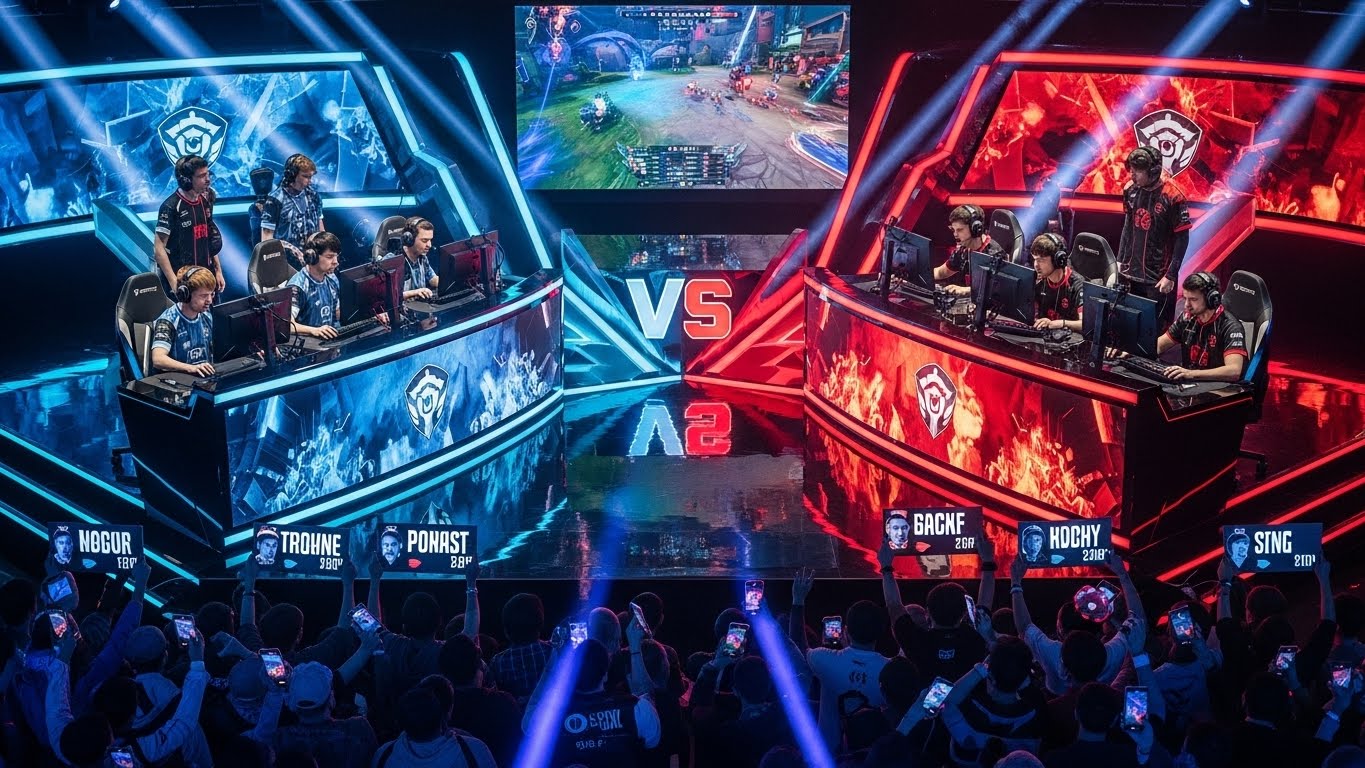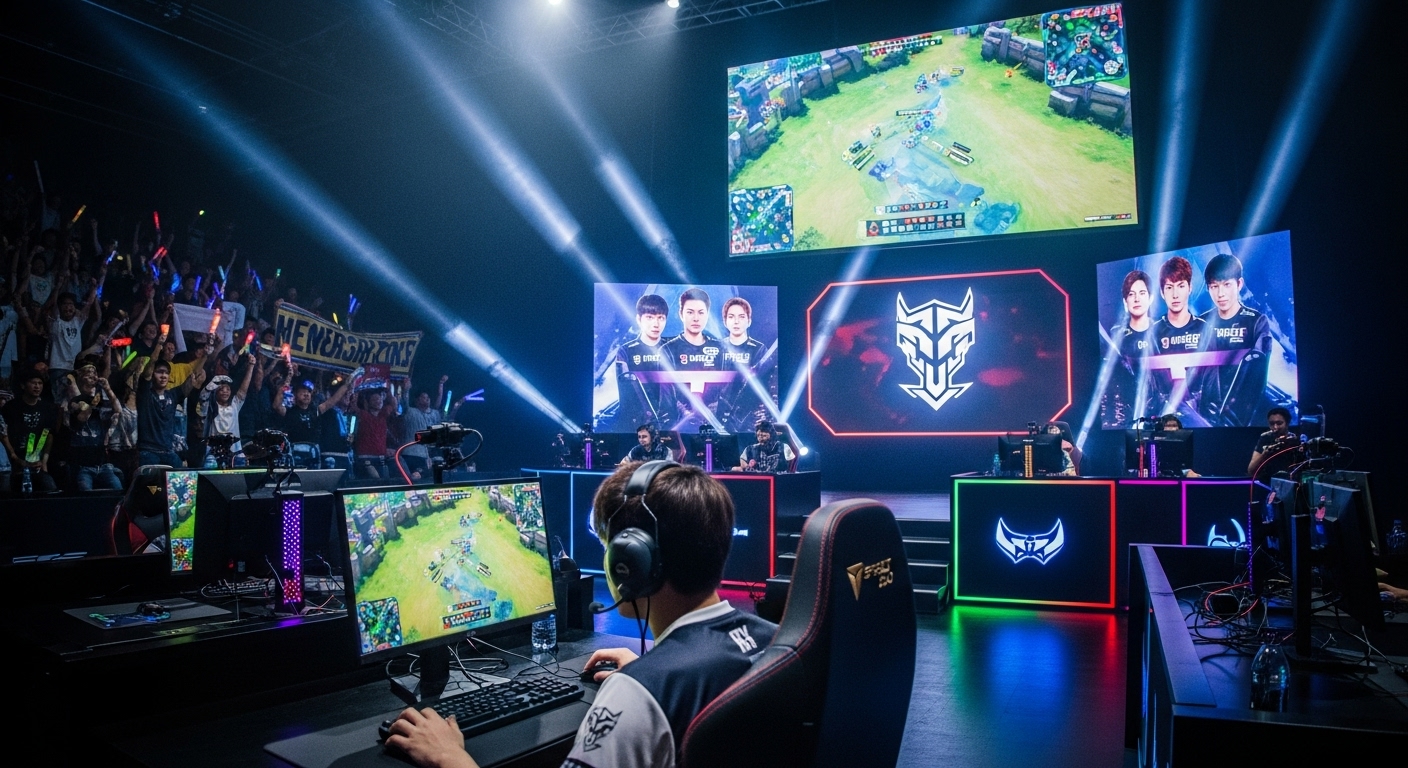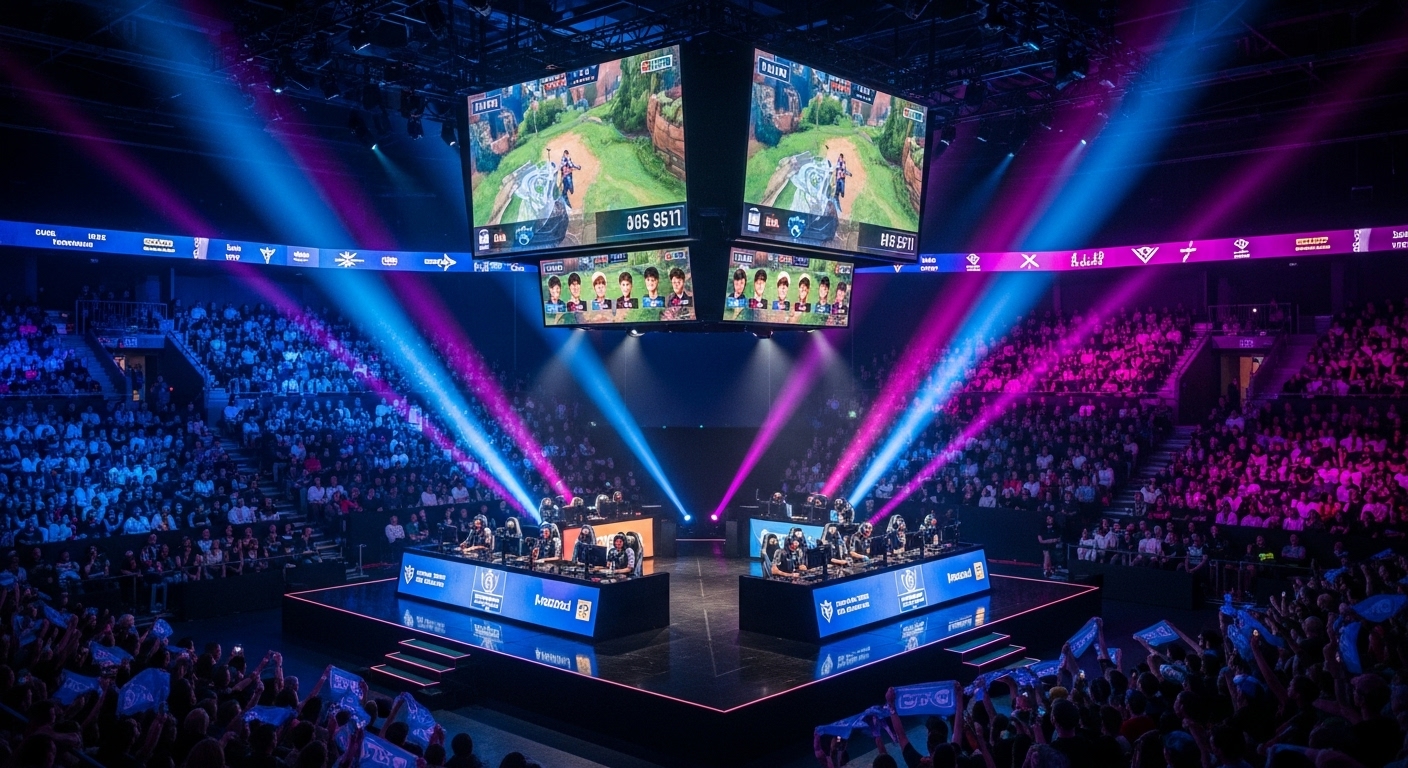

Esports, short for electronic sports, has rapidly evolved from a niche hobby into a global phenomenon that captivates millions of fans, players, and investors. What began as casual competitions among friends or local gaming communities has transformed into a fully-fledged professional industry, complete with organized leagues, international tournaments, celebrity players, and enormous prize pools. In today’s digital age, esports is more than entertainment—it is a cultural and economic powerhouse, shaping the way people play, watch, and interact with games. This blog explores the history, growth, and impact of esports, highlighting its influence on culture, technology, and the future of entertainment.
The Origins of Competitive Gaming
The concept of competitive gaming is far older than many realize. In the 1970s and 1980s, arcade competitions and high-score challenges were popular among players seeking recognition. Early games such as Spacewar! and Pac-Man sparked interest in testing skill against peers. With the rise of home consoles, friendly tournaments became more widespread, though still limited in scale.
The real turning point came with personal computers and early networking technologies. The 1990s introduced multiplayer games like Doom, Quake, and StarCraft, which allowed players to compete across local networks and, eventually, online. These games emphasized skill, strategy, and quick reflexes, laying the foundation for the competitive structures that define esports today. Communities of players formed, sharing strategies, discussing gameplay, and participating in local and regional tournaments, establishing a culture of organized competition that would eventually grow into a global phenomenon.
The Professionalization of Esports
The 2000s marked a new era for competitive gaming. Online multiplayer platforms allowed players from different regions to compete in real time, breaking geographical barriers. Professional esports teams began to emerge, recruiting the best players to compete in structured leagues and international tournaments.
South Korea became a hub for early professional esports, particularly with the popularity of StarCraft. Matches were broadcast on television, and professional players achieved celebrity status. This legitimized esports as a career option and demonstrated that competitive gaming could attract large audiences. As professional leagues developed worldwide, esports began to adopt structures similar to traditional sports, with team management, coaching staff, sponsorship deals, and training schedules.
The Global Expansion of Esports
Today, esports is a multi-billion-dollar industry with a presence on every continent. Major tournaments, such as the League of Legends World Championship, Dota 2’s The International, and the Fortnite World Cup, attract millions of viewers both online and in live venues. Stadiums are filled with cheering fans, while millions more tune in via streaming platforms, creating global events that rival traditional sports in scale and excitement.
The industry generates revenue from multiple sources, including sponsorships, merchandise, media rights, ticket sales, and in-game purchases. Corporations recognize esports as a unique opportunity to reach younger, tech-savvy audiences. Teams operate like traditional sports franchises, with marketing, branding, and fan engagement strategies designed to cultivate loyalty and expand global reach.
The Role of Streaming in Esports’ Growth
Streaming platforms have been a game-changer for esports. Websites and applications that allow players to broadcast their gameplay live have transformed competitive gaming into a spectator sport. Platforms enable fans to watch professional matches, learn strategies, and interact with their favorite players in real time.
Streaming has also democratized access to esports content. Amateur players and independent creators can share gameplay, tutorials, and commentary, building communities and engaging with audiences worldwide. This interactive environment has strengthened the connection between players and fans, increasing engagement and making esports a more immersive form of entertainment.
Why Esports Appeals to Audiences
Esports appeals to millions for several reasons. First, it is highly accessible. Anyone with a computer or console and an internet connection can participate or spectate. Unlike traditional sports, esports does not require physical prowess, making it inclusive for a diverse range of participants.
Second, the thrill of competition is universal. Matches are fast-paced, unpredictable, and skill-driven, keeping audiences engaged. Fans are drawn to the strategies, reflexes, and teamwork displayed by professional players. Finally, esports builds community. Viewers bond over shared interests, form teams, and participate in online discussions, creating a sense of belonging that extends beyond the game itself.
Technology and Esports
Technology is at the core of esports. High-speed internet, powerful gaming hardware, and advanced software allow players to perform at peak levels and spectators to enjoy high-quality broadcasts. Developers continually innovate, creating games designed for competitive play with balanced mechanics and high skill ceilings.
Analytics and artificial intelligence are increasingly used to evaluate player performance, analyze strategies, and enhance training programs. Virtual reality and augmented reality are beginning to shape immersive esports experiences. The constant integration of cutting-edge technology ensures that esports remains dynamic, evolving, and increasingly sophisticated.
The Career Path of Esports Athletes
Esports has created a wide range of career opportunities. Professional players earn money through tournament winnings, sponsorships, and streaming, often rivaling the earnings of traditional athletes. Coaches develop strategies and oversee training regimens, while analysts break down gameplay to maximize team performance.
Beyond playing, esports careers include event management, marketing, content creation, broadcasting, and game development. Educational institutions have started offering esports programs and scholarships, legitimizing competitive gaming as a pathway to professional success. These developments make esports a viable career choice for passionate gamers around the world.
Health and Training in Esports
Professional esports requires physical and mental discipline. Top players follow rigorous training schedules, including practice sessions, strategy planning, teamwork exercises, and physical fitness routines. Maintaining hand-eye coordination, reflexes, and endurance is critical for success.
Mental preparation is equally important. Competitive gaming can be stressful, with high-pressure matches and intense scrutiny from fans. Many teams employ sports psychologists to support players’ mental health, ensuring they can perform consistently at the highest level. The focus on holistic well-being demonstrates that esports is as demanding as traditional sports in terms of preparation and discipline.
Cultural Influence of Esports
Esports has become a significant cultural phenomenon. It has inspired music, fashion, and mainstream media collaborations. Esports players have fanbases rivaling traditional celebrities, and tournaments are celebrated as global events with elaborate productions.
The integration of esports into popular culture has helped normalize gaming as a legitimate form of competition and entertainment. Traditional sports organizations have recognized its potential, with many launching esports divisions to reach younger audiences. This crossover highlights the growing cultural influence of competitive gaming worldwide.
Esports in Education
Esports has also entered educational spaces. Schools and universities now offer esports programs, allowing students to participate in competitive gaming while developing skills such as critical thinking, teamwork, and leadership. Scholarships encourage academic excellence alongside esports achievement, and structured training environments promote personal growth and discipline.
By integrating esports into education, institutions prepare students for potential careers in the gaming industry, while also teaching transferable skills applicable to technology, business, and communication fields.
The Community Aspect of Esports
A defining feature of esports is its ability to foster global communities. Fans from around the world interact online, sharing strategies, creating fan content, and supporting their favorite teams. Competitive gaming transcends geography, bringing people together based on shared interests rather than location.
This global community contributes to esports’ resilience and growth. It enables collaboration, knowledge sharing, and cultural exchange, creating connections that extend beyond the digital arena.
Challenges in Esports
Despite its growth, esports faces challenges. Player burnout, inconsistent regulations, and mental health concerns remain critical issues. Contracts, salaries, and team management practices need continued oversight to protect athletes. Furthermore, maintaining fairness, transparency, and competitive integrity is essential for sustaining the industry’s credibility.
Addressing these challenges requires collaboration between organizations, developers, and governing bodies, ensuring esports continues to thrive responsibly.
The Future of Esports
The future of esports is bright and full of potential. Advancements in virtual reality, augmented reality, and artificial intelligence will create more immersive and engaging experiences. Global tournaments are likely to expand, attracting larger audiences and more investment.
As esports continues to integrate with mainstream culture and traditional sports, it will redefine entertainment, competition, and social connection in the digital age. Young generations will grow up viewing esports as a normal and respected form of competition, ensuring the industry’s long-term sustainability and influence.
Conclusion
Esports has emerged as one of the most dynamic and influential forms of entertainment in the modern era. From its humble beginnings in arcades and small tournaments to the massive professional leagues and global events of today, esports represents a perfect blend of skill, technology, and community. It offers career opportunities, educational benefits, cultural impact, and global connectivity, proving that competitive gaming is far more than a hobby—it is a revolution.
The rise of esports demonstrates how digital entertainment can create meaningful experiences, foster global communities, and shape the future of competition. As the industry grows, one thing is certain: esports is here to stay, and its influence will continue to expand across the worlds of culture, technology, and sports.