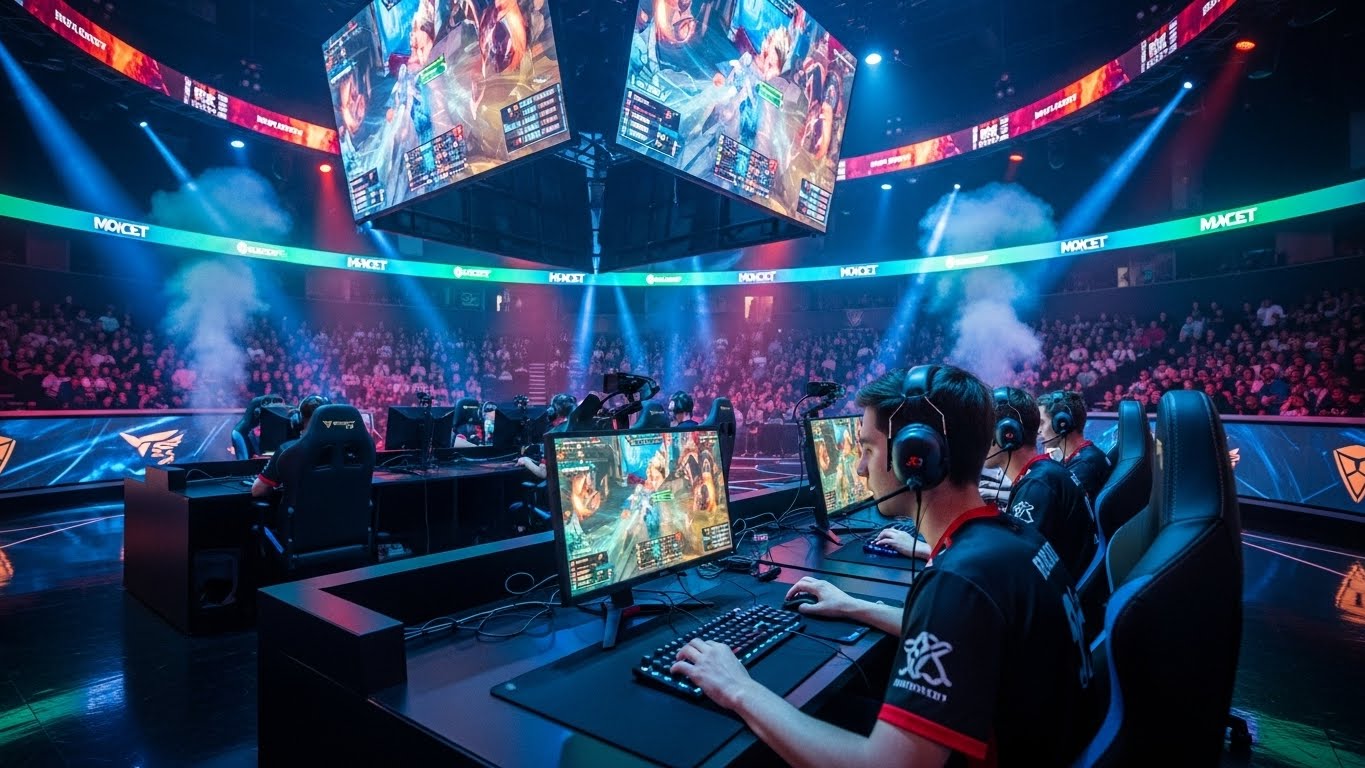
In competitive esports, the balance between game updates and fair competition is delicate. Unlike casual gaming, where updates can happen at any time, esports titles must maintain competitive integrity, ensuring that all players compete under consistent conditions. Updates—whether they involve bug fixes, balance changes, new characters, or map adjustments—can dramatically affect strategies and outcomes if introduced too close to major tournaments or finals.
This blog explores how esports games handle updates before finals, the reasoning behind update freezes, examples from major esports titles, and the processes that maintain fairness while keeping games fresh and engaging.
The Importance of Update Management in Esports
Esports games are constantly evolving. Developers release patches to:
- Fix bugs or technical issues.
- Adjust gameplay balance, such as character abilities, weapon stats, or map features.
- Introduce new content like skins, maps, or heroes.
- Respond to community feedback and maintain long-term engagement.
While updates keep the game fresh, they can have unintended consequences in a competitive environment. Even minor changes can disrupt team strategies, player rankings, and meta-game dynamics. For example, a nerf to a powerful character or a buff to an underused weapon can completely alter the outcomes of professional matches.
Because of this, esports organizers and developers must carefully schedule updates relative to major tournaments, especially finals.
The Concept of a “Patch Freeze”
One of the most common practices in esports is the patch freeze. A patch freeze is a period during which no new updates, balance changes, or major content releases are applied to the competitive version of the game before an important tournament or final.
Key goals of patch freezes include:
- Competitive Fairness: Ensures all players have the same gameplay experience.
- Preparation Consistency: Allows teams to practice and refine strategies without last-minute changes.
- Viewer Clarity: Fans can follow the tournament without confusion caused by shifting gameplay mechanics.
- Stability: Minimizes the risk of introducing new bugs or glitches during high-stakes matches.
Patch freezes typically begin weeks or months before major finals, depending on the title and the complexity of updates.
Examples of Update Management in Major Esports
1. League of Legends
Riot Games, the developer of League of Legends, manages updates carefully around the League of Legends World Championship.
- Patch Freeze Timing: Riot freezes major balance updates several weeks before Worlds, ensuring teams have time to practice on a stable patch.
- Minor Updates Only: Only critical bug fixes or server stability patches may be applied during this period.
- Tournament-Specific Adjustments: Occasionally, Riot creates a tournament patch with known and tested changes to avoid surprises in finals.
This strategy preserves fairness while allowing the competitive meta to stabilize, giving players confidence that their strategies will remain viable.
2. Dota 2
Valve’s Dota 2 follows a similar approach for The International, its premier annual tournament.
- Major Patch Freeze: The International usually uses the patch released two months prior to the event, giving teams enough time to adapt.
- Hotfixes Only: Only critical fixes that do not impact hero balance or core mechanics are allowed during the tournament.
- Meta Prediction: Teams often plan strategies around the most recent stable patch, emphasizing preparation over reaction to sudden updates.
This ensures that all professional teams compete on an even playing field, with no unexpected changes disrupting strategies.
3. CS:GO
In Counter-Strike: Global Offensive, Valve handles updates differently:
- Operational Updates: Valve may release minor tweaks, maps, or cosmetic items before tournaments but avoids changes that affect gun balance or gameplay mechanics.
- Major Updates on Hold: Significant balance adjustments, such as weapon rebalancing, are delayed until after tournament finals.
- Server Settings Standardization: Tournament servers are standardized, and organizers often lock server settings to prevent unintended gameplay changes.
This method balances the need for ongoing game improvements with competitive stability.
4. Fortnite and PUBG Mobile
Battle royale games like Fortnite and PUBG Mobile require careful update timing because:
- Map Changes: Even minor terrain changes can drastically impact competitive strategies.
- Weapon Balancing: Buffs or nerfs immediately affect player performance and team composition.
Epic Games and PUBG Mobile developers freeze content updates before major competitions, using a stable tournament patch to ensure all competitors prepare under identical conditions.
Factors Influencing Update Decisions
Several factors guide whether updates are applied before finals:
- Tournament Timing: Finals with higher stakes or larger audiences often require longer patch freezes.
- Update Scope: Cosmetic-only updates may still be applied, but balance changes are often deferred.
- Community Feedback: Developers monitor competitive communities to gauge potential disruption from last-minute changes.
- Bug Severity: Critical fixes may still be applied if they threaten game stability or fairness.
The goal is always minimizing disruption while maintaining game integrity.
Impact on Players and Teams
Patch freezes and update management significantly affect preparation and strategy:
- Strategic Stability: Teams can focus on refining known strategies rather than adapting to new mechanics.
- Training Focus: Practice time is spent on mastering existing meta rather than reacting to sudden changes.
- Predictable Competition: Players enter finals with confidence that their strategies will remain viable.
Without careful update management, teams may be forced to adapt on the fly, which can lead to unfair advantages or unintentional losses.
Balancing Freshness with Fairness
One challenge for developers is keeping the game fresh while preserving competitive fairness. Fans enjoy new content, but sudden balance changes before finals can undermine the tournament’s credibility. To address this, developers often:
- Release mid-season updates between tournaments.
- Introduce cosmetic content (skins, events) that does not impact gameplay.
- Conduct playtests internally or with professional teams before patch deployment.
- Schedule patch previews, allowing teams to adapt strategies before official release.
This approach ensures that updates maintain engagement without compromising high-level competition.
Conclusion
Esports games handle updates before finals with careful planning, patch freezes, and strategic timing to preserve competitive integrity. Developers balance the need for ongoing improvements with the requirement for a stable, fair environment for professional players. By freezing major balance changes, standardizing tournament patches, and limiting updates to critical fixes, esports organizers ensure that finals showcase skill, strategy, and preparation rather than luck or adaptation to last-minute changes.
As esports continues to grow, update management will remain a cornerstone of competitive fairness, allowing players, teams, and fans to enjoy thrilling, predictable, and high-quality esports finals.