In recent years, esports has evolved from a niche hobby into a global phenomenon, reshaping how we view competition, entertainment, and technology. What once began as casual gaming among friends has now become a multi-billion-dollar industry, complete with professional leagues, sponsorships, and massive audiences worldwide. Esports is more than just playing video games; it is a cultural force that blends skill, strategy, community, and innovation. In this blog, we will explore the rise of esports, its impact on individuals and society, and what the future holds for this rapidly growing industry.
The Origins of Esports
The story of esports begins decades ago with the rise of arcade competitions and early computer games. In the late 1970s and early 1980s, video games like Space Invaders and Pac-Man became popular in arcades, and players started competing for high scores. This competitive spirit laid the foundation for what would become organized esports.
The 1990s saw a significant evolution with the introduction of multiplayer games such as Street Fighter, StarCraft, and Quake. These games allowed players to challenge each other in real-time, creating a competitive gaming culture that spread across schools, internet cafes, and eventually online platforms. By the early 2000s, tournaments with professional players and dedicated prize pools began emerging, solidifying esports as more than just casual entertainment.
The Global Rise of Esports
The last decade has been a transformative period for esports. Games like League of Legends, Dota 2, Fortnite, and Counter-Strike: Global Offensive captured the attention of millions of players and spectators worldwide. Streaming platforms such as Twitch, YouTube Gaming, and Mixer allowed fans to watch matches live, follow their favorite players, and engage with communities, fueling the explosive growth of esports.
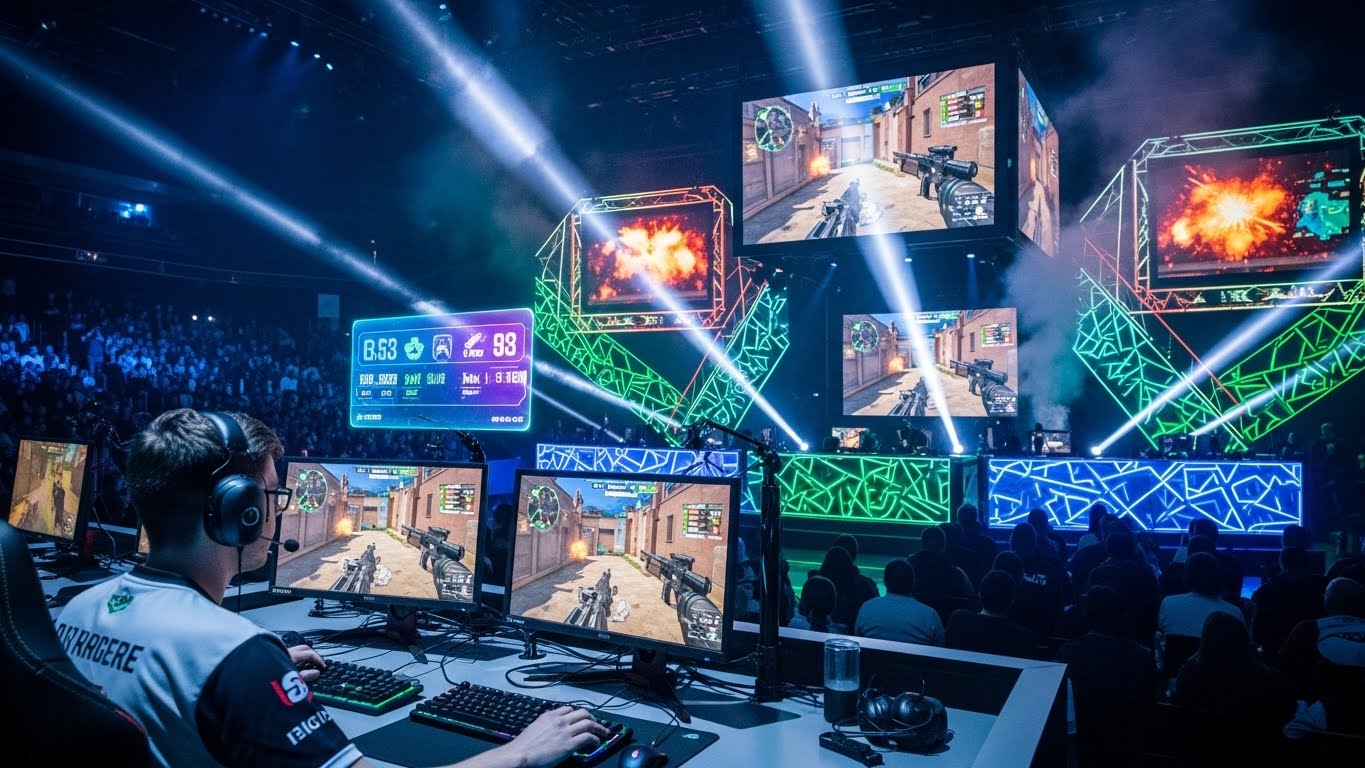
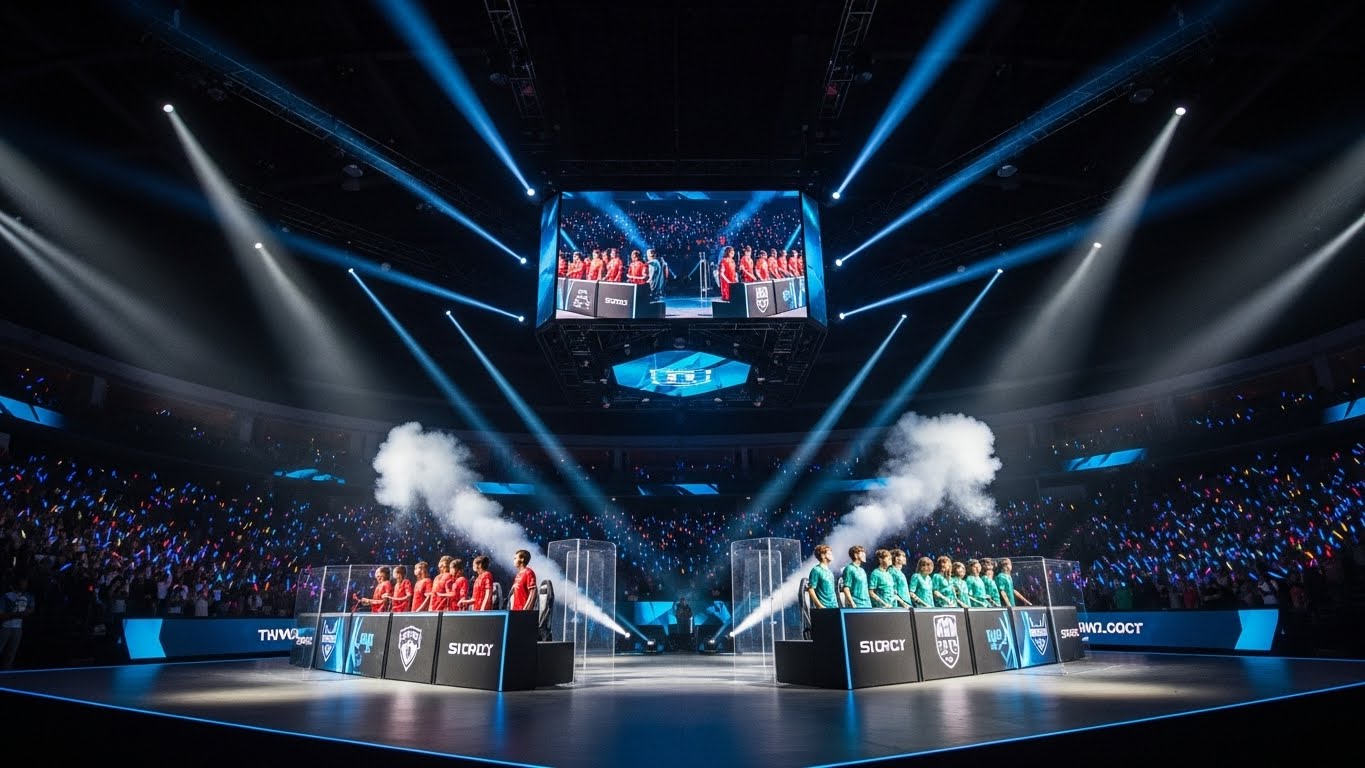
Esports events now fill stadiums, and major tournaments offer prize pools worth millions of dollars. Fans not only watch games but celebrate the personalities of players, forming a unique culture around competition. Esports has moved beyond just gaming; it is now an entertainment and social phenomenon with a passionate global audience.
Physical and Mental Demands of Esports
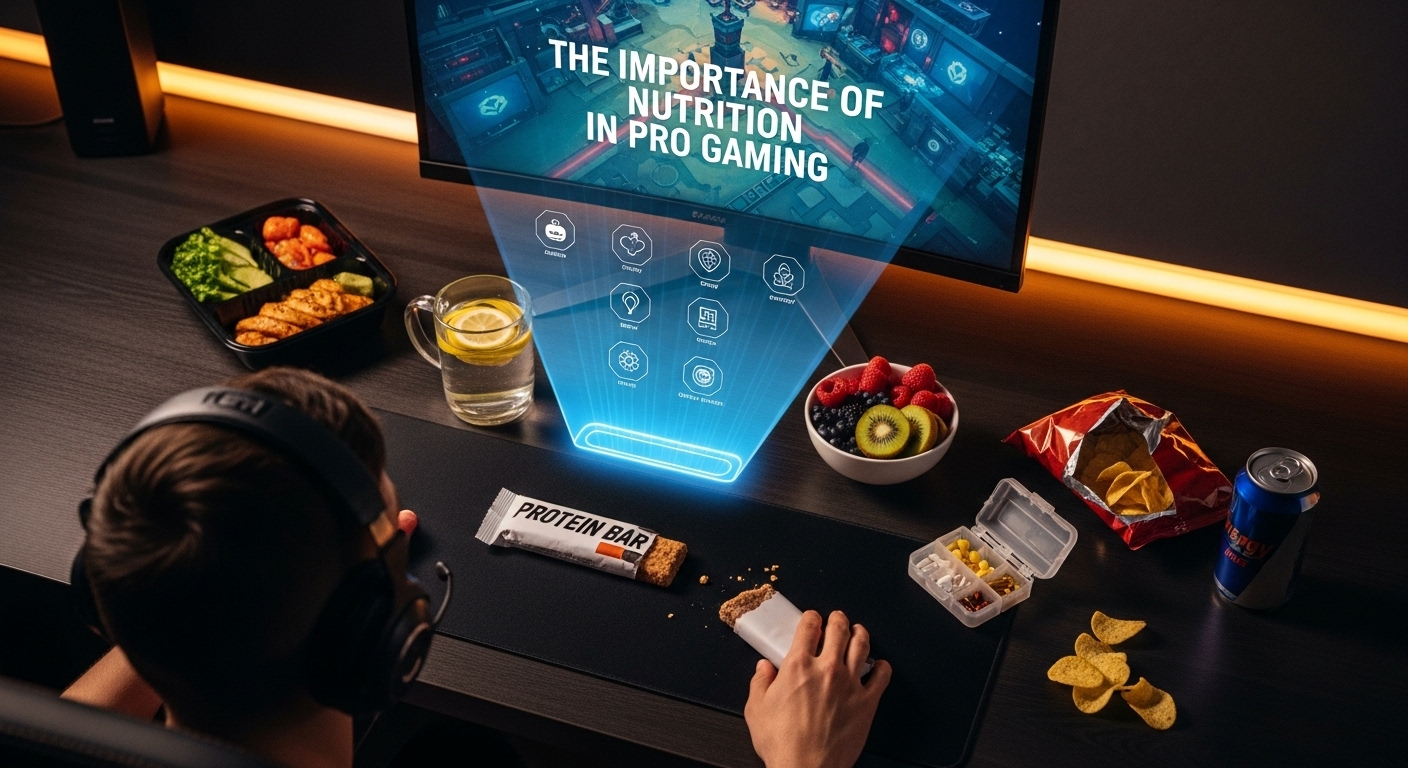
While many people assume esports is purely sedentary, professional gaming requires both physical and mental skill. Players often dedicate eight to twelve hours a day to practice, honing their reflexes, hand-eye coordination, and strategic thinking. Physical health is also essential, as long hours of gameplay can lead to strain injuries, eye fatigue, and posture issues. Many players incorporate exercise, stretching, and proper ergonomics into their routines to maintain peak performance.
Mental agility is equally important. Esports players must remain calm under pressure, make quick decisions, and adapt strategies in real-time. This high-stakes environment develops focus, resilience, and problem-solving skills, traits that extend beyond the game and into personal and professional life.
Community and Social Connections
One of the most remarkable aspects of esports is its ability to bring people together. Online and offline communities form around specific games, players, and tournaments. Fans exchange strategies, celebrate victories, and provide mutual support, creating a sense of belonging and shared passion.
Esports communities are also increasingly inclusive. Players of all genders, ages, and backgrounds can participate and achieve recognition based on skill alone. Online platforms offer spaces for newcomers to learn, interact, and grow, while professional leagues provide aspirational pathways for aspiring players. This social connectivity is a central pillar of esports, fostering friendships, mentorship, and global cultural exchange.
Career Opportunities in Esports
Esports has become a legitimate career path for many individuals. Professional players earn salaries, prize money, and sponsorship deals that can rival traditional sports. Beyond playing, the industry offers opportunities in coaching, broadcasting, event production, content creation, and analytics.
Universities and colleges now offer scholarships and programs dedicated to esports, covering everything from competitive play to game design and management. This recognition underscores the legitimacy of esports as a professional field and opens doors for students to develop both technical and strategic skills. The industry is no longer just a hobby; it has become a viable and respected career path.
The Role of Technology in Esports
Technology is the backbone of esports. High-speed internet, advanced gaming hardware, and streaming platforms have made competitive gaming accessible and engaging for millions. Analytics software helps teams track performance, refine strategies, and gain a competitive edge.
Streaming platforms have revolutionized fan engagement. Spectators can watch live matches, interact with commentators, and participate in real-time discussions. Emerging technologies such as virtual reality and augmented reality are poised to further transform esports, offering immersive experiences that blur the line between the digital and physical worlds. Technology does not just support esports; it defines its growth, reach, and future potential.
Economic Impact of Esports
The economic influence of esports is immense. Major tournaments now feature multi-million-dollar prize pools, and sponsorships from tech companies, apparel brands, and entertainment organizations contribute significantly to the industry. Merchandise, advertising, and media rights further amplify revenue streams.
The impact extends beyond professional teams. Cities hosting tournaments experience increased tourism, while companies offering gaming hardware, streaming services, and event production benefit from the industry’s growth. Esports has created a diverse ecosystem of jobs, ranging from coaching and event management to broadcasting and marketing. It has become a major economic driver in the digital age.
Esports and Social Change
Esports also fosters social progress. It promotes inclusivity, providing opportunities for individuals of different genders, nationalities, and abilities to compete on equal footing. Many initiatives in the industry focus on mental health awareness, anti-toxicity campaigns, and diversity, making esports a socially responsible platform.
Additionally, esports encourages digital literacy and skill development. Players often acquire teamwork, leadership, communication, and technological skills that are valuable in academic and professional settings. Through gaming, participants develop confidence, strategic thinking, and resilience, proving that esports is a tool for personal and societal growth.
Challenges Facing the Esports Industry
Despite its rapid growth, esports faces several challenges. Health concerns, including repetitive strain injuries, eye fatigue, and stress, are prevalent among professional players. The intense competitive environment can lead to burnout, making mental health support and proper training crucial.
Regulation and governance remain important issues. Ensuring fair play, preventing cheating, and managing contractual obligations between players and teams require robust oversight. Gender disparities and unequal access to opportunities are ongoing challenges that the industry must address to maintain inclusivity and fairness.
The Future of Esports
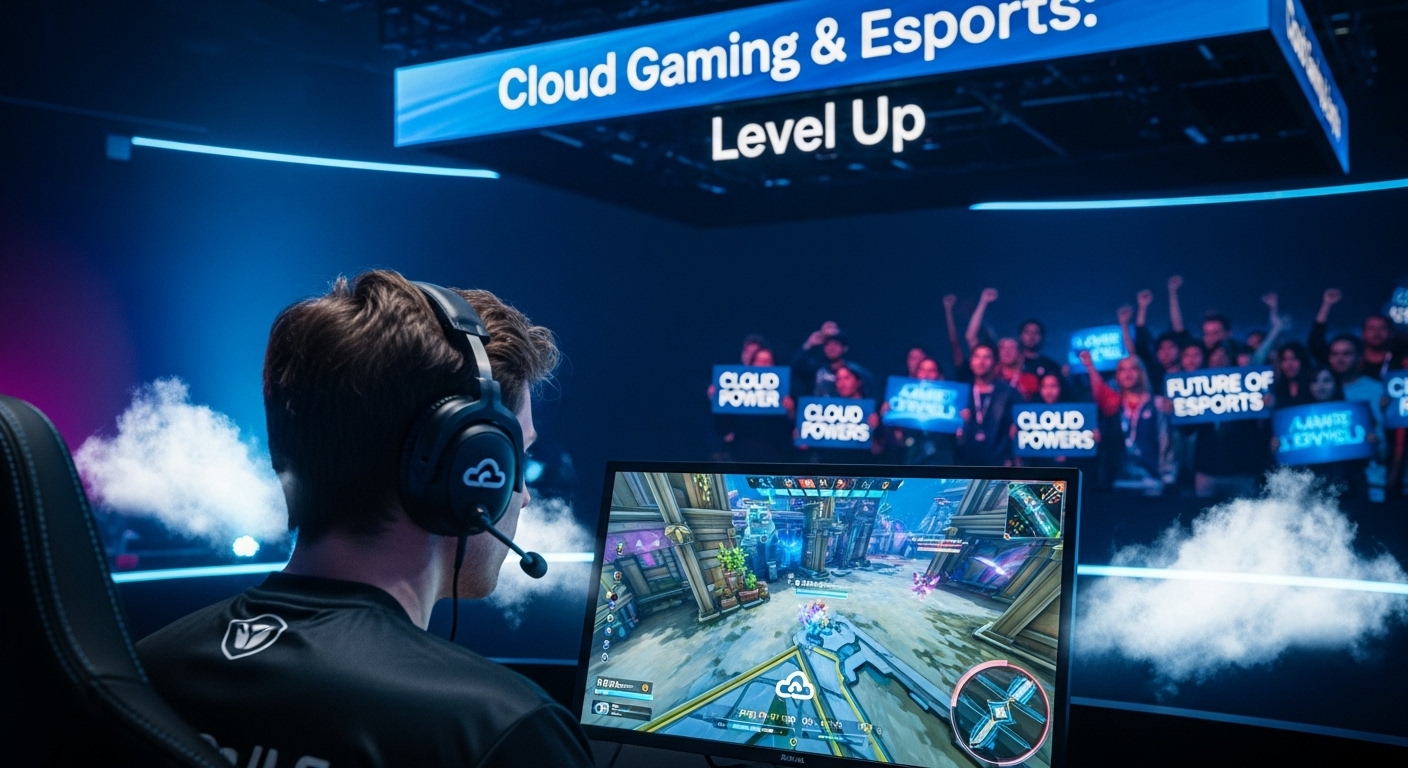
The future of esports is promising and full of innovation. Emerging technologies such as virtual reality, cloud gaming, and artificial intelligence will redefine gameplay and fan engagement. The industry is expected to continue expanding globally, offering new opportunities for players, creators, and businesses alike.
Educational integration will likely grow, with esports becoming part of curricula that emphasize teamwork, problem-solving, and technological literacy. The global reach of esports ensures that it will continue to unite diverse communities and create cultural exchange on an unprecedented scale. As the industry matures, it is poised to cement its place as a permanent fixture in entertainment and culture.
Conclusion: Esports as a Cultural Phenomenon
Esports has transcended its origins as casual gaming to become a powerful cultural, social, and economic force. It combines skill, strategy, and technology to create an experience that engages players and spectators alike. Beyond entertainment, esports teaches valuable life skills, fosters global communities, and provides economic opportunities.
From local online tournaments to international championships with millions of viewers, esports continues to redefine competition in the digital age. Its growth demonstrates the transformative potential of gaming, proving that what was once seen as a pastime is now a professional, respected, and influential industry. Esports is more than just a game—it is a reflection of human creativity, perseverance, and connection in a rapidly evolving world.