Introduction: The Emergence of Esports
Esports, short for electronic sports, has grown from a small community of competitive gamers into a global phenomenon that rivals traditional sports in popularity, viewership, and financial impact. Once considered a casual hobby, gaming is now recognized as a serious professional pursuit. Esports has created a new culture of competition, entertainment, and career opportunities that appeals to millions worldwide. From high-stakes tournaments to live streaming events, esports demonstrates how digital platforms and interactive media have transformed the way people play, watch, and engage with games.
The History of Competitive Gaming
The roots of esports trace back to the 1970s and 1980s with arcade competitions and early computer games. Titles like Pong and Space Invaders provided the first structured environments for players to compete, with high-score boards acting as the original stage for recognition.
In the 1990s, competitive gaming began to take shape with the emergence of multiplayer titles such as StarCraft, Warcraft, and Counter-Strike. Internet connectivity allowed players to compete online, forming early professional gaming communities. By the early 2000s, organized leagues and tournaments became more prevalent, establishing the foundation for the modern esports industry. This evolution illustrates that esports is not a sudden trend but the result of decades of technological progress and cultural growth.
The Modern Esports Ecosystem
Today’s esports ecosystem is vast and multifaceted, combining professional players, teams, tournaments, sponsors, and fans into a single interconnected network.
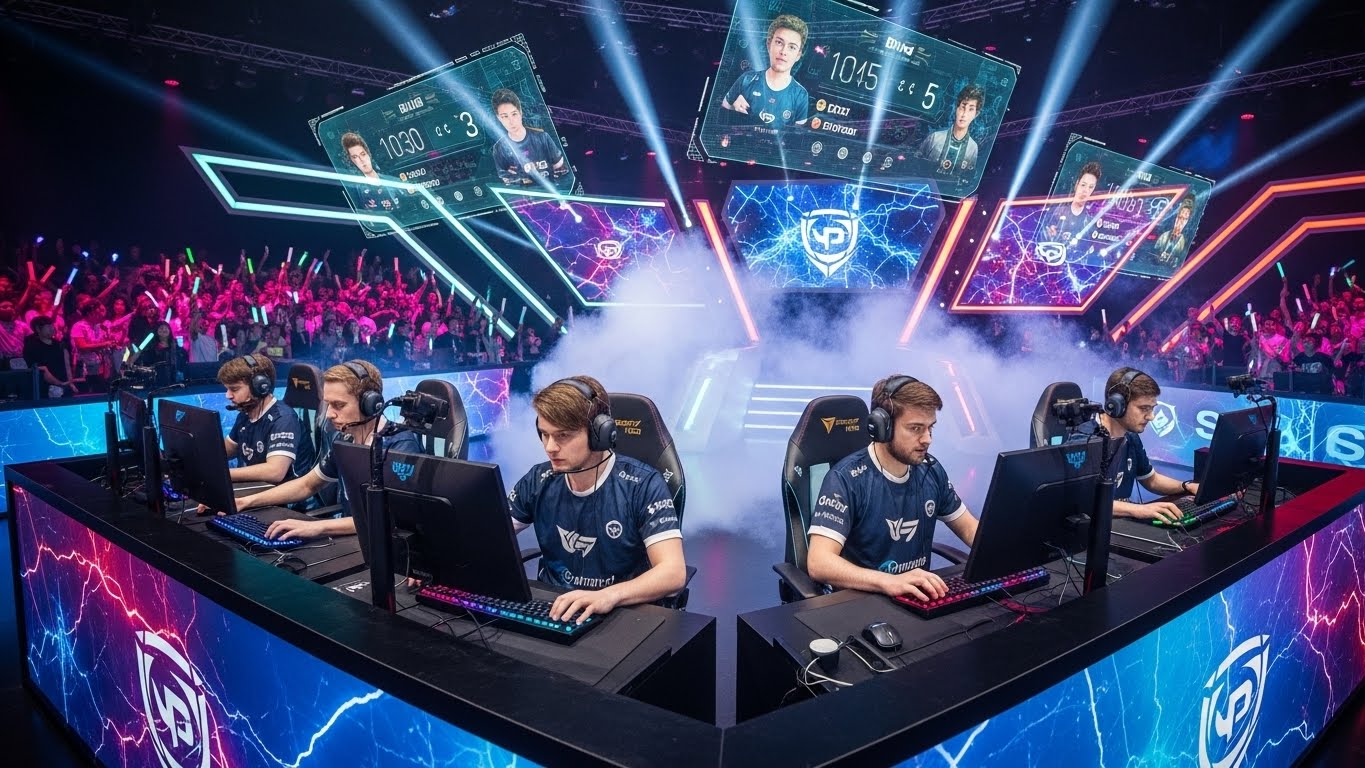
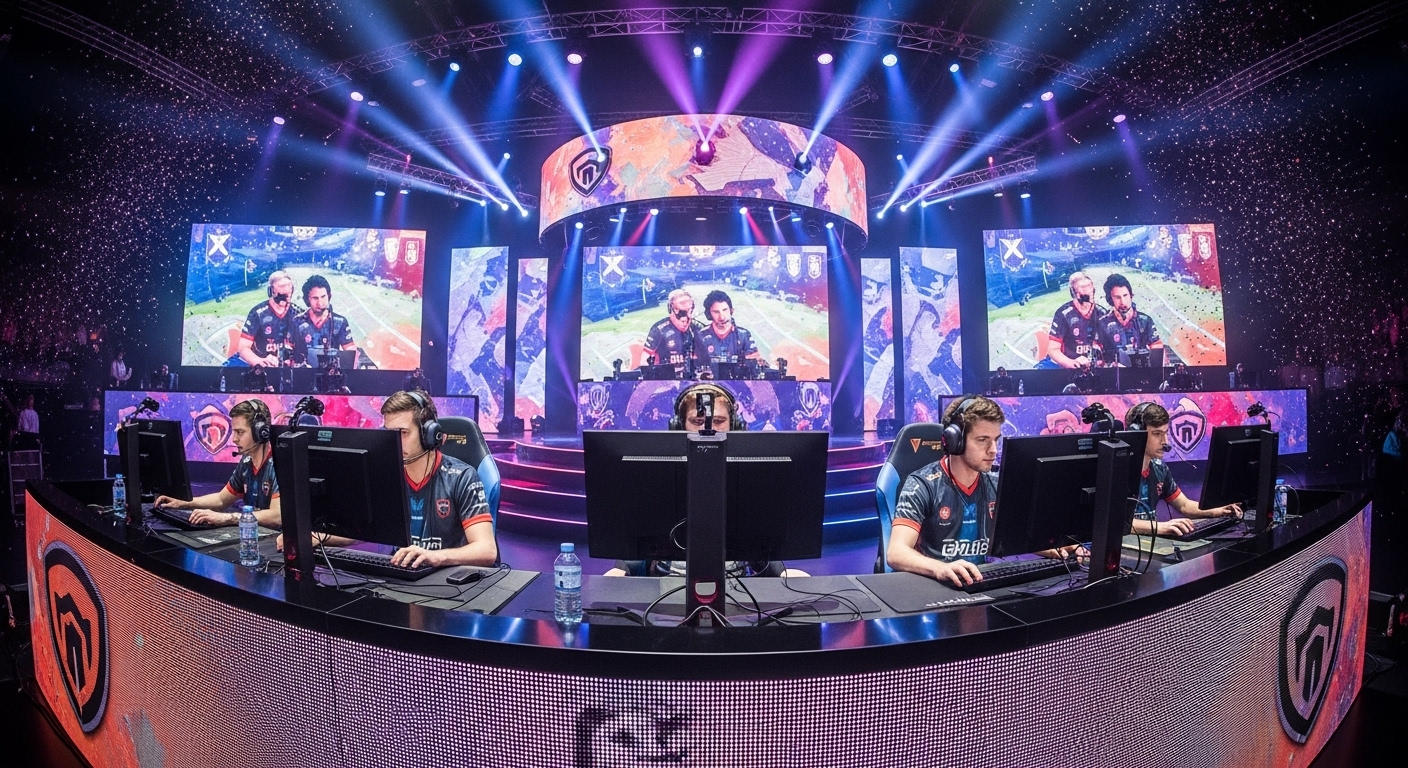
Professional Players and Teams: Top-tier esports athletes dedicate hours daily to practice, strategize, and analyze opponents. Teams operate much like traditional sports organizations, employing coaches, analysts, and support staff to enhance performance.
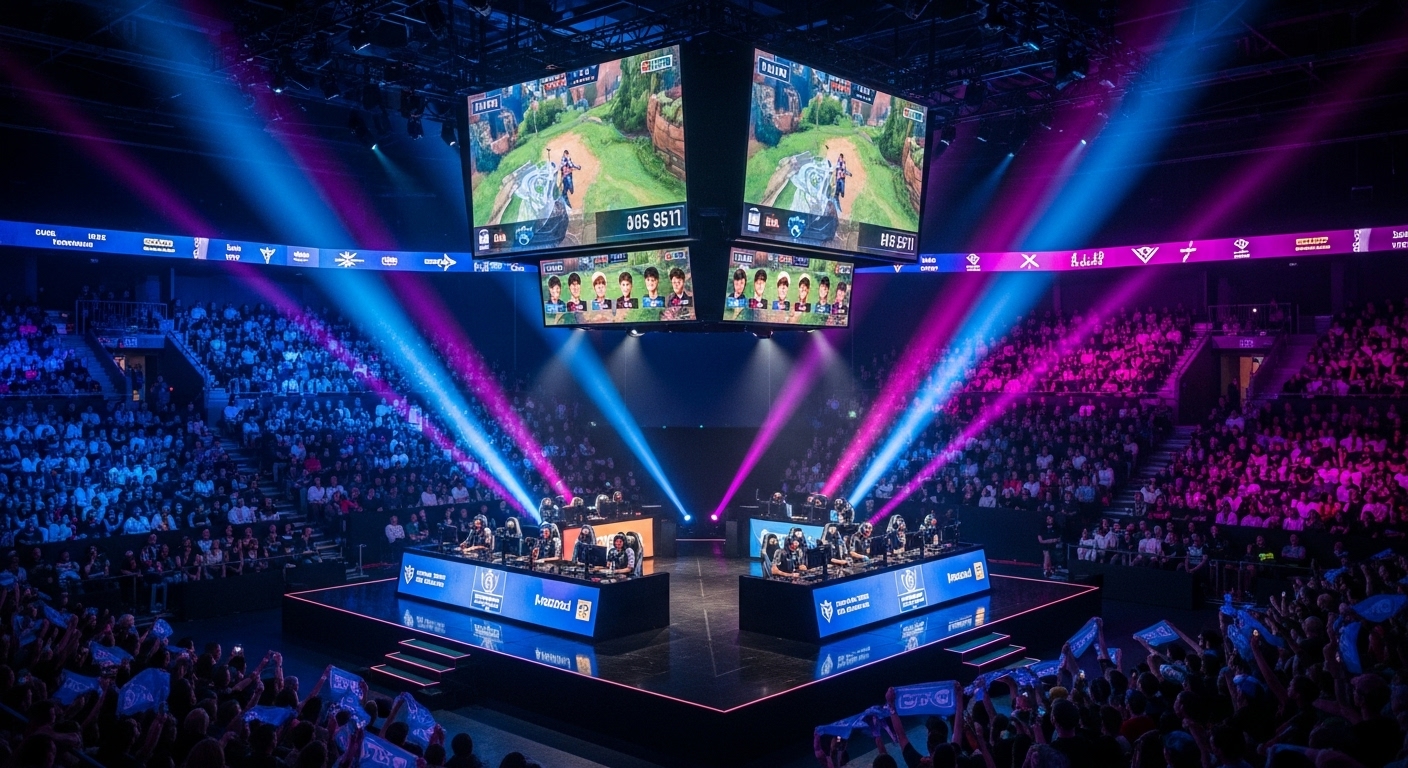
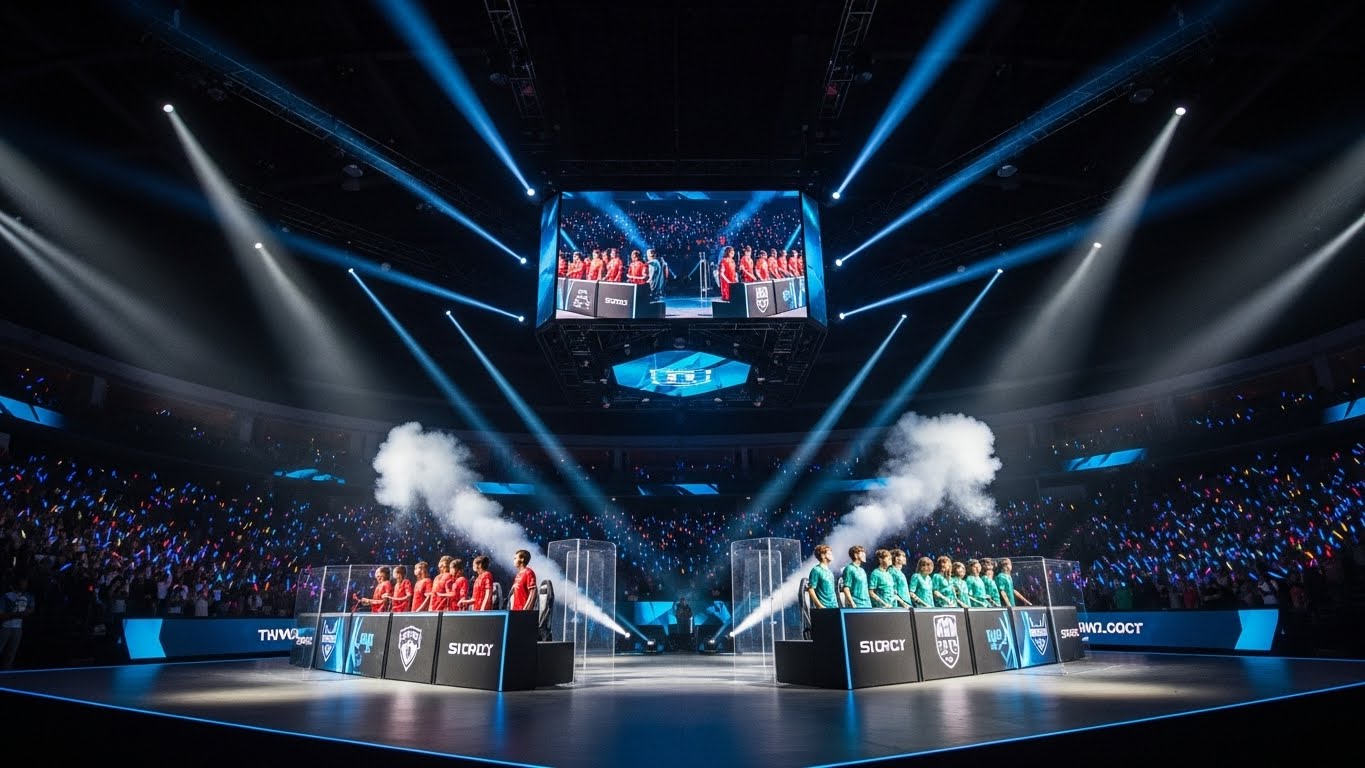
Tournaments and Competitions: Global tournaments such as The International, League of Legends World Championship, and the Fortnite World Cup attract millions of viewers and offer multi-million dollar prize pools. These events are more than competitions—they are cultural spectacles that showcase the excitement, skill, and entertainment value of esports.
Sponsorships and Revenue: Brands have recognized esports as a lucrative market. Sponsorship deals, advertising, media rights, and merchandise sales contribute significantly to the industry’s multi-billion-dollar revenue stream. Corporate investment continues to fuel the growth of esports and expand its reach worldwide.
Streaming and the Growth of Esports Audiences
A key driver of esports’ popularity is live streaming. Platforms such as Twitch and YouTube Gaming allow fans to watch competitions in real-time, interact with players, and participate in communities surrounding their favorite games. This accessibility has created a global audience that spans age groups, nationalities, and cultures.
Streaming has also given rise to influencers and content creators who further popularize esports. Players maintain personal channels where they provide gameplay tips, tutorials, and behind-the-scenes insights. These channels foster personal connections with fans and encourage engagement beyond formal tournaments, creating a more dynamic and interactive experience.
Esports as a Career Path
Esports offers diverse career opportunities beyond playing professionally. Skilled players can earn income through salaries, tournament winnings, streaming revenue, and sponsorships. However, the ecosystem also includes coaches, analysts, event organizers, marketing professionals, and content creators.
Universities and colleges have begun offering esports programs and scholarships, recognizing the industry as a legitimate professional field. Students can develop both gaming skills and broader educational knowledge, preparing them for long-term careers in esports and digital media. This legitimization has helped shift societal perception, portraying gaming as a serious pursuit rather than merely a hobby.
Global Influence of Esports
Esports is a truly global phenomenon, reaching audiences across continents. South Korea pioneered professional esports in the late 1990s with StarCraft, while China hosts massive tournaments with millions of viewers. Europe and North America have cultivated their own competitive scenes with diverse games and fan cultures.
International tournaments bring together players from different countries, promoting cross-cultural interaction and global camaraderie. Fans unite across borders to cheer for their favorite teams, discuss strategies, and celebrate gaming as a shared passion. Esports thus serves as both entertainment and a bridge between cultures.
Popular Esports Games and Genres
The popularity of esports is closely linked to the games themselves. Certain titles have become staples of competitive gaming, spanning multiple genres:
Multiplayer Online Battle Arenas (MOBA): Games like League of Legends and Dota 2 require strategy, teamwork, and individual skill. Players coordinate complex strategies to defeat opponents, emphasizing collaboration and communication.
First-Person Shooters (FPS): Titles like Counter-Strike: Global Offensive and Call of Duty emphasize reflexes, precision, and split-second decision-making. FPS games are known for fast-paced action and intense competition.
Battle Royale: Games such as Fortnite and PUBG have popularized the battle royale format, where players compete in shrinking arenas to be the last one standing. These games combine survival, adaptability, and strategy.
Real-Time Strategy (RTS): RTS games like StarCraft challenge players to manage resources, units, and strategies in real-time, rewarding tactical thinking and quick decision-making.
Technology’s Role in Esports
Technology is the backbone of esports. High-speed internet, advanced gaming hardware, and sophisticated analytics tools enhance both gameplay and audience engagement. Players utilize performance tracking, replay analysis, and strategy simulations to gain competitive advantages.
Streaming platforms, broadcasting software, and interactive chat features create dynamic viewing experiences for fans. Virtual and augmented reality technologies also hold the potential to revolutionize esports, enabling immersive gameplay and interactive spectator experiences that push the boundaries of traditional digital competition.
Cultural and Social Impact
Esports has reshaped culture by redefining competition, teamwork, and entertainment. It has created new role models, influenced fashion and music trends, and inspired content creation across social media. Esports promotes cognitive skills such as problem-solving, decision-making under pressure, and strategic thinking.
The community aspect of esports is also significant. Online forums, fan clubs, and streaming channels create spaces where people connect, share experiences, and develop friendships. Esports has fostered inclusivity, allowing individuals from diverse backgrounds to participate, collaborate, and thrive within the gaming ecosystem.
Challenges Facing Esports
Despite its success, esports faces several challenges. Career longevity is a concern, as professional players often peak at a young age and experience burnout due to rigorous training schedules. Mental health support, structured training programs, and career planning are essential to sustain the industry.
Legitimacy remains another challenge. While esports is increasingly recognized as a professional pursuit, some skeptics question its status as a sport. Efforts to establish standardized rules, fair competition, and regulatory oversight are crucial to gaining wider acceptance.
Additionally, the rapid growth of the industry brings challenges in managing tournaments, ensuring fair play, and addressing cheating or hacking issues. Balancing growth with ethical standards and professionalism is key to the future of esports.
The Future of Esports
The future of esports is bright and full of potential. Technological advancements in virtual reality, artificial intelligence, and interactive platforms will expand the ways players compete and fans engage. Emerging markets in regions such as South America, Southeast Asia, and the Middle East present opportunities for global expansion.
Esports may also integrate more closely with traditional sports through hybrid events, collaborative competitions, and cross-industry partnerships. As infrastructure improves and professional pathways develop, esports will continue to solidify its position as a mainstream entertainment and competitive discipline.
Conclusion: Esports as a Cultural Revolution
Esports is more than a digital pastime—it is a global movement that has redefined competition, entertainment, and community. It combines skill, strategy, technology, and culture in ways that challenge traditional perceptions of sports. From casual gamers to professional athletes, millions of people worldwide are connected through the shared excitement of competition.
The continued growth of esports demonstrates its significance in modern society. It offers career opportunities, entertainment, and social connections while pushing the boundaries of what gaming can achieve. As esports matures, it will continue to shape culture, inspire new generations, and redefine the global landscape of competition and entertainment.
Esports is no longer just a game. It is a dynamic, influential, and transformative industry, reflecting the future of digital culture and competitive sports in the 21st century.