Introduction to the Rise of Esports
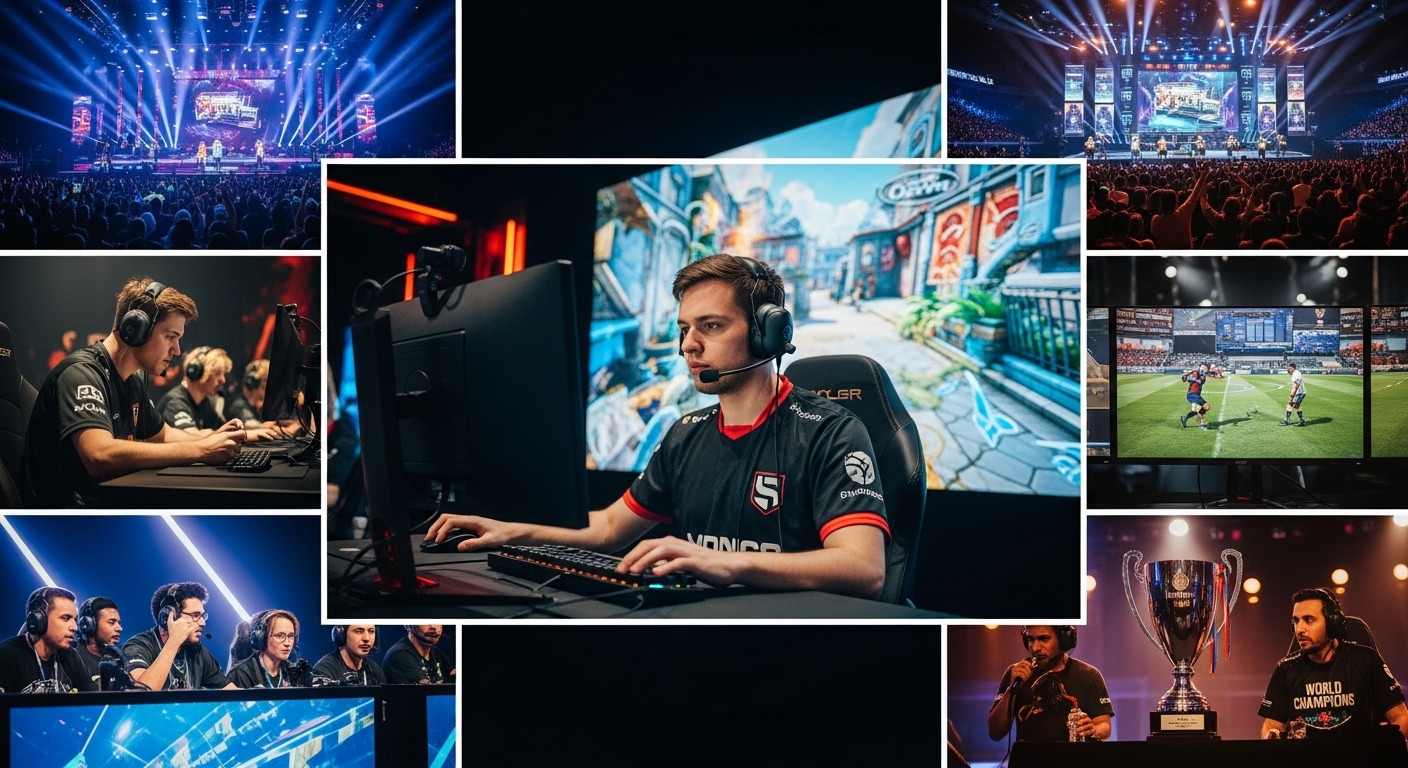
Esports has evolved from a niche hobby enjoyed by small groups of passionate gamers into a global cultural force that commands the attention of millions. What was once considered a simple extension of gaming culture has become a massive competitive ecosystem with professional leagues, star players, corporate sponsors, and audiences that rival traditional sports. The digital arena has developed into a world where reflexes, strategy, teamwork, and mental resilience blend to create a modern form of entertainment unlike any other.
As technology advances, streaming becomes more accessible, and younger generations gravitate toward digital experiences, esports continues to grow at an unprecedented pace. This blog explores the incredible journey of esports, the driving forces behind its popularity, the careers it has created, and the innovations shaping its future.
The Early Days of Competitive Gaming
Esports did not appear overnight. It began decades ago with small competitions held in arcades, university lounges, and early multiplayer networks. These events were simple, often organized by groups of friends or small communities. Players competed not for fame or financial reward, but for pure passion and bragging rights.
The competitive spirit grew stronger as home consoles and PC gaming became more accessible. Local tournaments expanded into regional contests, and dedicated fans began traveling to meet like-minded competitors. While the audience was still small, the players showed the same dedication and excitement seen in more traditional sporting events.
The arrival of widespread internet connectivity changed everything. More people could compete online, strategies evolved rapidly, and game developers began designing titles specifically for multiplayer competition. The seeds of esports were planted long before it became a global sensation, nurtured by communities that simply loved competitive gaming.
How Esports Entered the Mainstream
Esports exploded into mainstream culture when streaming platforms made it possible for anyone to watch professional gamers compete in real time. Viewers no longer needed to attend physical events to follow their favorite players. Suddenly, esports had global visibility.
Game developers began organizing professional leagues with structured seasons, rankings, and high production value broadcasts. Celebrities and athletes from other sports took notice. Major brands began sponsoring teams, creating training facilities, and forming partnerships. Esports teams evolved from casual groups to full organizations with coaches, analysts, and support staff.
The media also played a major role in esports’ rise. News channels, online publications, and even television networks began covering major tournaments and profiling star players. Esports was no longer simply entertainment; it became a legitimate industry.
Why Esports Captivates Millions
Esports appeals to audiences for a variety of reasons. One of the most significant factors is accessibility. Anyone with a computer or console can participate in the same games played by professionals. Many fans watch Esports not simply to be entertained but to learn strategies, improve their skills, and connect with a community that shares their passion.
Another major reason for esports’ appeal is its pace and excitement. Many competitive games unfold quickly, with moments of intense action and high stakes. The fast reflexes and strategic decision-making displayed by top players create an adrenaline-fueled viewing experience.
There is also a deep sense of community within esports. Fans form groups, discuss strategies, analyze matches, and support their favorite teams. Online spaces provide limitless opportunities for interaction. Esports invites people from all cultures, languages, and regions to participate in a shared experience.
Different Categories of Esports Games
Esports includes a wide range of game genres, each offering its own unique style of competition. Popular categories include:
Multiplayer Online Battle Arena Games
These games involve team-based strategy, map control, and fast decision-making. Players assume roles and must collaborate effectively to achieve victory.
First-Person Shooters
Reflexes, accuracy, and tactical positioning are the primary skills required. These games attract massive audiences due to their fast pace and intense action.
Sports Simulations
These games mirror traditional sports such as soccer, basketball, or racing. They appeal to fans who enjoy the strategic and skill-based nature of real-world sports.
Battle Royale Games
A large group of players compete until only one remains. These games combine survival mechanics with high-level strategic thinking.
Esports is diverse, offering something for every type of player and viewer.
The Lifestyle of Professional Esports Athletes
Professional esports athletes dedicate countless hours to practice and strategy. Their routine often includes mechanical training, team meetings, replay analysis, fitness sessions, and mental resilience exercises. While esports may not demand physical exertion similar to traditional sports, it does require immense mental endurance, focus, and discipline.
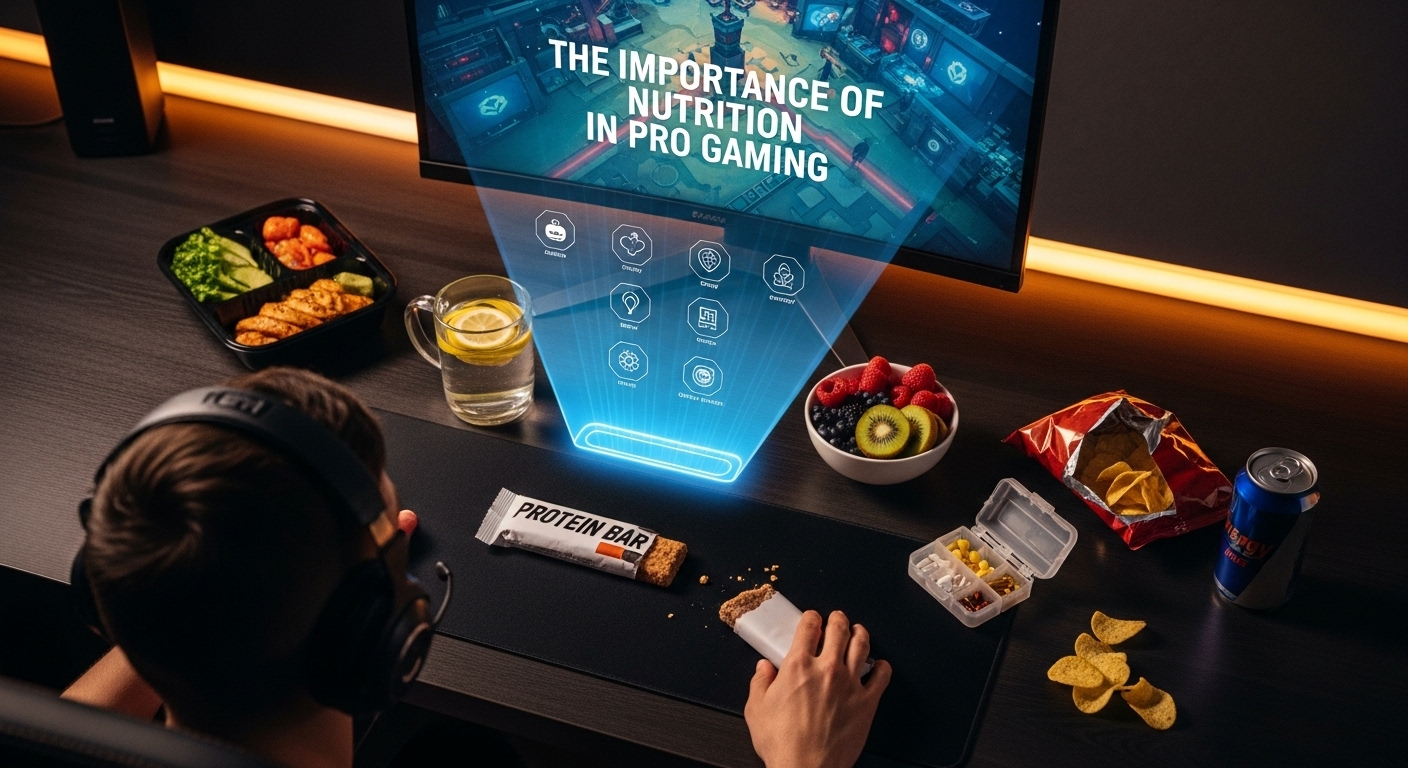
Many organizations provide players with nutritionists, sports psychologists, and wellness coaches. Reaction speeds and decision-making abilities must be maintained at peak levels. Esports pros understand that success requires consistency, teamwork, and a willingness to constantly evolve with the competitive landscape.
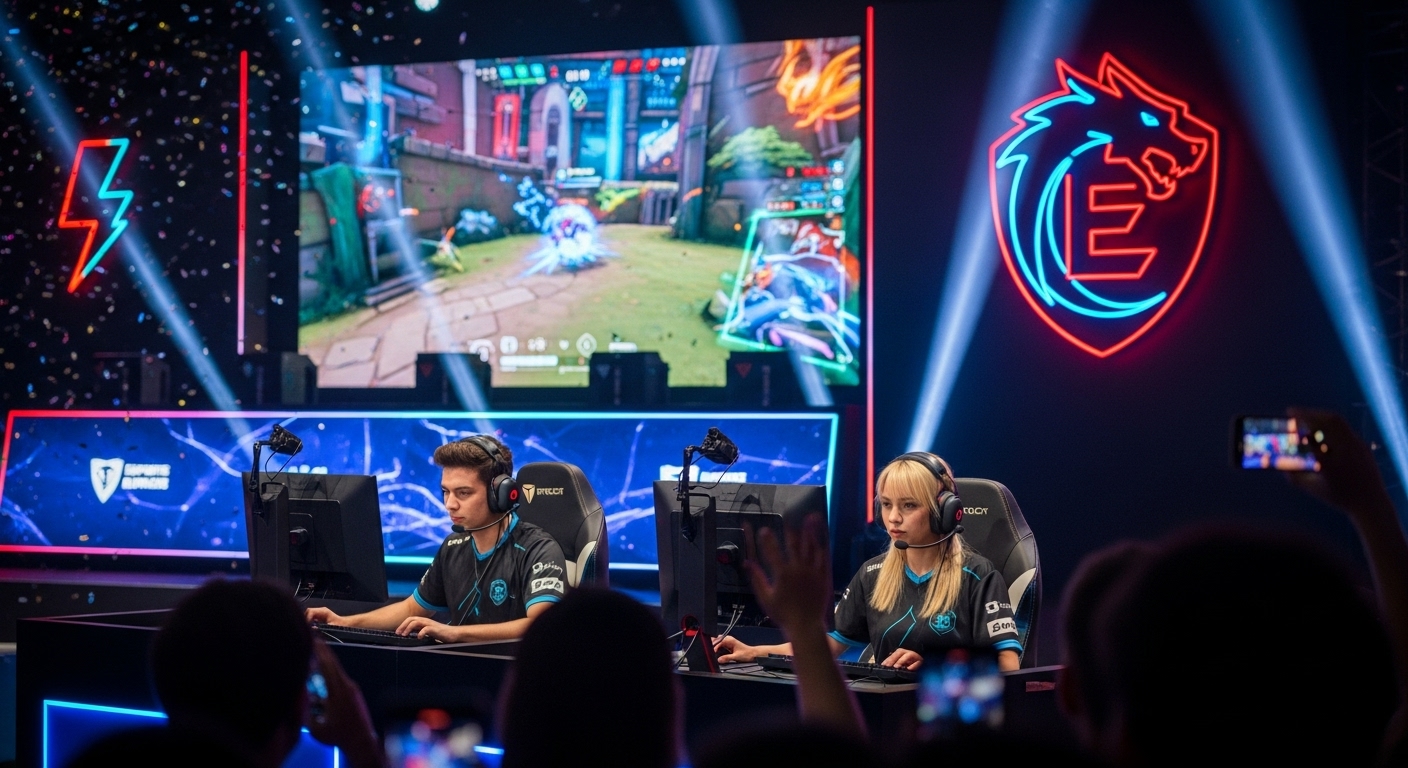
Esports athletes also face the pressure of performing in front of millions of viewers. Maintaining confidence under such scrutiny is a skill that must be cultivated, making mental health support a crucial part of the profession.
The Business and Economy of Esports
Esports is more than entertainment; it is a rapidly expanding global industry. Revenue comes from sponsorships, advertising, merchandise, tournament prize pools, and media rights. Major brands from various sectors invest heavily in esports due to its expanding audience of young, tech-savvy consumers.
Esports venues are opening in major cities, and universities provide scholarships for esports athletes. Entire career paths have been created, including coaching, commentary, content creation, broadcast production, and game analysis. The esports economy thrives because it bridges gaming, technology, entertainment, and digital marketing.
As the industry grows, the demand for skilled workers increases. Esports is not only a career for players but also for writers, designers, developers, marketers, and managers. It has become a thriving ecosystem with endless opportunities.
The Importance of Community in Esports
Esports communities are the foundation of the industry. Players and fans gather on platforms to discuss strategies, share content, and support teams. These communities are passionate and deeply invested in the games they love.
Community events allow fans to meet players, attend tournaments, and celebrate the culture. Fan art, cosplay, podcasts, and live discussions bring people closer together. Esports thrives because of this shared enthusiasm and collaborative spirit.
Developers acknowledge the power of community by releasing updates, balancing gameplay, hosting events, and encouraging player feedback. Community-driven changes help keep games fresh, competitive, and exciting.
Challenges Esports Must Overcome
Despite its growth, esports faces certain challenges. Maintaining fair play is essential. Developers and tournament organizers invest heavily in anti-cheat measures and strict regulation. Ensuring the physical and mental wellbeing of players is another major responsibility.
Esports also must continuously adapt to rapid technological changes. Games rise and fall in popularity quickly, so organizations must remain flexible. As the industry grows, creating stable career paths and protecting player rights will become increasingly important.
Another challenge is global accessibility. Not all countries have strong internet infrastructure or equal representation in esports events. Expanding opportunities for players worldwide remains a long-term goal.
The Future of Esports
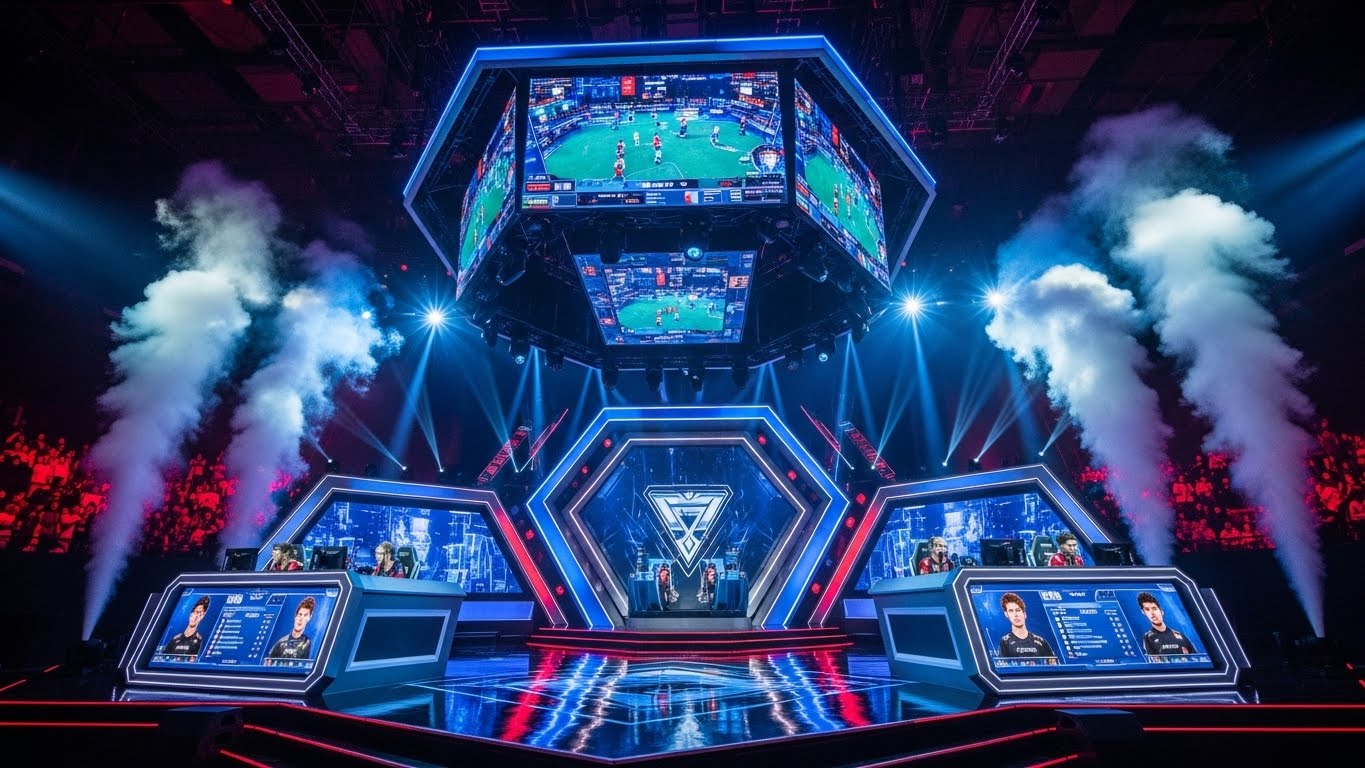
The future of esports is bright. Advancements in virtual reality, artificial intelligence, mobile technology, and game design will shape next-generation competitions. Broadcast quality will improve, offering more interactive and immersive viewing experiences.
Traditional sports organizations increasingly collaborate with esports, leading to new hybrid entertainment formats. Schools will continue adopting esports programs, further legitimizing the field as a real career path.
Esports will likely expand into new genres and platforms, reaching even broader audiences. The digital arena is still growing, and the next decade promises innovation, expansion, and rising global influence.
Conclusion
Esports has transformed from a small community activity into one of the most exciting and influential entertainment sectors in the world. It brings together passion, skill, technology, and community in a way no other sport can match. The digital arena has redefined competition, creating opportunities for players, creators, organizations, and fans alike.
As esports continues to evolve, it will shape the future of global entertainment. What started as a pastime has become a powerful cultural phenomenon that resonates across generations. And its journey is just beginning.