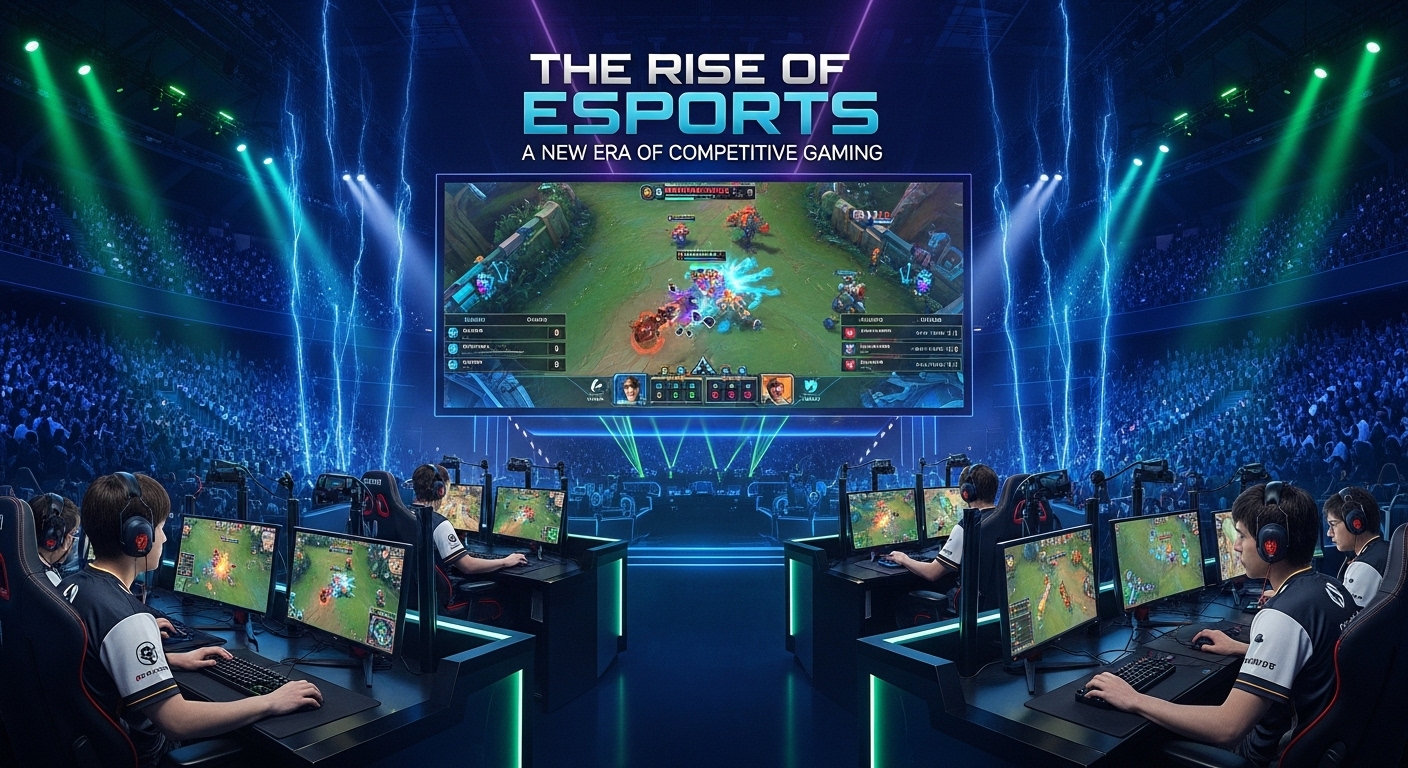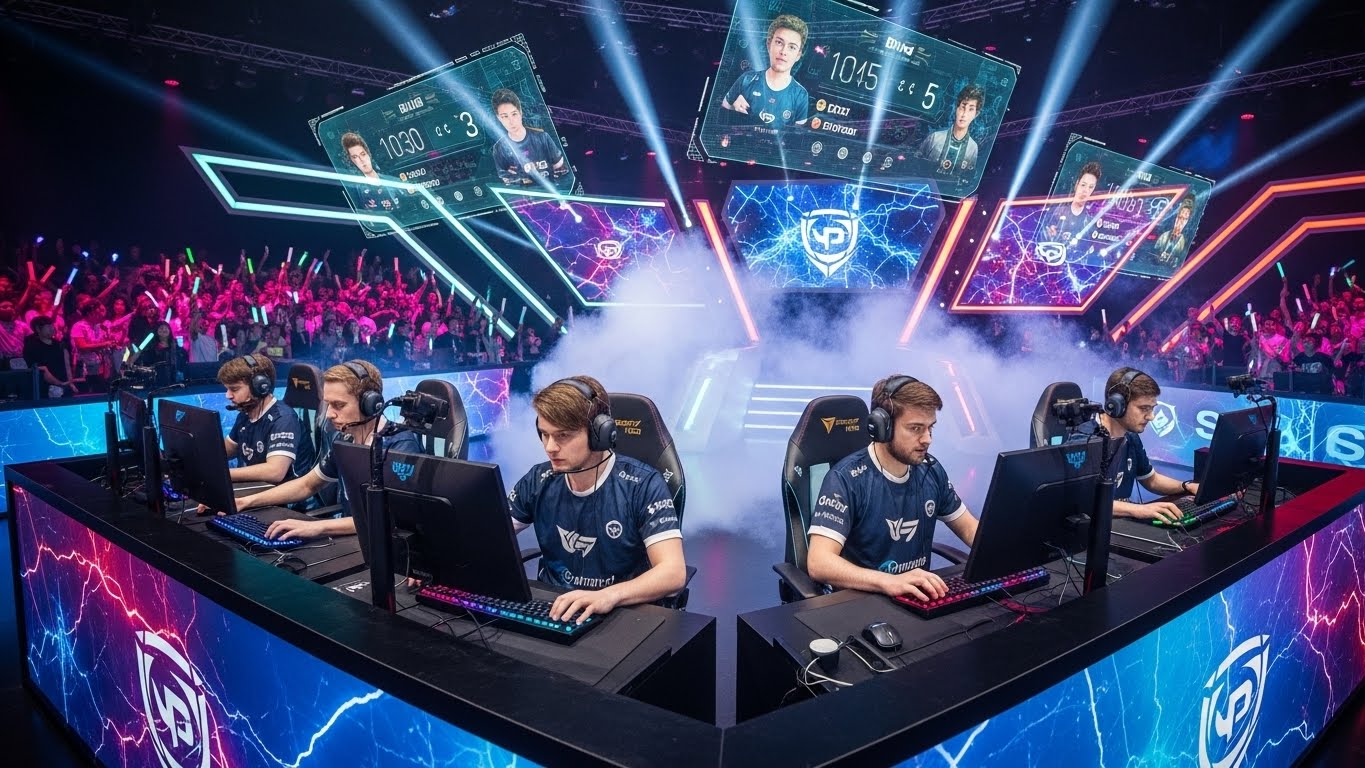
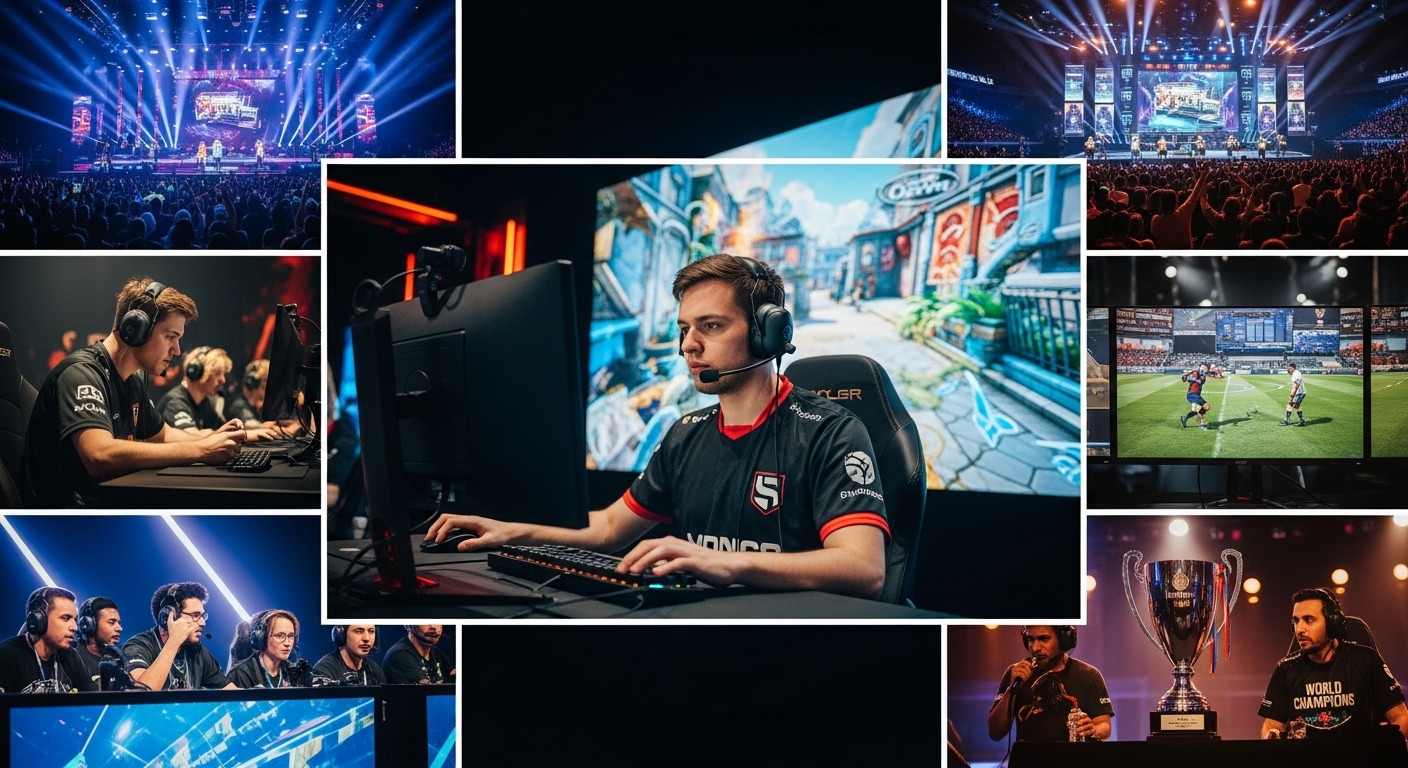
In recent years, esports has transformed from a niche hobby into a global entertainment powerhouse. What was once seen as a subculture within the gaming community has exploded into a billion-dollar industry, attracting millions of fans, sponsorships from top-tier brands, and even mainstream recognition. From competitive gaming tournaments to professional esports leagues, the landscape of gaming has changed dramatically, making esports a significant part of the entertainment ecosystem. But how did esports reach this level of prominence, and what does the future hold for this dynamic and rapidly evolving industry? In this blog post, we’ll explore the rise of esports, its global impact, the structure of the industry, and what makes it such an attractive and exciting domain for both players and fans alike.
What is Esports?
Esports, short for “electronic sports,” is a form of competitive video gaming that involves players or teams competing against each other in organized tournaments or leagues. These competitions often focus on popular multiplayer games across various genres, including real-time strategy, first-person shooters, multiplayer online battle arena (MOBA), and sports simulation games. While casual gaming is a form of entertainment, esports takes things to a professional level, with tournaments and leagues that feature skilled players and high stakes.
The appeal of esports lies in its combination of competitive gameplay, live streaming, and the potential for global recognition. The rise of platforms like Twitch, YouTube Gaming, and Facebook Gaming has allowed fans to watch tournaments live, while game developers and third-party organizations organize events that draw thousands of viewers both online and at physical venues. Some esports competitions are even broadcast on major sports networks, bringing competitive gaming into the mainstream.
Esports is not just about playing video games; it has become an industry that includes professional players, coaches, analysts, commentators, content creators, sponsors, and organizations. The prize pools for major tournaments can reach millions of dollars, and the games themselves often have a global reach, attracting players and fans from every corner of the world.
The History and Evolution of Esports
To understand the meteoric rise of esports, it’s essential to look at its origins. While competitive gaming has been around since the 1970s, the modern form of esports began to take shape in the late 1990s and early 2000s. Early video game competitions like the Space Invaders Championship in 1980 and Quake tournaments in the 1990s laid the groundwork for the competitive gaming culture that would follow.
In the late 1990s, the advent of the internet and online multiplayer games allowed players to compete with one another in real-time, regardless of geographical location. Games like StarCraft, Warcraft, and Counter-Strike gained huge followings, and online tournaments became more frequent. In South Korea, competitive gaming really began to take off, with StarCraft: Brood War becoming the country’s most popular game and leading to the establishment of professional gaming teams and dedicated esports broadcasting networks. OGN (OnGameNet) was one of the first networks to air StarCraft tournaments, and the South Korean government even supported esports through a program known as the Korea e-Sports Association.
By the mid-2000s, the concept of esports had become more international. Games like Warcraft III, Counter-Strike, and Halo featured large tournaments with prize pools, and competitions were hosted globally. Esports organizations began to form, including the likes of ESL (Electronic Sports League) and MLG (Major League Gaming), which started organizing more professional-level competitions with increasing levels of sponsorship and media attention.
However, it was the release of League of Legends (LoL) in 2009 and the subsequent creation of the League of Legends Championship Series (LCS) that truly accelerated the growth of modern esports. LoL became a massive international sensation, with millions of players and viewers participating in its competitions. By 2011, The International, the premier Dota 2 tournament, featured a prize pool of over $1 million, solidifying the legitimacy of esports as a professional sport.
Today, esports is a global phenomenon with a diverse set of games and competitions. Major tournaments are broadcast worldwide, and professional leagues for games like League of Legends, Counter-Strike: Global Offensive (CS:GO), and Dota 2 offer millions in prizes and sponsorships.
The Structure of the Esports Industry
The esports industry is multifaceted, involving various stakeholders, including game developers, professional teams, players, tournament organizers, broadcasters, and sponsors. Each of these groups plays a key role in ensuring the ecosystem runs smoothly, contributing to the overall success of esports as a global enterprise.
1. Game Developers and Publishers
At the heart of esports is the video game itself, and game developers play a crucial role in shaping the competitive gaming landscape. Companies like Riot Games (creator of League of Legends), Valve Corporation (creator of Dota 2 and Counter-Strike), and Blizzard Entertainment (creator of Overwatch and StarCraft) have all invested heavily in esports by creating games with robust multiplayer features and competitive components. These developers not only create the games but also often host or sanction official tournaments and leagues.
Game developers are also responsible for maintaining the balance and integrity of the games. This includes regular updates, patches, and balance changes to ensure that the gameplay remains fair and competitive.
2. Professional Teams and Players
Professional esports teams are organizations that consist of players who compete in various tournaments or leagues. These teams are often sponsored by large companies and may have management staff, coaches, and analysts to help players improve their strategies. The most successful teams have a global fan base and lucrative sponsorships from companies such as Intel, Red Bull, and HyperX.
Notable esports teams include Cloud9, Team Liquid, SK Telecom T1, and Fnatic, which have dominated various games over the years. Each team typically competes in one or more titles, with players who specialize in specific roles or characters within a given game.
Esports players, much like traditional athletes, train rigorously and often spend several hours a day honing their skills. Many professional players begin their careers at a young age, sometimes even in their teens. As the esports industry has grown, so has the recognition of its players, with some becoming global celebrities in their own right. Faker (Lee Sang-hyeok) from T1, N0tail (Johan Sundstein) from OG, and Shroud (Michael Grzesiek) are just a few examples of famous players who have captured the public’s imagination.
3. Tournament Organizers and Leagues
Esports tournaments and leagues form the backbone of competitive gaming. Organizations such as ESL, DreamHack, MLG, and FACEIT are major players in the esports tournament scene, organizing everything from local competitions to global events. These organizations work with game developers to create official competitive circuits, establishing a structure for the esports ecosystem.
Some of the most prominent esports leagues include:
- The League of Legends Championship Series (LCS)
- Overwatch League (OWL)
- The International (Dota 2)
- CS:GO Major Championships
These leagues often operate on a seasonal format, with regular matches leading up to playoffs or grand finals. The prize pools for these competitions can range from hundreds of thousands to several million dollars, making esports a lucrative career option for top-tier players.
4. Streaming and Media
The rise of streaming platforms has played a pivotal role in the growth of esports. Websites like Twitch have become a central hub for watching esports tournaments, with millions of viewers tuning in to watch live broadcasts of games. YouTube Gaming and Facebook Gaming are also significant players in the streaming space, providing additional platforms for gamers and esports fans.
Esports streaming offers fans a unique opportunity to engage with their favorite players, interact with commentators, and witness the action in real-time. Streamers and commentators (also known as “casters”) often have significant influence, shaping how fans perceive games, teams, and individual players.
5. Sponsorships and Partnerships
Sponsorships are a critical component of the esports industry. Brands from outside the gaming world have recognized the immense potential of esports, and companies like Coca-Cola, Pepsi, Nike, and Audi have all signed sponsorship deals with esports teams, players, and tournaments. These partnerships are beneficial for both parties, as esports organizations gain funding and visibility, while sponsors tap into a highly engaged, tech-savvy audience.
In addition to traditional sponsorships, partnerships with tech companies, such as Intel, NVIDIA, and Razer, help provide the necessary infrastructure for competitive gaming. These companies provide esports teams with high-performance equipment, while also promoting their products to a passionate fan base.
The Popularity of Esports: Why It’s Gaining Traction
Esports’ rapid growth can be attributed to several factors, including its accessibility, the rise of digital platforms, and the increasing professionalism of the industry. Here are a few reasons why esports has become such a powerful cultural force:
1. Accessibility and Global Reach
Esports is incredibly accessible. All you need is a computer or a console and an internet connection to start playing. This low barrier to entry allows anyone, anywhere in the world, to become part of the esports scene. Whether it’s playing games casually or competing in professional tournaments, players from different countries and backgrounds can participate in esports at various levels.
The global reach of esports is also a key factor in its success. Thanks to streaming platforms, fans from every corner of the globe can watch live broadcasts of tournaments and follow their favorite players or teams. As internet access improves worldwide, esports has become even more popular in regions such as Asia, Europe, and North America, creating a truly global community.
2. Entertainment and Engagement
Esports offers entertainment in a way that traditional sports cannot. The fast-paced nature of many esports titles, the high skill ceiling, and the narrative arcs that emerge from tournaments all contribute to its entertainment value. Fans can follow the progress of their favorite players, watch intense matches, and witness upsets and rivalries that make for compelling viewing.
The sense of community in esports is also strong. Fans regularly engage with one another through social media, discussion forums, and live chats during broadcasts. These interactions add a layer of social engagement that traditional sports sometimes lack.
3. Monetization and Career Opportunities
Esports has become a viable career for talented individuals. Professional players can earn money through tournament prize pools, sponsorships, and streaming. In addition to players, coaches, analysts, and other support staff are now essential components of esports teams, creating job opportunities within the industry.
The financial aspect of esports cannot be overstated. With lucrative prize pools and sponsorships, esports provides both players and teams with opportunities to generate significant revenue. As the industry matures, the earning potential for those involved in esports is expected to grow even further.
The Future of Esports: What’s Next?
Esports is still in its early stages, and its future looks incredibly bright. With increasing investments, larger prize pools, more professional leagues, and a growing fan base, esports is poised for continued growth. Technologies such as virtual reality (VR) and augmented reality (AR) could play a role in making esports more immersive, while mobile esports is expected to explode in popularity, especially in regions like Asia.
In the coming years, esports may even be included in global events like the Olympic Games, further legitimizing its status as a sport. Whether you’re a player, a fan, or a business professional, the potential for success in the esports ecosystem is vast, and the possibilities seem limitless.
Conclusion: A New Era of Competitive Gaming
Esports has undoubtedly carved its niche in the entertainment world, and its impact continues to grow. From its humble beginnings in arcades and LAN parties to its current status as a global phenomenon, esports has proven that competitive gaming is more than just a hobby—it is a legitimate, thriving industry. With professional leagues, international tournaments, and millions of passionate fans, esports is here to stay.
As technology continues to evolve, esports will undoubtedly push boundaries, offering new experiences for players and fans alike. Whether you’re a casual gamer, an aspiring professional, or just someone looking to watch the best in the world compete, esports offers something for everyone. The future of competitive gaming is bright, and we’re only just getting started.