Esports, short for electronic sports, has transformed from a niche hobby into a global phenomenon. What once started as casual gaming competitions among friends has now evolved into a multi-billion-dollar industry, capturing audiences across continents and redefining what it means to compete in the digital age. The rise of esports is a testament to how technology, culture, and entertainment intersect, creating new opportunities for players, fans, and businesses alike.
Understanding Esports: More Than Just Video Games
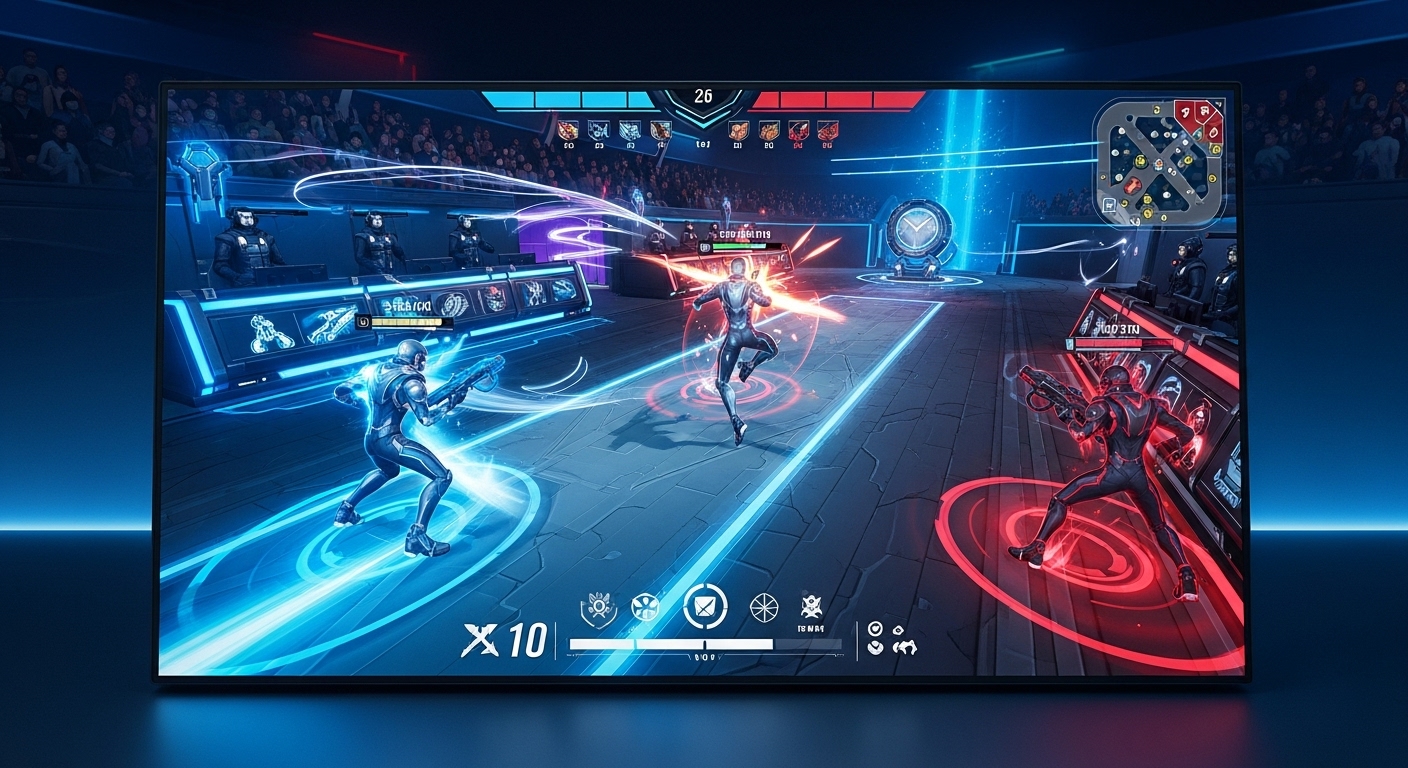
At its core, esports is competitive video gaming. Players compete individually or in teams, often in highly strategic and skill-based games. Unlike traditional sports, esports competitions take place in virtual arenas or online platforms, yet the intensity, preparation, and audience engagement are comparable to any professional sports event. Popular esports titles range from first-person shooters to real-time strategy games and multiplayer online battle arenas. Each genre demands different skill sets, strategies, and teamwork dynamics, making esports a diverse and multifaceted industry.
Esports is not merely about playing games; it is about mastering them, understanding game mechanics, analyzing opponents, and executing strategies under pressure. This level of dedication has earned esports players recognition akin to professional athletes, complete with coaching, training routines, and sponsorship deals.
Historical Context: The Origins of Competitive Gaming
The seeds of esports were sown decades ago when arcade gaming and early personal computers gained popularity. Competitive gaming began with small-scale tournaments, often organized in arcades or college campuses. Titles like “Space Invaders,” “Pac-Man,” and later “Street Fighter” and “Super Mario” were among the first to inspire competitive play. In the 1980s, events such as the Space Invaders Championship drew thousands of participants and highlighted the growing appeal of video game competition.
The 1990s marked a turning point with the rise of networked gaming and the introduction of online multiplayer experiences. Games like “StarCraft” in South Korea and “Counter-Strike” in Western countries laid the foundation for modern esports. Professional teams began forming, and tournaments attracted larger audiences. South Korea, in particular, became a hub for esports culture, broadcasting competitions on television and nurturing professional gaming careers.
The Global Esports Ecosystem
Today, esports is a global industry encompassing players, teams, leagues, tournaments, organizers, streaming platforms, and fans. This ecosystem functions similarly to traditional sports but is driven by digital connectivity and innovation.
Players
Professional esports players often dedicate years to mastering their chosen games. Training regimens are rigorous, sometimes involving 8-12 hours of daily practice, mental conditioning, and physical fitness routines. Just like traditional athletes, esports professionals need reflexes, strategic thinking, teamwork, and adaptability.
Teams and Organizations
Esports teams are now structured organizations with management, coaches, analysts, and support staff. Teams compete in regional and international tournaments, securing sponsorships from brands ranging from tech companies to mainstream consumer products. These organizations have become influential players in the broader entertainment landscape, shaping gaming culture and fan engagement.
Tournaments and Leagues
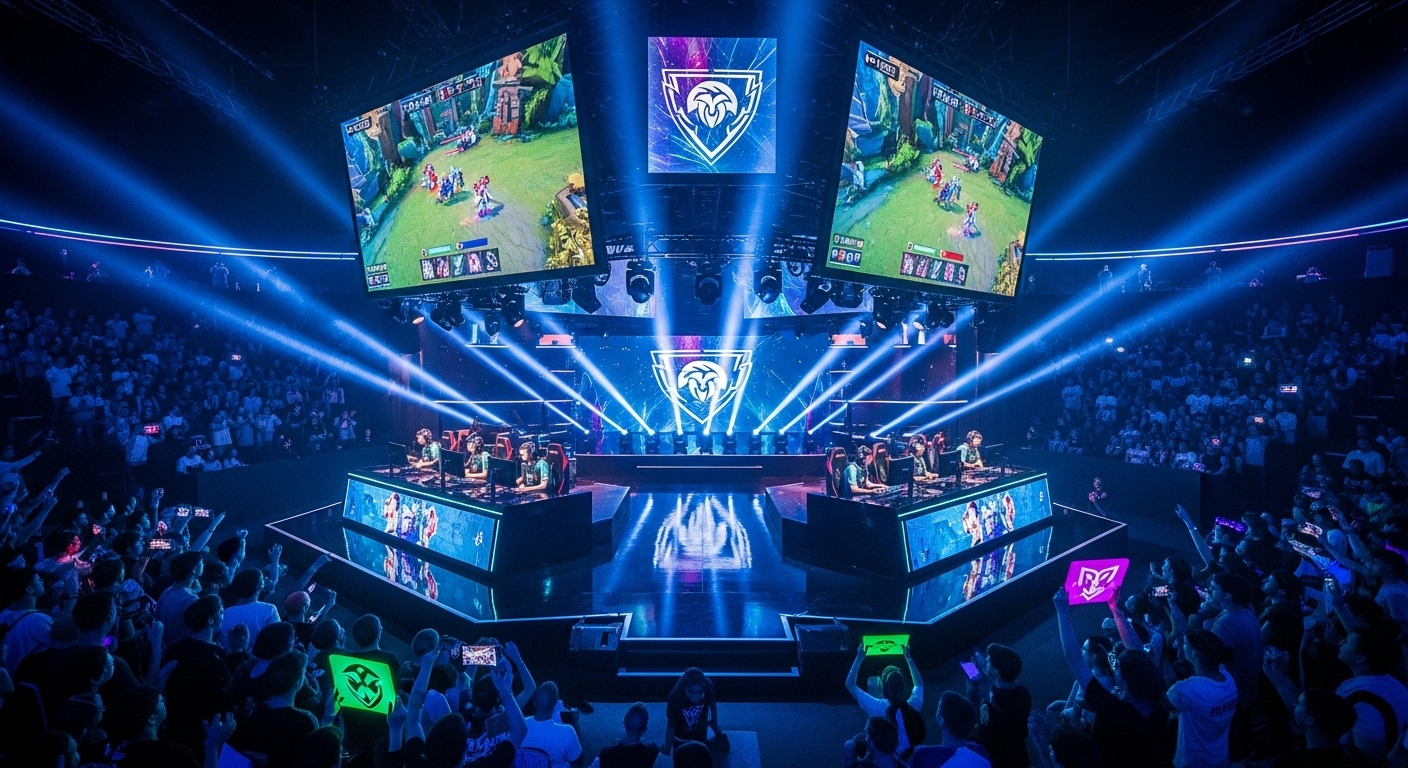
Major esports tournaments attract millions of viewers worldwide. Events such as The International for Dota 2, the League of Legends World Championship, and the Fortnite World Cup offer multi-million-dollar prize pools, rivaling or surpassing traditional sports events in terms of financial stakes and viewership. Leagues like the Overwatch League and Call of Duty League operate on a franchised model, bringing structure, regional representation, and consistency to competitive gaming.
Streaming Platforms
Platforms such as Twitch, YouTube Gaming, and others have revolutionized esports by enabling live streaming, interactive engagement, and community building. Fans no longer passively consume content; they actively interact with players, vote in polls, and participate in chats, creating a dynamic entertainment experience that transcends traditional sports broadcasting.
Economic Impact: A Billion-Dollar Industry
Esports is more than just a cultural phenomenon; it is a thriving economic force. Revenue streams include tournament prize pools, sponsorships, merchandise sales, media rights, advertising, and streaming revenue. Analysts estimate that the global esports industry generates billions of dollars annually and continues to grow at a rapid pace.
Sponsorship and advertising play a particularly crucial role. Major brands invest in esports to reach younger, digitally savvy audiences. From technology and energy drink companies to fashion and automotive brands, the appeal of esports lies in its ability to connect with audiences in immersive, interactive ways.
Cultural Significance: Esports as a Social Phenomenon
Esports has also reshaped social interactions and cultural identity among gamers. Online communities thrive around competitive games, fostering friendships, mentorships, and fan culture. Esports events serve as social gatherings, both virtually and in physical arenas, bringing together people from diverse backgrounds united by their passion for gaming.
Furthermore, esports challenges traditional perceptions of sports and athletes. Success in esports requires intelligence, creativity, and strategy, not just physical prowess. This shift has expanded the definition of athleticism, opening doors for individuals who excel in cognitive and digital skills.
Technology and Innovation in Esports
Esports is inherently tied to technology, driving innovation in gaming hardware, software, and broadcasting techniques. High-performance computers, gaming peripherals, and fast internet connections are essential for competitive play. Meanwhile, game developers continually update titles to maintain balance, introduce new strategies, and enhance player experience.
Emerging technologies like virtual reality, augmented reality, and artificial intelligence are poised to further transform esports. Virtual reality esports tournaments are already being explored, offering immersive experiences for both players and spectators. AI-driven analytics help teams optimize strategies, predict opponent moves, and improve training efficiency.
Challenges and Controversies
Despite its rapid growth, esports faces several challenges. Player burnout, mental health issues, and physical strain are common concerns due to intense training schedules. Regulatory issues, including age restrictions, fair play policies, and anti-cheating measures, are also critical for maintaining integrity in competitive gaming.
Moreover, the esports industry grapples with inclusivity and diversity issues. Female players, in particular, have historically faced barriers in professional esports, though initiatives promoting equality and representation are gradually changing the landscape.
The Future of Esports
The future of esports looks promising, with expansion into new regions, genres, and technologies. Mobile esports is gaining traction, particularly in Asia, allowing more players to compete using smartphones. Integration with mainstream entertainment, such as music, movies, and live events, is creating hybrid experiences that blur the lines between gaming and other cultural forms.
Educational institutions are increasingly recognizing esports, offering scholarships, degrees, and structured programs to cultivate talent. This legitimization provides a clear career path for aspiring esports professionals and further cements its place in society.
Conclusion: Esports as a Cultural and Economic Force
Esports has come a long way from its humble beginnings in arcades and college LAN parties. Today, it represents a vibrant, multi-dimensional ecosystem that combines competition, entertainment, technology, and culture. With millions of fans worldwide, high-stakes tournaments, and global economic influence, esports is no longer just a pastime—it is a professional, legitimate, and influential industry.
The rise of esports reflects broader shifts in how we interact with technology, entertainment, and each other. It challenges traditional notions of sports, celebrates digital skill, and builds communities across borders. As esports continues to grow, it will undoubtedly redefine the future of competition, entertainment, and cultural expression for generations to come.