Esports, or electronic sports, has become one of the most influential and rapidly growing sectors of the entertainment industry. In the last two decades, it has transformed from a niche hobby into a multi-billion dollar global enterprise. Esports encompasses competitive video gaming, where professional players or teams compete for prizes, glory, and recognition in tournaments that attract millions of viewers. What started as local LAN parties and online gaming competitions has now evolved into a major industry with professional leagues, sponsorships, live-streaming platforms, and a massive fan base.
In this blog post, we will explore the journey of esports, its cultural impact, the technology that has shaped its growth, the economics behind the industry, and its future prospects.
The Origins of Esports: From Arcades to Online Gaming
Esports traces its roots back to the 1970s and 1980s when the gaming industry was in its infancy. However, it wasn’t until the late 1990s and early 2000s that the concept of competitive gaming began to take shape. The first major esports tournaments were held in the early 1990s, often tied to gaming conventions or sponsored by gaming companies. Games like Street Fighter II and Doom laid the foundation for competitive gaming.
LAN Parties and Early Online Competitions
Before the widespread use of high-speed internet, players would often come together at local area network (LAN) parties to compete. These gatherings were a precursor to modern-day esports tournaments, where gamers would connect their computers to a local network and play together, often for hours or even days. The excitement of these events, combined with the competitive nature of the games, led to the rise of small, grassroots tournaments that attracted a growing community of gamers.
The Growth of Online Gaming
The true shift towards organized esports began with the advent of online gaming in the late 1990s. Games like Quake, StarCraft, and Warcraft III allowed players to compete against each other remotely, making the concept of esports more accessible and widespread. These games featured the first competitive online ladders and tournaments, which laid the groundwork for professional esports leagues.
In the early 2000s, competitive gaming began to gain recognition, and notable tournaments such as the World Cyber Games (WCG) and the Electronic Sports World Cup (ESWC) were established. These tournaments helped promote esports on a global scale and provided a platform for talented players to showcase their skills.
The Golden Age of Esports: Early 2010s
The early 2010s marked a transformative period for esports, with the rise of live-streaming platforms, professional teams, and major sponsorships. During this period, esports began to shift from a niche hobby to a mainstream phenomenon.
The Emergence of Streaming Platforms
One of the most significant developments in the esports industry was the rise of live-streaming platforms. Twitch, launched in 2011, became the go-to platform for live-streaming video game content. It allowed players to broadcast their gameplay, and viewers could watch live, interact with streamers, and support their favorite players. Twitch became an essential platform for competitive gaming events, and its user base grew exponentially over the years.
The ability to watch competitive gaming in real-time and engage with streamers led to the emergence of a new type of celebrity: the esports professional. Top players like Lee “Faker” Sang-hyeok, Joo “Serral” Serral, and Javier “Harrow” Vazquez gained significant fame and built loyal followings, attracting sponsorships and endorsement deals.
The Rise of Professional Esports Leagues
In parallel with the growth of live-streaming, professional esports leagues began to emerge. Major League Gaming (MLG) was one of the earliest organizations to bring esports to a wider audience, organizing events in games like Halo and Call of Duty. However, the real tipping point for esports occurred with the rise of League of Legends and its competitive league, the League of Legends Championship Series (LCS).
League of Legends and Its Global Impact
Released by Riot Games in 2009, League of Legends (LoL) quickly became one of the most popular multiplayer online battle arena (MOBA) games in the world. Riot Games introduced the LCS in 2013, providing a formal league structure with teams, regular seasons, and playoffs. The introduction of professional leagues like the LCS revolutionized esports by creating a consistent and sustainable competitive scene.
The LCS also attracted big-name sponsors, broadcasters, and advertisers, which helped the industry gain legitimacy and increase its financial backing. Over time, esports began to attract major investments from traditional sports organizations, including NBA teams, football clubs, and international business conglomerates. The influence of games like League of Legends, Dota 2, and Counter-Strike: Global Offensive (CS:GO) further cemented esports as a global cultural phenomenon.
The Economics of Esports: Big Business
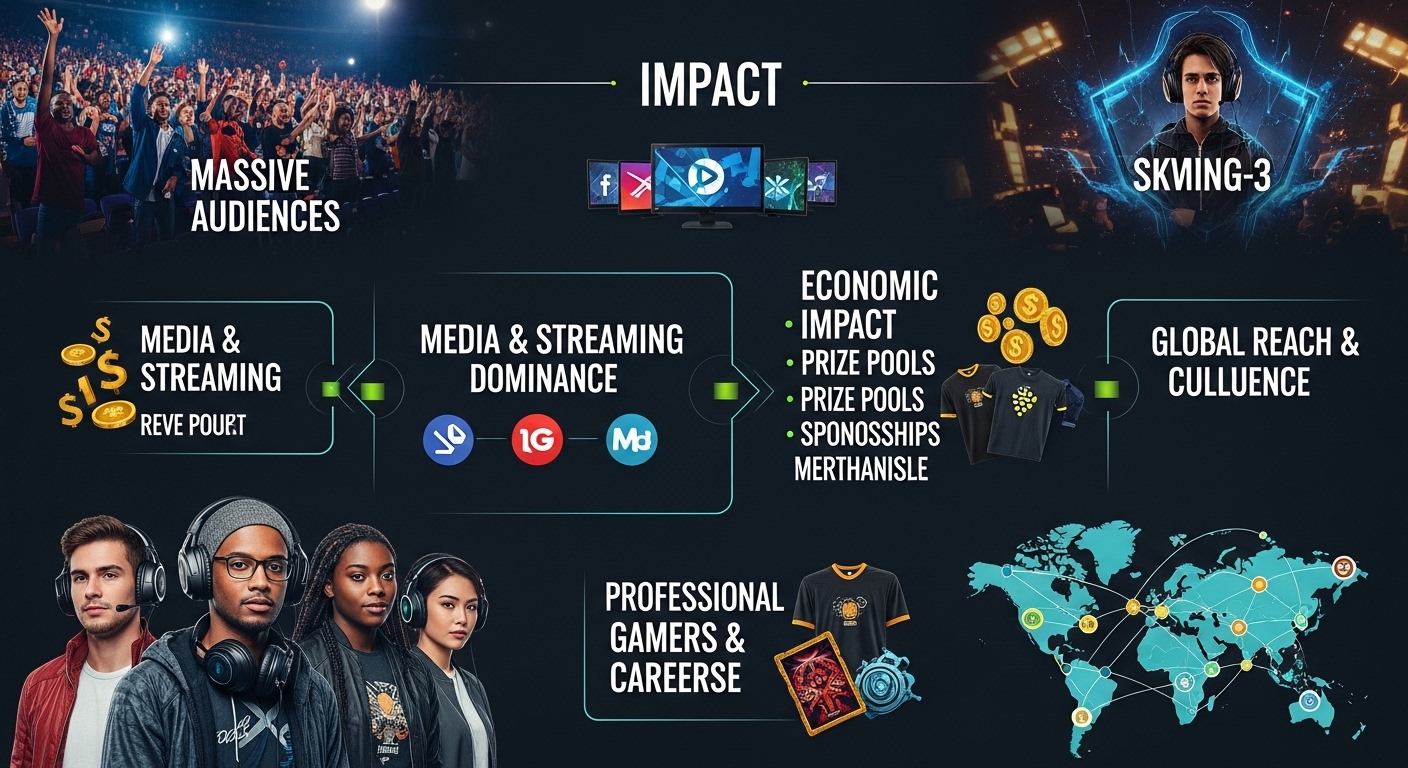
As esports has evolved, it has become a multi-billion dollar industry, driven by sponsorships, advertising, media rights, and merchandise sales. Major companies, from Coca-Cola to Intel, have entered the space, recognizing the immense marketing potential of esports’ young and tech-savvy audience.
Sponsorships and Advertising
The main source of revenue for esports teams, players, and events comes from sponsorships and advertising deals. Sponsors provide financial support in exchange for brand visibility during live events, on player jerseys, and through online streams. These deals have become increasingly lucrative, with brands seeking to connect with the millennial and Gen Z demographics that make up the core of esports viewership.
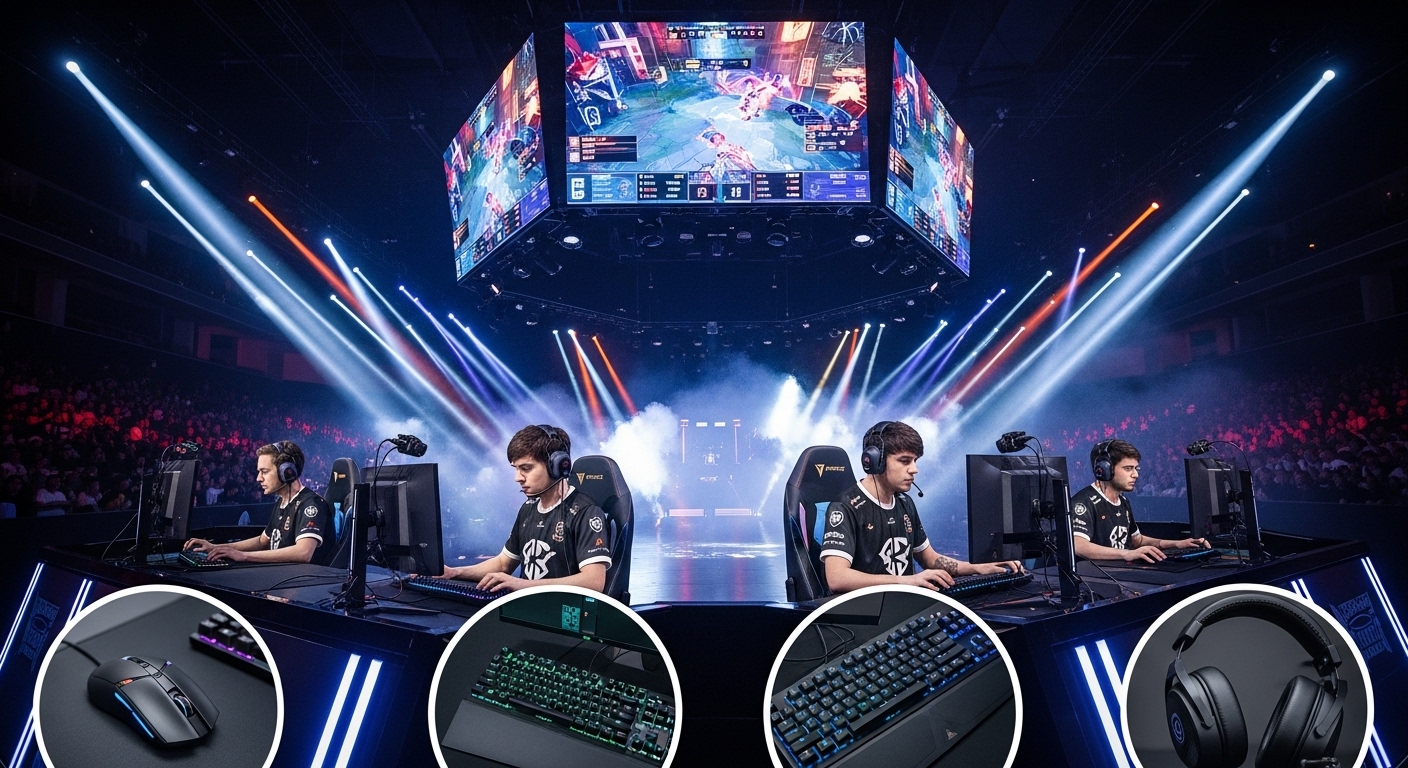
For example, Red Bull, Monster Energy, and Logitech have long been some of the most prominent sponsors in the esports ecosystem. Esports organizations also sign sponsorship deals with gaming hardware companies like NVIDIA, Corsair, and Razer, which manufacture gaming peripherals such as headsets, mice, and keyboards.
Prize Pools and Player Earnings
Prize pools for major esports tournaments can reach millions of dollars, with games like Dota 2 boasting one of the largest prize pools in the history of competitive gaming. In 2018, the The International, the premier tournament for Dota 2, had a prize pool of over $25 million, with the winning team taking home more than $10 million.
Individual esports players can also earn substantial income through tournament winnings, sponsorships, and streaming revenues. Top players in games like Fortnite, Apex Legends, and Valorant have become millionaires, thanks to their skill, dedication, and popularity on platforms like Twitch and YouTube.
Media Rights and Broadcasting
As esports’ popularity continues to grow, media rights have become a major revenue stream. Platforms like YouTube, Facebook Gaming, and Twitch pay significant sums to broadcast esports tournaments and leagues. Broadcast deals with television networks and streaming services have also increased, with major esports events now being aired on channels like ESPN and TBS.
For example, Riot Games signed a multi-million dollar broadcasting deal with Twitch to air its League of Legends World Championship, while Overwatch League has secured partnerships with both traditional television broadcasters and digital streaming platforms. These broadcasting deals provide substantial income for esports organizations, helping fund the infrastructure and salaries of players and staff.
Esports and Its Cultural Impact
Beyond the economics and professional growth of the industry, esports has had a significant cultural impact. The rise of esports has not only redefined what it means to be a professional athlete but also contributed to the legitimization of video games as a form of entertainment.
The Changing Perception of Gamers
For decades, video gamers were often stereotyped as introverted individuals who spent too much time in front of their screens. However, the rise of professional esports has helped dispel this stereotype. Gamers are now recognized as highly skilled athletes who dedicate hours of practice, strategy, and teamwork to compete at the highest level.
Esports has also provided a platform for individuals from diverse backgrounds to achieve fame and success. Many players, particularly from regions like South Korea, China, and North America, have gained global recognition, and some have become international celebrities.
Esports as a Social Activity
Esports has also transformed the way people socialize and interact with one another. With the rise of online multiplayer games and live-streaming platforms, gamers can now compete and connect with players from around the world. Esports has created a global community where players can form friendships, join teams, and share their passion for gaming.
Tournaments and events like BlizzCon, DreamHack, and the League of Legends World Championship attract thousands of fans who come together to watch their favorite teams and players. These events foster a sense of belonging and camaraderie among fans, making esports not just a competition but a cultural movement.
Education and Scholarships
As esports has gained prominence, it has also found its way into educational institutions. Many universities now offer esports programs, with dedicated scholarships for talented players. These programs allow students to pursue their passion for gaming while earning a degree. The rise of college esports leagues, such as the National Association of Collegiate Esports (NACE), has further legitimized esports as a viable career option for young players.
The Future of Esports: What’s Next?
The future of esports looks incredibly promising. As technology continues to advance, so too will the possibilities for immersive, high-quality gaming experiences. Virtual reality (VR) and augmented reality (AR) are expected to play an increasing role in esports, creating new ways for players and fans to engage with the action.
Growth in Emerging Markets
Esports is expanding rapidly in emerging markets, particularly in regions like Asia, Latin America, and Africa. Countries like China, South Korea, and Japan have already established themselves as esports powerhouses, while other regions are beginning to develop their own competitive scenes.
The growth of mobile esports is also worth noting. In countries like China and India, mobile games such as PUBG Mobile and Free Fire have become hugely popular, providing a more accessible entry point for gamers who may not have access to high-end gaming PCs or consoles.
Esports and Traditional Sports Integration
Esports and traditional sports are likely to become even more intertwined in the coming years. Many professional sports teams, including those in the NFL, NBA, and European football leagues, have already invested in esports franchises or launched their own esports initiatives. The growing partnership between traditional sports and esports is likely to continue as both industries recognize the synergies between them.
The Role of Technology
Esports will continue to evolve in response to advancements in gaming technology. From improved graphics and processing power to faster internet speeds and innovative gameplay mechanics, the next generation of gaming technology will push the boundaries of what is possible in competitive gaming.
In particular, the integration of artificial intelligence and machine learning into gaming mechanics will likely transform the way games are designed, making them more dynamic and challenging for players. Similarly, the rise of cloud gaming will allow players to compete at a high level without needing expensive gaming hardware.
Conclusion: A New Era of Entertainment
Esports is no longer just a niche hobby or pastime. It has become a global phenomenon, reshaping the entertainment landscape and offering new opportunities for players, fans, and businesses alike. The industry continues to grow at a rapid pace, with new technologies, new games, and new players emerging every year.
As esports becomes more integrated into the mainstream entertainment ecosystem, it will continue to impact culture, technology, and even education. From humble beginnings in LAN parties to the multi-billion-dollar industry it is today, esports has proven that the competitive gaming scene is here to stay. As we look to the future, it’s clear that esports is not only a part of the digital entertainment world but also a new era of professional sports and entertainment that is continuing to evolve and capture the imagination of millions around the globe.