Introduction to the World of Esports
Esports, short for electronic sports, has transformed from a niche activity into one of the most significant global entertainment industries of the 21st century. It represents the competitive side of video gaming, where professional players and teams compete in organized tournaments for fame, recognition, and substantial monetary rewards. The growth of esports over the past two decades has been nothing short of astonishing. What was once considered a pastime for young gamers has now become a structured, multimillion-dollar global industry that attracts millions of spectators worldwide, both online and in massive arenas. The phenomenon of esports illustrates how digital culture has reshaped sports, entertainment, and even career opportunities for younger generations.
The Origins and Early History of Esports
The concept of competitive gaming is not as new as many people think. The first recognized video game competition took place in 1972 at Stanford University, where players competed in the game “Spacewar.” The winner received a year’s subscription to a popular magazine as a prize. Throughout the 1980s and 1990s, the rise of arcade gaming and home consoles such as the Nintendo Entertainment System, Sega Genesis, and PlayStation helped to make gaming more accessible to the public.
However, the term “esports” was not yet widely used. Competitions during that era were mostly small-scale local events, often organized by gaming enthusiasts or arcade owners. It was not until the late 1990s and early 2000s, with the advent of faster internet connections, that online multiplayer gaming became mainstream. Titles such as StarCraft, Counter-Strike, and Quake created communities of highly skilled players who competed online and began forming organized teams. These early days laid the groundwork for the esports scene that would soon explode in popularity.
The Internet Era and the Globalization of Competitive Gaming
The spread of broadband internet in the early 2000s changed everything. Online connectivity allowed players from around the world to compete with each other in real-time, removing the geographical barriers that had previously limited gaming competitions. South Korea became one of the earliest and most influential countries in the development of esports. The government supported gaming infrastructure, and professional gaming leagues emerged, particularly around titles such as StarCraft: Brood War. South Korean esports players became national celebrities, and the country’s dedicated esports television channels broadcast matches to millions of fans.
Meanwhile, in the Western world, games like Counter-Strike, Warcraft III, and Halo began forming their own professional circuits. Esports organizations were founded to recruit and train the best players, and sponsors started to recognize the marketing potential of this growing industry. The combination of competitive gaming, internet streaming, and community engagement would soon turn esports into a mainstream phenomenon.
The Role of Streaming Platforms in Esports Growth
One of the most critical developments in the expansion of esports was the rise of live streaming platforms. Before streaming became popular, esports events were difficult to access unless one attended them in person. However, platforms that allowed users to broadcast and watch gameplay changed the entire landscape. Suddenly, millions of fans could watch tournaments from the comfort of their homes, following their favorite teams and players just like traditional sports fans.
Streaming also gave individual players a platform to build personal brands. Many professional players began streaming their practice sessions and interacting with fans, which made them more relatable and marketable. This direct connection between players and fans was something traditional sports could not replicate in the same way. Streaming helped to create a loyal and interactive fanbase, and the viewership numbers soon began to rival those of traditional sports broadcasts.
Major Games That Shaped the Esports Industry
Several video games have played monumental roles in defining what esports is today. Titles like League of Legends, Dota 2, Counter-Strike: Global Offensive, Overwatch, Fortnite, and Valorant have become the pillars of the esports ecosystem.
League of Legends (LoL), developed by Riot Games, is one of the most popular esports titles in the world. Its professional league system, regional competitions, and annual World Championship attract tens of millions of viewers globally. Riot’s approach to consistent updates and fan engagement has kept the game relevant for over a decade.
Dota 2, another iconic title, is known for its incredible prize pools, especially through its annual event called The International. Funded partly by the player community through in-game purchases, the prize pool has often exceeded tens of millions of dollars, setting records in the esports world.
On the shooter side, Counter-Strike: Global Offensive has remained a staple of competitive gaming for over two decades. The skill-based, tactical nature of the game and its iconic map pool make it a favorite for both players and spectators. Meanwhile, Fortnite introduced a younger audience to competitive gaming through its accessible gameplay and massive global tournaments, including celebrity participation.
Esports Tournaments and the Spectator Experience
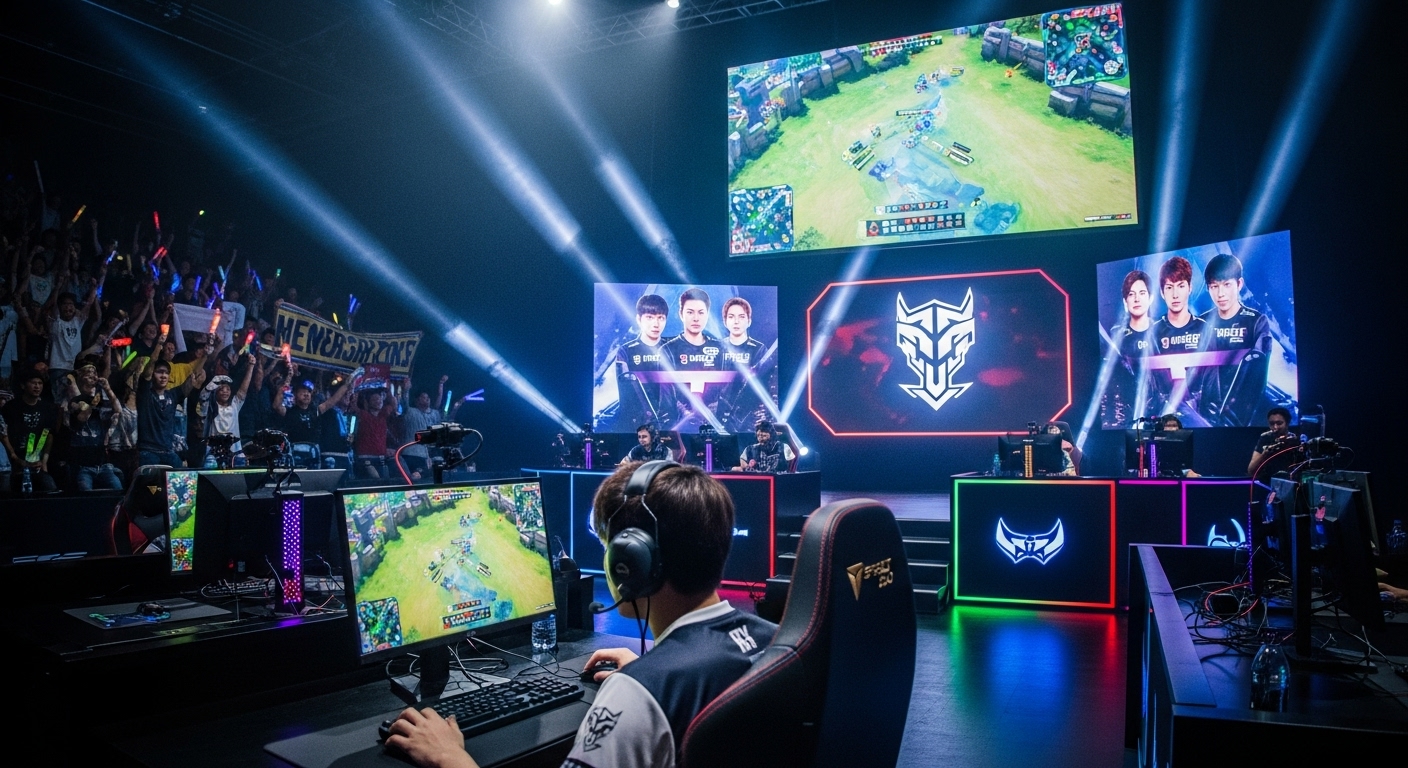
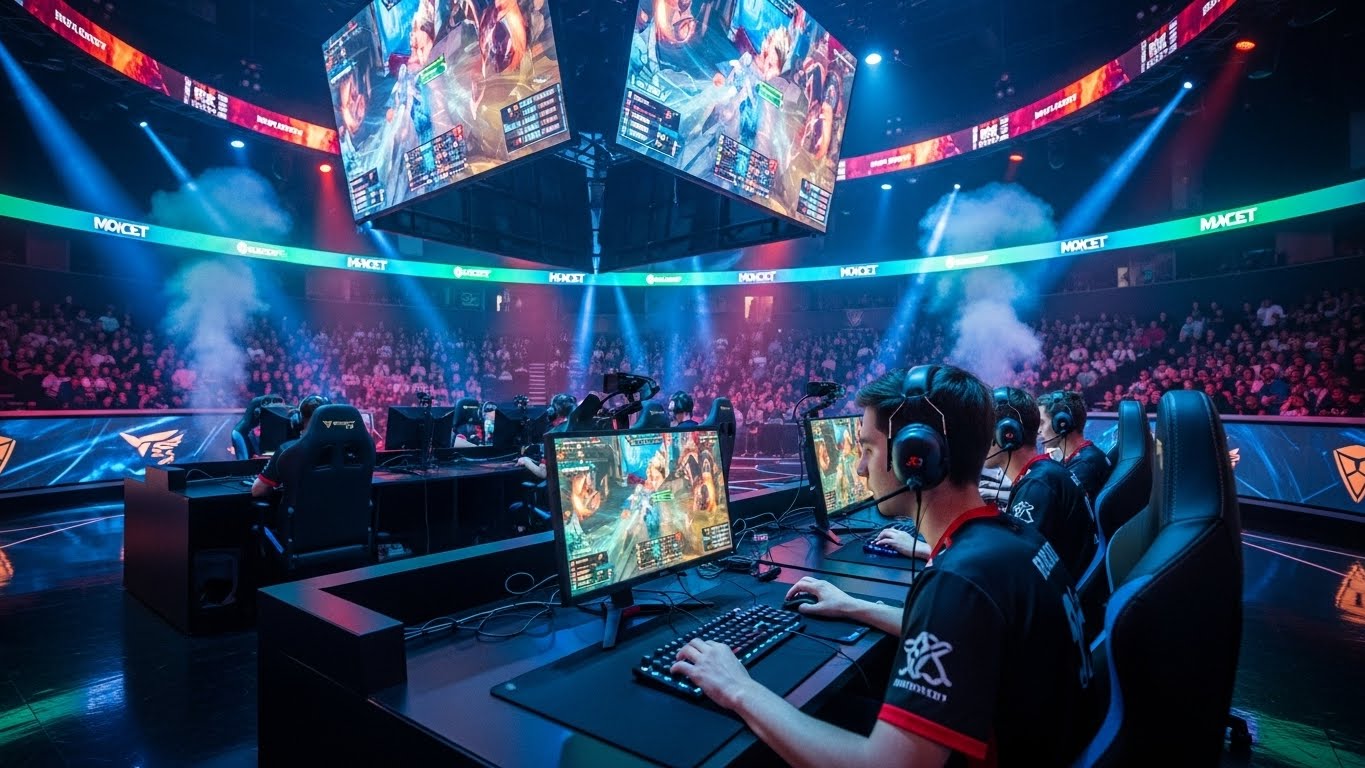
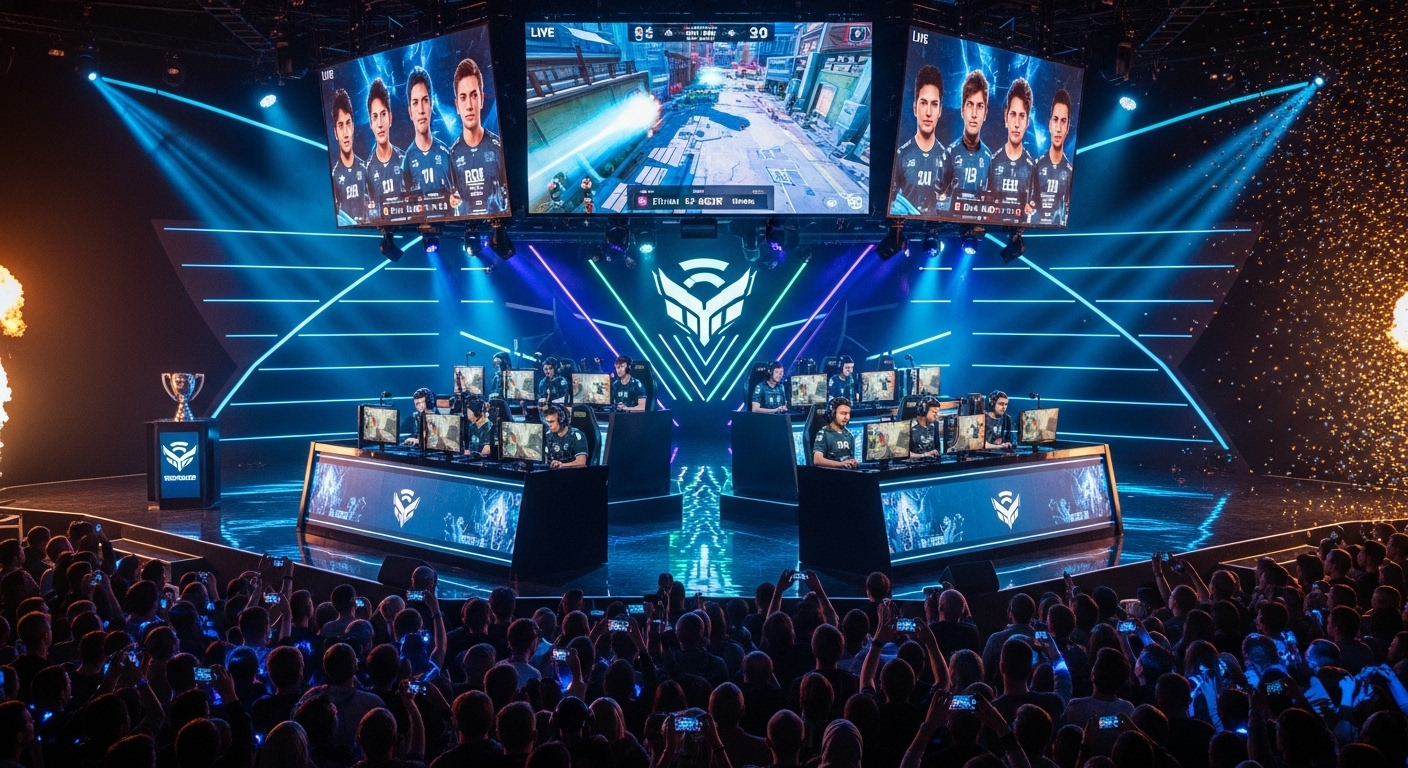
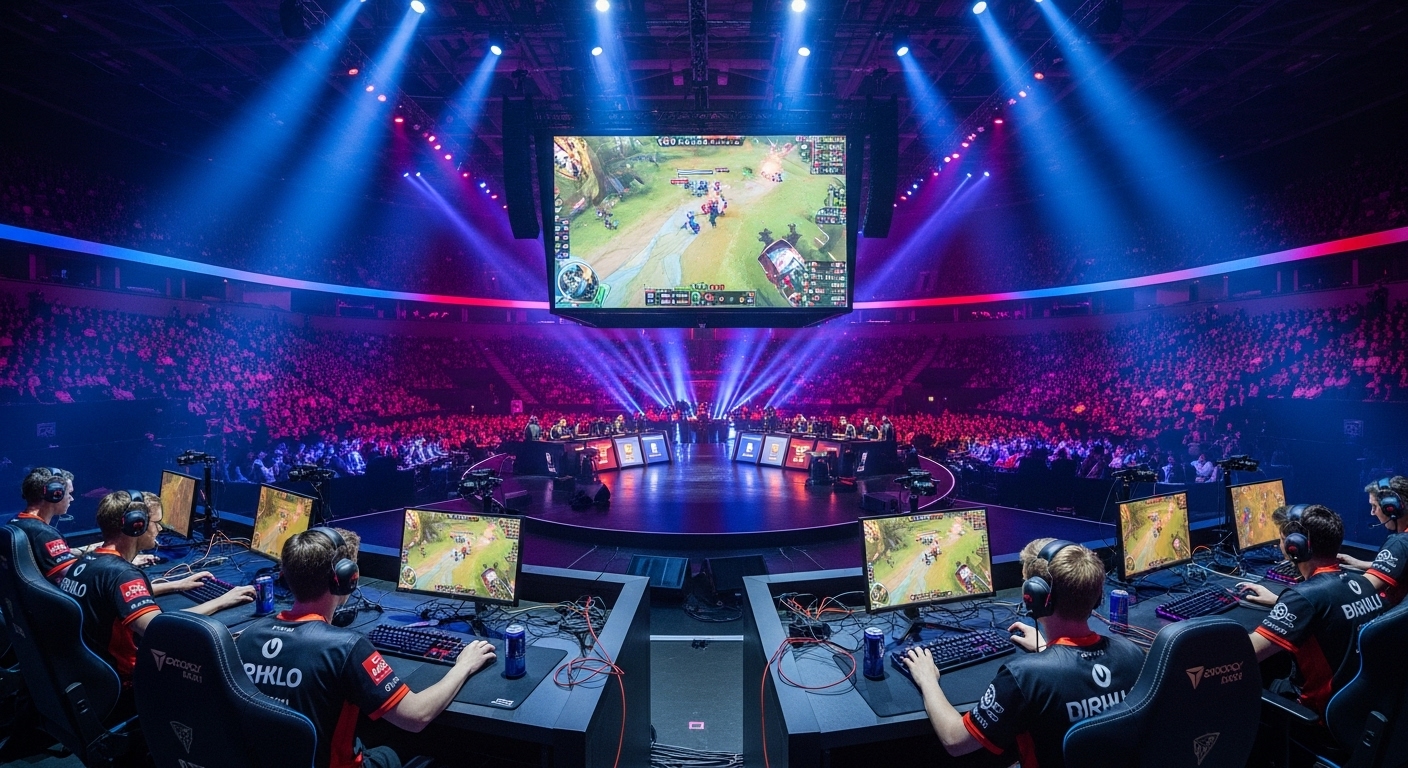
One of the most exciting aspects of esports is the live tournament atmosphere. Major esports tournaments take place in enormous arenas filled with cheering fans, large screens, and high-quality production. These events often resemble the atmosphere of major traditional sporting events. From the League of Legends World Championship to The International and Overwatch League Finals, these tournaments are broadcast in multiple languages, with professional commentators, analysts, and even halftime shows.
The energy in these arenas is electric. Fans wear team jerseys, wave banners, and chant for their favorite players. The passion of esports spectators mirrors that of football, basketball, or cricket fans. Moreover, the integration of augmented reality, instant replays, and professional commentary enhances the viewing experience, making esports events engaging even for those who might not play the games themselves.
The Professional Esports Athlete
Becoming a professional esports athlete is far from easy. Just like traditional sports, esports players dedicate years of practice to perfect their craft. The training routines of professional gamers are highly disciplined. They practice for several hours a day, study opponents’ strategies, and work closely with coaches and analysts to improve performance.
Contrary to the stereotype of gamers as isolated individuals, esports has a strong emphasis on teamwork and communication. In most games, especially team-based ones, coordination and trust among teammates are crucial. Many teams live together in gaming houses or team facilities, where they train collectively and build team chemistry.
Physical health is also increasingly recognized as important. Many esports organizations now hire fitness trainers, nutritionists, and mental health coaches to support their players. The pressure of performing in front of millions of viewers can be intense, and mental resilience is essential to maintaining consistent performance.
The Business of Esports
The economics of esports is another fascinating aspect of its rise. The industry generates revenue through sponsorships, advertising, merchandise, media rights, and ticket sales. Brands from outside the gaming world, such as automobile manufacturers, energy drink companies, and even luxury fashion labels, have entered the esports space. They see value in reaching the younger, tech-savvy audience that follows esports passionately.
Franchised leagues, similar to those in traditional sports, have been established for games like Overwatch and Call of Duty. These leagues provide stability and structure, with city-based teams, regular seasons, playoffs, and championship events. Investment from major sports organizations and celebrities has further legitimized esports as a serious business.
Prize money is another major attraction. Some tournaments offer multi-million-dollar rewards, and successful players can earn substantial salaries, sponsorships, and streaming revenue. The financial ecosystem of esports continues to expand as more countries and companies invest in infrastructure and talent development.
Esports and Education
An interesting development in recent years has been the integration of esports into educational systems. Many universities now offer scholarships for esports players, similar to traditional athletic scholarships. These programs recognize the strategic thinking, teamwork, and communication skills that esports can develop.
Esports also encourages students to pursue careers in related fields such as game design, event management, broadcasting, and marketing. The educational approach to esports helps to counter the stigma that gaming is merely a distraction. Instead, it positions esports as a legitimate pathway to academic and professional success.
The Global Esports Community
Esports transcends borders, languages, and cultures. It is one of the few industries that truly embodies global inclusivity. Players from Asia, Europe, North America, and beyond all compete on the same stage. International tournaments foster cultural exchange and bring people together through their shared love for gaming.
In addition to professional tournaments, the casual and grassroots esports scenes are thriving. Amateur competitions, community leagues, and online tournaments allow anyone with a computer or console to participate. These platforms serve as breeding grounds for the next generation of professional players.
Women in Esports
While esports has traditionally been male-dominated, the role of women in the industry has been growing steadily. Female players, commentators, and team managers are breaking barriers and challenging stereotypes. Initiatives to promote diversity and inclusion have made esports more welcoming to everyone, regardless of gender.
Women-led teams and tournaments specifically designed to highlight female talent are helping to balance the scales. The visibility of successful women in esports serves as inspiration for young girls who aspire to pursue gaming as a career. The industry still has progress to make, but the trajectory is encouraging.
The Cultural Impact of Esports
Esports has had a profound impact on global culture. It has influenced music, fashion, and even mainstream media. Esports players are now featured in documentaries, advertisements, and television shows. Popular culture references to gaming are more common than ever, and the once niche hobby is now part of everyday life for millions.
Moreover, esports has bridged the gap between generations. Parents and children can bond over shared gaming experiences, and schools often use games as teaching tools. The sense of community and shared identity that esports creates is one of its greatest strengths.
Challenges Facing the Esports Industry
Despite its rapid growth, esports faces several challenges. Issues such as player burnout, lack of standardized regulations, and cheating through software manipulation can undermine integrity. Additionally, the industry must navigate concerns related to mental health and long-term player welfare.
Another significant challenge is maintaining diversity and ensuring equal opportunities for all players. While progress has been made, representation still needs improvement. Moreover, with the increasing commercialization of esports, some worry that its grassroots authenticity might be at risk.
Nevertheless, these challenges are opportunities for growth. As the industry matures, it continues to adapt, innovate, and strengthen its structure to ensure sustainability.
The Future of Esports
The future of esports is incredibly promising. With advancements in virtual reality, augmented reality, and artificial intelligence, the possibilities are endless. These technologies will enhance gameplay, improve viewer engagement, and create entirely new genres of competition.
Esports may eventually become part of the Olympic Games, a topic that has been under discussion for several years. Whether or not that happens, it is clear that esports has already achieved recognition as a legitimate form of competitive entertainment.
Furthermore, the increasing integration of gaming into everyday life ensures that esports will remain a cultural and economic powerhouse for decades to come. From stadium events to mobile gaming tournaments, the world of esports continues to evolve and inspire.
Conclusion
Esports is no longer a fringe activity; it is a global phenomenon that blends competition, technology, and culture in a way no other industry can. Its rise from humble beginnings in arcades and computer labs to packed stadiums and international broadcasts is a testament to human creativity and the universal love of competition.
The story of esports is still being written. Each new player, fan, and tournament contributes to its ongoing evolution. As technology advances and more people embrace gaming as both entertainment and profession, esports will continue to shape the future of digital culture and redefine what it means to be an athlete in the modern world.