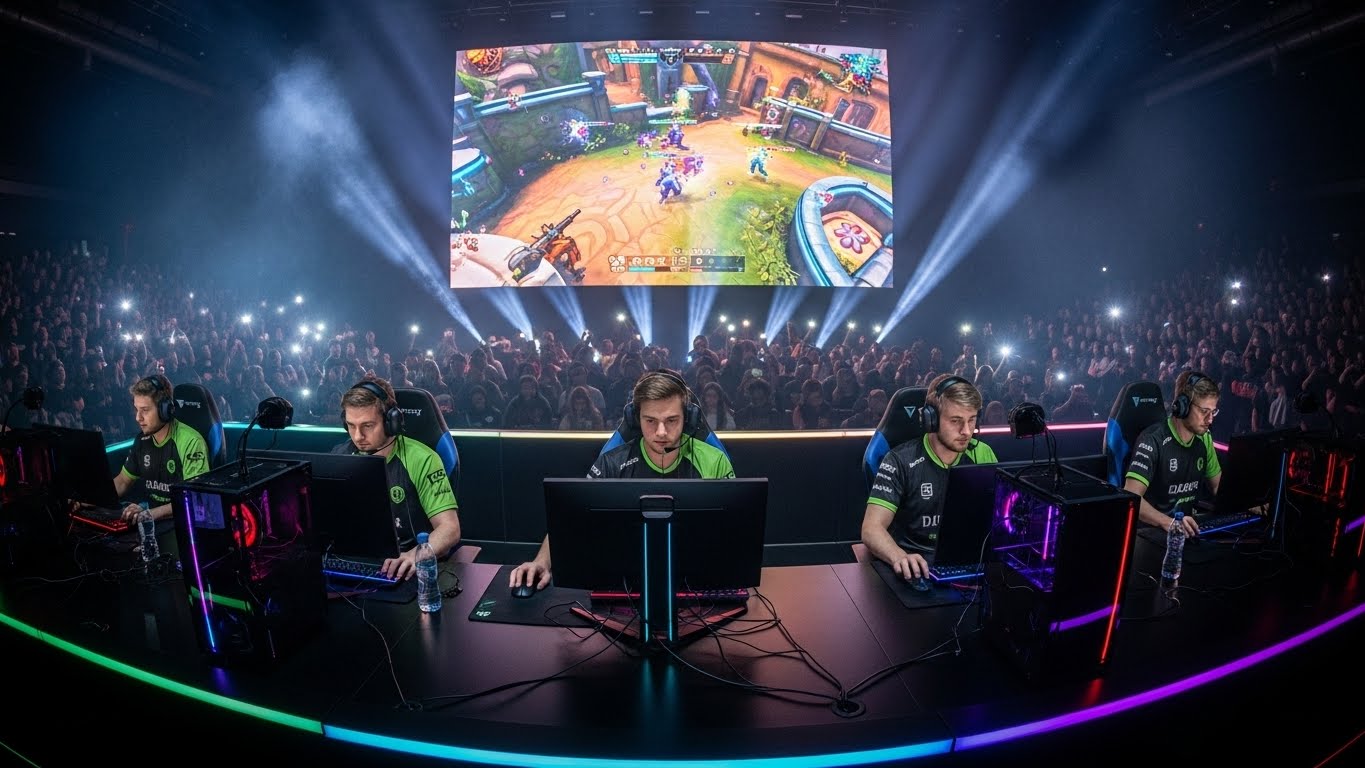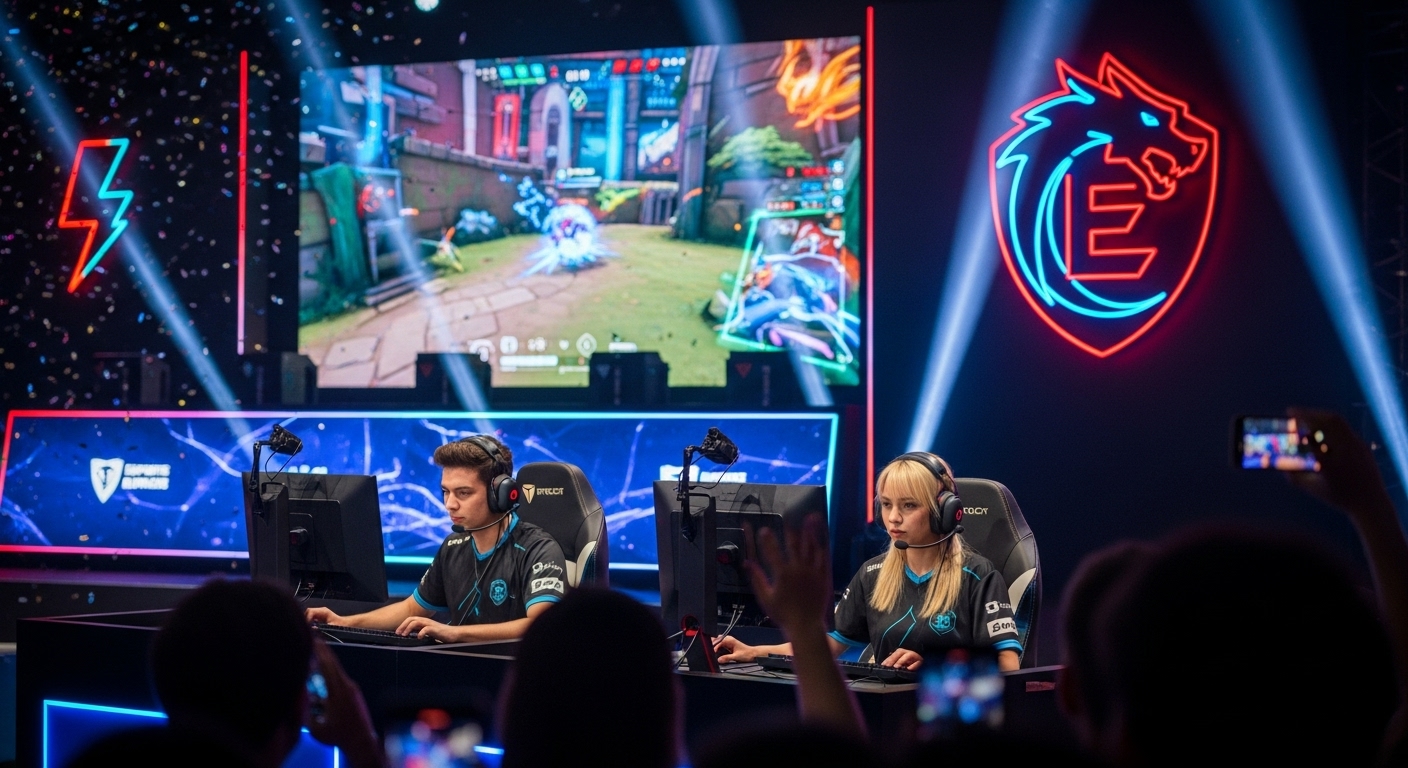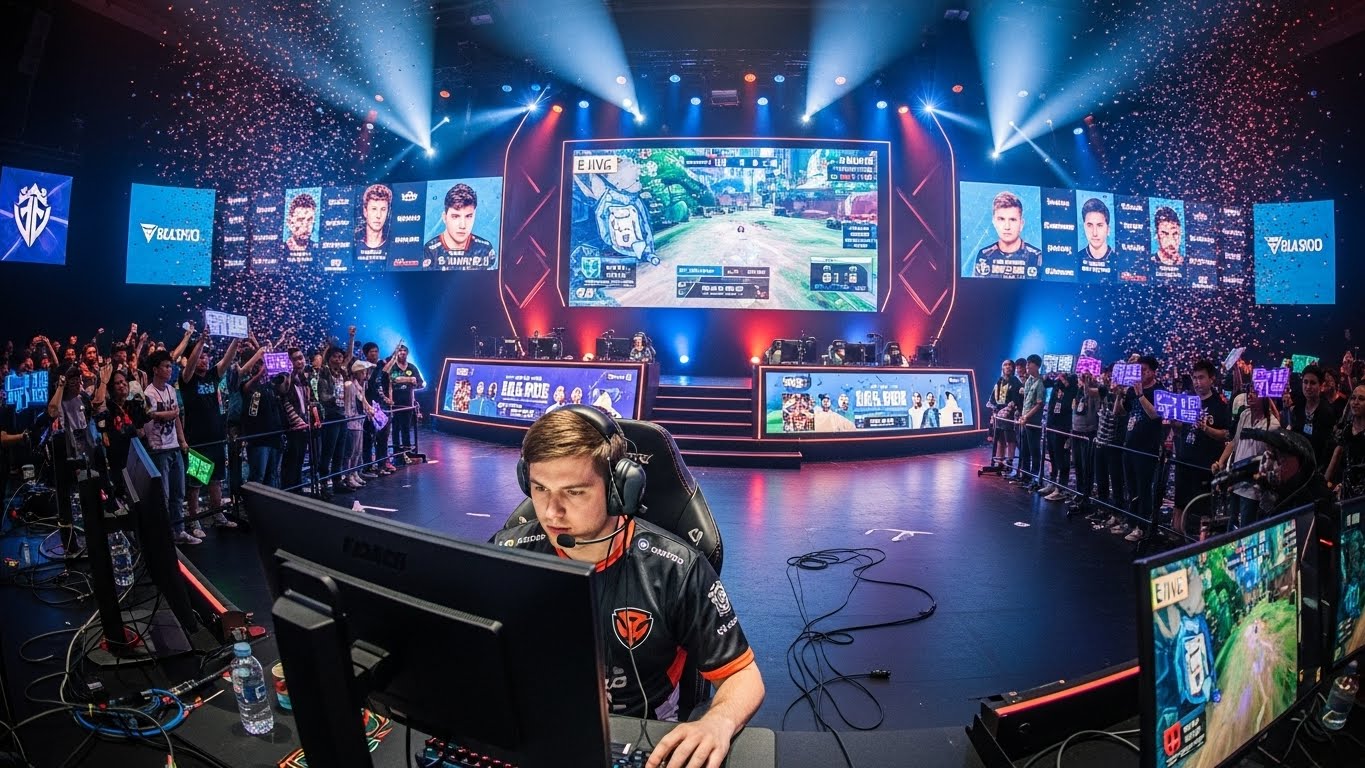
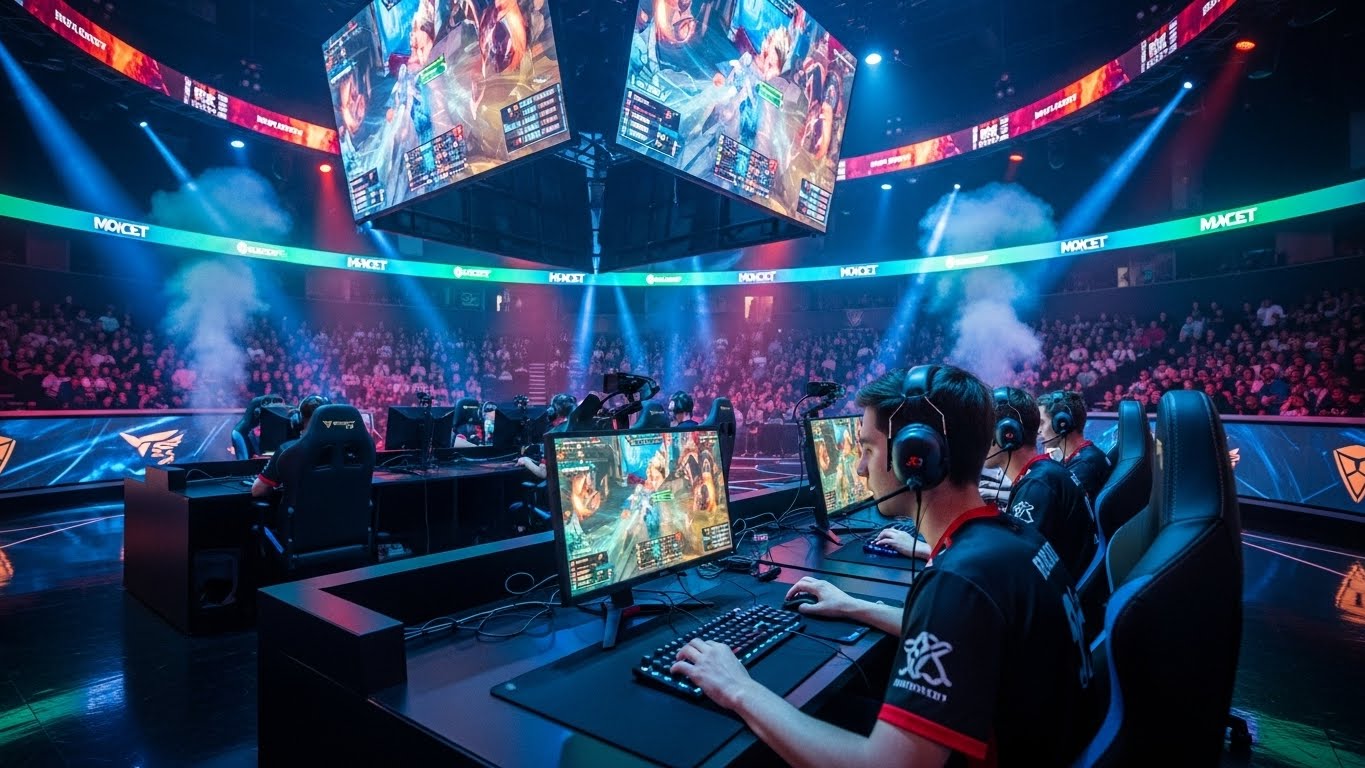
Esports has rapidly evolved from a niche hobby into a global cultural phenomenon that attracts millions of fans, professional players, major brands, and massive investments. What began as small gatherings of gamers competing for fun has transformed into a structured, competitive industry with tournaments, leagues, sponsorships, and celebrity-level athletes. Today, esports stands shoulder to shoulder with traditional sports, offering excitement, strategy, and competitive spirit on a digital battlefield. This blog explores the origins, development, significance, structure, and future of esports, highlighting why it has become one of the most influential aspects of modern entertainment.
The Origins of Esports
The concept of competitive gaming dates back to the early days of arcade machines and home computers. In the 1980s, players gathered in arcades to beat high scores, challenging others in classics such as Space Invaders and Pac-Man. These simple competitions laid the foundation for organized gaming.
The first officially recognized esports event occurred in the early 1970s when students competed in a video game tournament at a university. While modest by today’s standards, it introduced the idea of structured digital competition. Over the next decades, gaming technology advanced, and so did the competitiveness. By the 1990s, games like Street Fighter, Quake, and StarCraft had thriving competitive scenes. These early tournaments often featured passionate communities, small prizes, and grassroots organization, but they set the stage for what would become a global systemized industry.
The Digital Revolution and the Growth of Esports
The explosion of the internet and online gaming brought esports into a new era. Players could now compete against opponents from anywhere in the world, eliminating geographical barriers. This made competitions faster, more intense, and more widespread.
Games in the early 2000s such as Counter-Strike, Warcraft, and Dota were major catalysts for esports. They gained enormous global followings, particularly in regions like South Korea, where professional gaming was embraced early. Esports arenas, training facilities, and full-time players emerged, shifting the perception of gaming from a pastime to a legitimate profession.
Today, esports has grown into a highly structured field with leagues, franchises, coaches, analysts, and millions of fans. Global tournaments attract viewership comparable to traditional sports and feature prize pools that rival major athletic competitions. What was once a small community has transformed into a worldwide industry spanning cultures, languages, and interests.
Why Esports Became So Popular
The rapid rise of esports can be attributed to several key factors.
First, accessibility plays a major role. Unlike many traditional sports, which require specialized equipment or physical space, esports only requires a device and an internet connection. Anyone can participate, and anyone can practice, making the barrier to entry lower than ever.
Second, the excitement and strategy of competitive gaming are compelling. Esports combines fast-paced action with strategic thinking, teamwork, and precision. Whether it is a tactical shooter, a battle arena, or a sports simulation game, esports delivers high-energy entertainment.
Third, the social aspect of gaming enhances engagement. Online communities built around games create friendships, rivalries, and shared interests. Streaming platforms further amplify this connection, allowing players to interact with fans, mentors, and other competitors.
Fourth, esports resonates with younger generations who grew up with digital technology. It reflects modern culture, communication styles, and entertainment preferences, making it a natural space for youth engagement.
Major Genres in Esports
Esports is not defined by a single type of game; rather, it spans multiple genres, each offering unique competitive experiences.
Tactical Shooters
Games in this category focus on precision, teamwork, and strategy. Players engage in fast-paced battles that require coordination and quick decision-making. This genre is popular for its intensity and skill-based nature.
Multiplayer Battle Arena Games
Often referred to as team-based strategy games, this genre features two teams competing to control objectives, destroy bases, or defeat opponents. These games require teamwork, planning, and mastery of complex mechanics.
Sports Simulation Games
Digital versions of real-world sports offer competitive opportunities for fans of basketball, soccer, racing, and more. These games blend realistic physics with competitive play, appealing to both gamers and traditional sports enthusiasts.
Fighting Games
This genre focuses on one-on-one or small-group combat. Players must master timing, combos, and character abilities to outplay their opponents. Fighting games often have passionate communities and visually exciting tournaments.
Battle Royale Games
These games involve large numbers of players competing to be the last one standing. They blend survival mechanics with fast-paced combat, offering unpredictable and thrilling matches.
The Structure of Professional Esports
Professional esports mirrors traditional sports in many ways. Players often train for hours each day, improving mechanics, strategy, communication, and mental focus. Many esports organizations hire coaches, analysts, nutrition experts, and even sports psychologists to support their teams.
Competitions are organized into leagues, seasons, and major tournaments. Some games feature franchise systems where teams buy long-term rights to participate, similar to basketball or football leagues. Others rely on open qualifiers, allowing new teams to rise through skill and determination.
Global tournaments often feature regional qualifiers, international matchups, and grand championships. These competitions can attract tens of thousands of in-person spectators and millions of online viewers.
The Role of Fans and Community
Fans are at the heart of esports success. They follow teams, cheer for favorite players, and discuss strategies and match results across online forums. Unlike many traditional sports, esports fans often have direct access to players through streams and social media. This creates a unique connection between audiences and competitors.
Fan engagement also shapes the direction of esports. Developers often listen to community feedback when balancing games or making updates. Esports thrives on participation, whether through live event attendance, online discussions, or in-game interactions.
The Impact of Esports on Culture and Society
Esports has influenced culture in numerous ways. It has shaped careers, inspired creative content, and become a pathway for personal growth and skill development. Players learn communication, leadership, strategic thinking, and teamwork—skills that translate into real-world applications.
Esports also helps bridge cultural gaps. Players from different countries compete as teammates, learning to communicate and collaborate across linguistic and cultural barriers. International tournaments create global excitement, uniting diverse audiences under one digital arena.
Additionally, esports has empowered content creators, streamers, and educators. Many esports professionals build careers through community involvement, entertainment, and coaching. The esports ecosystem encompasses far more than just competitive players, opening opportunities in event management, broadcasting, graphic design, marketing, and more.
The Economic Influence of Esports
The esports industry generates billions in revenue annually through sponsorships, team branding, merchandise, tournaments, digital goods, and media rights. Major companies and investors support esports because of its growing reach, particularly among younger audiences.
Cities around the world are beginning to build esports arenas and host international events, boosting tourism and local economies. Universities and organizations offer scholarships, training programs, and educational opportunities related to esports and digital media.
As esports grows, so does the economic ecosystem surrounding it, creating jobs and opportunities for both players and non-players alike.
Challenges Facing the Esports Industry
Despite its growth, esports faces several challenges. Maintaining player health and well-being is essential, as long hours of practice can lead to burnout or strain. Creating stable career paths for players is another challenge, as competitive longevity can vary greatly.
Additionally, esports must navigate issues of fairness, cheating prevention, and responsible play. As the industry expands, it must continue to develop regulations and standards to ensure integrity and player protection.
Finally, since esports is global, cultural differences, regional regulations, and technological accessibility influence growth in different areas. Addressing these factors is crucial for sustainable development.
The Future of Esports
The future of esports is filled with potential. Advances in technology such as virtual reality, augmented reality, and cloud gaming will introduce new competitive experiences. Esports is likely to integrate more deeply with education, entertainment, and traditional sports.
Cross-platform gaming, mobile esports, and interactive broadcasting will expand audience participation. Fans may soon be able to choose camera angles, follow individual players, or experience tournaments in immersive digital environments.
Esports is not just a trend—it is a permanent part of modern culture, continuing to evolve as technology and society advance.
Conclusion
Esports represents the intersection of technology, competition, creativity, and community. What began as small gatherings of passionate gamers has grown into an international industry with professional players, global tournaments, and millions of dedicated fans. Its influence on culture, economics, and entertainment continues to expand, shaping the future of digital competition.
As technology advances and new generations embrace interactive media, esports will continue to redefine what it means to compete, entertain, and connect. It reflects the spirit of modern innovation, celebrating skill, strategy, and teamwork in a digital arena where champions are made not through physical strength, but through precision, intelligence, and unwavering dedication.