Introduction
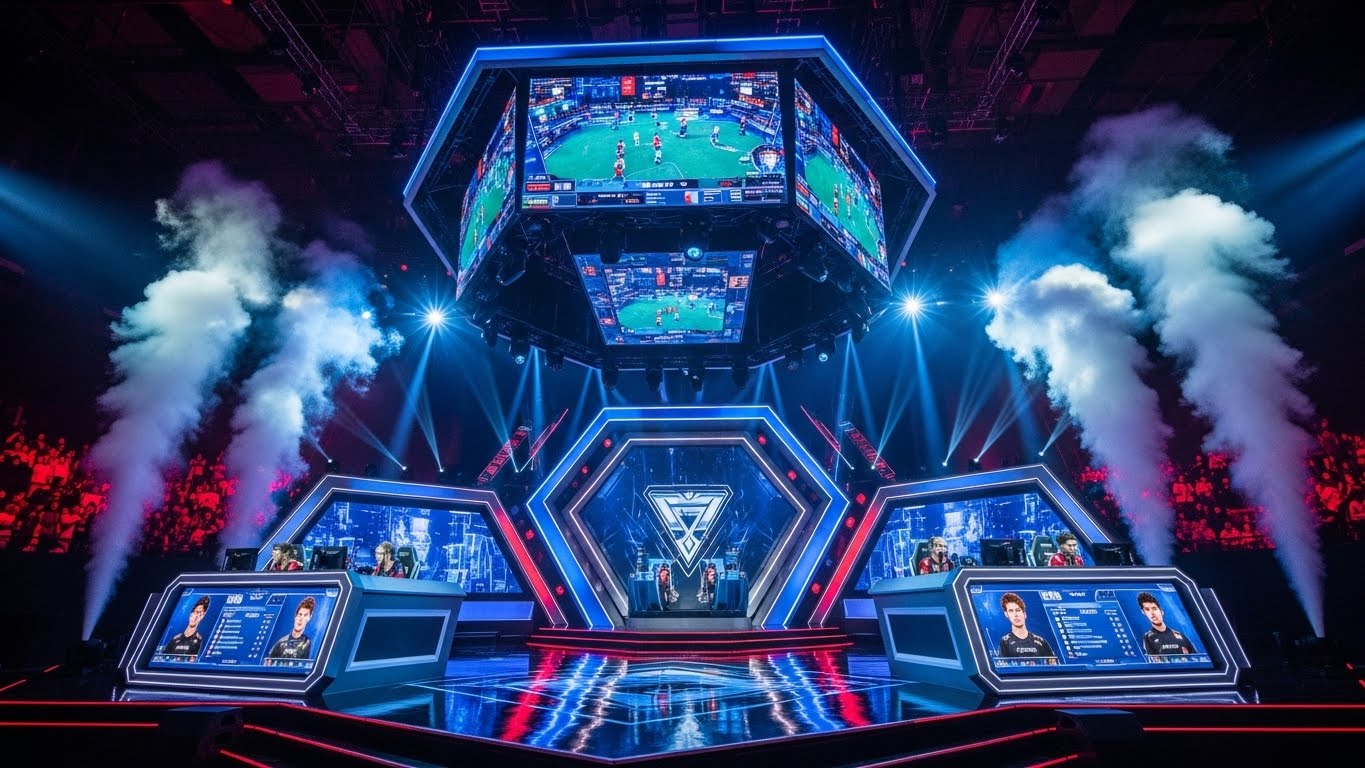
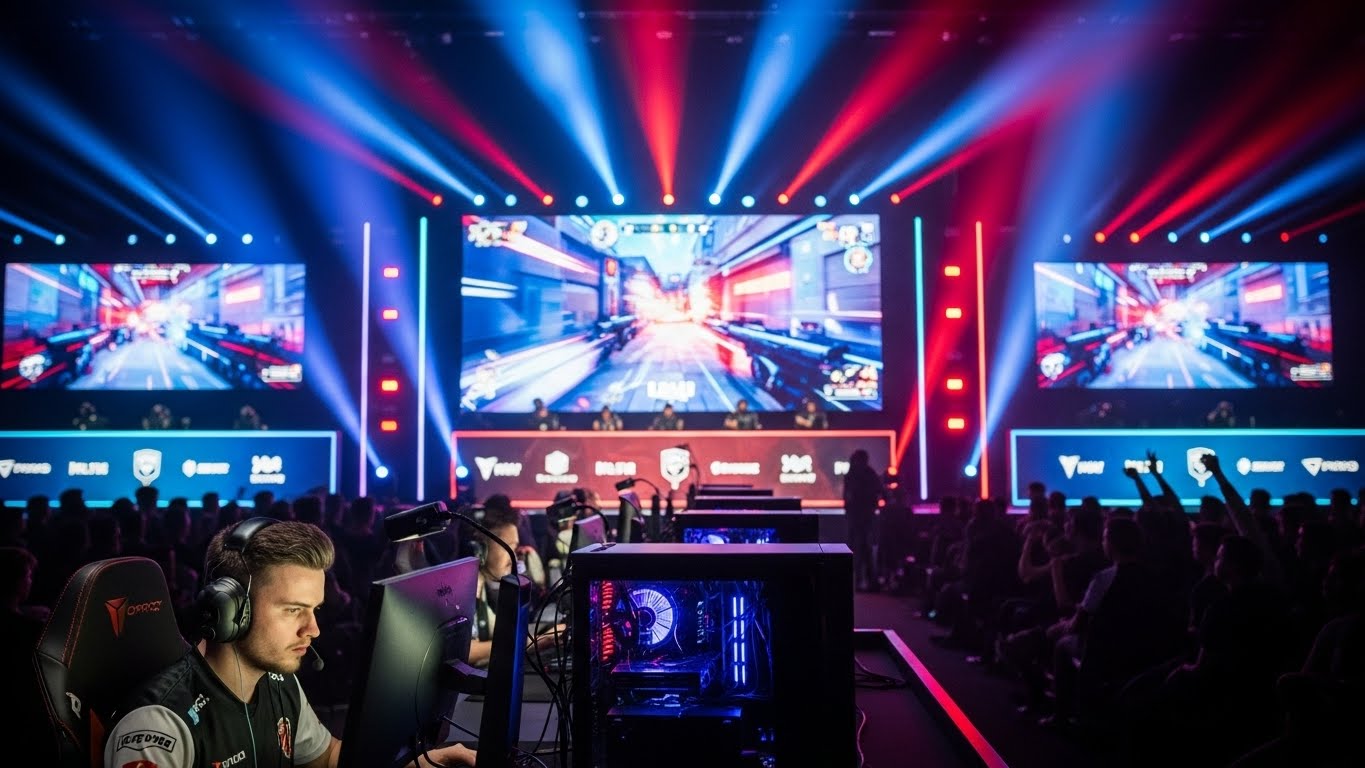
Esports has evolved from a niche pastime for gamers into a global phenomenon that captivates millions of fans, professional players, and industry stakeholders around the world. What started as informal gatherings where players competed for bragging rights and small prizes has transformed into a multi-billion-dollar industry with massive tournaments, sponsorships, and even college scholarships. Today, esports stands as a testament to how digital innovation, competitive spirit, and passionate communities can create a new era of entertainment. With esports now being recognized as a legitimate sport by governments and sports organizations alike, it’s clear that this revolution is here to stay.
The Origins and Evolution of Esports
The origins of esports date back to the early days of online gaming. In the 1990s, games like Doom and Warcraft allowed players to compete against each other through local area networks (LAN). However, it was the rise of the internet in the early 2000s that truly paved the way for competitive gaming to go global. The advent of games such as StarCraft, Counter-Strike, and League of Legends saw the establishment of formalized tournaments and leagues, with prize money and sponsorships growing steadily. Early competitions like the Cyberathlete Professional League (CPL) in the late 1990s and early 2000s helped bring esports into the limelight, but it was the rise of streaming platforms like Twitch in 2011 that truly ignited the exponential growth of esports into the mainstream.
The Global Popularity of Esports
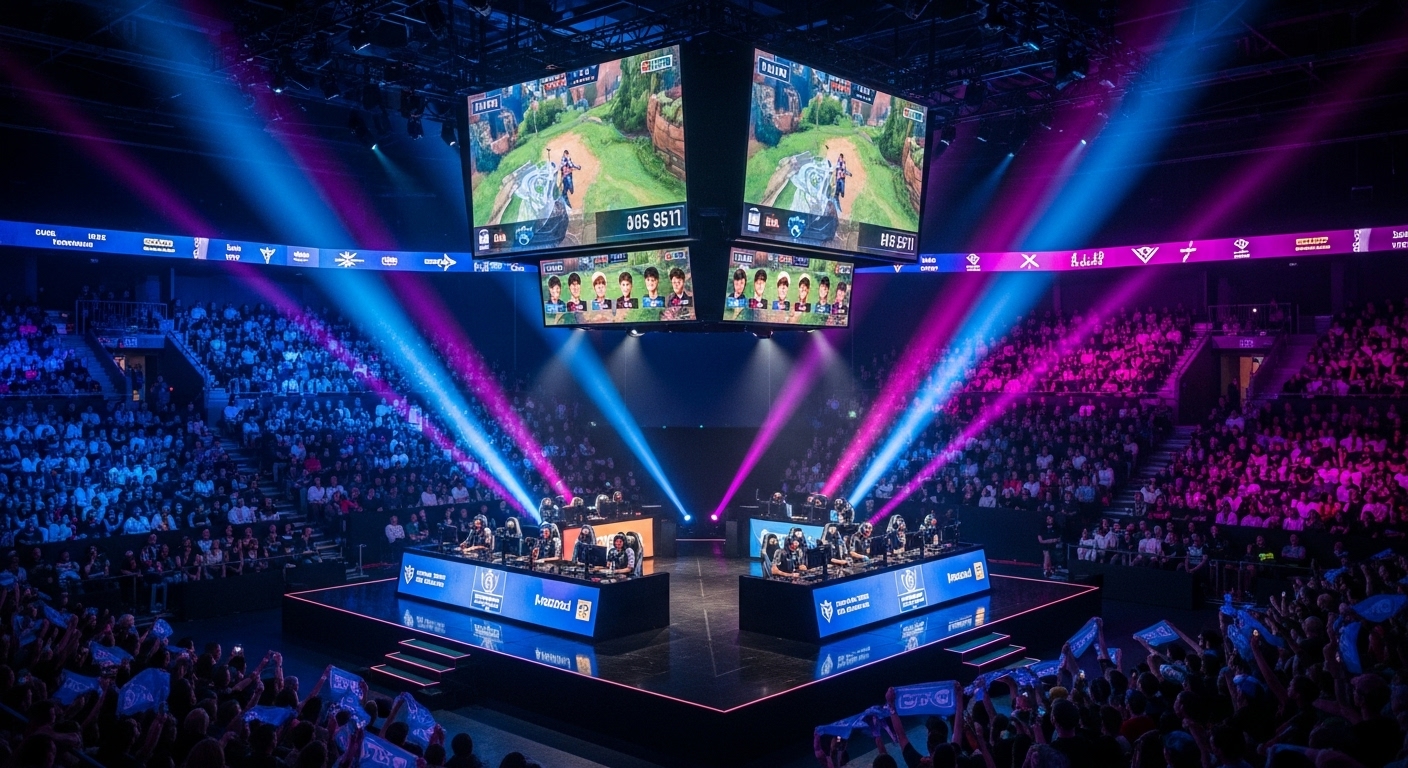
Today, esports is a worldwide spectacle, with millions of viewers tuning into major tournaments like The International (Dota 2), League of Legends World Championship, and CS:GO Major Championships. According to recent statistics, the global esports audience is expected to surpass 500 million by 2025, with a significant chunk of this viewership coming from Asia, North America, and Europe. What sets esports apart from traditional sports is the accessibility it offers to fans across the globe. Unlike conventional sports that require physical presence or specific equipment, esports can be streamed online for free, allowing fans to watch live events, interact with their favorite players, and engage with the community in real time.
The global appeal of esports has been accelerated by the rise of mobile gaming, with titles like PUBG Mobile and Free Fire attracting millions of players and viewers in countries like India, Brazil, and Southeast Asia. The integration of social media platforms and online communities has further strengthened the bond between players and fans, making esports not only a competitive event but a social experience.
The Structure of Esports: From Grassroots to Professional Leagues
Esports has a unique ecosystem that includes grassroots players, semi-professionals, and elite professionals. At the grassroots level, players often start by competing in online tournaments or local LAN events. Many of these amateur players are discovered through streaming platforms like Twitch or YouTube, where they showcase their skills to an audience. Some even build large followings, which can turn into sponsorship deals, streaming revenue, and the opportunity to compete professionally.
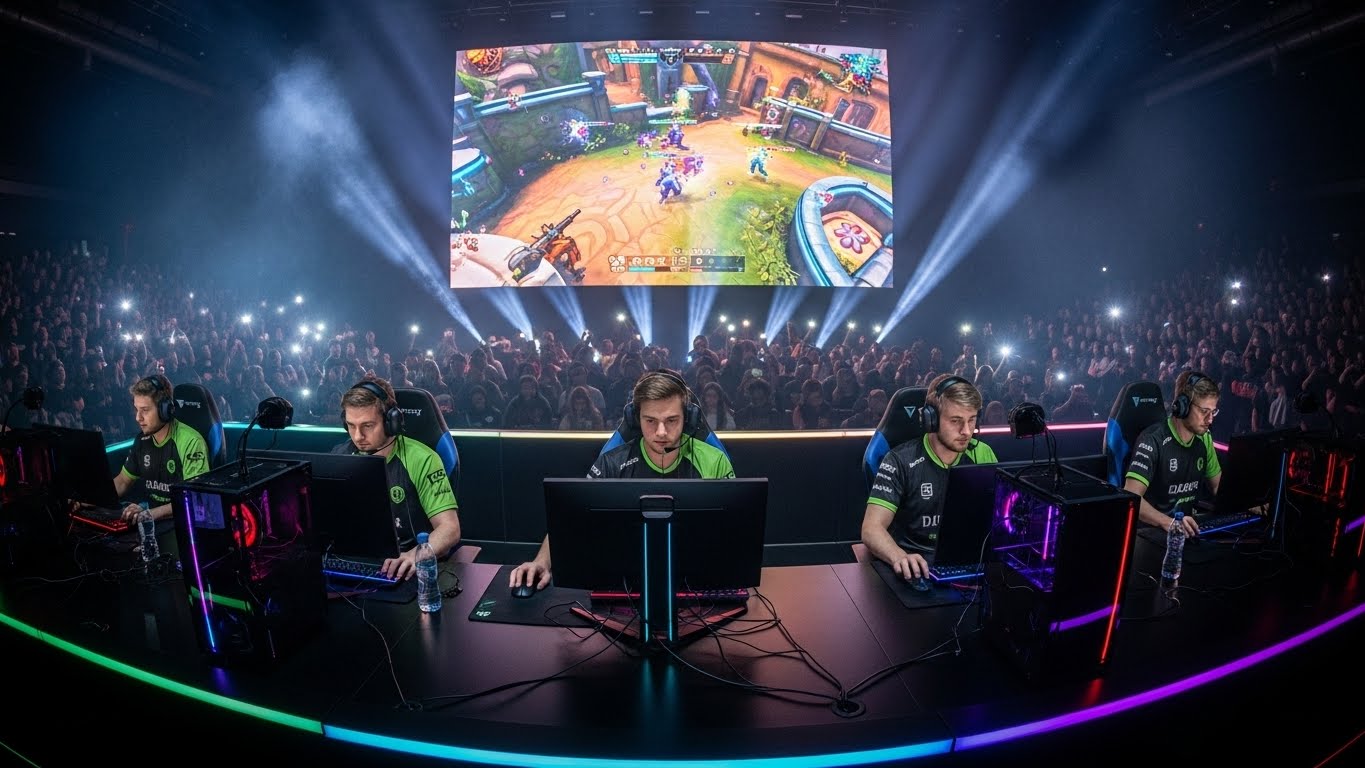
As players progress, they can join semi-professional teams or even enter open qualifiers for major tournaments. These players are often scouted by organizations looking to build competitive teams for specific games. At the top tier of esports, professional teams compete in franchised leagues or international tournaments that offer millions of dollars in prize money. Leagues such as the Overwatch League, Call of Duty League, and League of Legends Championship Series (LCS) are examples of established, high-stakes competitive environments that mirror traditional sports leagues in structure and prestige.
The structure of esports continues to grow, with new games entering the competitive scene each year, and a greater emphasis on team-based play, coaching, and strategic analysis. In addition, esports organizations and teams often hire support staff, including analysts, coaches, managers, and psychologists, to help their players maintain peak performance.
Esports and the Professionalization of Gaming
Esports has reached a level of professionalization that is comparable to traditional sports. Players in top-tier esports teams are treated as professional athletes, with dedicated practice schedules, travel commitments, and media appearances. Many esports players have sponsorship deals with major brands, ranging from gaming peripherals like keyboards, headsets, and controllers to global brands such as Coca-Cola, Mercedes-Benz, and Intel.
The financial rewards in esports are considerable. Prize pools for major tournaments can exceed $20 million, with individual players taking home a significant share of the winnings. For example, the The International, the annual Dota 2 championship, regularly features prize pools well over $30 million, with the winning team taking home tens of millions of dollars. These prize pools are often supplemented by sponsorships, merchandise sales, and broadcasting rights, further cementing esports as a lucrative career option for those at the top of their game.
In addition to financial rewards, professional esports players benefit from the same support systems found in traditional sports, such as physical trainers, mental health counselors, and coaches. Esports teams are often based in purpose-built training facilities, where players can practice for hours each day to maintain their competitive edge. This level of support and infrastructure is a key factor in the rapid professionalization of esports.
The Role of Streaming and Content Creation in Esports
Streaming platforms such as Twitch, YouTube, and Facebook Gaming have been critical in the rise of esports. These platforms allow players to live-stream their gameplay, interact with fans, and build a personal brand. Many top esports players have become celebrities in their own right, with millions of followers across social media channels. Streaming offers a direct connection between players and fans, allowing for real-time interactions that enhance the overall viewing experience.
Content creators also play a major role in shaping the esports landscape. They not only stream their gameplay but also produce content such as tutorials, commentary, and reaction videos, which help cultivate the community around specific games or tournaments. This symbiotic relationship between professional players, streamers, and their audiences has created a thriving ecosystem that benefits everyone involved. Additionally, platforms like Twitch have made it possible for anyone with the right skills to gain a following and make a living from gaming, further blurring the line between professional and amateur.
Esports and Education: The Emergence of Scholarships and College Programs
As esports gains mainstream recognition, educational institutions are increasingly offering scholarships and programs for aspiring gamers. Colleges and universities in North America, Europe, and Asia now have dedicated esports teams, complete with coaching staff and state-of-the-art facilities. In the U.S., institutions like the University of California, Irvine, and the University of Oklahoma have become pioneers in offering esports scholarships, while many others are establishing varsity-level teams.
These programs not only provide financial support to talented gamers but also offer an academic pathway for those looking to combine their passion for gaming with education. Students can pursue degrees in game design, esports management, digital media, and other related fields, all while participating in competitive gaming. The inclusion of esports in higher education highlights the growing legitimacy of gaming as a career option, and the recognition that gaming is no longer a hobby but a profession that requires skill, strategy, and teamwork.
The Future of Esports
The future of esports is incredibly promising. As more viewers tune in and more players participate, the industry will continue to grow, with new games, leagues, and opportunities emerging. The expansion of mobile gaming, in particular, is set to bring esports to even more players and fans, especially in regions where traditional gaming consoles and PCs may not be as prevalent. Virtual reality (VR) and augmented reality (AR) technologies also hold the potential to revolutionize the way people experience esports, offering more immersive and interactive viewing experiences.
Moreover, esports is likely to become a more integrated part of mainstream sports. As digital platforms and traditional media continue to merge, esports events may become regular fixtures on television and sports networks worldwide. The recognition of esports as a legitimate sport by organizations such as the International Olympic Committee (IOC) and the growth of corporate sponsorships indicate that esports will continue to be a significant part of the global entertainment landscape.
Conclusion
Esports is no longer a passing trend—it is a revolution that has reshaped the way people view competitive gaming. From its humble beginnings in basement tournaments to its current status as a billion-dollar industry, esports has proven that gaming is more than just a hobby. It is a global sport that has created new avenues for players, fans, and organizations to connect, compete, and thrive. As the industry continues to grow, esports will likely become an even more integral part of the global cultural and entertainment fabric, providing new opportunities and experiences for future generations of gamers and fans alike.