Introduction: The Emergence of a Digital Arena
Esports, short for electronic sports, has evolved from niche hobby to a global cultural phenomenon in just a few decades. What started as casual gaming competitions among friends has now transformed into a billion-dollar industry that attracts millions of viewers worldwide. From live tournaments in stadiums to streaming platforms where fans follow their favorite players, esports has cemented itself as a legitimate form of competitive entertainment. Unlike traditional sports, esports thrives in the digital world, yet it shares many similarities with conventional athletics, including teamwork, strategy, and the pressure to perform under intense conditions.
The Early Days of Competitive Gaming
The roots of esports can be traced back to the late 1970s and early 1980s when arcade competitions and high-score challenges were popular. One of the earliest documented tournaments was the Space Invaders Championship in 1980, which drew thousands of participants in the United States. As video games evolved, so did competitive gaming. The 1990s saw the rise of PC gaming and multiplayer games, including iconic titles like StarCraft and Quake, which became the foundation of organized competitive gaming. Communities formed around these games, laying the groundwork for what would later become professional esports leagues.
Key Factors Driving the Growth of Esports
Several factors have contributed to the explosive growth of esports. First, technological advancements have made gaming more accessible than ever. High-speed internet, powerful gaming consoles, and streaming services allow players from around the world to compete and spectators to watch in real time. Second, social media and video-sharing platforms have helped players and teams build massive followings, turning individual gamers into global celebrities. Third, the esports ecosystem itself has matured, with professional organizations, sponsorship deals, and dedicated tournaments creating a structured industry. Together, these factors have transformed esports from a pastime into a highly competitive career path.
Popular Esports Titles and Their Impact
Different games dominate the esports landscape, each attracting unique communities and competitive structures. Multiplayer online battle arena (MOBA) games like League of Legends and Dota 2 are famous for their complex strategies and high skill ceilings, offering players endless opportunities for growth. First-person shooters (FPS) such as Counter-Strike: Global Offensive and Call of Duty emphasize precision, reflexes, and teamwork, drawing a different type of audience. Battle royale games like Fortnite have popularized fast-paced, large-scale competitions, appealing to both casual and professional players. Each game not only provides entertainment but also influences how esports tournaments are organized, how players train, and how fans engage with the content.
The Business of Esports: Sponsorships, Streaming, and Revenue
Esports has become a multi-billion-dollar industry, driven largely by sponsorships, media rights, and merchandising. Major brands recognize the marketing potential of esports, sponsoring players and teams to reach younger, digitally savvy audiences. Streaming platforms allow fans to watch matches live, creating advertising opportunities and direct revenue through subscriptions and donations. Tournament organizers generate income through ticket sales, merchandise, and broadcasting rights, while professional players can earn salaries, prize money, and endorsement deals. The business model mirrors traditional sports but operates primarily online, leveraging the digital ecosystem to create a global audience.
Training and Lifestyle of Professional Esports Players
Becoming a professional esports player requires more than just talent—it demands discipline, strategy, and constant practice. Players often train for hours daily, analyzing gameplay, perfecting techniques, and collaborating with coaches. The lifestyle can be demanding, with long hours in front of screens, frequent travel for tournaments, and high mental pressure. Despite these challenges, the rewards can be significant, including recognition, career opportunities, and financial stability. Like athletes in conventional sports, professional gamers balance physical fitness, mental health, and technical skills to maintain peak performance.
Esports and the Rise of Global Tournaments
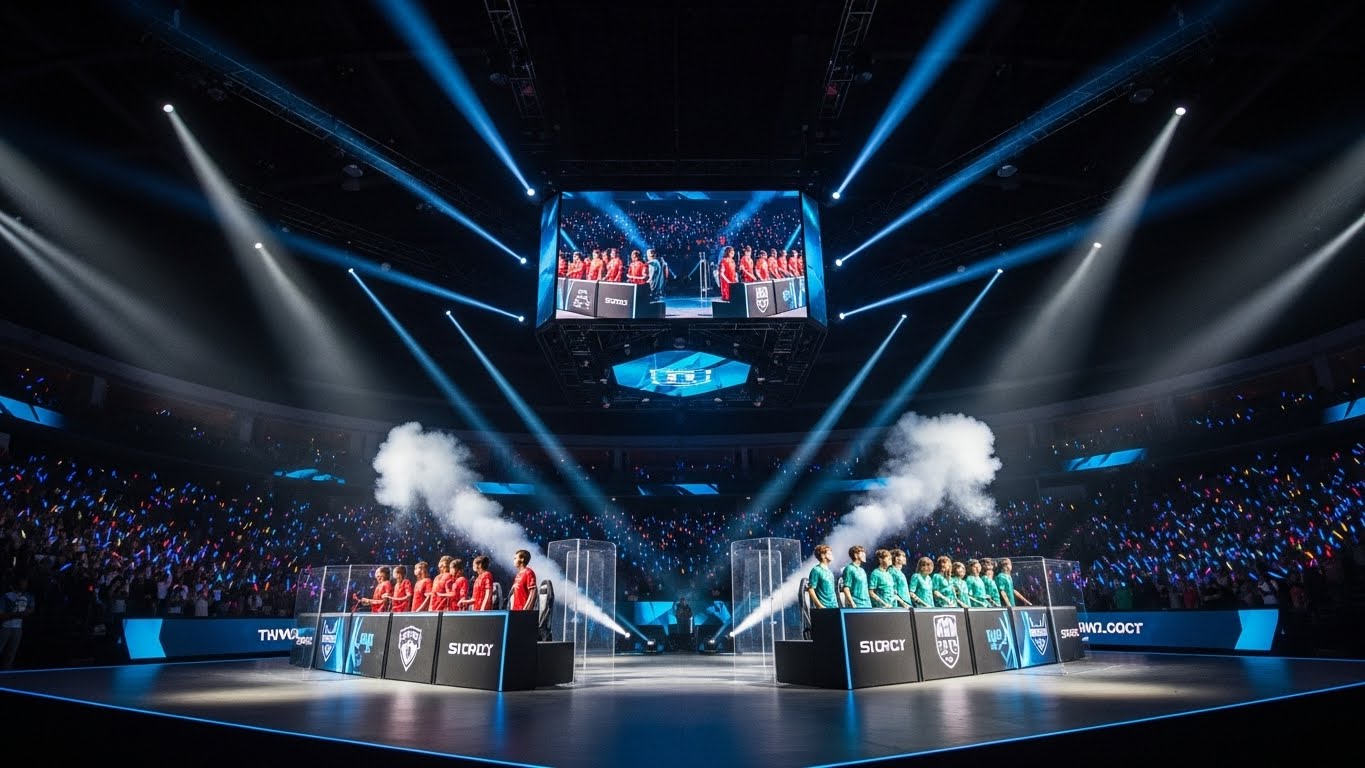
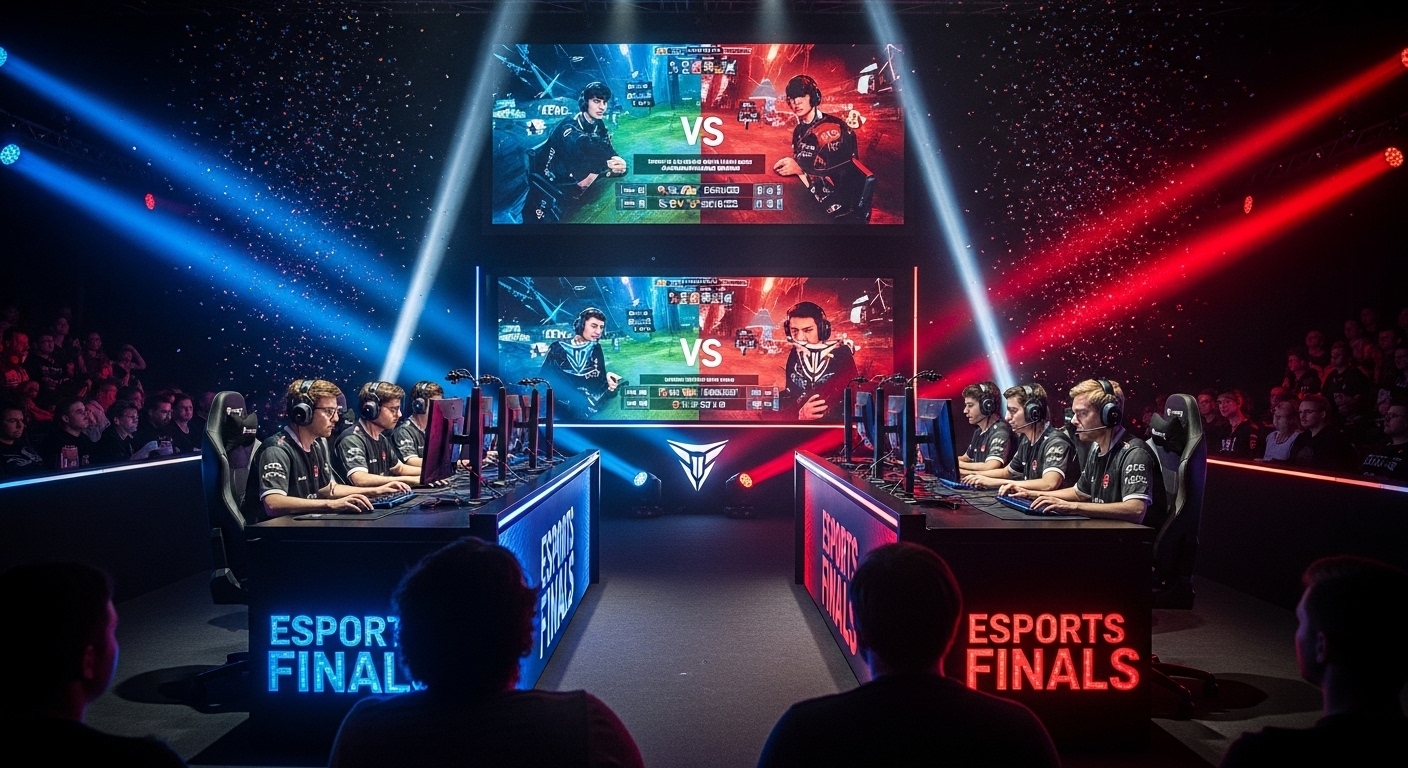
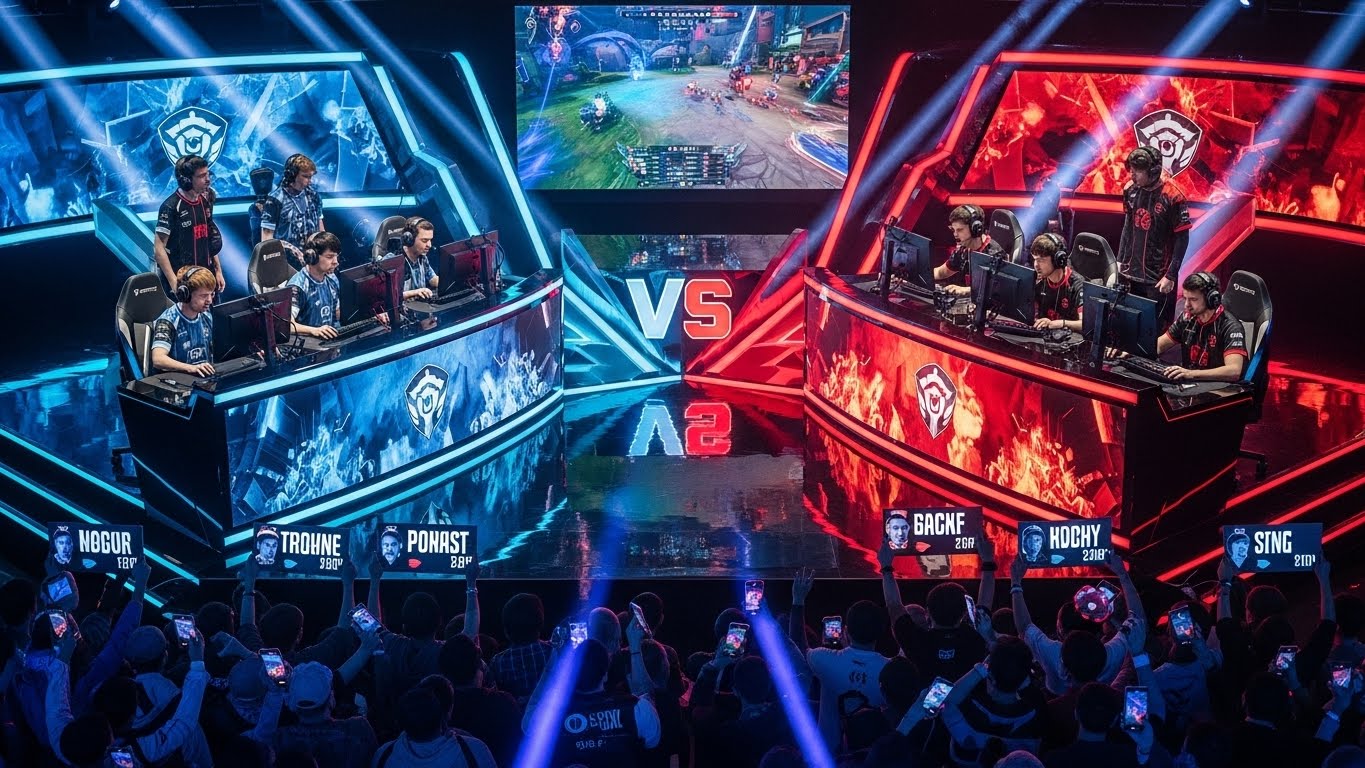
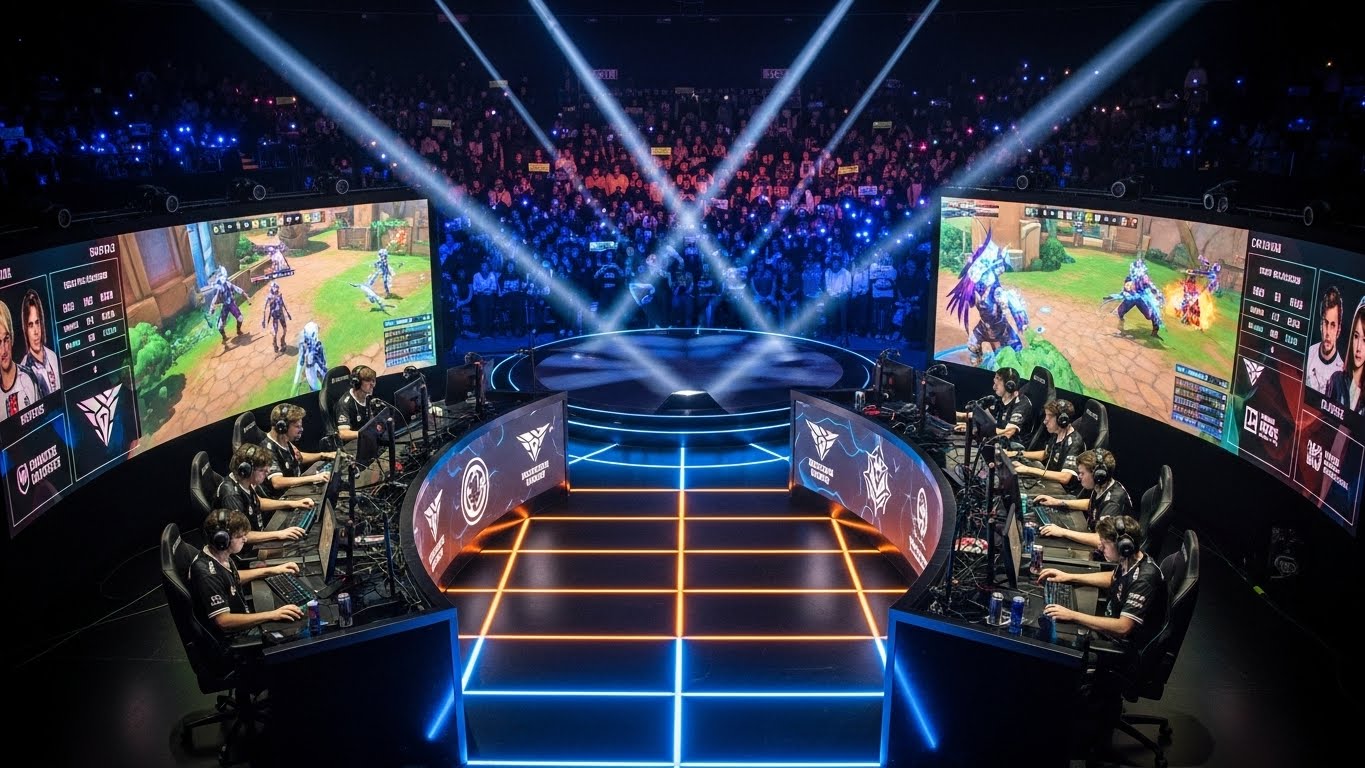
Global tournaments have been crucial in legitimizing esports as a serious competitive field. Events like The International for Dota 2, the League of Legends World Championship, and the Fortnite World Cup attract millions of viewers worldwide and offer prize pools in the millions of dollars. These tournaments are meticulously organized, often held in massive arenas with live audiences, high production values, and extensive media coverage. The spectacle not only entertains fans but also inspires the next generation of gamers to pursue competitive careers, further fueling the growth of esports on a global scale.
Community and Fan Engagement in Esports
One of the most distinctive aspects of esports is the sense of community it fosters. Fans are not passive viewers—they actively participate in discussions, create content, and support their favorite teams through social media and streaming platforms. Online communities provide spaces for strategy sharing, collaboration, and fan-driven content creation. Unlike traditional sports, where interactions with fans are limited to public appearances and media interviews, esports allows continuous engagement between players and audiences, creating a more personal and interactive experience. This community-driven culture is a key factor in esports’ rapid growth and enduring popularity.
Challenges and Criticisms of Esports
Despite its meteoric rise, esports faces several challenges and criticisms. Concerns about mental and physical health, such as burnout, eye strain, and sedentary lifestyles, are common among players. The industry also grapples with issues like match-fixing, cheating, and lack of standardized regulations. Additionally, some critics question whether esports should be classified alongside traditional sports due to the absence of physical activity. However, proponents argue that esports demands strategic thinking, teamwork, and reflexive skill, which are comparable to the requirements of many conventional sports. The industry continues to evolve, addressing these challenges through professional standards, health initiatives, and fair play regulations.
The Future of Esports
The future of esports looks bright, with continued expansion into new regions, genres, and platforms. Virtual reality and augmented reality technologies promise to redefine competitive gaming, making it more immersive and interactive. Educational institutions are beginning to recognize esports programs, offering scholarships and structured training to students, further professionalizing the field. Additionally, mainstream media coverage and integration with traditional sports events indicate that esports will continue to gain legitimacy and cultural recognition. As the digital world becomes increasingly central to entertainment, esports is positioned to remain at the forefront of competitive and spectator-based experiences.
Conclusion: Esports as a Cultural Force
Esports has grown far beyond its humble beginnings, emerging as a powerful cultural and economic force. It represents the convergence of technology, entertainment, and competition, offering both players and fans an interactive, dynamic experience. With professional leagues, global tournaments, and passionate communities, esports continues to challenge traditional notions of sports and entertainment. Its rapid growth demonstrates the changing landscape of leisure and competition in the digital age. More than just games, esports reflects the creativity, dedication, and innovation of a generation that lives online, shaping the future of global entertainment and redefining what it means to compete on a world stage.