Introduction: The Digital Evolution of Competitive Gaming
Esports, short for electronic sports, has emerged as one of the most dynamic forms of entertainment in the 21st century. Unlike traditional sports, which rely on physical prowess and stamina, esports revolves around strategy, precision, and quick thinking. What began as casual video gaming among friends has transformed into a global phenomenon, attracting millions of viewers, professional players, and massive investment from corporations and media companies. Esports is not just a pastime; it has become a legitimate career path and a multi-billion-dollar industry that continues to grow exponentially.
The Birth of Esports: From Arcade Halls to Online Arenas
The origins of esports can be traced back to the late 1970s and early 1980s when video games like Space Invaders and Pac-Man gained popularity. Competitive gaming began in arcades, where players would compete for high scores. The 1990s marked the rise of multiplayer games and online connectivity, allowing players to challenge opponents across the globe. Titles like Quake, StarCraft, and Counter-Strike became staples of competitive gaming. Tournaments were organized, and the concept of professional gaming began to take shape. These early competitions laid the groundwork for the structured leagues and tournaments we see today.
Major Esports Genres and Popular Titles
Esports is diverse, with multiple genres appealing to different audiences. One of the most popular genres is the multiplayer online battle arena, or MOBA, with games like League of Legends and Dota 2 at the forefront. These games demand teamwork, strategy, and fast decision-making. First-person shooters (FPS), including Call of Duty and Counter-Strike: Global Offensive, test players’ reflexes and tactical thinking. Fighting games, such as Street Fighter and Super Smash Bros, emphasize individual skill and precise execution. Sports simulations like FIFA and NBA 2K attract fans who enjoy virtual versions of real-world sports. Additionally, battle royale games like Fortnite and Apex Legends have captured the imagination of younger audiences, offering massive multiplayer experiences with high stakes and intense action.
The Structure of Professional Esports
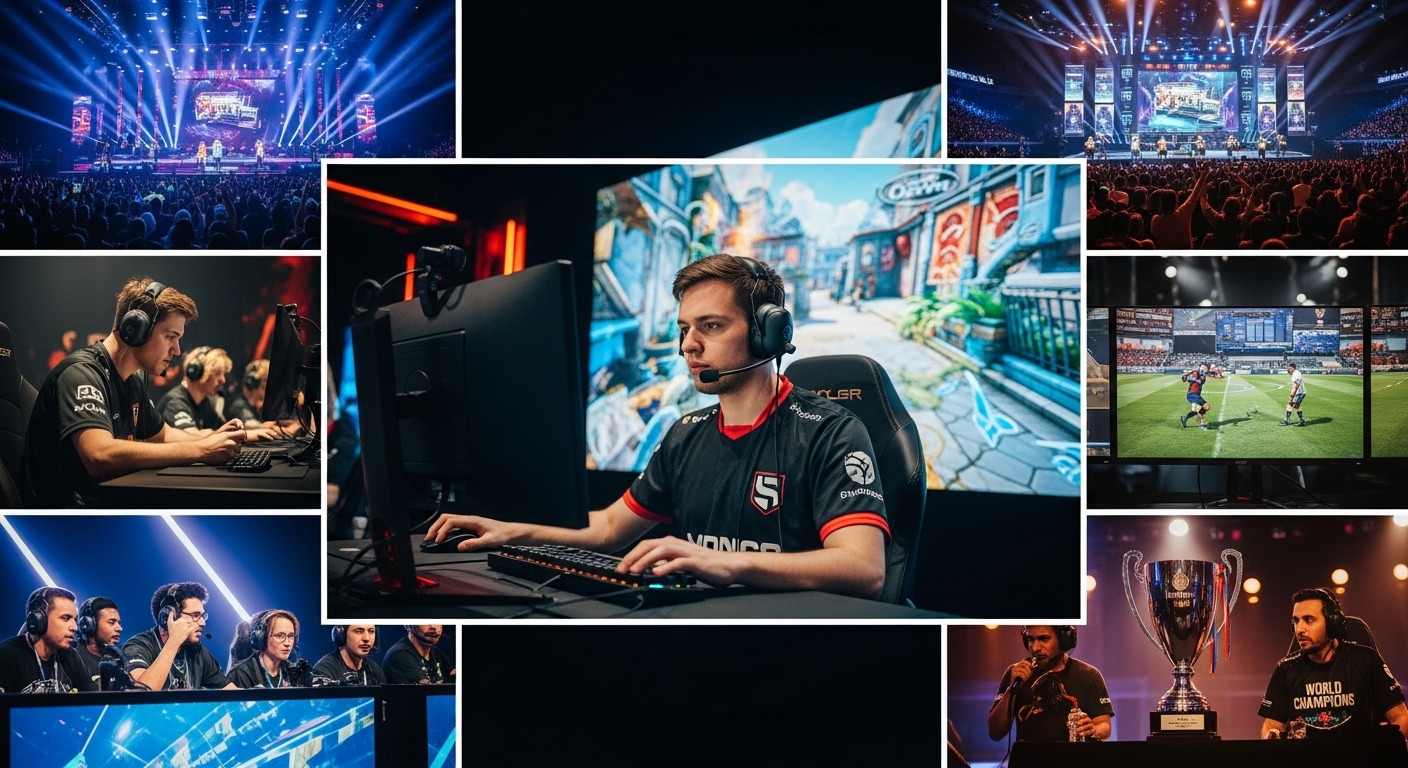
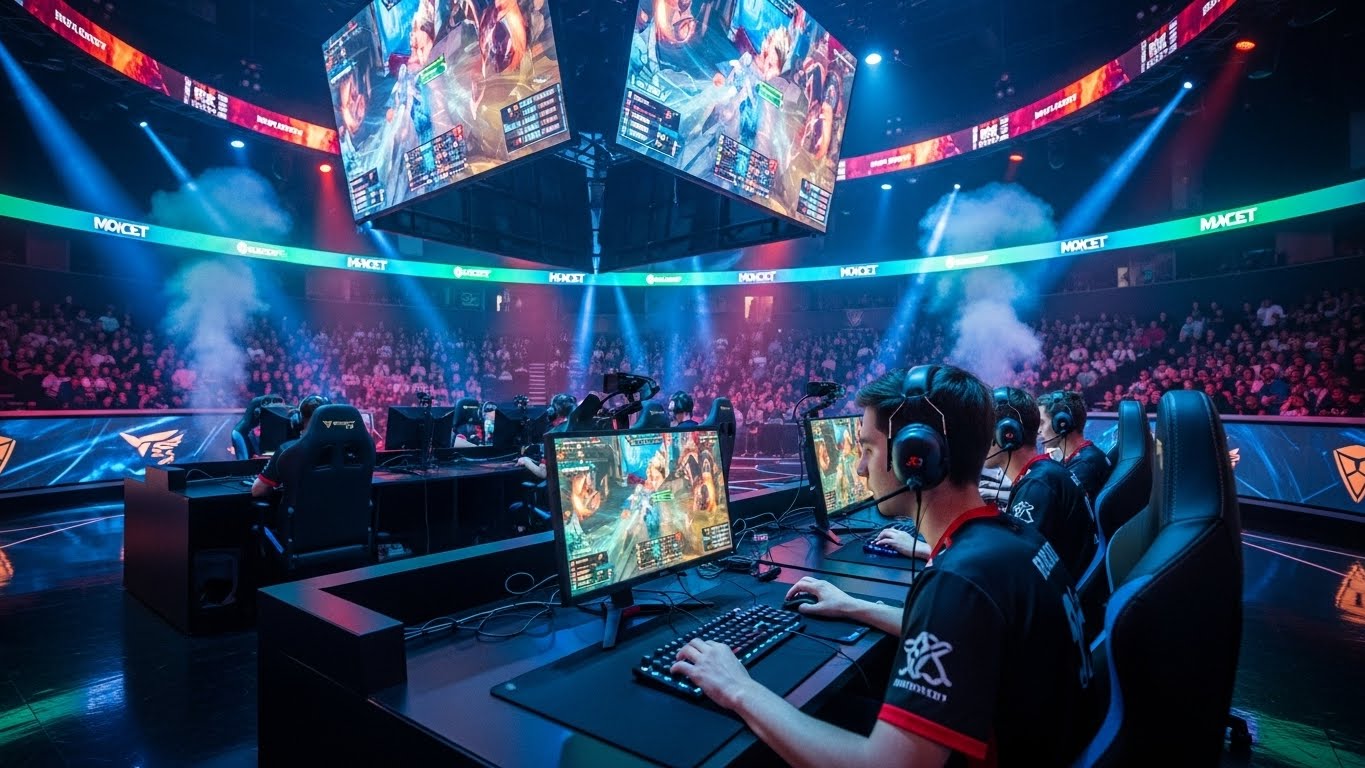
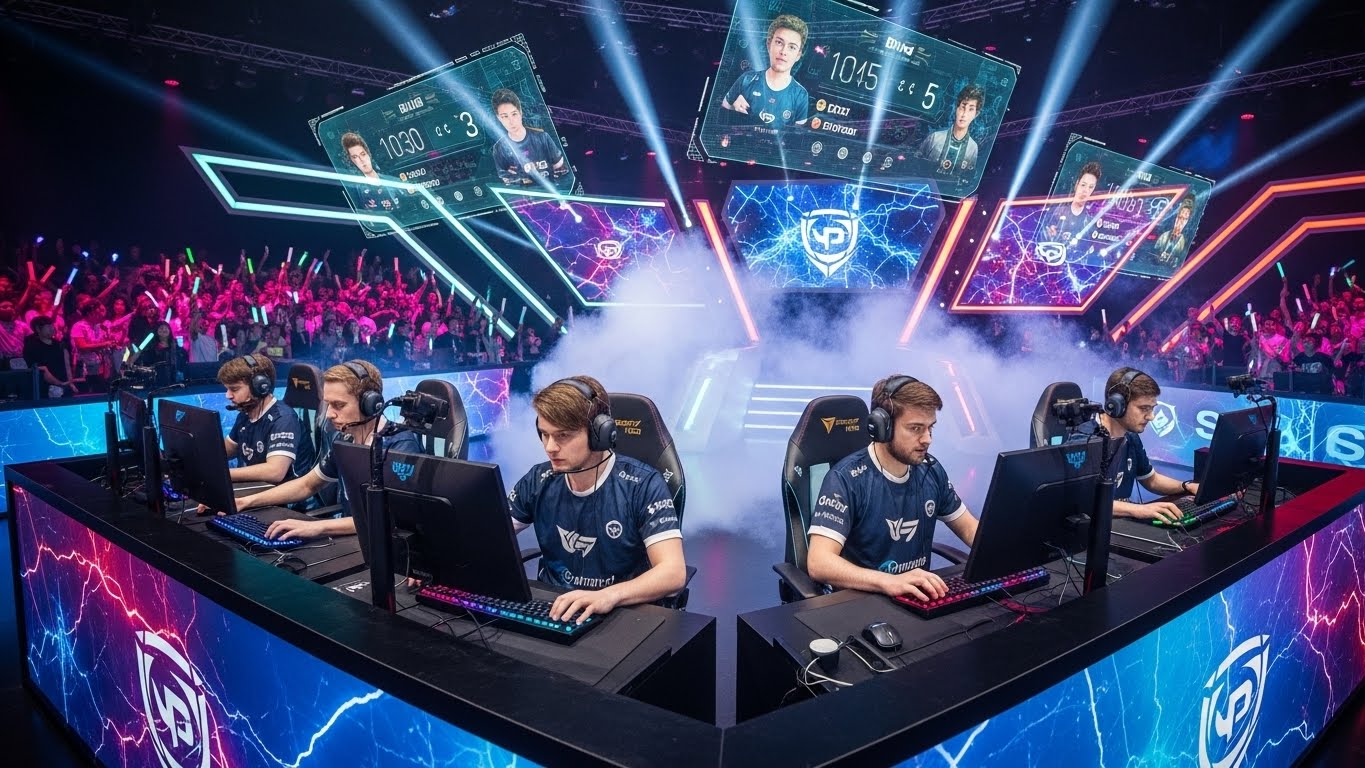
Professional esports has a well-organized ecosystem that mirrors traditional sports. Players are typically part of teams sponsored by major brands, with structured training regimens and coaching staff. Tournaments and leagues are organized worldwide, ranging from local competitions to international championships with multi-million-dollar prize pools. The League of Legends World Championship and The International for Dota 2 are examples of events that draw hundreds of thousands of live spectators and millions of online viewers. Beyond the top tier, amateur players have opportunities to climb the ranks through qualifiers and smaller tournaments, making the competitive landscape accessible to newcomers with talent and dedication.
The Role of Streaming and Content Creation
One of the driving forces behind esports’ popularity is the rise of streaming platforms. Services like Twitch and YouTube Gaming allow players to broadcast their gameplay to global audiences in real time. Streaming has transformed esports into a spectator sport, where viewers can watch professional matches, follow their favorite players, or learn strategies and tips. Content creators also provide commentary, tutorials, and entertainment, which helps to cultivate fan communities and increase engagement. This accessibility and interactivity have been instrumental in expanding esports beyond traditional gaming circles, making it a mainstream form of entertainment.
Esports as a Career: Opportunities and Challenges
For many, esports has become a viable career option. Professional players earn salaries, sponsorship deals, and revenue from streaming. Coaches, analysts, and content creators also find opportunities within the industry. However, pursuing a career in esports comes with unique challenges. The competitive lifespan of a player is often shorter than in traditional sports due to the intense mental focus and reaction-based skills required. Maintaining peak performance requires rigorous training, proper nutrition, and mental health support. Moreover, the pressure of public scrutiny and high expectations can be overwhelming, highlighting the need for sustainable practices and professional support structures in esports organizations.
Esports and Education: Building Future Talent
Recognizing the growing influence of esports, educational institutions are increasingly integrating esports programs. Universities and colleges now offer scholarships for talented players, while some schools have launched dedicated esports courses covering game design, event management, and digital media. These programs not only nurture competitive talent but also equip students with valuable skills applicable in technology, marketing, and business sectors. By blending education with esports, institutions are legitimizing the industry and creating pathways for long-term career growth.
Global Impact and Cultural Influence
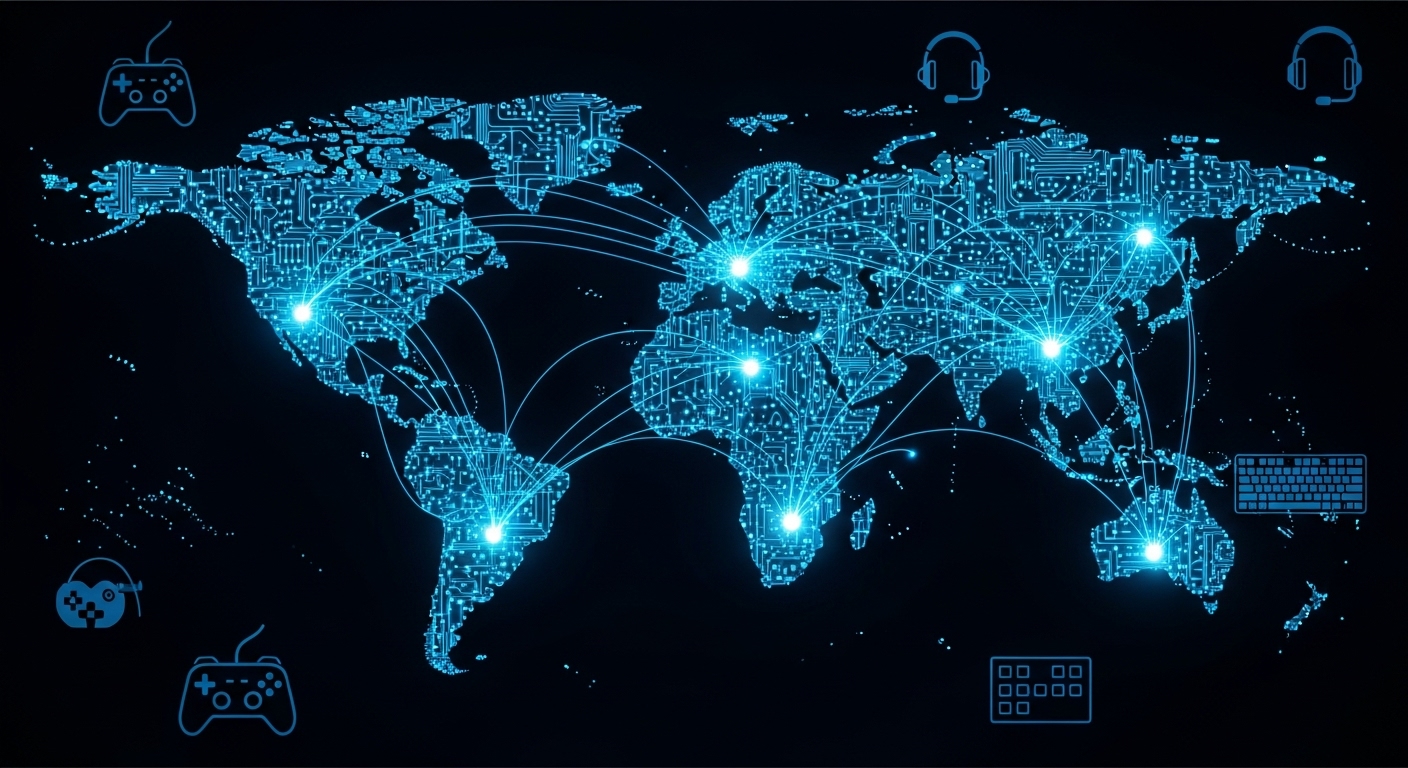
Esports has transcended borders, influencing popular culture worldwide. Major tournaments are broadcast in multiple languages, and fan communities span continents. Esports has contributed to the normalization of gaming as a social and professional activity, challenging outdated stereotypes about gamers. Merchandise, apparel, and esports-themed entertainment further solidify its cultural impact. Countries like South Korea and China have integrated esports into national identity, with professional leagues drawing government support and recognition. The global reach of esports demonstrates how digital entertainment can unite diverse communities around a shared passion.
Technological Advancements and the Future of Esports
Technological innovation continues to shape the future of esports. Virtual reality and augmented reality promise to introduce new levels of immersion, transforming how players and spectators experience games. Artificial intelligence is being leveraged to enhance game analysis, training methods, and in-game strategies. Cloud gaming is expanding access, allowing more players to participate without the need for high-end hardware. As technology evolves, esports is likely to integrate even more deeply with mainstream entertainment, offering experiences that blend gaming, live events, and interactive storytelling.
The Business of Esports: Sponsorship, Advertising, and Revenue
Esports is not just about competition; it is also a thriving business ecosystem. Sponsorships from tech companies, beverage brands, and fashion labels are central to the industry’s revenue. Advertisers target esports audiences due to their demographic appeal, particularly younger, digitally savvy consumers. Tournament organizers generate income through ticket sales, merchandise, and broadcasting rights. Additionally, esports betting has emerged as a lucrative sector, although it comes with regulatory and ethical considerations. The combination of these revenue streams ensures the sustainability and growth of esports as both a sport and an industry.
Social Dynamics and Inclusivity in Esports
Esports has the potential to be a more inclusive environment compared to traditional sports, offering opportunities regardless of gender, physical ability, or location. Women’s leagues and mixed-gender tournaments are becoming more prevalent, while accessibility features in games help players with disabilities compete on equal footing. Despite this progress, challenges remain, including harassment and unequal representation. The industry continues to work toward fostering inclusive communities where talent and passion are prioritized over traditional barriers, making esports a platform for diversity and global participation.
Esports as Entertainment: Beyond the Competitive Scene
Beyond the professional arena, esports has become a form of entertainment in its own right. Gaming events feature live performances, cosplay competitions, and fan interaction, creating festival-like experiences. Storytelling around teams and players enhances the narrative, much like following a sports team in traditional media. This entertainment aspect broadens the appeal of esports to casual audiences who may not play games but enjoy the spectacle, personalities, and community engagement. Esports is evolving into a hybrid of sport, entertainment, and social media culture, offering experiences that are uniquely digital.
Conclusion: The Enduring Influence of Esports
Esports has grown from a niche hobby to a global phenomenon with economic, cultural, and social significance. Its rise reflects the broader digital transformation of entertainment and competition, redefining what it means to be a professional athlete in the 21st century. With technological advancements, educational integration, and growing inclusivity, esports is poised to continue its trajectory, captivating new audiences and creating opportunities for generations of gamers. What began as casual gaming has matured into an industry that commands attention on par with traditional sports, and its influence is only set to expand further. Esports is not just a game; it is a revolution in how we compete, watch, and connect in a digital world.