Introduction: The Digital Playground Transforms Competition
In the last decade, the world of competitive sports has undergone a radical transformation. Traditionally, athletic prowess and physical stamina defined a champion, but a new form of competition has emerged that thrives entirely in the digital domain: esports. Short for electronic sports, esports refers to competitive gaming at a professional level, where players and teams compete in popular video games for recognition, sponsorships, and substantial prize money. Unlike traditional sports, esports bridges the gap between technology and entertainment, creating a global platform where skill, strategy, and mental agility determine success.
The Evolution of Esports: From Hobby to Global Phenomenon
Esports did not achieve its current prominence overnight. Its roots can be traced back to the 1970s and 1980s, when arcade competitions and early console tournaments began to gain attention. Early competitive gaming was largely informal, with small groups of enthusiasts gathering to test their skills in games like Pong and Space Invaders. The real turning point came with the rise of the internet in the 1990s, which enabled players from different regions to connect and compete. Games like StarCraft, Counter-Strike, and Warcraft laid the foundation for professional esports, offering organized competitions and tournaments with modest prizes.
By the 2000s, esports had begun to professionalize. Dedicated leagues were formed, streaming platforms emerged, and audiences could watch top players compete live online. The advent of Twitch and YouTube further revolutionized esports, allowing fans to follow their favorite players and teams, interact with communities, and even learn strategies. Today, esports is a billion-dollar industry with major tournaments broadcasted on television and online platforms, attracting millions of viewers worldwide.
Popular Esports Titles: Diversity in Competition
One of the most fascinating aspects of esports is the variety of games that fuel its competitive landscape. Esports spans multiple genres, each requiring distinct skills and strategies. Multiplayer Online Battle Arenas (MOBAs) like League of Legends and Dota 2 demand teamwork, quick decision-making, and precise execution of complex strategies. First-Person Shooters (FPS) such as Counter-Strike: Global Offensive, Call of Duty, and Valorant emphasize precision, reflexes, and tactical awareness. Fighting games like Street Fighter and Super Smash Bros. test individual skill and timing, while sports simulation games like FIFA and NBA 2K allow players to compete in virtual versions of traditional sports.
The diversity of esports titles contributes to its wide appeal. Whether a fan enjoys high-speed action, strategic planning, or competitive simulations of real-world sports, there is an esports game that resonates. This variety also encourages inclusivity, attracting players and audiences from different cultures, age groups, and skill levels.
The Esports Ecosystem: Players, Teams, and Organizations
Behind every successful esports tournament lies a complex ecosystem of players, teams, organizations, and sponsors. Professional players often dedicate years to mastering their chosen game, following rigorous training schedules that can rival those of traditional athletes. Many teams operate like professional sports franchises, with coaches, analysts, and support staff who assist players in strategy, physical fitness, and mental resilience.
Organizations play a significant role in shaping esports careers. They manage player contracts, negotiate sponsorship deals, and provide infrastructure such as gaming houses and training facilities. Sponsorships from major brands contribute to the financial stability of teams and the growth of tournaments, while streaming platforms and media rights generate additional revenue. The result is a well-rounded ecosystem where players, teams, and businesses thrive symbiotically.
Tournaments and Championships: The Thrill of High-Stakes Competition
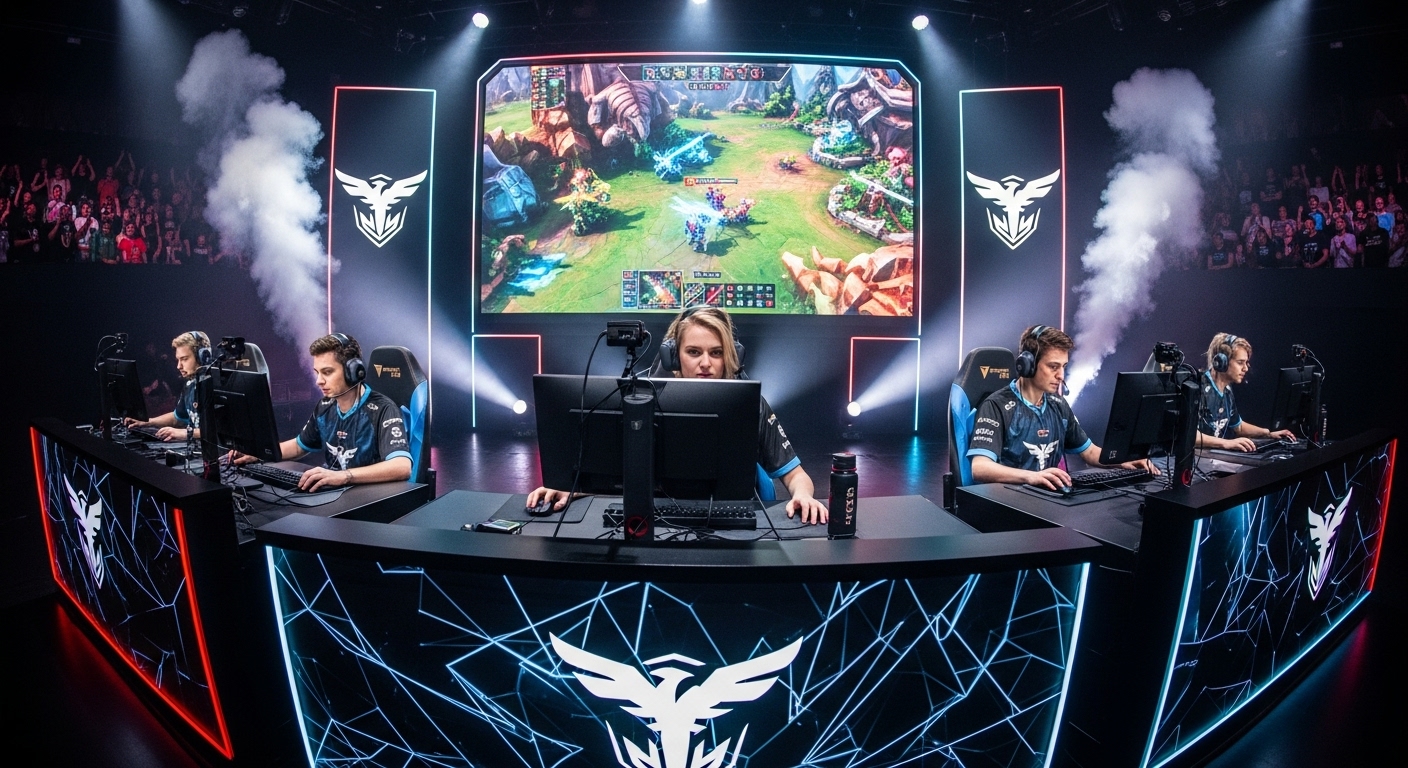
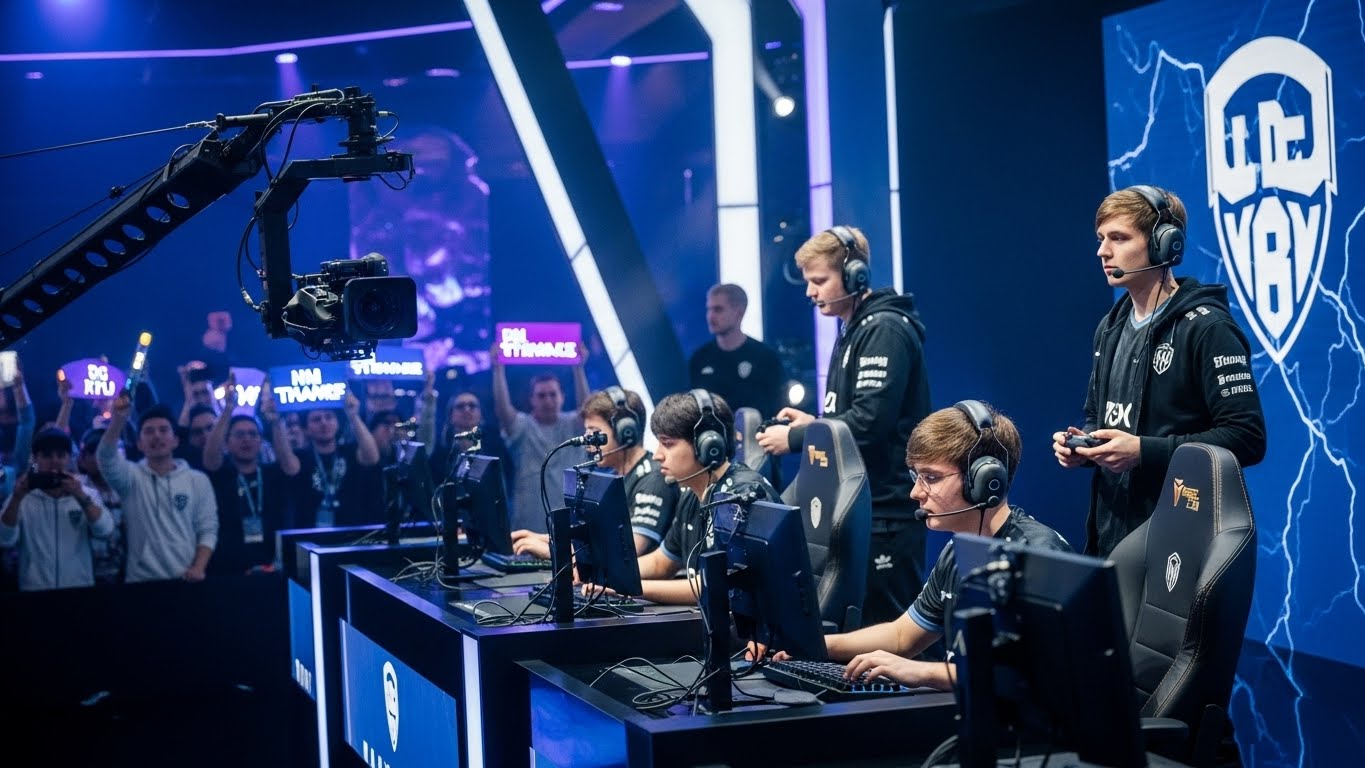
Esports tournaments have evolved from small local competitions to global spectacles with massive audiences and prize pools that rival traditional sports events. Some of the most prominent tournaments include The International (Dota 2), League of Legends World Championship, and Fortnite World Cup. These events offer millions of dollars in prize money, drawing elite players and teams from across the globe.
The competitive structure of esports often mirrors that of traditional sports. Teams qualify through regional competitions, advance through playoffs, and compete in grand finals. What sets esports apart is the immediacy of digital broadcasting. Fans can watch every move, every strategy, and every critical moment live, often accompanied by expert commentary and real-time analysis. The immersive experience creates a sense of excitement and engagement that rivals stadium-based sports.
The Role of Streaming Platforms: Connecting Players and Fans
Streaming platforms have been instrumental in the rise of esports. Twitch, YouTube Gaming, and other platforms provide an avenue for players to broadcast their gameplay, interact with fans, and build personal brands. For viewers, streaming offers a unique window into the world of professional gaming, allowing them to learn strategies, observe elite playstyles, and engage with communities.
Beyond entertainment, streaming has transformed esports into a career path. Popular streamers can generate substantial income through subscriptions, donations, and sponsorships. The blend of competitive gaming and personal entertainment has expanded the reach of esports, making it accessible to a global audience and creating a new form of celebrity in the digital age.
The Social Impact of Esports: Communities and Cultural Influence
Esports is more than just competition; it is a cultural phenomenon that fosters global communities. Fans from different countries and backgrounds come together to support their favorite players and teams, participate in discussions, and share content. Online forums, social media platforms, and gaming conventions serve as meeting points for enthusiasts, creating a sense of belonging and identity.
Moreover, esports challenges traditional notions of sports and physical competition. It highlights the importance of mental agility, strategic thinking, and coordination, demonstrating that competition extends beyond physical strength. This shift has encouraged younger generations to value cognitive skills, teamwork, and perseverance, reflecting broader changes in how society perceives achievement and talent.
Challenges in Esports: Mental Health, Burnout, and Accessibility
Despite its rapid growth, esports faces significant challenges. The intense pressure of competition can lead to mental health issues and burnout among professional players. Long training hours, high expectations, and constant public scrutiny contribute to stress and anxiety. Teams and organizations are increasingly recognizing the importance of mental wellness, implementing support systems and counseling to maintain player health and performance.
Accessibility is another challenge. High-performance gaming equipment and stable internet connections are essential for competitive play, creating barriers for aspiring players in regions with limited resources. Addressing these issues is crucial to ensuring that esports remains inclusive and sustainable, allowing talent from diverse backgrounds to flourish.
The Future of Esports: Integration and Innovation
Looking ahead, esports shows no signs of slowing down. Emerging technologies such as virtual reality, augmented reality, and artificial intelligence are likely to reshape competitive gaming, offering new ways to experience and participate in esports. Virtual reality tournaments could provide immersive, physical-like experiences, while AI-driven coaching and analytics could enhance player performance and strategy development.
Furthermore, esports is gradually integrating with traditional sports, educational programs, and corporate sponsorships. Universities are offering esports scholarships, and professional sports teams are investing in esports divisions. This convergence between digital and traditional sports reflects a broader trend in entertainment and competition, where innovation drives engagement and growth.
Conclusion: Esports as a Cultural and Competitive Revolution
Esports represents a paradigm shift in the world of competition. It challenges conventional definitions of sports, creates new forms of entertainment, and fosters global communities united by passion and skill. From humble beginnings in arcades to massive international tournaments, esports has evolved into a professional and cultural powerhouse.
As technology continues to advance, the potential for growth in esports is virtually limitless. It offers a platform for players to showcase their talent, for fans to connect and engage, and for society to embrace new forms of competition and collaboration. In the digital era, esports is not just a game; it is a revolution that redefines the very nature of competition, entertainment, and human achievement.