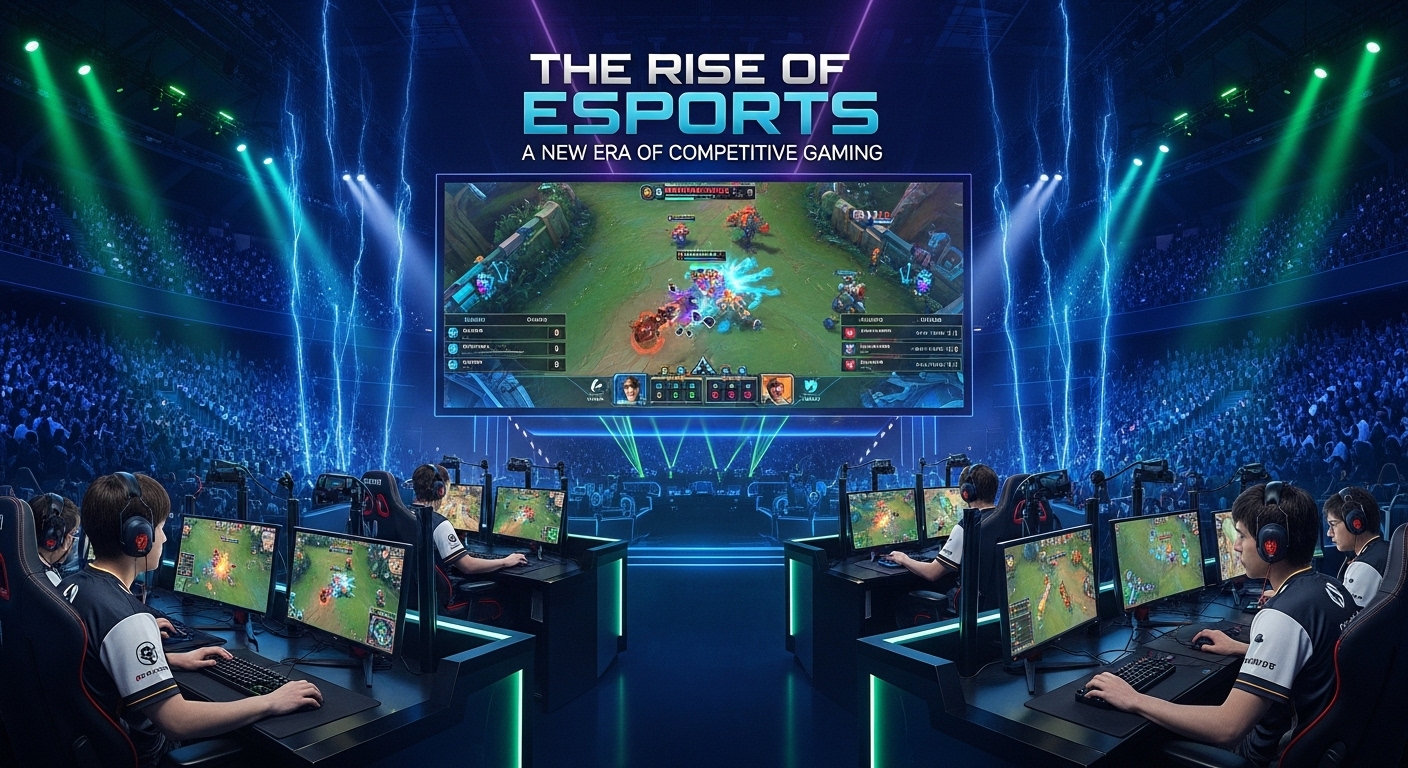
Esports, or electronic sports, has evolved from a niche hobby to a global phenomenon. The competitive nature of video gaming, paired with the increasing demand for entertainment that blends technology, skill, and spectacle, has fueled its rise. In recent years, esports has become one of the fastest-growing industries worldwide, with millions of viewers tuning in to watch their favorite players and teams battle it out in online arenas. But what makes esports so compelling? Why are traditional sports organizations, major brands, and even universities jumping on the esports bandwagon? This blog explores the rise of esports, its impact on the entertainment world, and the future of competitive gaming.
What is Esports?
At its core, esports is organized, multiplayer video game competitions, particularly between professional players, individually or as teams. These competitions are typically played in real-time, often broadcast live for a global audience. Esports spans various game genres, from real-time strategy games (such as StarCraft), multiplayer online battle arena games (MOBA) like League of Legends, to first-person shooters (FPS) such as Counter-Strike and Call of Duty. What sets esports apart from casual gaming is the level of skill and preparation involved. Players practice for hours, fine-tuning their reflexes, strategies, and teamwork, often to a level that rivals professional athletes.
The growth of esports has been fueled by both the gaming community and the technological advancements in internet streaming. Platforms like Twitch, YouTube, and Facebook Gaming allow gamers to showcase their skills and connect with audiences. Meanwhile, companies like Riot Games, Blizzard Entertainment, and Valve Corporation have played crucial roles by supporting professional leagues, organizing tournaments, and offering substantial prize money.
The Explosive Growth of Esports
Esports began as a grassroots movement in the late 1990s, with amateur competitions and LAN (local area network) parties where gamers would meet in person to compete. By the early 2000s, online gaming tournaments started to gain traction. However, the industry’s real breakthrough came in the 2010s, when games like League of Legends and Dota 2 began to offer massive prize pools, attracting professional teams and sponsorships.
The introduction of platforms like Twitch in 2011 played a key role in bringing esports into the mainstream. Twitch allowed gamers to broadcast their gameplay live, connecting them directly with a massive audience of fans. Today, millions of viewers tune into esports events, with some of the largest tournaments, such as The International (Dota 2) or the League of Legends World Championship, drawing in viewership numbers that rival traditional sports events.
Esports is now a multibillion-dollar industry, and this rapid growth has seen a significant increase in sponsorships, media rights deals, and investment from venture capitalists. The total revenue generated by the esports industry is expected to surpass $1 billion by 2025, as more companies from various sectors – from gaming hardware manufacturers to media giants – look to capitalize on the market.
The Global Appeal of Esports
One of the key reasons for the widespread appeal of esports is its accessibility. Unlike traditional sports, which require significant infrastructure (stadiums, courts, etc.), all that players need to compete in esports is a computer or console, an internet connection, and the game itself. This makes esports an incredibly inclusive form of entertainment, particularly in regions with less access to traditional sporting venues. As long as players have the necessary technology, they can compete with others from around the world, regardless of their physical location.
Moreover, esports transcends cultural and language barriers. While traditional sports like soccer or basketball are bound by regional and cultural contexts, esports is a universal language. With players and fans hailing from all corners of the globe, esports events are often broadcast in multiple languages, and games are designed to be internationally inclusive. The growth of esports in countries like South Korea, China, the United States, and Europe shows how the industry has successfully reached a wide audience across diverse regions.
The Professionalization of Esports
Esports is no longer a hobby for casual gamers; it is a professional career for many. Professional esports athletes are now revered in the same way as traditional athletes, with many enjoying celebrity status. The path to becoming a professional gamer is much like that of a traditional athlete – players often begin at a young age, practicing their craft for years before they enter the competitive scene.
Top players can earn substantial salaries from tournament winnings, sponsorship deals, streaming revenues, and merchandise sales. For instance, players in top-tier games like League of Legends and Fortnite can earn millions of dollars a year. In addition, teams that compete in major leagues are also benefiting from sponsorships, media rights, and fan engagement.
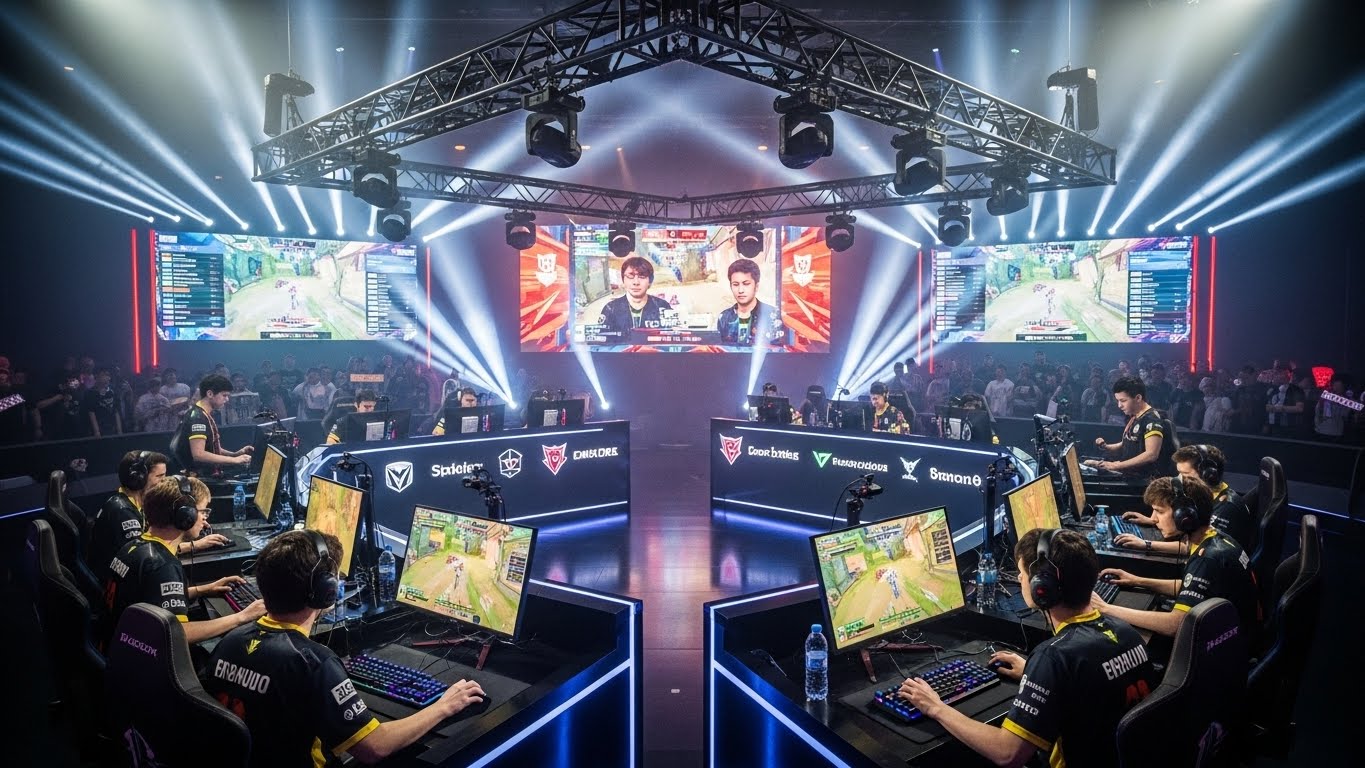
Major esports tournaments are now held in stadiums, with ticket sales and live event experiences adding another layer of excitement for fans. For instance, the League of Legends World Championship regularly sells out large arenas, with thousands of fans watching the event in person and millions more streaming it online. These events often have elaborate stage setups, with in-game graphics and music creating a spectacle that rivals that of traditional sports.
Esports as an Entertainment Ecosystem
Esports is not just about the players competing; it is an entire entertainment ecosystem. The industry includes various roles, such as commentators, analysts, coaches, content creators, and team managers. These individuals play crucial parts in the success of esports events, providing commentary and analysis, creating engaging content, and supporting the players in their journey. The rise of esports has created thousands of job opportunities, providing new career paths in media, marketing, event management, and broadcasting.
In addition to live tournaments, esports events often include in-depth analysis and expert commentary, akin to what you might find in traditional sports broadcasting. The combination of competitive gameplay, analysis, and fan interaction makes esports a rich, multifaceted form of entertainment that appeals to both casual fans and hardcore enthusiasts.
The Role of Esports in Education
Esports has also found its way into schools and universities, where it is increasingly seen as a legitimate extracurricular activity. Many high schools and colleges now offer esports programs, scholarships, and leagues for students interested in competitive gaming. These programs provide students with an opportunity to develop their skills, both in gaming and in teamwork, leadership, and communication.
The rise of esports in education has led to the creation of dedicated esports arenas, where students can practice and compete in a professional environment. Moreover, several universities are offering scholarships for players to attend and participate in collegiate esports leagues. For example, the National Association of Collegiate Esports (NACE) has more than 170 member schools across the United States, with varsity esports programs and scholarships for top players.
Esports programs in schools and universities are also seen as a way to engage students who may not excel in traditional sports. By integrating esports into the educational system, institutions are providing an alternative avenue for students to showcase their talents and gain recognition.
The Future of Esports
Looking ahead, the future of esports appears incredibly bright. With advancements in virtual reality (VR) and augmented reality (AR), we may see even more immersive and interactive esports experiences. VR-based esports could bring players and spectators closer to the action, allowing them to participate in virtual arenas and interact with other players in real-time.
Another key factor in the future of esports is its increasing integration with traditional sports. Some professional sports organizations, such as the NBA and NFL, have already established their own esports leagues, like NBA 2K League and Madden NFL Esports. This crossover of traditional sports and esports is expected to grow, as more teams and organizations explore the potential of virtual sports competitions.
Additionally, the global nature of esports, coupled with the continued rise of mobile gaming, means that esports will continue to expand into new regions and platforms. Mobile esports, already huge in countries like China and India, will likely grow significantly in the coming years, further cementing esports as a dominant form of entertainment worldwide.
Finally, as esports continues to attract mainstream media attention and investment, we can expect to see even larger prize pools, more major sponsorships, and increasingly sophisticated broadcasting techniques. Major media companies are already vying for the rights to broadcast esports events, further legitimizing the industry as a staple of global entertainment.
Conclusion
Esports has firmly established itself as more than just a pastime; it has become a global entertainment juggernaut. With millions of viewers, professional leagues, and multi-billion-dollar revenue potential, esports has redefined how we think about competitive gaming and entertainment. Whether it’s the excitement of watching a nail-biting League of Legends final, following the rise of a new star player, or simply engaging with a global community of like-minded individuals, esports offers a unique and thrilling experience that continues to captivate audiences across the world.
As the industry grows and matures, esports will undoubtedly become an even more integral part of the entertainment landscape, blending the best elements of gaming, sports, and technology. Whether you’re a player, a fan, or simply an observer, there has never been a better time to be part of the esports revolution. The future of gaming has arrived, and it’s here to stay.